
The Night little Shanda Sharer Screamed Into the Dark
The horrifying true story of jealousy, torture, and one of America’s most disturbing teenage murders


On a freezing January night in 1992, a 12-year-old girl climbed into a car believing she was going to meet a friend. By sunrise, she would be dead. Not from a single violent act. Not from a moment of rage. But after hours of torture, humiliation, stabbing, strangulation, and unimaginable cruelty carried out by four teenage girls barely old enough to drive. The murder of Shanda Sharer remains one of the most horrifying juvenile crimes in American history—not only because of what happened, but because of who committed it. The killers laughed. They stopped for snacks. They listened to music between attacks. And through it all, a child begged to go home.
A Bright Girl Caught in a Deadly Obsession Shanda Sharer was born in Kentucky in 1979 and later moved with her family to New Albany after her parents divorced. Friends described her as cheerful, athletic, and outgoing. She played volleyball, softball, and cheerleading. At just 12 years old, she was trying to fit into a new school and make friends. But sometime in late 1991, she became close to another girl named Amanda Heavrin. That relationship ignited the rage of Amanda’s ex-girlfriend: 16-year-old Melinda Loveless. Loveless had already begun threatening Shanda publicly. According to reports, jealousy consumed her. Witnesses later said she openly talked about wanting to kill the younger girl. Adults noticed tension. Friends noticed fear. But nobody imagined what was coming.
The Car Ride Into Real Nightmare On the night of January 10, 1992, four teenage girls drove through southern Indiana with a knife hidden in the car. The group included Melinda Loveless, Laurie Tackett, Hope Rippey, and Toni Lawrence. They arrived at Shanda’s father’s home pretending to be friends. Shanda trusted them enough to leave the house. That decision sealed her fate. As the car pulled away, Loveless suddenly emerged from the back seat and pressed a knife to the child’s throat. She demanded answers about Amanda. About relationships. About jealousy. About loyalty. Then they drove her to a place locals called the “Witch’s Castle,” an abandoned stone structure surrounded by darkness and local legends. Inside, the girls tied Shanda up with rope. She cried. They mocked her. One reportedly threatened to cut off her hair while another taunted her appearance. This was no longer intimidation. It was the beginning of torture.
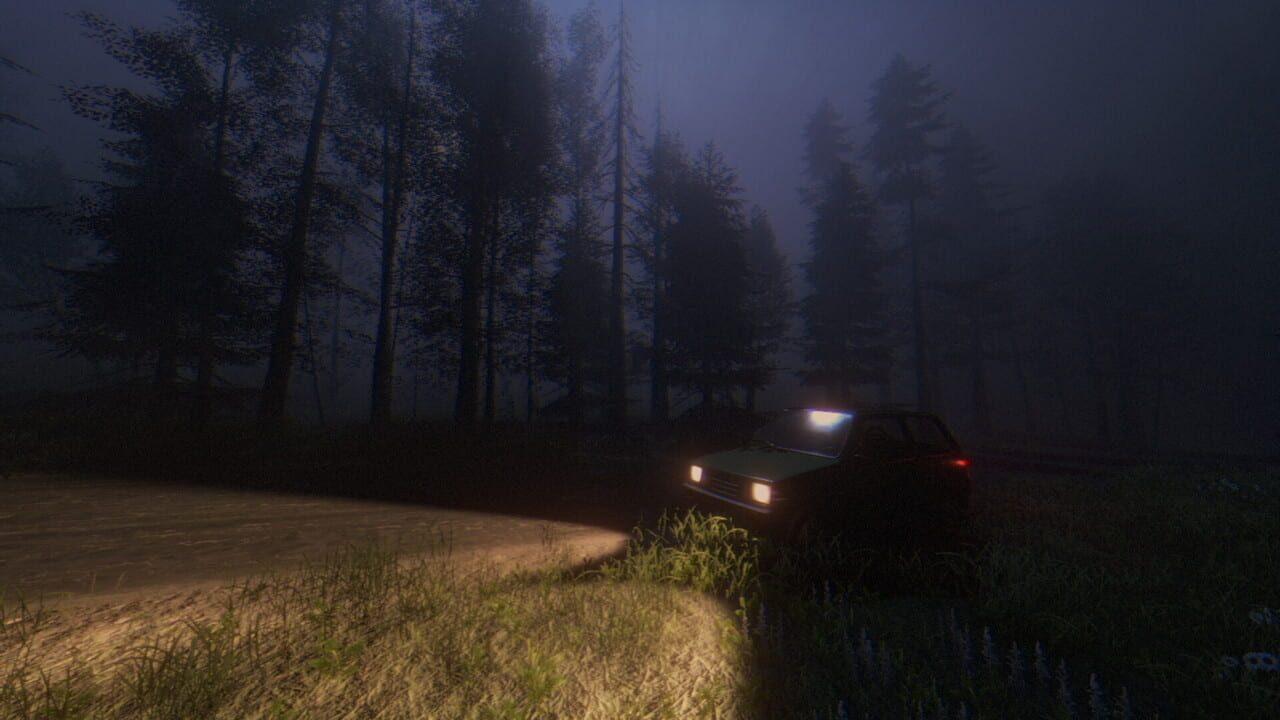
Hours of Violence
The girls eventually drove to a remote wooded area. There, the attack escalated into unimaginable brutality. According to investigators, Shanda was stripped to her underwear before being beaten repeatedly. Her face was smashed into a knee hard enough to cut her mouth against her braces. A knife was used to stab her multiple times. When one attempt to slash her throat failed because the blade was too dull, they strangled her with rope instead. At some point, the attackers believed she was dead. They stuffed her into the trunk. Then they drove away. What makes the case so psychologically horrifying is what happened next. The girls stopped at a house to clean themselves up and drink soda. And then they heard sounds coming from the trunk. Shanda was still alive. Still breathing. Still crying. Instead of helping her, one of the attackers walked outside with another knife and stabbed the 12-year-old again. The violence had become recreational.
Burned Alive on a Lonely Road Near dawn, the girls drove toward a rural area outside Madison. At a gas station, they bought a two-liter bottle of soda, emptied it, and filled it with gasoline. Then they wrapped the barely-living child in a blanket and dragged her into a field near a gravel road. The final moments were beyond monstrous. Gasoline was poured over her body. And she was set on fire. A forensic pathologist later determined that Shanda was still alive when the flames engulfed her. The next morning, hunters discovered what remained of her body. At first, they reportedly thought it was a mannequin. The burns were so severe that investigators initially struggled to identify her. America would soon learn the truth. And the nation recoiled in horror.
The Confessions That Shocked Investigators

The crime scene was so savage that some investigators initially believed they were dealing with satanic ritual activity or adult serial offenders. Instead, within hours, police learned the killers were teenagers. One by one, the girls confessed. Their statements revealed a night driven by jealousy, manipulation, peer pressure, and escalating cruelty. Prosecutors charged all four as adults due to the extreme violence involved. To avoid the death penalty, they accepted plea deals. Loveless and Tackett received 60-year sentences. Rippey received a reduced sentence after appeal. Lawrence received 20 years for criminal confinement. Years later, all four would eventually be released from prison. That fact still sparks outrage today.
Why This Case Still Haunts America The murder of Shanda Sharer endures because it shattered comforting assumptions. People want evil to look obvious. Older. Predictable. But this case involved teenage girls laughing between acts of torture. It exposed how group violence can mutate ordinary insecurity into something feral and inhuman. Psychologists and criminologists later pointed to the case as an example of adolescent mob mentality, emotional instability, and escalating peer validation. The horror wasn’t only physical. It was emotional. A child trusted the people around her. And they delivered her into hell. More than thirty years later, true crime communities still discuss the case with disbelief. Many describe it as one of the few murders they regret researching because of the sheer cruelty involved. And perhaps that is why the story refuses to disappear. Because somewhere in the darkness of rural Indiana, a terrified 12-year-old kept surviving attack after attack, desperately trying to live… …while the people around her decided she shouldn’t.
Author's Note: Did you like the article? How about you give the others a read?
About the Creator
E. hasan
An aspiring engineer who once wanted to be a writer .
Enjoyed the story? Support the Creator.
Subscribe for free to receive all their stories in your feed.
Comments
There are no comments for this story
Be the first to respond and start the conversation.