
The Night Jeffrey Dahmer’s Final Victim Escaped
The man who walked out of Apartment 213 — and exposed one of the most horrifying serial killers in American history.

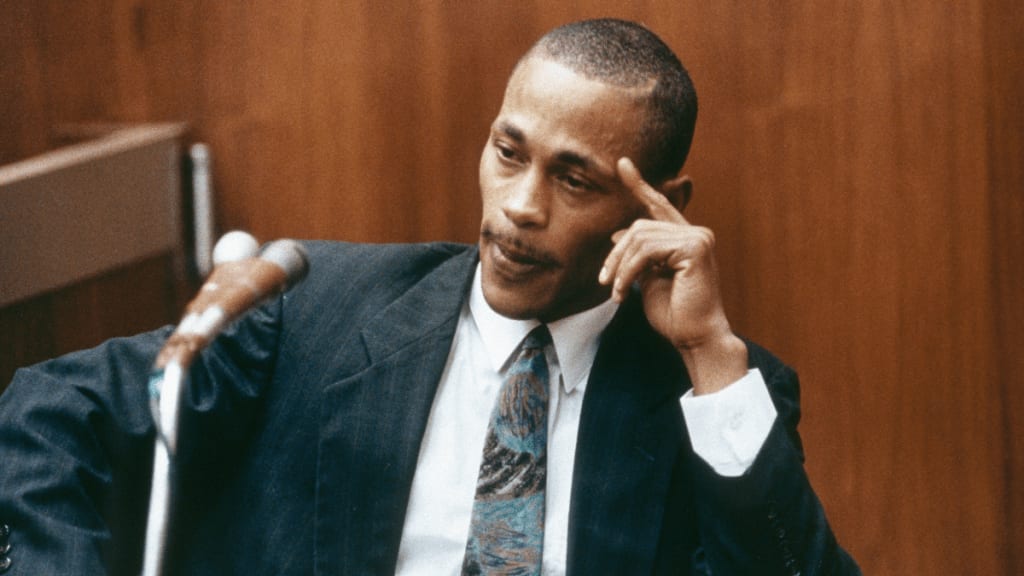
Milwaukee, Wisconsin. July 22, 1991. The city was asleep when a terrified man stumbled through the streets wearing only one handcuff. He was barefoot. Panicked. Barely coherent. And behind him, in a quiet yellow apartment building, sat one of the most grotesque crime scenes America had ever seen. That man was Tracy Edwards. And if he had not escaped, the world might never have discovered the nightmare inside Jeffrey Dahmer’s apartment.
The Predator of Milwaukee By the summer of 1991, Jeffrey Dahmer had already murdered numerous young men across nearly thirteen years. To neighbors, he appeared quiet and socially awkward. He worked odd jobs, drank heavily, and rarely drew attention to himself. But behind the door of Apartment 213 in the Oxford Apartments building, Dahmer had created a private chamber of horror. The smell coming from the apartment was constant. Neighbors complained repeatedly. Dahmer blamed it on spoiled meat, bad plumbing, or fish left too long in the freezer. Most people accepted the excuses. No one imagined the truth. Inside were human remains, photographs of mutilated bodies, acid-filled containers, and evidence of acts so disturbing that even veteran investigators struggled to process the scene. Yet Dahmer’s most terrifying weapon was not violence alone. It was manipulation. He knew how to appear harmless. That was how he found his victims.
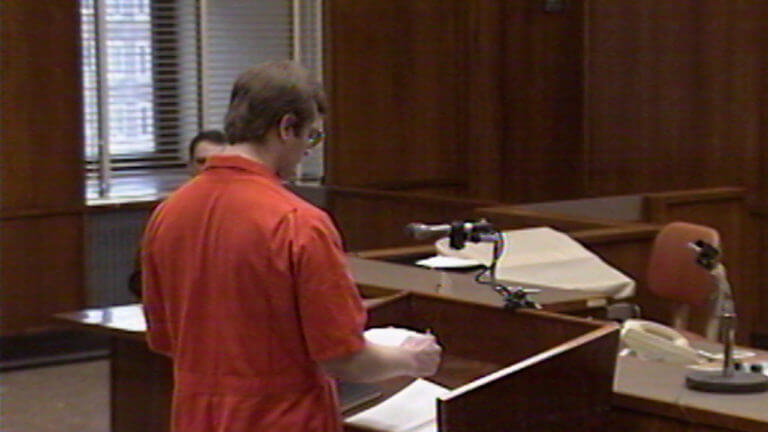
“Come Back to My Apartment for a Few Drinks” On the evening of July 22, Dahmer encountered 32-year-old Tracy Edwards near a Milwaukee mall. Dahmer approached casually. Calmly. He offered Edwards money to come back to his apartment, drink beer, and pose for photographs. The offer sounded strange, but not necessarily dangerous. Dahmer often used similar approaches to lure men into his apartment. Edwards agreed. It was a decision that nearly cost him his life.
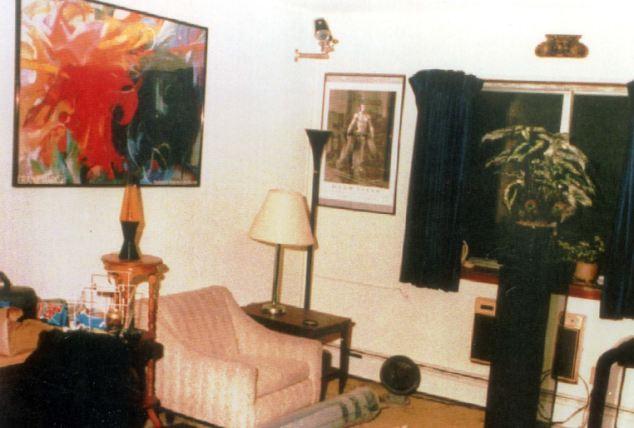
Something Felt Wrong Immediately The moment Tracy Edwards entered Apartment 213, he sensed something deeply unnatural. The smell hit first. A foul odor lingered in the air — chemical, rotten, sickening. The apartment itself looked bizarre. A blue barrel stood in one corner. Strange boxes were stacked around the room. Horror films played on the television while Dahmer behaved with unnerving calmness. Then Edwards noticed the knife. Dahmer suddenly placed a handcuff on one of Edwards’ wrists. At first, Edwards laughed nervously, assuming it was some kind of bizarre joke. But Dahmer’s demeanor changed. The soft-spoken man became quiet. Focused. Predatory.
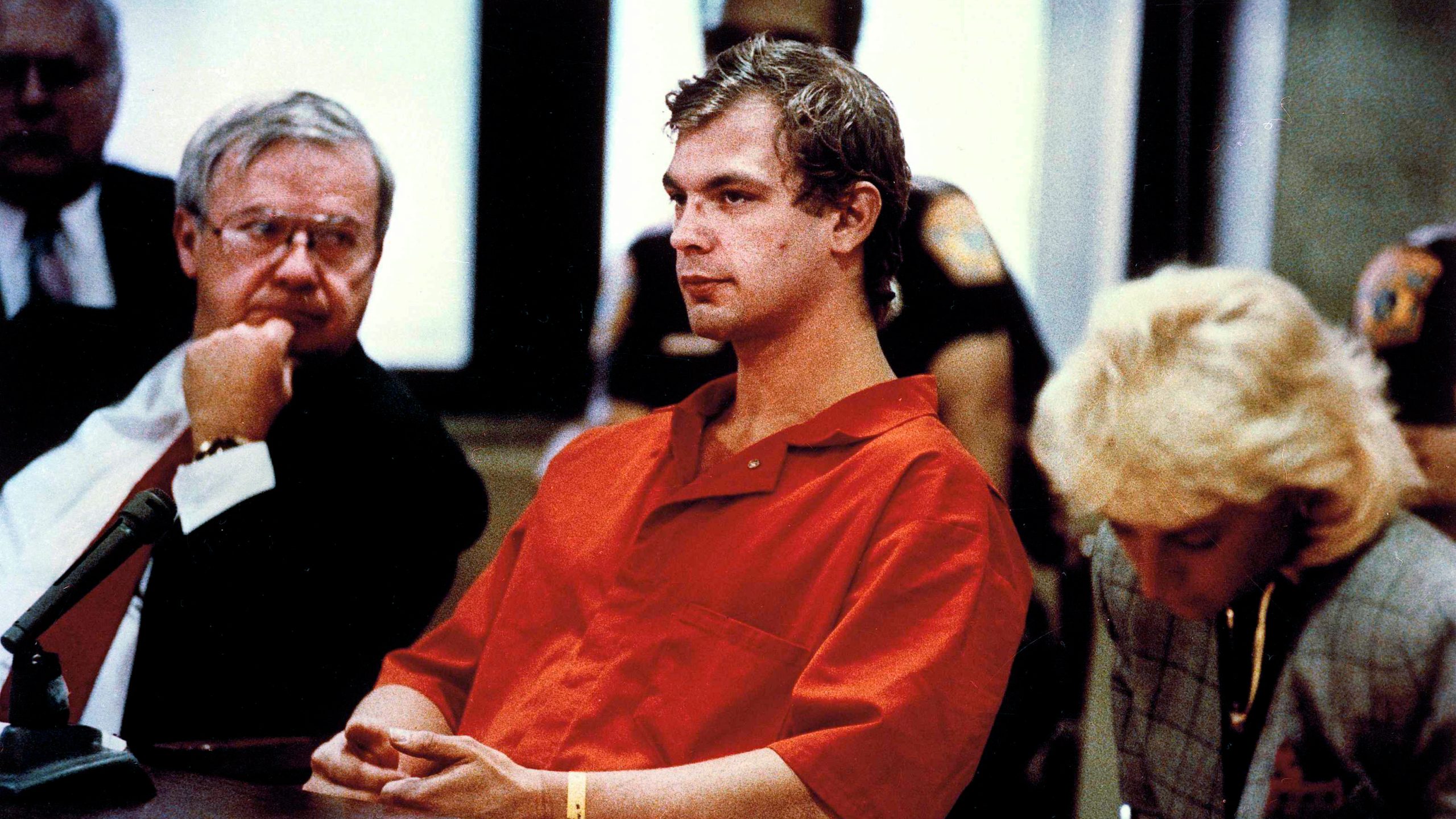
“I’m Going to Eat Your Heart” Over the next several hours, Tracy Edwards entered a psychological nightmare. Dahmer pressed the knife against him repeatedly while forcing him to sit beside him on the couch. He listened obsessively to music and swayed back and forth in a trance-like state. At one point, Dahmer rested his head against Edwards’ chest and listened to his heartbeat. Then he spoke words Edwards would never forget. “I’m going to eat your heart.” The statement shattered any illusion that this was survivable through reasoning alone. Edwards later described Dahmer as detached from reality — drifting between calm conversation and terrifying fixation. The apartment became a prison. And somewhere inside it, Edwards realized other people had died.
The Psychological Game That Saved His Life What happened next became one of the most extraordinary survival stories in true crime history. Tracy Edwards understood something crucial: Panic would get him killed. Instead of fighting immediately, he adapted. He spoke calmly. Pretended cooperation. Tried to keep Dahmer relaxed while silently searching for an opportunity to escape. For hours, Edwards maintained the illusion that he trusted him. It was survival through psychology. Dahmer had drugged and murdered many victims before. Most never had the chance to resist once inside the apartment. But Edwards remained alert. Waiting. Watching. Calculating. Then the opportunity came. When Dahmer’s attention briefly drifted, Edwards struck him in the face and bolted toward the door. He ran into the night still wearing the handcuff. Behind him was one of the deadliest serial killers in American history.
The Officers Who Opened the Door Shortly after escaping, Edwards encountered Milwaukee police officers Robert Rauth and Rolf Mueller. Breathless and terrified, he explained that a man had tried to kill him. The officers escorted him back to Dahmer’s apartment to retrieve the handcuff key. At first, Dahmer appeared composed. Polite. Even cooperative. He claimed the entire incident was merely a lovers’ argument. But when officers attempted to locate the key, one of them opened a desk drawer. Inside were dozens of Polaroid photographs. The images showed dismembered human bodies in horrifying detail. For a moment, the officer reportedly froze in disbelief. Then came the words that changed everything: “These are for real.” What followed became one of the most infamous criminal investigations in American history.

The Horror Inside Apartment 213 Police soon uncovered severed heads stored in the refrigerator. Human organs. Skeletons. Preserved skulls. A 57-gallon drum filled with acid and decomposing remains. Investigators discovered evidence that Dahmer had murdered, dismembered, photographed, and in some cases cannibalized his victims. The scale of the horror stunned the nation. Many detectives later admitted the scene haunted them permanently. Even hardened investigators struggled psychologically after processing the apartment. And at the center of it all stood Tracy Edwards — the man who escaped before becoming another victim.
Jeffrey Dahmer’s Final Arrest Jeffrey Dahmer was arrested that same night. During interrogation, he confessed in chilling detail to multiple murders committed between 1978 and 1991. The public reaction was immediate and explosive. Media outlets across America flooded viewers with details from the case. The story dominated headlines because it seemed almost impossible to comprehend. How could someone commit atrocities of this magnitude unnoticed for so long? Questions also emerged regarding prior police failures. One especially controversial incident involved a 14-year-old victim, Konerak Sinthasomphone, who escaped Dahmer briefly before officers returned him to Dahmer despite witness concerns. The revelation intensified public outrage. Many believed lives could have been saved.
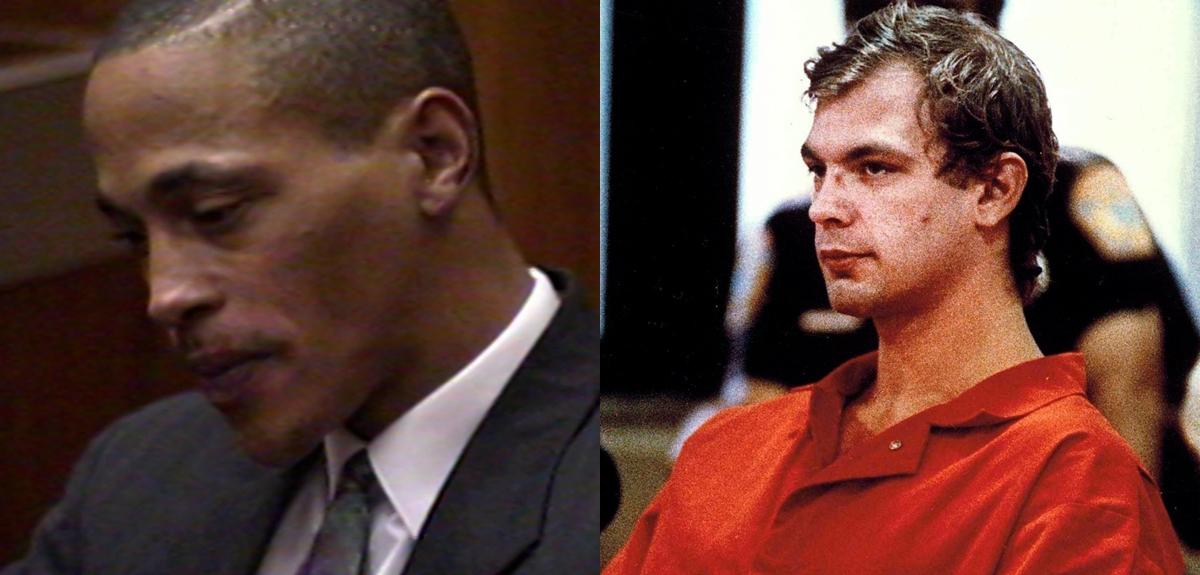
The Survivor Who Ended the Nightmare True crime history often focuses on killers. But survival stories remind us of something more powerful. Resistance. Instinct. Human endurance under unimaginable terror. Tracy Edwards survived because he recognized the danger, controlled his fear, and waited for the precise moment to escape. His actions ended Jeffrey Dahmer’s killing spree forever. Without Edwards, the horrors inside Apartment 213 may have continued. Instead, one terrified man running through the Milwaukee streets exposed a nightmare hiding in plain sight. And the world would never forget what police discovered behind that apartment door.
Author's Note:
Various news articles and informations sites were used to compile this article.
How about you read about the killer behind this survival story?
About the Creator
E. hasan
An aspiring engineer who once wanted to be a writer .
Enjoyed the story? Support the Creator.
Subscribe for free to receive all their stories in your feed.
Comments
There are no comments for this story
Be the first to respond and start the conversation.