
The Killer Caught After 40 Years by DNA
How a Tiny Piece of DNA Ended 40 Years of Fear and Caught a Monster

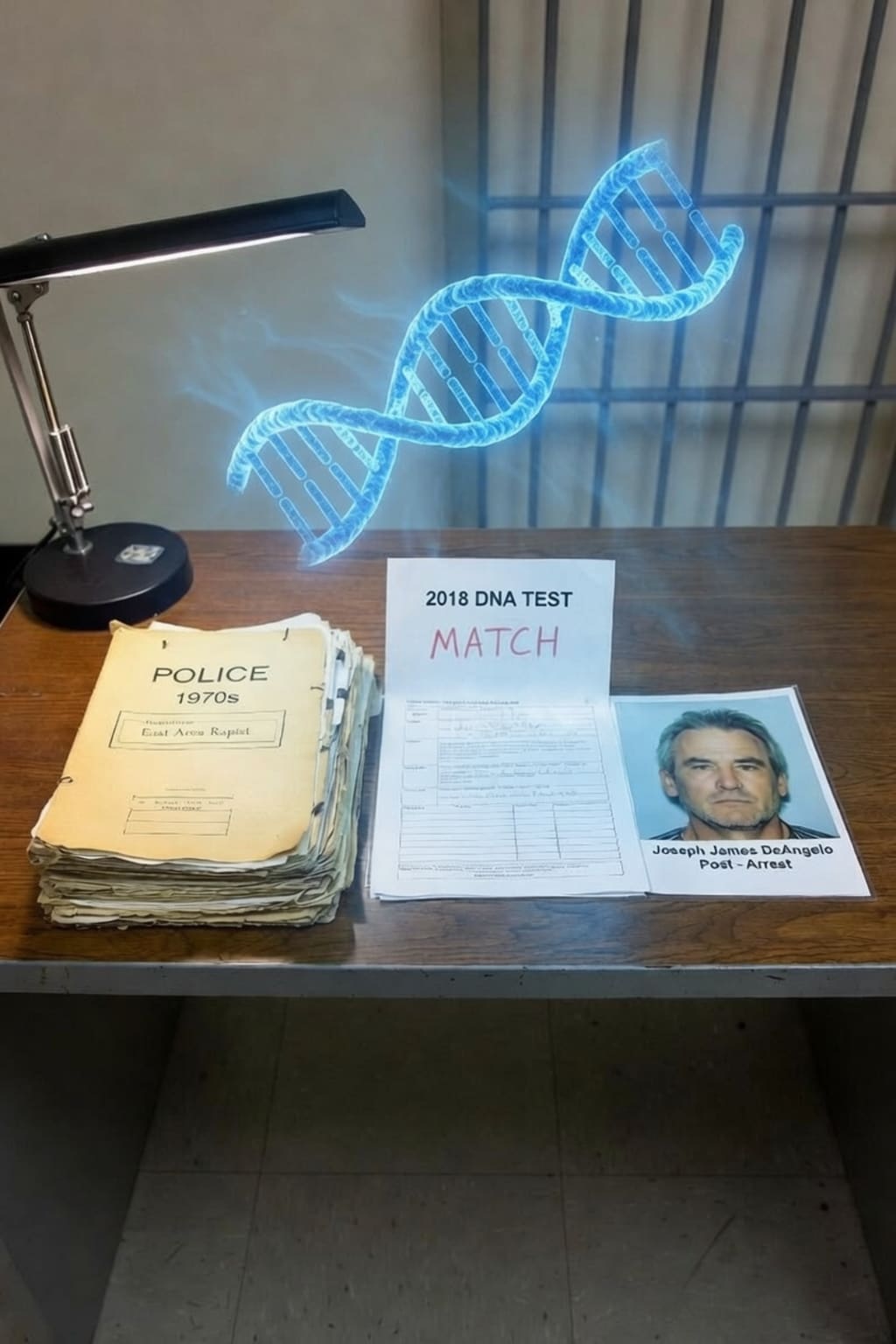
The Killer Caught After 40 Years by DNA In the 1970s and 1980s, a man brought fear to many homes in California. He moved quietly at night. He watched families for weeks before he struck. People called him different names over the years – the East Area Rapist, the Original Night Stalker, and later the Golden State Killer. He broke into houses, tied up couples, and did terrible things. He killed 13 people and hurt many more. For over 40 years, no one knew who he was. Then, one simple new idea with DNA changed everything. It started in small towns and cities across California. First, he was known as the Visalia Ransacker. He broke into homes in the daytime when people were out. He stole small things like photos, jewelry, and coins. In 1975, he shot and killed a man named Claude Snelling right in front of his young daughter. That was the start of worse things to come. By 1976, the crimes got much scarier. In the Sacramento area, a man started attacking women and couples at night. He would sneak into a house after watching it for days. He carried a gun and a knife. He tied up the man with special knots and put plates or cups on the man's back. If the man moved, the dishes would fall and make noise. Then he would attack the woman. He often stayed for hours, eating food from the fridge and talking in a strange, low voice. He said things like "I have to do this" or "I'm sorry." After he left, he sometimes called the victims later to scare them more. Police worked hard but could not catch him. He was smart. He wore gloves and a mask. He left very few clues. Sometimes he took bikes or cars to get away fast. The attacks moved from north to south in California. By the early 1980s, he had killed several couples in their homes. One night in 1986, he killed a young woman named Janelle Cruz. That was his last known crime. After that, he just stopped. Many people thought he died or went to jail for something else. Years passed. Families of the victims waited for answers. Detectives kept the files open. Old evidence like blood, hair, and other body samples sat in police storage. In the past, testing DNA was hard and slow. It did not always work well. But by 2018, things changed. A new way called genetic genealogy appeared. It used DNA from crime scenes and matched it with family trees on big websites like GEDmatch. A smart detective team tried this idea. They took DNA from one of the old crime scenes. They put it into the genealogy site. It found some distant family members. Then, they built a family tree step by step. They looked at old records, school photos, and addresses. It pointed to one man: Joseph James DeAngelo. He was 72 years old and lived a quiet life in Citrus Heights, near Sacramento. DeAngelo had been a police officer in the 1970s. He worked in places where some attacks happened. Later, he worked in a store selling tools. He had a wife and daughters. To neighbors, he seemed like a normal older man who kept to himself. He liked to ride his bike and fix things. On April 24, 2018, police watched his house. They picked up a trash can he left out. They tested DNA from something inside. It matched the DNA from the crimes perfectly. They arrested him that same day. The news spread fast. "Golden State Killer Caught!" headlines said. People who lived through the fear years ago could not believe it. In court, DeAngelo looked small and old. He did not fight the charges much. In 2020, he agreed to tell the truth about his crimes to avoid the death penalty. He pleaded guilty to 13 murders and other bad acts. He admitted to hurting dozens more people. The judge gave him life in prison with no chance to get out. Ever. Why did he do it? No one knows for sure. Some said he had anger inside from his past. He was in the Navy and worked as a cop, but he lost his police job after he stole a hammer and dog repellant from a store. Maybe that started his anger. In his house, police found many stolen items from old crimes – rings, coins, and other small things he kept for years. The DNA method that caught him was new. Before, police needed a direct match in their criminal database. But this killer was never in that system for these crimes. Genetic genealogy looked at family DNA instead. It helped solve many old cases after this one. Now, police use it more carefully with rules to protect privacy. For the victims and their families, it brought some peace. One survivor said it felt like the monster finally had a face. People who lost moms, dads, sisters, and brothers could close a painful chapter. But the pain never fully goes away. Many still remember the fear in California towns. Doors stayed locked. Lights stayed on at night. This story shows that bad people can hide for a long time, but truth can come out. Science and hard police work finally won after 40 years. Joseph DeAngelo died in prison later, but his name lives as a warning. One man caused so much hurt. Yet, the bravery of survivors and the work of detectives gave justice in the end. Today, if you walk in quiet California neighborhoods, some older people still talk about those dark years. They remember the phone calls, the strange noises at night, and the man who seemed to disappear like a ghost. But thanks to a small bit of DNA and smart thinking, the ghost got caught. The case changed how police hunt old criminals. It gave hope to families with unsolved cases. "Never give up," many say now. Even after 40 years, the answer can come. (Word count: about 1020)
About the Creator
Hafiz afridi
✍️ Writer | Creator | Dreamer Sharing original stories, ideas, and knowledge with the world. Turning thoughts into words and words into impact.
Enjoyed the story? Support the Creator.
Subscribe for free to receive all their stories in your feed.
Comments
There are no comments for this story
Be the first to respond and start the conversation.