
The Basement of Horror: The Slow Torture and Death of Sylvia Likens
The 1965 case that shocked America and revealed how ordinary people can become monsters.

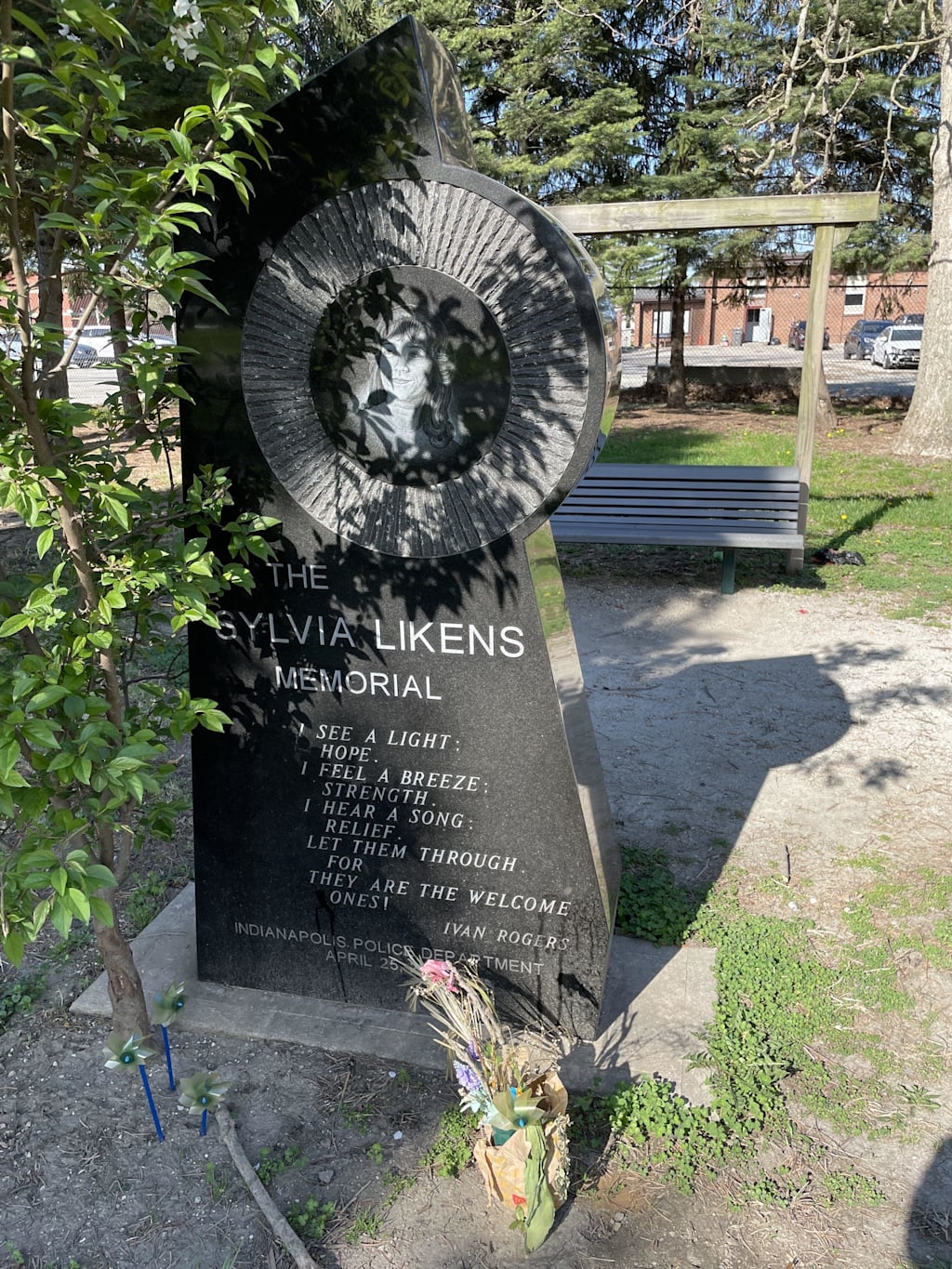
In October 1965, police officers entered a modest house on East New York Street in Indianapolis, Indiana. The smell hit them first. Inside the home, they found the emaciated body of a 16-year-old girl lying on a filthy mattress in the basement. Her body was covered in bruises, burns, cuts, and signs of prolonged torture. She was malnourished, dehydrated, and barely recognizable as the cheerful teenager she had once been. Her name was Sylvia Likens. What investigators uncovered over the following days would become one of the most horrifying child abuse and murder cases in American history. Because Sylvia was not murdered by a masked serial killer lurking in the shadows. She was destroyed slowly, over months, by an entire household. And perhaps most disturbing of all, many of the people involved were ordinary suburban children.
A Troubled Beginning Sylvia Marie Likens was born on January 3, 1949, into a struggling carnival family. Her parents, Lester and Elizabeth Likens, traveled frequently with carnival shows and often struggled financially. Sylvia and her younger sister, Jenny, were known to be quiet, polite, and deeply attached to one another. In the summer of 1965, their parents arranged for the girls to stay temporarily with a woman named Gertrude Baniszewski while they traveled for work. At first, nothing seemed unusual. Gertrude was a thin, chain-smoking mother of seven living in Indianapolis. She appeared frail and overwhelmed by poverty, but she agreed to care for the girls in exchange for twenty dollars a week. That arrangement would become a death sentence.
The Woman Inside the House Gertrude Baniszewski was 37 years old, but witnesses later described her as looking far older. She suffered from chronic health problems, depression, and severe emotional instability. Her home was chaotic, filthy, and filled with children constantly coming and going. When Sylvia’s parents were late sending one of the weekly payments, Gertrude exploded in rage. She beat Sylvia with a paddle. Then she beat her again. Soon the punishments became routine. According to court testimony, Gertrude began accusing Sylvia of being promiscuous and immoral despite there being little evidence to support the claims. She spread humiliating rumors about the teenager and encouraged her own children to mock and abuse her. Over time, the violence escalated into something sadistic.
Torture in Broad Daylight The abuse inside the Baniszewski home became horrifyingly systematic. Sylvia was slapped, punched, kicked, starved, and burned with cigarettes. She was denied proper food and forced to scavenge leftovers from trash bins. Sometimes she was made to consume spoiled food or drink. Witnesses later testified that Gertrude often gathered neighborhood children around Sylvia like spectators at a show. The teenager became a target for humiliation. Children struck her for entertainment. Some spat on her. Others carved insults into her body. At one point, Sylvia attempted to escape but was captured and dragged back to the house. Afterward, the abuse intensified dramatically. Gertrude reportedly told Sylvia that nobody cared whether she lived or died. The basement soon became Sylvia’s prison. She was tied up, isolated, and regularly beaten while other children watched. Perhaps the most infamous detail of the case involved words burned into Sylvia’s abdomen using a heated needle: “I’m a prostitute and proud of it.” The phrase was reportedly carved by Gertrude’s daughter Paula and another neighborhood boy while others stood nearby. The cruelty was not impulsive. It was methodical. Deliberate. And prolonged over weeks.
The Psychological Horror One of the reasons the Sylvia Likens case still disturbs people decades later is because it exposed something terrifying about human behavior. Many of the participants were not hardened criminals. They were teenagers. Neighborhood kids. Ordinary people. Investigators later discovered that some children visited the house specifically to witness Sylvia’s suffering. Several participated in beatings simply because everyone else was doing it. Psychologists and criminologists have often pointed to the case as a horrifying example of mob mentality, peer pressure, and dehumanization. Inside that house, Sylvia slowly stopped being viewed as a person. She became an object. A scapegoat. Someone onto whom rage, frustration, jealousy, and cruelty could be projected without consequence. And for months, nobody stopped it.
The Final Days By October 1965, Sylvia was dying. She weighed less than 80 pounds. Her skin was covered in wounds and infections. She suffered from severe malnutrition, dehydration, and internal injuries caused by repeated assaults. Witnesses later said she struggled even to speak. Gertrude eventually became paranoid that authorities would discover the abuse. She instructed Sylvia to tell police she had run away and been attacked by a gang of boys. But Sylvia was too weak. On October 26, 1965, she collapsed. Shortly afterward, she died on the filthy basement mattress where she had spent much of her final weeks. She was only 16 years old. When police arrived, Gertrude attempted to hand officers a fabricated note blaming fictional attackers. The lie unraveled almost immediately. Sylvia’s younger sister Jenny, terrified but desperate, quietly whispered to officers: “Get me out of here and I’ll tell you everything.” What followed stunned the nation.
America Reacts in Horror The details of the case dominated newspapers across the United States. Even experienced investigators struggled to comprehend the level of cruelty inflicted upon Sylvia. Reporters described the house as a chamber of nightmares hidden inside an ordinary neighborhood. The public reaction was explosive. How could so many people participate in such prolonged torture without anyone intervening? Why did neighbors not act? Why did children become willing participants? The case generated enormous national outrage and became one of the most infamous crimes in Indiana history.
The Trial In 1966, Gertrude Baniszewski, along with several of her children and neighborhood teenagers, stood trial for Sylvia’s torture and murder. The courtroom testimony was deeply disturbing. Witnesses recounted beatings, starvation, burns, humiliation, and psychological torment inflicted over months. Photographs shown during the trial horrified jurors. Gertrude Baniszewski was convicted of first-degree murder and sentenced to life imprisonment. Several others received convictions for manslaughter or lesser charges. Yet the aftermath remained controversial. Many Americans believed the punishments were too lenient considering the severity of the abuse. Even more shocking, Gertrude Baniszewski was eventually released on parole in 1985 after serving less than twenty years. The decision outraged many people connected to the case. She later changed her name and lived quietly until her death in 1990.
Why Sylvia Likens Still Haunts America The Sylvia Likens case is remembered not only because of the brutality. It endures because it shattered comforting assumptions about evil. People want to believe monsters are easy to identify. They imagine killers as strangers lurking in dark alleys. But the people who destroyed Sylvia lived in an ordinary home. They attended school. They had neighbors. Some were children barely older than Sylvia herself. The case forced America to confront an unsettling truth: Under the right conditions, cruelty can spread through ordinary people with terrifying speed. That realization may be more frightening than the murder itself.
A Legacy of Tragedy Over the decades, Sylvia Likens’ story has inspired books, documentaries, films, and extensive psychological studies. Many writers and criminologists view the case as one of the clearest examples of collective abuse in modern American history. For Sylvia’s surviving family members, however, the tragedy was never simply a famous case. It was the destruction of a real girl remembered as gentle, shy, and deeply caring. Today, more than half a century later, Sylvia Likens remains a symbol of extreme human cruelty — but also a warning. Because the true horror of her story is not hidden in some abandoned forest or isolated roadside. It happened inside an ordinary suburban home where countless people saw suffering unfold and chose not to stop it. And that is what makes the story unforgettable.
About the Creator
E. hasan
An aspiring engineer who once wanted to be a writer .
Enjoyed the story? Support the Creator.
Subscribe for free to receive all their stories in your feed.
Comments
There are no comments for this story
Be the first to respond and start the conversation.