
Ted Bundy: The Charming Monster America Invited In
The Smile That Hid a Predator

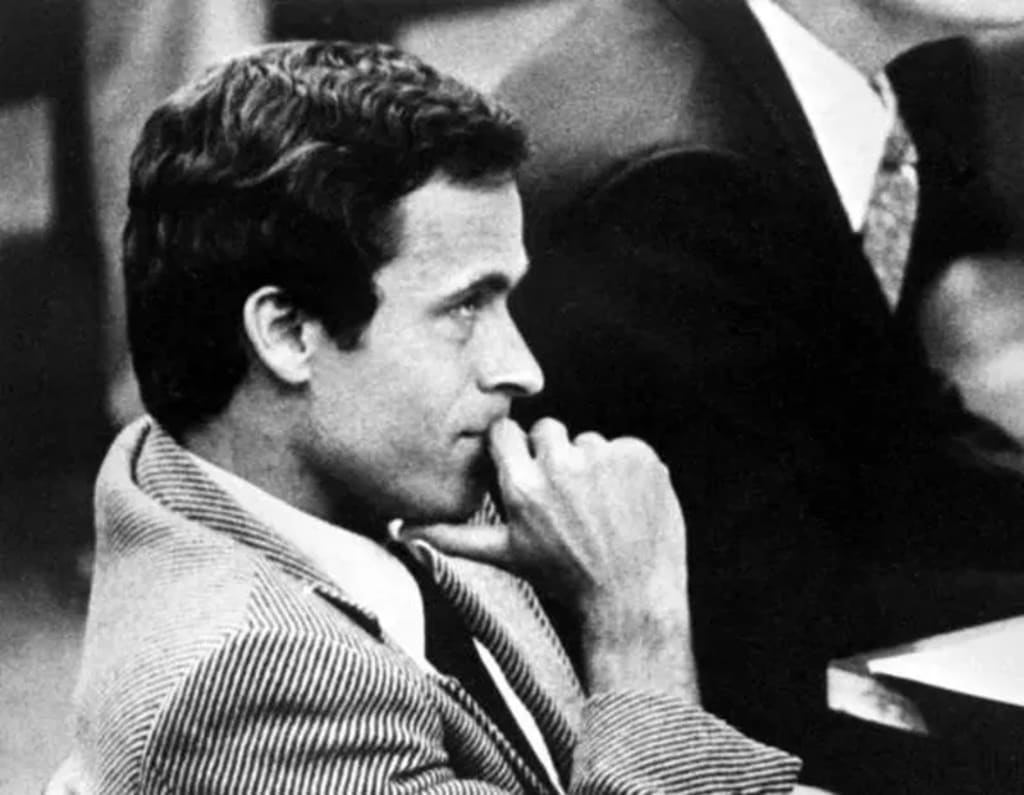
In photographs from the 1970s, Ted Bundy does not look like a monster. That is what made him terrifying. He smiled easily. He studied law. He volunteered on political campaigns. He spoke calmly, intelligently, sometimes even warmly. Witnesses described him as handsome, articulate, and magnetic. He looked like the kind of man parents trusted. The kind of man women felt safe helping. Behind that mask lived one of the most sadistic serial killers in American history. Bundy did not stalk from shadows like a horror movie villain. He walked openly through crowded campuses, shopping centers, and lakeside parks. Sometimes he wore a fake cast. Sometimes he carried books. Sometimes he pretended to be injured and asked women for help loading something into his car. Many never returned. What made Bundy so psychologically horrifying was not only the brutality of his crimes. It was the performance. The illusion. The realization that evil did not always arrive screaming. Sometimes it smiled politely.
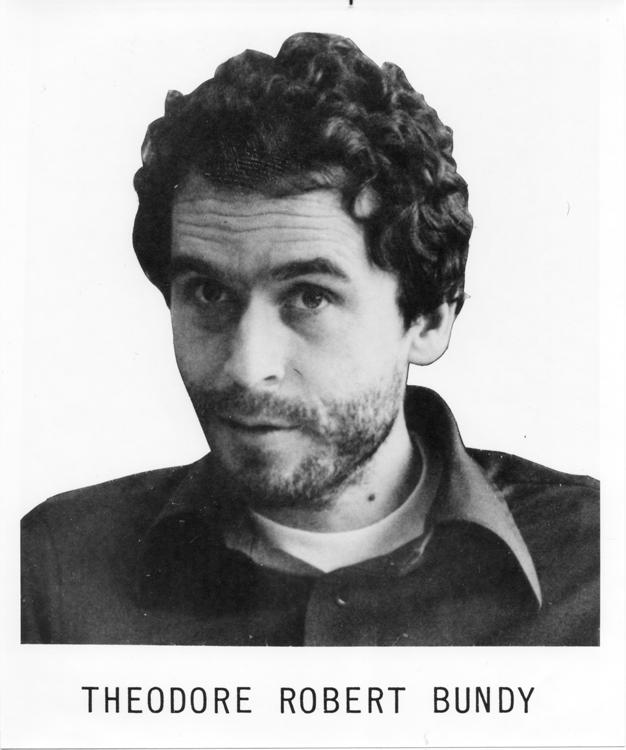
The Making of Ted Bundy Ted Bundy was born Theodore Robert Cowell in Vermont in 1946. From the beginning, his life was wrapped in secrecy. For years, he believed his grandparents were his parents and that his mother was his sister. Historians and psychologists still debate how deeply this affected him psychologically. As he grew older, Bundy developed an obsession with control, voyeurism, and violent fantasy. Former acquaintances later described him as emotionally detached, manipulative, and capable of mimicking empathy without truly feeling it. By the early 1970s, he appeared outwardly successful. He attended the University of Washington and later pursued law studies. He worked in politics and even volunteered at a suicide hotline. One of his coworkers there was crime writer Ann Rule, who would later become horrified to discover she had worked alongside a serial murderer. That duality became the defining nightmare of Ted Bundy. He could discuss legal theory during the day and torture women at night.
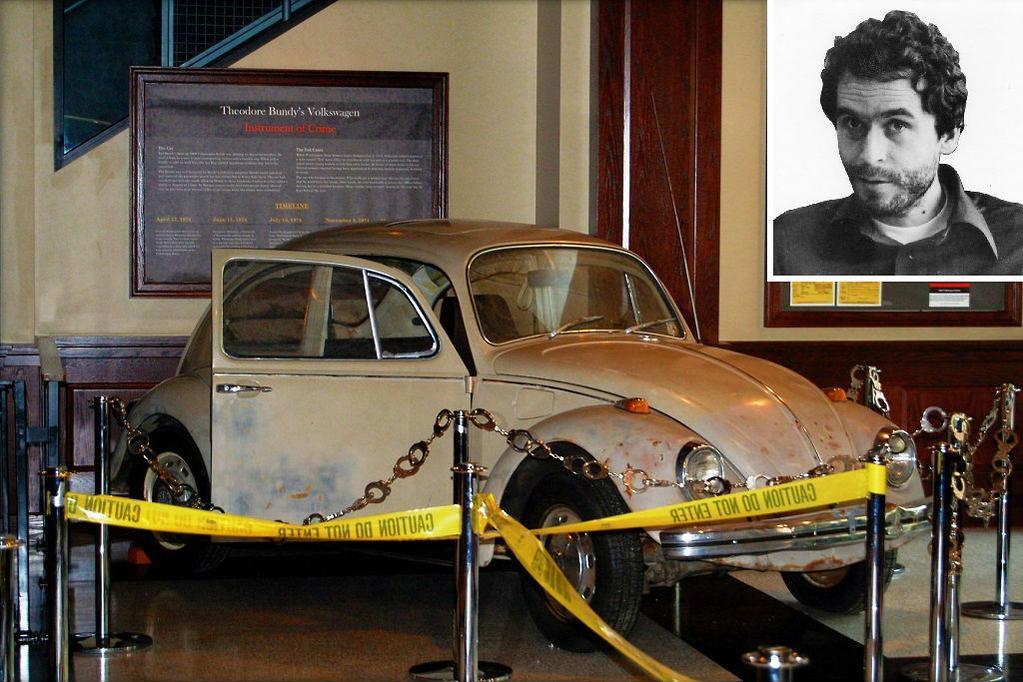
The Disappearances Begin In 1974, young women began vanishing across the Pacific Northwest. College students disappeared from campuses without explanation. Witnesses repeatedly described a charming man introducing himself as “Ted.” He often appeared with his arm in a sling or leg in a cast, asking unsuspecting women for assistance. The pattern was chilling. The victims were frequently young women with long dark hair parted in the middle. Bundy targeted intelligence, independence, and youth—and then annihilated them with unimaginable violence. At Washington’s Lake Sammamish State Park, multiple witnesses saw Bundy approach women in broad daylight. Hours later, two women disappeared from the crowded beach. Investigators were stunned. The killer was not hiding in alleys. He was hunting in public. As authorities across different states struggled to connect cases, Bundy continued moving through Washington, Oregon, Utah, Colorado, and beyond. Jurisdiction failures and primitive forensic systems allowed him to evade capture while bodies accumulated in forests and remote mountain areas. Some victims were bludgeoned. Some were strangled. Several showed evidence of necrophilia. Bundy later confessed that he revisited corpses repeatedly in isolated locations. He applied makeup to decomposing bodies. He performed acts so psychologically grotesque that even seasoned investigators struggled to discuss them publicly. This was not merely murder. It was domination beyond death.
The Escapes That Shocked America In 1975, Bundy was finally arrested during a traffic stop in Utah. Police discovered suspicious items inside his vehicle, including handcuffs, rope, and burglary tools. Even then, many people doubted he could be a killer. He was too composed. Too educated. Too normal. Bundy represented a terrifying contradiction to America’s understanding of evil. While awaiting trial in Colorado, Bundy accomplished something almost unheard of. He escaped. Twice. The first escape came when he leapt from a courthouse library window and vanished into the mountains. Authorities recaptured him days later. Months afterward, he escaped again by starving himself until he could squeeze through a hole in the ceiling of his jail cell. This time, he disappeared entirely. And then came the nightmare that cemented his place in criminal history.
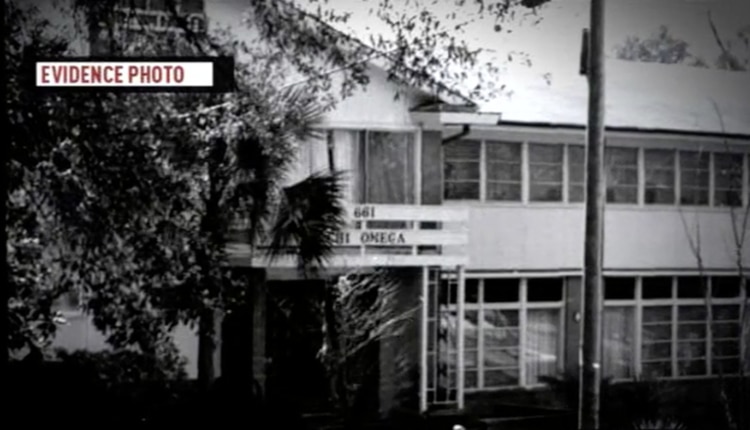
The Chi Omega Murders In January 1978, Bundy entered the Chi Omega sorority house at Florida State University. What happened inside remains one of the most horrifying crime scenes in modern American history. Within minutes, Bundy brutally attacked multiple sleeping women using a wooden club. Two were murdered. Others survived with catastrophic injuries. The violence was frenzied. Savage. Animalistic. One victim suffered injuries so severe that investigators struggled to describe them in reports without shocking the public. And yet Bundy did not stop there. That same night, he attacked another young woman several blocks away. The escalation terrified investigators because it revealed something deeply disturbing: Bundy’s compulsions were accelerating. His violence was becoming less controlled, less strategic, more explosive. The polished mask was cracking. What remained underneath was pure predatory chaos.
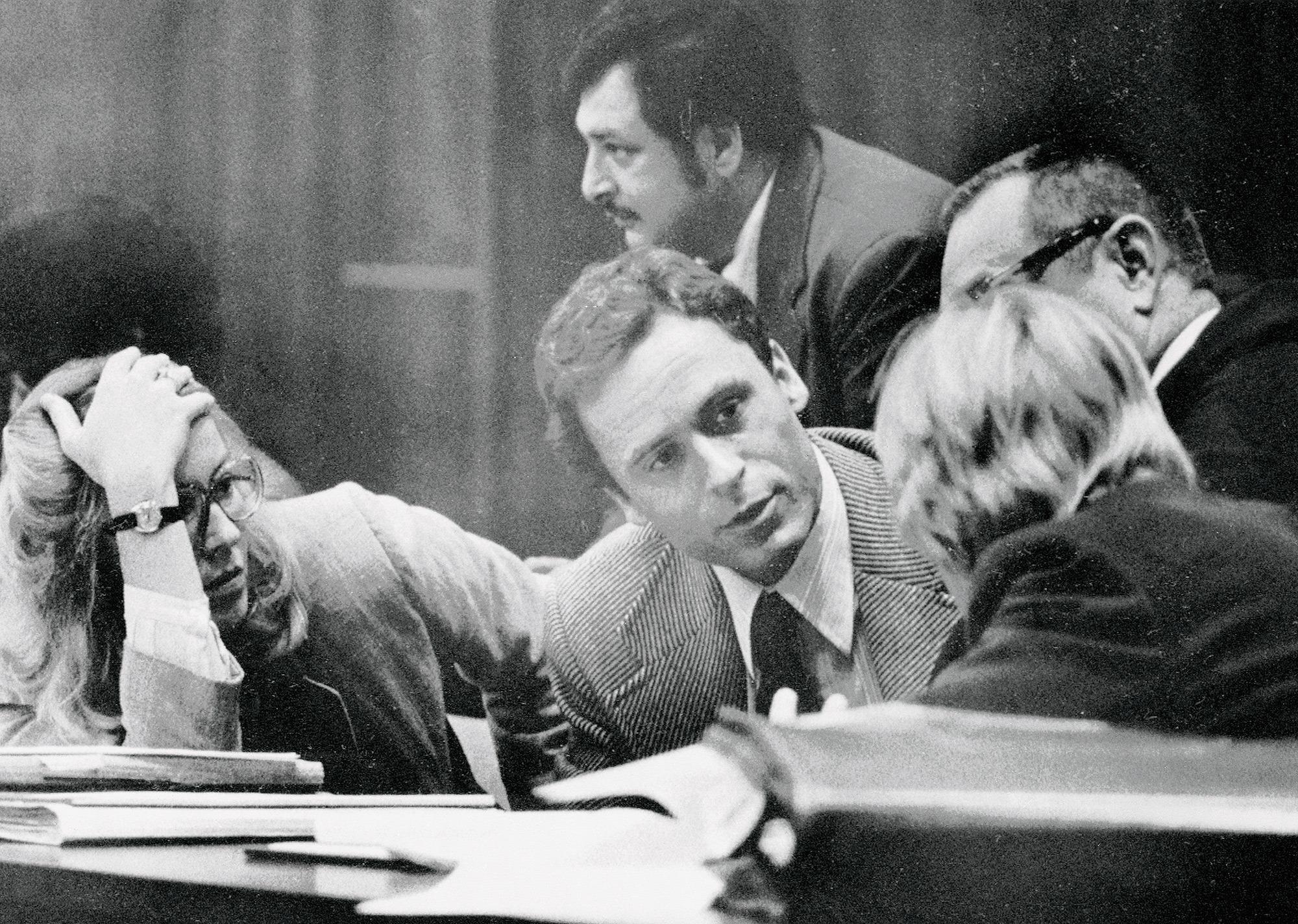
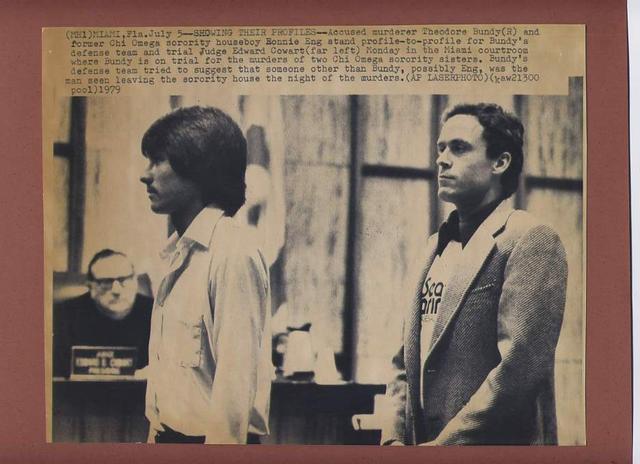
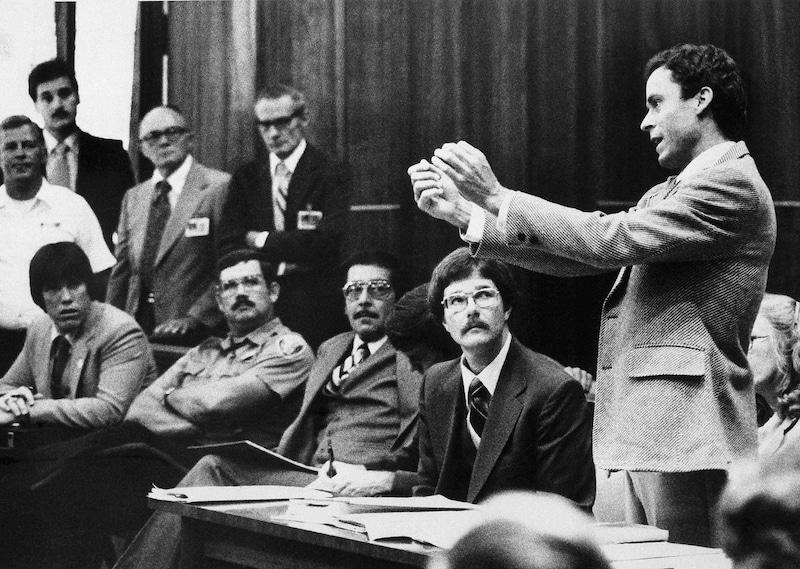
America Watches a Monster Speak Bundy’s trial became a media spectacle unlike anything America had seen before. Television cameras captured him smiling, flirting, and acting as his own attorney. Millions watched in disbelief as a serial killer appeared confident, charismatic, even entertaining. He weaponized charm until the very end. Psychologists later studied Bundy extensively because he displayed traits associated with psychopathy: superficial charisma, manipulation, grandiosity, lack of remorse, and predatory behavior hidden beneath social normalcy. But what disturbed experts most was Bundy’s awareness. He understood how people perceived him. And he used it constantly.
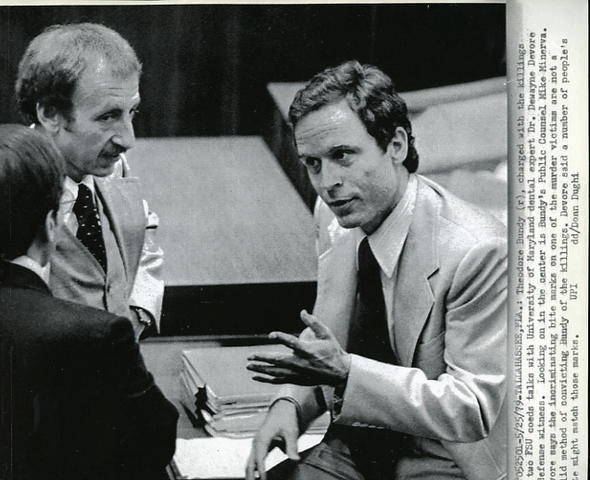
Even during interviews discussing murder, Bundy often spoke calmly and analytically, as though observing someone else’s crimes. He shifted blame onto pornography, childhood influences, or society itself. Yet survivors and evidence told a different story. Bundy knew exactly what he was doing. He enjoyed power. He enjoyed fear. And he enjoyed watching people underestimate him.
The Final Hours By the late 1980s, Bundy had confessed to numerous murders, though investigators believe the true number may never be known. Officially linked to over 30 killings, some experts suspect the total was far higher. On January 24, 1989, Ted Bundy was executed in Florida’s electric chair. Outside the prison, crowds celebrated. Some danced. Some cheered. Some held signs reading “Burn Bundy Burn.” It resembled the ending of a national nightmare. But Bundy’s legacy did not disappear with his death. Decades later, criminologists, psychologists, filmmakers, and writers remain obsessed with him because Bundy forced society to confront an unbearable truth: Monsters do not always look monstrous. Sometimes they are intelligent. Attractive. Successful. Sometimes they know exactly what people want to see. And sometimes, behind the practiced smile of a charming stranger, there is nothing human at all.
Author's Note:
Various information sites were used to compile this article. Did you like this? How about you learn about Richard Ramirez too?
About the Creator
E. hasan
An aspiring engineer who once wanted to be a writer .
Enjoyed the story? Support the Creator.
Subscribe for free to receive all their stories in your feed.
Comments
There are no comments for this story
Be the first to respond and start the conversation.