investigation
Whodunnit, and why? All about criminal investigations and the forensic methods used to search for clues and collect evidence to get to the bottom of the crime.
The Central Park Five: A Case of Injustice and Redemption
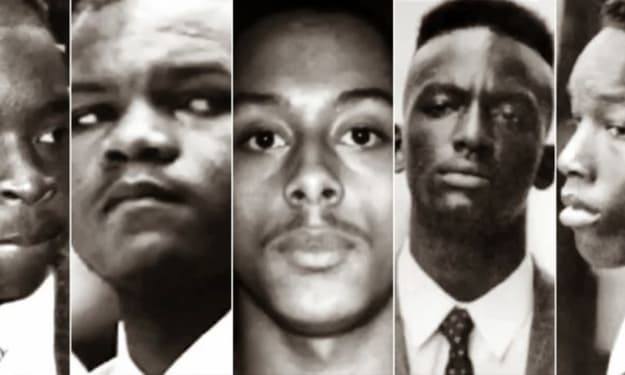
In 1989, the nation was gripped by the harrowing story of a brutal assault and rape in New York City's Central Park. What followed would become one of the most egregious miscarriages of justice in recent memory, as five teenagers—Antron McCray, Kevin Richardson, Yusef Salaam, Raymond Santana, and Korey Wise—were wrongfully convicted of the crime in what became known as the Central Park Five case. The incident shook the city to its core, igniting fear and outrage as the media sensationalized the case, painting the teenagers as a "wolf pack" responsible for the heinous attack on Trisha Meili, a young investment banker who was jogging in the park. Despite a lack of physical evidence tying them to the crime scene, the five boys, aged between 14 and 16, were coerced into giving false confessions after hours of intense interrogation by law enforcement. Their trials were marked by racial tensions and public outcry, fueled by a climate of fear and prejudice. Despite inconsistencies in the prosecution's case and the absence of DNA evidence linking them to the crime, all five were found guilty and sentenced to prison terms ranging from 5 to 15 years. However, their nightmare was far from over. It wasn't until 2002, more than a decade later, that the truth began to emerge. Matias Reyes, a convicted serial rapist serving a life sentence, came forward and confessed to the attack on Trisha Meili. DNA evidence subsequently confirmed his involvement, leading to the exoneration of the Central Park Five. The revelation sparked a renewed public interest in the case, shining a spotlight on the systemic flaws within the criminal justice system—flaws that had allowed the wrongful convictions of five innocent teenagers. It also brought attention to the issue of coerced confessions, particularly among vulnerable youth, and the impact of racial bias on legal proceedings. Despite their exoneration, the Central Park Five had already paid a steep price for a crime they did not commit. Their youth stolen, their reputations tarnished, and their families shattered by years of wrongful imprisonment. Yet, their story is one of resilience and redemption. In the years since their release, the Central Park Five have become advocates for criminal justice reform, speaking out against injustices within the system and advocating for the rights of the wrongfully convicted. Their journey from victims of injustice to agents of change serves as a powerful reminder of the resilience of the human spirit and the enduring quest for truth and justice in the face of adversity. The Central Park Five case remains a sobering reminder of the dangers of rushing to judgment, the importance of due process, and the need for reforms to ensure that such injustices are not repeated. As we reflect on their story, let us not forget the lessons learned and the ongoing struggle for justice for all. While the exoneration brought some measure of closure to the Central Park Five, it did not erase the trauma and stigma they endured. Rebuilding their lives after years of wrongful imprisonment proved to be a daunting task. Many faced challenges finding employment, housing, and reintegrating into society. Despite these obstacles, they have persevered, demonstrating remarkable resilience and determination. Their case also sparked important conversations about racial profiling, prejudice, and the criminalization of young black and Latino men. It highlighted the ways in which the justice system disproportionately targets marginalized communities and perpetuates cycles of injustice. The Central Park Five became symbols of the systemic injustices that plague the criminal justice system and inspired calls for reform. In 2014, their story received renewed attention with the release of the critically acclaimed documentary "The Central Park Five," directed by Ken Burns, Sarah Burns, and David McMahon. The film delves into the events surrounding the case, shedding light on the injustices faced by the five teenagers and the impact of their wrongful convictions on their lives. The Central Park Five's fight for justice continues to resonate today, serving as a powerful reminder of the importance of accountability, transparency, and equity in our legal system. Their courage in the face of adversity has inspired countless individuals to speak out against injustice and advocate for meaningful change. As we reflect on the Central Park Five case, let us not only remember the injustices suffered by Antron, Kevin, Yusef, Raymond, and Korey but also honor their resilience and commitment to creating a more just and equitable society. Their story serves as a testament to the power of perseverance, the pursuit of truth, and the enduring hope for a better future.
By Deji Akomolafe2 years ago in Criminal
The Central Park Five: A Case of Injustice and Redemption
In 1989, the nation was gripped by the harrowing story of a brutal assault and rape in New York City's Central Park. What followed would become one of the most egregious miscarriages of justice in recent memory, as five teenagers—Antron McCray, Kevin Richardson, Yusef Salaam, Raymond Santana, and Korey Wise—were wrongfully convicted of the crime in what became known as the Central Park Five case. The incident shook the city to its core, igniting fear and outrage as the media sensationalized the case, painting the teenagers as a "wolf pack" responsible for the heinous attack on Trisha Meili, a young investment banker who was jogging in the park. Despite a lack of physical evidence tying them to the crime scene, the five boys, aged between 14 and 16, were coerced into giving false confessions after hours of intense interrogation by law enforcement. Their trials were marked by racial tensions and public outcry, fueled by a climate of fear and prejudice. Despite inconsistencies in the prosecution's case and the absence of DNA evidence linking them to the crime, all five were found guilty and sentenced to prison terms ranging from 5 to 15 years. However, their nightmare was far from over. It wasn't until 2002, more than a decade later, that the truth began to emerge. Matias Reyes, a convicted serial rapist serving a life sentence, came forward and confessed to the attack on Trisha Meili. DNA evidence subsequently confirmed his involvement, leading to the exoneration of the Central Park Five. The revelation sparked a renewed public interest in the case, shining a spotlight on the systemic flaws within the criminal justice system—flaws that had allowed the wrongful convictions of five innocent teenagers. It also brought attention to the issue of coerced confessions, particularly among vulnerable youth, and the impact of racial bias on legal proceedings. Despite their exoneration, the Central Park Five had already paid a steep price for a crime they did not commit. Their youth stolen, their reputations tarnished, and their families shattered by years of wrongful imprisonment. Yet, their story is one of resilience and redemption. In the years since their release, the Central Park Five have become advocates for criminal justice reform, speaking out against injustices within the system and advocating for the rights of the wrongfully convicted. Their journey from victims of injustice to agents of change serves as a powerful reminder of the resilience of the human spirit and the enduring quest for truth and justice in the face of adversity. The Central Park Five case remains a sobering reminder of the dangers of rushing to judgment, the importance of due process, and the need for reforms to ensure that such injustices are not repeated. As we reflect on their story, let us not forget the lessons learned and the ongoing struggle for justice for all. While the exoneration brought some measure of closure to the Central Park Five, it did not erase the trauma and stigma they endured. Rebuilding their lives after years of wrongful imprisonment proved to be a daunting task. Many faced challenges finding employment, housing, and reintegrating into society. Despite these obstacles, they have persevered, demonstrating remarkable resilience and determination. Their case also sparked important conversations about racial profiling, prejudice, and the criminalization of young black and Latino men. It highlighted the ways in which the justice system disproportionately targets marginalized communities and perpetuates cycles of injustice. The Central Park Five became symbols of the systemic injustices that plague the criminal justice system and inspired calls for reform. In 2014, their story received renewed attention with the release of the critically acclaimed documentary "The Central Park Five," directed by Ken Burns, Sarah Burns, and David McMahon. The film delves into the events surrounding the case, shedding light on the injustices faced by the five teenagers and the impact of their wrongful convictions on their lives. The Central Park Five's fight for justice continues to resonate today, serving as a powerful reminder of the importance of accountability, transparency, and equity in our legal system. Their courage in the face of adversity has inspired countless individuals to speak out against injustice and advocate for meaningful change. As we reflect on the Central Park Five case, let us not only remember the injustices suffered by Antron, Kevin, Yusef, Raymond, and Korey but also honor their resilience and commitment to creating a more just and equitable society. Their story serves as a testament to the power of perseverance, the pursuit of truth, and the enduring hope for a better future.
By Deji Akomolafe2 years ago in Criminal
The Lazarus Case
Detective Inspector Amelia Johnson stared at the crime scene photos on her desk. The victim, a wealthy socialite named Elizabeth Thorne, was sprawled across her living room floor, a single bullet wound to the chest. The room was in disarray, suggesting a struggle, but there were no signs of forced entry.
By Bilal Ansari2 years ago in Criminal
Story Inspired by the Murder of a "Youtuber" with a Knife in Tangier
Part One: The Beginning In the ancient city of Tangier, where the charm of history and culture is evident in every corner, lived an ambitious young man named Iyad. Iyad was a vibrant and passionate young man who lived in a small apartment overlooking the alleys of the old city. He pursued his passion for art and creativity, and he was known for his unique talent in drawing and music.
By abdelfattah hand2 years ago in Criminal
Is D.B Cooper really identified?
Hello, dear friends! Let's journey back to the 24th of November, 1971, an ordinary day that would soon become etched into the annals of aviation history. On this seemingly unremarkable day, a Northwest Orient Airlines flight prepared for departure from Portland, Oregon. Little did the passengers and crew know, they were about to embark on a journey that would captivate the world's attention.
By Lovebirds Intown2 years ago in Criminal
Mom killed Susan and Susan told me, I would be next and I am. When mom's done with me, she's going kill you.
Why does a mother murder her own? It's very hard to understand why someone would kill their children. They're not thinking clearly. A house of horror is ruled by a monster. She said when mom's done with me, she's going kill you. A high-flying mom turn on her family. I think that in that moment she did a monstrous thing. This killer is a collector. I could see the eye and the nose and the mouth, a little baby. These deadly women kill their own flesh and blood, breaking the sacred bond. Terry Walker is a survivor, a woman with a terrifying past. To be honest it was such a far-fetched story that they kind of thought it was made up.
By Lesedi Molutsi2 years ago in Criminal
The Science of Unlocking Your Brain's Full Potential
In the heart of bustling Brightville, Maya, an ordinary young woman, found herself captivated by a remarkable fact: humans only use a fraction of their brain's capacity. Armed with this intriguing knowledge, Maya embarked on a journey to uncover the science behind unlocking her brain's full potential.
By Emmanuel Mujun2 years ago in Criminal