guilty
Don’t do the crime if you can’t do the time; a look into all aspects of a guilty verdict from the burden of proof to conviction to the judge’s sentence and more.
Shadows on the Arkansas – A Mechanic's Fight for Justice
It was in a tranquil place called Muskogee, Oklahoma, where the Arkansas River took its sweet time flowing through cotton fields, and the sound of freight trains far away mixed with the warm air, that a certain man, Jack Harlan, made his residence. Jack was a mechanic whose activity responded to the demands of the farmers living in the area by working on old pickups and tractors. He could endure hard labor, but life sometimes presented him with challenges in a straightforward manner, and that night marked one such occasion when he got a curveball hurled directly at him.
By CEO A&S Developers9 months ago in Criminal
Shooting Involving ICE Agents in Portland: What We Know So Far
## Shooting Involving ICE Agents in Portland: What We Know So Far A shooting involving Immigration and Customs Enforcement agents, commonly known as ICE, took place in Portland, Oregon and quickly drew national attention. The incident raised serious questions about federal law enforcement operations, use of force, and the relationship between federal agencies and local communities. As details emerged, the event became a focal point for public debate, political reaction, and calls for transparency. The shooting happened during a law enforcement operation that involved federal officers attempting to stop a vehicle. Gunfire was exchanged, leaving two people injured and triggering an immediate response from emergency services and local authorities. While no local police officers fired shots, Portland officials confirmed that federal agents were responsible for the use of force. **What Happened During the Portland ICE Shooting?** According to official statements, federal agents attempted to stop a vehicle as part of a targeted operation. During the encounter, agents claimed that the situation escalated rapidly and that they felt threatened. Gunfire was then discharged, striking two individuals inside the vehicle. Both victims were later transported to a hospital for medical treatment. Authorities stated that the vehicle was able to move away from the immediate scene after the shots were fired, and emergency responders were called shortly afterward. The area was temporarily secured as investigators began gathering evidence and interviewing witnesses. **Who Was Involved in the Incident?** The shooting involved federal immigration enforcement officers operating in Portland. These agents were conducting an operation that did not include the Portland Police Bureau. City officials later confirmed that local law enforcement did not participate in the shooting itself. The individuals who were shot were civilians inside the vehicle that ICE agents attempted to stop. Their identities were not immediately released, and officials limited early details as the investigation began. **Why Did ICE Agents Open Fire?** Federal officials stated that agents opened fire because they believed their lives were in danger. According to their account, the driver of the vehicle allegedly attempted to use the car in a way that posed a threat to officers. This claim became a central point of scrutiny, as community leaders and civil rights advocates called for clear evidence and transparency. Critics argued that the use of lethal force raised concerns, especially in a city where tensions between federal agencies and residents have existed for years. The justification for the shooting remains under investigation. **What Is the Condition of the Injured Individuals?** Both people who were shot were taken to a hospital for treatment. Officials confirmed that they survived the incident, but specific details about the severity of their injuries were not immediately disclosed. Medical staff focused on stabilizing the victims while law enforcement agencies continued their review. Updates on their condition were limited in the early stages, fueling public concern and demands for more information. **How Did Local Officials Respond?** Portland city leaders reacted quickly, emphasizing that they were not informed in advance about the federal operation. The mayor and other officials expressed concern about the presence and actions of federal agents in the city. They called for a full and independent investigation to determine whether the use of force was justified. Local leaders also urged residents to remain calm while facts were gathered. Statements from city officials highlighted the importance of accountability and clear communication between federal agencies and local governments. **How Did the Public React to the Shooting?** The shooting sparked strong public reaction across Portland. Demonstrations formed as residents gathered to protest federal law enforcement actions and demand answers. Many protesters expressed frustration over what they viewed as aggressive tactics used by ICE and a lack of transparency surrounding the incident. Community groups and activists called for peaceful protests while urging authorities to respect civil rights. The incident reignited long-standing debates in Portland over immigration enforcement and federal involvement in local affairs. **What Investigations Are Underway?** A federal investigation was launched to examine the actions of the ICE agents involved. Investigators are reviewing body camera footage, witness statements, and physical evidence to reconstruct the sequence of events. The goal is to determine whether proper procedures were followed and whether the use of force complied with federal guidelines. State officials also signaled interest in reviewing the incident to ensure that all legal standards were met. Results of these investigations are expected to play a key role in shaping public understanding and potential policy responses. **Why Is This Incident Significant?** The Portland ICE shooting is significant because it highlights broader national issues surrounding immigration enforcement, federal authority, and public trust. It occurred at a time when scrutiny of law enforcement practices is high, and it added to ongoing discussions about the limits of federal power in local communities. For many residents, the incident reinforced concerns about safety, accountability, and transparency. For others, it raised questions about how federal agents operate and how such operations can be conducted without escalating into violence. **What Happens Next?** As investigations continue, officials are expected to release more information about the incident. Public pressure remains strong, with calls for clear explanations and potential reforms. The outcome of the investigations may influence future federal operations in Portland and shape discussions about law enforcement practices nationwide. The shooting involving ICE agents in Portland remains a developing story, one that reflects deeper tensions and challenges facing modern law enforcement in the United States.
By America today 9 months ago in Criminal
Iran Protests: Causes, Dynamics, and Their Impact on Society and Politics
**Iran Protests: Causes, Dynamics, and Their Impact on Society and Politics** Iran has experienced recurring waves of protests over the past years, reflecting deep social, economic, and political tensions within the country. These demonstrations are not isolated events but part of a broader pattern of public frustration that has emerged as Iranians respond to rising living costs, restrictions on personal freedoms, political grievances, and dissatisfaction with governance. The protests vary in size, intensity, and duration, yet they share common roots that reveal much about the challenges facing Iranian society today. One of the main drivers behind protests in Iran is economic pressure. Inflation, unemployment, and currency devaluation have placed a heavy burden on ordinary citizens. Many families struggle to afford basic necessities, and young people in particular face limited job opportunities despite high levels of education. Economic grievances often act as a spark for protests, especially when sudden price increases or policy changes directly affect daily life. In many cases, demonstrations that begin over economic concerns gradually evolve into broader expressions of political discontent. Another significant factor behind the protests is the issue of social and personal freedoms. Restrictions on expression, dress codes, and lifestyle choices have long been a source of tension, especially among younger generations and urban populations. For many protesters, demonstrations are not only about economic survival but also about dignity, autonomy, and the desire for greater individual rights. Social media and digital communication have played an important role in amplifying these voices, allowing protesters to share experiences and mobilize support despite state controls. Political dissatisfaction is also central to understanding Iran’s protest movements. Many protesters express frustration with the political system, feeling that their voices are not adequately represented and that meaningful reform is difficult to achieve through official channels. Election outcomes, perceived lack of transparency, and limited political competition have fueled skepticism about institutional change. As a result, protests become one of the few visible ways for citizens to express dissent and demand accountability. The response of authorities to protests has a major influence on how these movements develop. Security measures, arrests, and restrictions on communication are often used to contain demonstrations. Such responses can discourage participation in the short term, but they may also deepen public resentment and reinforce the sense of injustice among protesters. In some cases, strong crackdowns have drawn international attention and intensified debates about human rights and state power. Iran’s protest movements are notable for their diversity. Participants come from different social classes, regions, and age groups. While urban centers often see the largest gatherings, smaller towns and rural areas have also witnessed demonstrations, particularly when economic conditions worsen. Women and young people frequently play a visible role, highlighting generational shifts in attitudes and expectations. This diversity makes the protests difficult to characterize as a single unified movement, yet it also demonstrates the widespread nature of dissatisfaction. International factors indirectly shape the protest landscape as well. Economic sanctions, diplomatic tensions, and regional conflicts affect Iran’s economy and political environment, influencing public perceptions of both domestic leadership and foreign powers. While protests are largely driven by internal issues, external pressures can intensify hardships and contribute to public anger. At the same time, authorities often frame protests within a narrative of foreign interference, which resonates with some segments of the population but is rejected by others. The long-term impact of protests in Iran remains uncertain. Some movements fade after a period of intense activity, while others leave lasting marks on public discourse and policy. Even when immediate demands are not met, protests can shift social norms, raise awareness, and gradually influence how people think about rights, governance, and participation. They also reveal underlying tensions that continue to shape the relationship between the state and society. In conclusion, protests in Iran are a complex and evolving phenomenon rooted in economic hardship, demands for social freedom, and political dissatisfaction. They reflect a society in which many citizens are seeking change, recognition, and a better quality of life. While the outcomes of these protests vary, their persistence suggests that the issues driving them remain unresolved. Understanding these movements provides insight into the challenges facing Iran today and the aspirations of its people for the future.
By America today 9 months ago in Criminal
"Mean Nadean". Content Warning.
This tale of a bully and her motherly love will leave you wondering what’s in the drinking water out here in Gans, Oklahoma. It’s been said by many mothers, including myself, that we would do anything for our children. I would like to point out that not all mothers are bullies. This was a woman so mean in high school they called her “mean Nadeen”. How much of a bully was she?
By Cassie Moore9 months ago in Criminal
Geronimo Bank Robbery. Content Warning.
There is a little town in Oklahoma called Geronimo. Just like the Indian Warrior. Yes, I know. I either find ones I cannot pronounce, or I find ones that sound like they were made up for a 1970’s cop show. I can assure you that Geronimo is a real town. Just a little southeast of Lawton, Oklahoma. Oklahoma is rich in these little towns and odd histories.
By Cassie Moore9 months ago in Criminal
The Dark Side of Fame
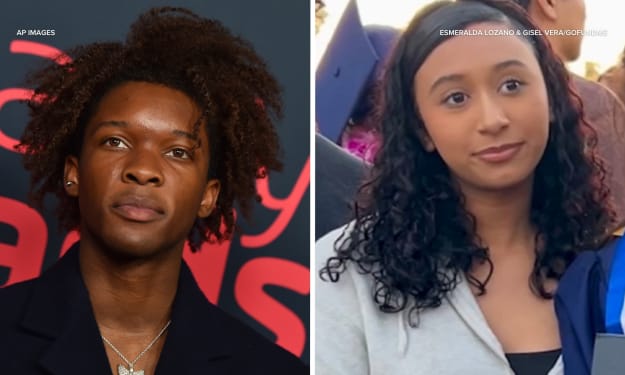
The high-gloss world of indie-pop and the gritty reality of a missing person’s investigation collided in a way that no one could have predicted when the name David Anthony Burke—known to millions as d4vd—suddenly appeared on a police report for all the wrong reasons. In a digital age where the distance between a fan and an idol is often just a Discord message away, the tragedy of Celest Rivas Hernandez has become a haunting case study in the dark underbelly of internet fame. What started as a local search for a runaway teenager in 2024 morphed into a nationwide scandal in late 2025, leaving the music industry in shock and the public demanding answers that the legal system is only beginning to provide.
By Teodor Monescu9 months ago in Criminal
The Charlie Kirk Phenomenon
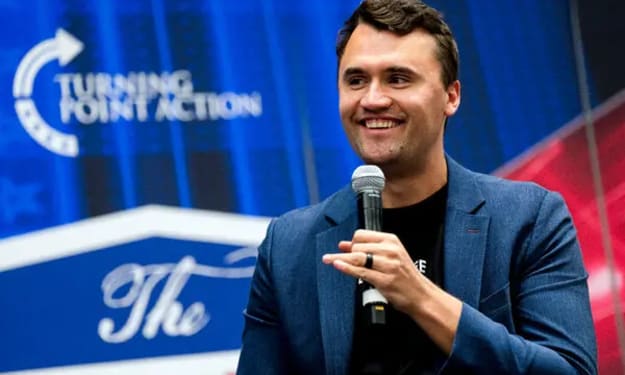
September 10, 2025, will be etched into the recent history of the United States not as a mere day of campaigning or academic debate, but as the moment when political polarization reached a point of no return. Charlie Kirk, one of the most influential and simultaneously controversial figures of modern conservatism, was the victim of a brutal assassination during a public event at Utah Valley University. This event did not just mark the tragic end of a 31-year-old thought leader; it triggered a wave of reactions that exposed deep social tensions, wild conspiracy theories, and a fierce debate about the limits of hatred in the digital age.
By Teodor Monescu9 months ago in Criminal
Federal Law Enforcement Shooting in Minneapolis Sparks National Debat
## **Federal Law Enforcement Shooting in Minneapolis Sparks National Debate** In early 2026, a serious incident unfolded in Minneapolis when federal law enforcement officers shot a civilian during a large-scale operation in the city. The event immediately drew public attention and ignited widespread discussion about the role of federal agencies, public safety, and accountability. The shooting occurred in a residential area, creating fear and confusion among residents and prompting strong reactions from local leaders and community groups. The presence of federal agents in Minneapolis was already controversial before the shooting took place. Their operation involved a significant number of officers and vehicles, transforming parts of the city into heavily monitored zones. When news broke that a civilian had been shot, the incident quickly became a focal point of national concern, especially given Minneapolis’s history with high-profile law enforcement encounters. **What Exactly Happened During the Minneapolis Incident?** According to initial accounts, federal officers were conducting an enforcement operation when gunfire was discharged, striking a civilian who was inside a vehicle. The precise sequence of events leading up to the shooting was not immediately clear, and conflicting reports circulated in the hours that followed. Witnesses described a tense atmosphere, with officers moving rapidly through the area and residents struggling to understand what was happening around them. **Why Were Federal Law Enforcement Officers in Minneapolis?** Federal agents were deployed as part of a broader enforcement action led by national authorities. The operation was described as one of the largest in the region, involving multiple federal agencies working together. Officials stated that the mission focused on enforcing federal law, while critics argued that the scale and visibility of the operation unnecessarily escalated tensions within local communities. **Who Was the Civilian Who Was Shot?** One of the most common questions from the public concerns the identity and condition of the civilian involved. Early reports confirmed that the individual was a woman who sustained gunshot wounds while inside a vehicle. Details about her identity and long-term condition were initially limited as authorities notified family members and medical teams provided treatment. The lack of immediate information contributed to public anxiety and speculation. **Was the Shooting Justified?** The question of justification remains central to the ongoing debate. Federal authorities indicated that the shooting occurred during an active operation and suggested that officers acted according to their training. However, local officials and civil rights advocates have called for a thorough and transparent investigation to determine whether the use of force was necessary or excessive. This debate reflects broader national concerns about when and how law enforcement should use lethal force. **How Did Local Leaders Respond?** City leaders reacted strongly to the incident. Minneapolis officials criticized the federal presence and expressed anger that such an operation took place without sufficient coordination with local authorities. Some leaders publicly demanded answers and accountability, while others called for federal agencies to reconsider how they operate within cities. These responses highlighted tensions between local governments and federal enforcement bodies. **How Did the Community React to the Shooting?** Residents near the scene reported fear, shock, and frustration. Protests quickly emerged, with community members demanding justice and transparency. Many expressed concern about the safety of civilians during large law enforcement operations, especially in densely populated neighborhoods. The shooting intensified existing mistrust between parts of the community and law enforcement institutions. **Is There an Ongoing Investigation?** Yes, investigations were launched to examine the circumstances surrounding the shooting. Multiple agencies became involved to ensure an independent review of the incident. Investigators are expected to analyze body camera footage, witness statements, and operational procedures to establish a clear timeline and determine responsibility. **What Does This Incident Mean for the Future?** The Minneapolis shooting has reignited national conversations about federal law enforcement practices, the use of force, and community safety. Many observers believe the incident could influence future policies, including how large-scale operations are planned and how federal agencies coordinate with local governments. It also raises questions about trust, transparency, and accountability in law enforcement. In conclusion, the federal law enforcement shooting in Minneapolis is more than a single incident. It represents a broader challenge facing cities across the United States as they navigate the balance between enforcing the law and protecting civilian lives. As investigations continue, the outcome may shape public policy and law enforcement practices for years to come.
By America today 9 months ago in Criminal
Tensions at Sea: The Russian Oil Tanker Seized by the United States in 2026
Tensions at Sea: The Russian Oil Tanker Seized by the United States in 2026 In early 2026, a Russian-flagged oil tanker was seized by the United States in the North Atlantic, attracting global attention. The vessel, originally called *Bella 1* and later renamed *Marinera*, had been monitored for weeks as it attempted to evade U.S. sanctions enforcement. This event has raised questions about international maritime law, geopolitical tensions, and the enforcement of economic restrictions on oil shipments. **Why Did the United States Target This Specific Tanker?** The primary reason the United States seized this tanker was due to its involvement in transporting oil from countries under sanctions, including Venezuela and Iran. The vessel had repeatedly changed flags and attempted to conceal its identity to avoid detection, making it part of what experts call a “shadow fleet.” U.S. authorities viewed these actions as deliberate attempts to bypass sanctions, threatening the effectiveness of economic restrictions and national security policies. The tanker became a high-priority target because its capture sends a message to other operators engaged in illicit oil transport. **Was the Tanker Carrying Oil at the Time of Seizure?** Reports indicate that the tanker was empty when intercepted. While this minimized immediate economic losses, it did not reduce the symbolic and strategic significance of the operation. The seizure demonstrated the U.S.’s determination to enforce sanctions rigorously and highlighted the risks faced by vessels attempting to circumvent international restrictions. Analysts note that even empty, the vessel represented a potential threat because of its history of sanctioned shipments. **Is the Seizure Legal Under International Law?** International maritime law generally protects ships under a nation’s flag. However, vessels operating under false registrations or engaged in illegal activities such as sanctions evasion may be subject to interception. U.S. authorities justified the seizure by citing the tanker’s use of a false flag and its history of sanction violations. Critics, including Russian officials, have condemned the action as an overreach that violates international norms. The legal debate underscores the tension between enforcing economic sanctions and respecting international maritime law. **Who Owns the Tanker, and Does Russia Claim It?** Ownership of the tanker is complex. The ship had been previously registered under another flag and operated under a different name before adopting Russian registration. Moscow publicly supported the vessel’s claim of affiliation, yet experts argue the flag change was largely strategic to avoid capture rather than a straightforward declaration of ownership. This situation complicates legal responsibility and emphasizes how vessel registrations can be manipulated to evade sanctions enforcement. **What Are the Geopolitical Implications of the Seizure?** The capture of the tanker has heightened tensions between the United States and Russia. It occurred amid ongoing debates over U.S. sanctions on Venezuela and other countries, demonstrating the willingness of the U.S. to act decisively against perceived sanction violations. The incident has drawn international scrutiny, with other nations closely monitoring how maritime sanctions are enforced and whether similar actions could escalate conflicts or provoke diplomatic disputes. **Could This Seizure Be Part of a Larger Pattern?** Yes. Observers note that the U.S. has increasingly pursued vessels suspected of sanctions evasion, tracking them across international waters. This is part of a broader strategy to limit revenue streams to sanctioned countries and entities while disrupting networks involved in illicit oil transport. Experts suggest that similar operations could continue, particularly against vessels suspected of moving oil illegally or attempting to conceal cargo from authorities. **What Happens to the Crew of the Tanker?** The fate of the tanker’s crew is another common question. U.S. authorities typically detain crews for questioning to determine involvement in illegal activity, but in many cases, they are treated according to international law and may be released after investigation if no direct wrongdoing is found. The crew’s experience underscores the personal risks associated with operating vessels engaged in sanctioned or illicit activities. **How Does This Affect Global Oil Markets?** Although the tanker was empty, its capture sends a clear signal to operators worldwide. It may deter other vessels from attempting to evade sanctions and reinforce the United States’ enforcement measures. While there is minimal immediate impact on global oil supply, the strategic message could influence future trading behaviors, shipping decisions, and compliance with international sanctions. In conclusion, the 2026 seizure of the Russian oil tanker reflects a complex intersection of maritime law, sanctions enforcement, and geopolitics. The operation highlights the challenges of regulating global oil shipments, the legal ambiguities of vessel registration and ownership, and the strategic importance of controlling revenue flows to sanctioned entities. As this story develops, it continues to spark debate and attention worldwide, illustrating the evolving nature of international sanctions enforcement and maritime security.
By America today 9 months ago in Criminal
Losing Sweet Holly. Content Warning.
Holly Cantrell was a mother of two boys and a wife to an ill husband. Holly was a Physical Therapist Technician at the McAlester Regional Health Center. She was a Bouncy Brunette with a fun sense of Humor. Holly made friends easily and often had lunch with friends at work. Friends, to have a charming Physical therapist while they are pushing and pulling on the sore parts, is such a good thing. But things were noticeably different one cold Friday Morning in January.
By Cassie Moore9 months ago in Criminal
Renée Hartevelt Was Eaten Alive After Death. Content Warning.
Renée Hartevelt was twenty-five years old when she walked into an apartment in Paris and never walked out. She was a Dutch exchange student at the Sorbonne, studying literature, surrounded by language and ideas meant to last longer than flesh ever could. Friends described her as warm, intelligent, unguarded. She believed people when they spoke to her kindly. That belief is what killed her.
By Aarsh Malik9 months ago in Criminal
Execution's Irony. Content Warning.
Robert Allen Brecheen wasn’t much of a thinker. At least it didn’t’ appear to be his strong suit when planning out important life events, including robbery. But I’m rushing to judgement, Friends! Forgive me, I’m ahead of myself.
By Cassie Moore9 months ago in Criminal