capital punishment
Weigh the pros, cons and controversies surrounding the grave issue of capital punishment; should the death penalty be allowed?
The Case of Hardister: A Tale of Repeated Offenses and Legal Encounters
The story of Hardister is a complex one, marked by a series of encounters with the law that span several years. This pattern of criminal behavior raises important questions about the criminal justice system, rehabilitation, and the factors that lead individuals to repeatedly offend. Hardister's journey through the legal system provides a window into the challenges of addressing recidivism and highlights the need for comprehensive solutions to break the cycle of crime. Early Offenses and Incarceration Hardister's documented interactions with the law began in 2012 when he was incarcerated for nine months for stealing a vehicle. This initial offense set the stage for a series of criminal activities that would follow. Vehicle theft, often driven by a combination of economic desperation, thrill-seeking, or substance abuse issues, is a serious crime that can have significant consequences for both the victim and the perpetrator. After serving his sentence, Hardister's troubles with the law were far from over. On February 15, 2013, he was arrested again, this time by a Tequesta police officer for an outstanding warrant from another jurisdiction. Warrants can be issued for a variety of reasons, including failure to appear in court, non-compliance with probation terms, or committing new offenses. Hardister's arrest for an outstanding warrant suggests a failure to comply with legal obligations, further complicating his legal standing and illustrating a disregard for the law. A String of Burglaries and Violations Just two days after his arrest in February 2013, Hardister was apprehended once more, this time on multiple charges, including burglary. Burglary, defined as unlawful entry into a building with intent to commit a crime, is a serious offense that can carry significant penalties. This incident marked the beginning of a troubling pattern of behavior that would see Hardister in and out of custody. In July 2013, Hardister was arrested for violating his probation. Probation violations can occur for numerous reasons, such as failing to meet with a probation officer, not attending mandated programs, or committing new crimes. Violating probation is a serious matter that often results in additional penalties and can extend the period of supervision or incarceration. Hardister's inability to adhere to the terms of his probation highlighted the challenges he faced in complying with legal and behavioral expectations. Approximately two months later, on September 23, Hardister found himself in trouble once more. Law enforcement officers took him into custody when they found him asleep in a pickup truck, believed to be stolen, parked in a Walmart lot. This incident is particularly telling, as it underscores a pattern of criminal behavior and a lack of stable, lawful conduct. The repeated involvement in vehicle theft points to deeper issues that need to be addressed to prevent future offenses. The Challenges of Recidivism Hardister's repeated offenses and interactions with the law highlight the broader issue of recidivism. Recidivism, or the tendency of a convicted criminal to reoffend, is a significant concern within the criminal justice system. Various factors contribute to recidivism, including socioeconomic conditions, lack of education or employment opportunities, substance abuse, and mental health issues. Addressing recidivism requires a multifaceted approach that goes beyond punitive measures. While incarceration may temporarily remove offenders from society, it does little to address the underlying causes of criminal behavior. Comprehensive rehabilitation programs, access to mental health and substance abuse treatment, educational and vocational training, and support systems for reintegration into society are crucial components in reducing recidivism rates. The Role of Rehabilitation Rehabilitation is a key element in preventing repeated criminal behavior. Effective rehabilitation programs aim to address the root causes of criminal activity and equip individuals with the skills and resources needed to lead law-abiding lives. For individuals like Hardister, who have demonstrated a pattern of offending, targeted interventions are essential. Substance abuse treatment programs can play a significant role in rehabilitation, particularly if addiction is a driving factor behind criminal behavior. Mental health services are equally important, as untreated mental health issues can contribute to a cycle of crime and incarceration. Additionally, educational and vocational training can provide individuals with the skills needed to secure stable employment, reducing the economic pressures that may lead to criminal activity. Community and Societal Support Breaking the cycle of recidivism also requires strong community and societal support. Communities can play a vital role in the reintegration process by offering support networks, mentorship programs, and opportunities for meaningful engagement. Societal attitudes towards former offenders must shift from punishment to rehabilitation, recognizing the potential for individuals to change and contribute positively to society. Employers, too, have a role to play in providing opportunities for individuals with criminal records. Offering fair hiring practices and providing support for employees in their reintegration efforts can make a significant difference in reducing recidivism rates. Employment provides not only financial stability but also a sense of purpose and belonging, which are critical for successful reintegration. Conclusion: The Path Forward The case of Hardister is a stark reminder of the challenges associated with repeated criminal behavior and the need for a comprehensive approach to addressing recidivism. While punitive measures are necessary to uphold the law and protect society, they must be balanced with efforts to rehabilitate offenders and address the underlying causes of their behavior. Investing in rehabilitation programs, mental health and substance abuse treatment, educational and vocational training, and community support can create pathways for individuals like Hardister to break free from the cycle of crime. By shifting the focus from punishment to rehabilitation and support, we can create a more just and effective criminal justice system that not only holds individuals accountable for their actions but also provides them with the tools and opportunities to lead productive, law-abiding lives. In the end, reducing recidivism benefits everyone—individuals, families, communities, and society as a whole. The story of Hardister, while troubling, serves as a call to action for a more compassionate and comprehensive approach to criminal justice, one that recognizes the potential for change and the importance of support in achieving it.
By Deji Akomolafe2 years ago in Criminal
The Spell is casted !
It all started when a young boy found himself living with a shaman , sheltering very deep in the forest , the shaman told him he has no parents as they were mysteriously killed when he was just a child and he's The one taking care of him since then. The shaman, whose name was Abelardo, took Karvani under his wing and raised him as his own. As Karvani grew older, Abelardo began to cast a spell on him every day, telling him that his purpose in life was to seek revenge on a rich woman and queen of their village named Sataroni. The shaman told Karvani that Sataroni was responsible for the death of his family, including his parents and younger sister. He painted a vivid picture of the Queen as a cruel and heartless ruler who had brought nothing but misery and suffering to their village. Abelardo is like a savior to karvani, teaching him the art of martial arts and instilling in him a deep sense of anger and hatred towards the Queen. Karvani grew up filled with rage and a burning desire to avenge his family's deaths. He trained tirelessly with the shaman, becoming a skilled fighter with incredible strength and agility. One fateful day, Sataroni visited the market in the village, and Karvani spotted her from afar. His eyes filled with rage and determination as he made his way towards the Queen's palace, intent on carrying out his revenge. However, the path to the Queen was not an easy one, as he faced off against a horde of guards who stood in his way. Despite being badly wounded, kavarni fought valiantly, taking down each guard with precision and skill. Finally, kavarni reached the Queen's inner chamber, where Sataroni stood surrounded by her guards. As he prepared to strike, the Queen's voice stopped him in his tracks. My son please wait and listen , promising that she had never harmed his family. Confused and conflicted, Kavarni hesitated, unsure of what to do. The Queen approached Karvani ,tears rolling down her face, and showed him a series of old photographs. To his astonishment, he saw images of himself as a young child, smiling and laughing with his family and the Queen. Memories flooded back to him, and he realized that the shaman had been lying to him all along. Sataroni revealed the truth to Karvani ,that the shaman, Abelardo, was actually a criminal who had led a group of assassins against her in a failed attempt on her life. She explained that on the day of the attack, Karvani had been given a gun to shoot the shaman as punishment, but had instead fired into the sky in a moment of panic and chaos. The Queen shared with Karvani that she had always cared for him and his family, and that she had been searching for him ever since that fateful day. and that it was the shaman who had manipulated him into seeking revenge. Overcome with emotion and confusion, Karvani embraced the Queen and his long-lost sister in a tearful reunion. The truth had set him free from the lies and manipulation of the shaman, and he finally understood the depths of his deception. Weeks later, Abelardo was apprehended once again, prince Karvani stood by Queen Sataroni's side as the shaman was brought to justice, finally receiving the bullet reward from the Prince. As Karvani settled back into village life, he learned the true meaning of family, forgiveness, and the power of love over hate. The young man who had once been consumed by revenge had now found peace in his heart. And though the scars of his past remained, Karvani knew that he had finally found his true purpose , to live a life of love, forgiveness and mercy . Please like and share your thoughts about this piece in the comment section
By ReadShakurr2 years ago in Criminal
The Heroic Act of Anthony Omari: A Tale of Bravery and Global Generosity
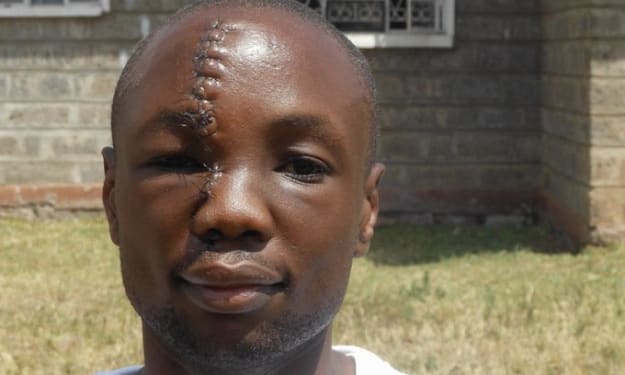
In the quiet village of Ngong, Kenya, a heroic act of bravery and selflessness took place that would capture the hearts of people around the world. Anthony Omari, a 24-year-old caretaker at the Faraja Children's Home, faced down three armed intruders to protect the orphaned children under his care. His courage and the subsequent outpouring of global support illustrate the power of human compassion and the extraordinary lengths to which individuals will go to help those in need. The Night of the Intrusion It was a night like any other at the Faraja Children's Home, where Anthony Omari worked tirelessly to provide a safe haven for orphaned and vulnerable children. The orphanage, run by a small staff and supported by local donations, was a sanctuary for those who had lost everything. Omari, known for his dedication and care, had become a father figure to many of the children. On that fateful night in 2012, the tranquility was shattered when three intruders armed with machetes broke into the orphanage. Their intentions were clear: they were there to rob and potentially harm anyone who stood in their way. Omari, hearing the commotion, sprang into action without a second thought for his own safety. His primary concern was the well-being of the children he had sworn to protect. A Fierce Battle Despite being outnumbered and facing heavily armed assailants, Omari confronted the intruders head-on. Armed with only a hammer, he fought fiercely to repel them. The confrontation was brutal, and Omari sustained a grievous wound—a deep gash on his face from a machete that would later require stitches for an 11-inch cut. His heroic efforts paid off. The intruders, likely shocked by Omari’s fearless resistance, eventually fled the scene. The children were safe, but Omari, weakened by his injuries, collapsed from blood loss. His bravery had come at a great personal cost, but he had succeeded in his mission to protect the children. A Story of Resilience and Inspiration As Omari recovered from his injuries, news of his courageous act began to spread. One person particularly moved by his story was Ben Hardwick, a 21-year-old Penn State student interning nearby. Hardwick had come to Kenya to make a difference, and he was deeply inspired by Omari’s bravery and selflessness. Determined to help, Hardwick decided to share Omari's story on Reddit, hoping to raise funds for a new, larger fence to enhance the orphanage’s security. His goal was modest—just $2,000. However, the response was anything but. The Power of Community The Reddit community, known for its ability to rally around worthy causes, was deeply moved by Omari’s story. Within 24 hours, the campaign had raised an astonishing $65,000, far exceeding the initial goal. People from all over the world contributed, each donation a testament to the global recognition of Omari’s heroism. The funds raised enabled significant improvements at the Faraja Children's Home. A new, secure fence was built, providing much-needed protection for the children. Additionally, the orphanage was able to make other critical upgrades, improving the overall living conditions for its residents. The Ripple Effect of Kindness The impact of Omari’s bravery and the subsequent fundraising campaign went beyond immediate physical improvements to the orphanage. It sparked a wave of goodwill and awareness about the challenges faced by orphaned children in Kenya and similar places around the world. The story highlighted the profound difference one person’s courage and another’s initiative can make, inspiring countless others to take action in their own communities. Ben Hardwick’s decision to share Omari’s story underscores the power of storytelling in driving social change. By leveraging the connectivity of social media, he was able to mobilize a global community to support a cause that might otherwise have gone unnoticed. This convergence of local heroism and global generosity serves as a powerful reminder of the interconnectedness of humanity. The Legacy of Anthony Omari Anthony Omari’s actions that night cemented his status as a local hero, but his impact resonates far beyond the borders of Kenya. His story is a beacon of hope and a powerful illustration of the human spirit’s capacity for courage and selflessness. The outpouring of support he received also highlights the importance of community—both local and global—in addressing and overcoming challenges. The funds raised not only improved the physical security of the Faraja Children's Home but also provided resources for better educational and recreational facilities. This holistic support has had a lasting positive effect on the lives of the children, giving them a safer environment in which to grow and thrive. Conclusion The story of Anthony Omari and the Faraja Children's Home is a testament to the incredible power of bravery, compassion, and community. Omari’s willingness to risk his life for the safety of the children he cared for is an extraordinary act of heroism. Meanwhile, Ben Hardwick’s initiative to share this story and the overwhelming response from the global community illustrate how interconnected we all are and how collective action can lead to significant positive change. In a world often fraught with negativity, the tale of Omari’s bravery and the subsequent support from strangers worldwide provides a heartening reminder of the good that exists in humanity. It shows that even in the face of danger and adversity, acts of kindness and courage can spark a chain reaction of generosity and support, leading to profound and lasting impacts on those in need.
By Deji Akomolafe2 years ago in Criminal
The Hilarious Misadventure of Rafael Valadao: A Prison Break Gone Wrong
In the history of prison escapes, some stories stand out not for their ingenuity or success, but for their sheer comedic value. One such tale is that of Rafael Valadao, a Brazilian inmate whose attempt to escape from his confines ended in a hilariously unfortunate manner. Valadao's botched prison break serves as a humorous reminder that even the best-laid plans can go hilariously awry. The Scene: A Brazilian Prison Rafael Valadao was serving time in a Brazilian prison, notorious for its overcrowded conditions and tough environment. Like many inmates, Valadao dreamt of freedom and plotted his escape with the help of a few fellow inmates. They concocted a plan that involved creating a hole in the prison wall, which they believed would provide them with a pathway to freedom. The plan seemed simple enough: create an opening big enough to crawl through, slip out undetected, and make a run for it. Unfortunately for Valadao, the execution of this plan would reveal a critical flaw that would turn him into an internet sensation. The Escape Attempt Under the cover of darkness, Valadao and his accomplices began chipping away at the wall of their cell. With makeshift tools, they worked tirelessly, driven by the promise of freedom on the other side. Hours of labor finally paid off as they managed to create a hole large enough for a man to squeeze through. One by one, the inmates crawled through the opening. However, when it was Valadao's turn, things took a decidedly comedic turn. Valadao, it seemed, had underestimated the size of the hole relative to his own physique. As he attempted to wriggle his way through, he found himself hopelessly stuck. The Humorous Predicament Valadao's plight quickly became apparent to his fellow inmates, who found themselves in a mix of panic and amusement. The sight of the muscular Valadao, his torso wedged tightly in the wall, unable to move forward or backward, was undoubtedly a scene straight out of a slapstick comedy. As Valadao struggled to free himself, his fellow inmates tried to assist, but their efforts were in vain. The situation escalated to the point where the prison guards were alerted to the escape attempt. Upon arriving at the scene, they were greeted by the sight of Valadao, firmly stuck in the wall, a look of both frustration and embarrassment on his face. The Aftermath News of Valadao's failed escape quickly spread beyond the prison walls, capturing the attention of the media and the public. Photographs of the hapless inmate, half in and half out of the wall, circulated widely on social media, turning him into an overnight sensation. Headlines around the world chronicled the bizarre escape attempt, often with a humorous twist. Valadao's predicament also highlighted some serious issues within the Brazilian prison system, including overcrowding and the conditions that drive inmates to such desperate measures. While his escape attempt provided a moment of levity, it also underscored the need for reforms in the penal system to address the root causes of such incidents. The Psychology Behind Escape Attempts Prison escapes, while often depicted in popular media as thrilling and dramatic, are usually the result of desperation rather than clever planning. Inmates like Valadao, facing long sentences and harsh conditions, often see escape as their only chance at a better life. The psychological strain of incarceration can drive individuals to take extreme risks, even when the odds of success are slim. Valadao's story is a prime example of how the human spirit's yearning for freedom can lead to both ingenuity and folly. Despite the clear risks and the potential for failure, the drive to escape remains strong among inmates, fueled by hope and a desire to reclaim their autonomy. Public Reaction The public reaction to Valadao's failed escape was a mix of amusement and sympathy. Many people found the story entertaining, a break from the usual grim news. Social media was abuzz with memes and jokes about the incident, with many people marveling at the sheer absurdity of the situation. However, there was also a deeper, more reflective response. Some commentators pointed out that Valadao's plight was a symptom of a larger problem within the prison system. They called for improvements in prison conditions and more humane treatment of inmates to prevent such desperate escape attempts. Valadao's Legacy While Rafael Valadao may not have achieved his goal of freedom, he did inadvertently shine a spotlight on important issues within the prison system. His story serves as a humorous reminder of the unpredictability of life and the human capacity for resilience, even in the face of failure. In the end, Valadao's failed escape became more than just a comedic anecdote; it became a symbol of the need for change. His misadventure is a testament to the power of humor to highlight serious issues and the enduring human spirit that drives us to seek freedom, no matter the odds. Conclusion Rafael Valadao's attempt to escape prison by squeezing through a wall will go down in history as one of the most comically unsuccessful prison breaks. His story, while amusing, also draws attention to the harsh realities of prison life and the lengths to which inmates will go to seek freedom. As we laugh at the absurdity of his predicament, let us also remember the underlying issues that drive such desperate actions and consider the reforms needed to create a more just and humane penal system.
By Deji Akomolafe2 years ago in Criminal
The Final Flight of the Night Stalker: Richard Ramirez's Dramatic Capture
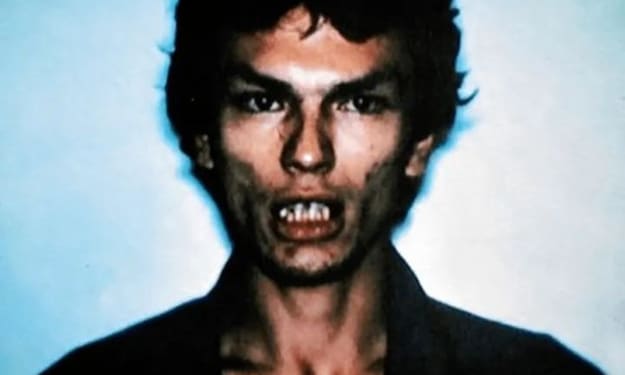
On August 31, 1985, one of the most notorious serial killers in American history, Richard Ramirez, experienced a dramatic and unexpected turn of events. Known as the Night Stalker, Ramirez had terrorized California, leaving a trail of at least 14 brutal murders, numerous assaults, and countless nightmares in his wake. However, his reign of terror came to an abrupt end in a way that could have been lifted straight from a Hollywood thriller. The Night Stalker’s Reign of Terror Richard Ramirez's crime spree began in 1984 and quickly escalated in both brutality and frequency. His methods were chilling and varied, ranging from shootings and stabbings to sexual assaults and bludgeonings. He would break into homes in the dead of night, attacking his victims with a sadistic relish that earned him his infamous nickname. His crimes were characterized by their randomness and cruelty, instilling a deep fear across California, particularly in Los Angeles and San Francisco. The Turning Point Despite an intense manhunt, Ramirez remained elusive for over a year. However, a critical break in the case came when a fingerprint lifted from a stolen car linked him to the crimes. Authorities also managed to obtain a mugshot from a prior arrest, which they then circulated widely. On August 30, 1985, police held a press conference to reveal the identity of the Night Stalker: Richard Ramirez. His photograph was published in newspapers and broadcast on television across the state. This widespread dissemination of his image set the stage for his downfall. The Fateful Morning of August 31, 1985 Unaware of the massive manhunt and his new-found notoriety, Ramirez returned to Los Angeles after a trip to Tucson, Arizona. On the morning of August 31, he entered a convenience store in East Los Angeles, thinking he could blend in with the ordinary shoppers. But fate had other plans. As Ramirez scanned the headlines, he was confronted with the grim reality: his own face stared back at him from the front page of a newspaper. Panic set in as he realized that his anonymity had been shattered. His heart raced, and his instincts kicked in. He bolted from the store, running for his life through the crowded streets of East Los Angeles. The Chase and Capture Ramirez's attempt to flee was short-lived. His face had been plastered all over the media, and people recognized him almost immediately. A group of bystanders, aware of the ongoing manhunt and recognizing Ramirez from the media coverage, took matters into their own hands. The chase through East Los Angeles was chaotic. Ramirez attempted to carjack several vehicles but was thwarted by alert and determined residents. The community banded together, with more and more people joining the pursuit, shouting and pointing, ensuring that the police would soon be on his trail. In a dramatic turn of events, Ramirez was eventually cornered by a group of residents. They overpowered him, beating him into submission until the police arrived. It was a moment of community triumph, a testament to the power of a united front against a common enemy. The Night Stalker, who had instilled so much fear and suffering, was finally in custody. The Trial and Aftermath Richard Ramirez's capture marked the end of a horrific chapter in California's history, but the saga was far from over. His trial became a media sensation, drawing attention from across the nation. Ramirez's demeanor in court was chilling; he showed no remorse, often flashing a pentagram he had drawn on his hand and making satanic gestures. The trial lasted over a year and included harrowing testimonies from survivors and detailed accounts of his brutal crimes. In 1989, Ramirez was convicted of 13 counts of murder, 5 counts of attempted murder, 11 counts of sexual assault, and 14 counts of burglary. He was sentenced to death, with the judge famously stating, "It's time for the Night Stalker to die, and I mean by the law." Ramirez spent the rest of his life on death row at San Quentin State Prison, where he continued to attract attention and controversy. He remained unrepentant, showing no remorse for his actions until his death in 2013 from complications related to B-cell lymphoma. Reflections on a Community’s Strength The capture of Richard Ramirez stands out not only for its dramatic nature but also for the collective effort that led to his downfall. It was the vigilance and bravery of ordinary citizens that brought an end to his reign of terror. Their actions serve as a powerful reminder that even in the face of overwhelming fear and danger, a united community can triumph over evil. The story of Richard Ramirez, from his horrific crimes to his dramatic capture, continues to fascinate and horrify. It serves as a stark reminder of the darkness that can lurk within individuals and the extraordinary resilience and courage of those who stand against it. The final flight of the Night Stalker, marked by his desperate attempt to escape and the community’s unwavering resolve, remains one of the most memorable episodes in the annals of American criminal history.
By Deji Akomolafe2 years ago in Criminal
The Chilling Tale of Kathrine Knight: Australia's First Woman Sentenced to Life Without Parole
Kathrine Knight's story is one of the most gruesome and chilling criminal cases in Australian history. As the first woman in the country to be sentenced to life imprisonment without the possibility of parole, Knight's brutal murder of her partner, John Price, shocked the nation. Her crime was not only horrific in its violence but also in its disturbing aftermath, which involved an attempt to serve Price's head with a pot of vegetables to his children. This blog post delves into the harrowing details of Kathrine Knight's life, the murder of John Price, and the legal aftermath that led to her unprecedented sentence. Early Life and Background Kathrine Mary Knight was born on October 24, 1955, in Tenterfield, New South Wales, Australia. She grew up in an unstable and abusive environment. Her father, Ken Knight, was an alcoholic who regularly abused her mother, Barbara Roughan. This tumultuous upbringing left deep psychological scars on Kathrine, which would later manifest in her violent behavior. Despite her troubled childhood, Knight managed to secure employment at a local abattoir, where she quickly rose through the ranks due to her skill with knives. Her proficiency with these tools earned her a reputation and several promotions, but it also fed her fascination with violence and death. A Series of Violent Relationships Knight's relationships were marked by intense violence and instability. She married her first husband, David Kellett, in 1974. Kellett was also an alcoholic, and their marriage was fraught with violent altercations. Knight's temper was legendary; on one occasion, she attempted to strangle Kellett on their wedding night. The marriage eventually ended in divorce after several years of turmoil. Her subsequent relationships followed a similar pattern of violence and abuse. Knight's partners often found themselves on the receiving end of her violent outbursts. Despite these warning signs, she managed to enter into a relationship with John Price in the late 1990s. The Relationship with John Price John Price, known as "Pricey," was a father of three and a well-liked member of the Aberdeen community. He began dating Knight in 1995, fully aware of her violent tendencies. Despite initial warnings from friends and family, Price continued the relationship, believing he could handle her volatile behavior. As their relationship progressed, Knight's behavior became increasingly erratic and violent. Price eventually sought to end the relationship, but Knight was unwilling to let him go. In February 2000, Knight stabbed Price in the chest during an argument. Although he survived the attack, Price obtained a restraining order against her and told his colleagues that if he ever went missing, it would be because Knight had killed him. The Murder of John Price On the night of February 29, 2000, Kathrine Knight entered John Price's home while he slept. She had prepared extensively for the attack, including sending her children away for the night. Knight stabbed Price at least 37 times with a butcher's knife, inflicting fatal wounds. The horror did not end there. Knight skinned Price's body and hung his skin on a meat hook in the living room. She then decapitated him and placed his head in a pot on the stove, surrounded by vegetables. Her intention was to serve this gruesome meal to Price's children when they returned home. Discovery and Arrest John Price's colleagues became concerned when he failed to show up for work the next morning. They alerted the police, who arrived at Price's home to find a scene of unimaginable horror. Knight was found unconscious on the floor, having taken a large dose of pills in an apparent suicide attempt. She was arrested and charged with the murder of John Price. The police officers who discovered the crime scene were deeply traumatized by what they found. The brutality and macabre nature of the murder left a lasting impact on all those involved in the investigation. Trial and Sentencing Kathrine Knight's trial began in October 2001. She initially pled not guilty but later changed her plea to guilty, avoiding the need for a full trial. The evidence against her was overwhelming, and her plea change was seen as an attempt to avoid further scrutiny of her actions. On November 8, 2001, Justice Barry O'Keefe sentenced Kathrine Knight to life imprisonment without the possibility of parole. In his sentencing remarks, Justice O'Keefe stated that Knight's crime was "appalling and almost beyond contemplation in a civilized society." He described her as "a very dangerous person" and emphasized the need to protect the community from her violent tendencies. Aftermath and Legacy Kathrine Knight is currently incarcerated at the Silverwater Women's Correctional Centre in New South Wales. Her case remains one of the most shocking examples of domestic violence and murder in Australian history. It has been the subject of numerous books, documentaries, and true crime shows, each attempting to understand the mind and motives of a woman capable of such brutality. The story of Kathrine Knight serves as a grim reminder of the potential for extreme violence in domestic relationships. It highlights the importance of recognizing warning signs and taking action to protect victims of abuse. While Knight's life sentence ensures she will never harm another person, the memory of her crime continues to haunt those who knew John Price and the broader community. Conclusion Kathrine Knight's case is a chilling example of human cruelty and the darkest depths of domestic violence. Her brutal murder of John Price and the gruesome aftermath shocked a nation and led to her being the first woman in Australia sentenced to life imprisonment without parole. As we reflect on this tragic story, it is essential to remember the victims of domestic violence and work towards preventing such horrors in the future.
By Deji Akomolafe2 years ago in Criminal
The Unexpected Thief: Polyana Viana's Encounter in Rio de Janeiro. Content Warning.
In the bustling city of Rio de Janeiro, Brazil, where the vibrant culture and scenic landscapes often mask the darker undercurrents of crime, an unexpected hero emerged from an ordinary day. Polyana Viana, a 27-year-old mixed martial arts (MMA) fighter, found herself in the spotlight for an incident that could easily be a scene from an action movie. With a professional record of 10 wins and 4 losses, Viana demonstrated that her prowess in the octagon is just as effective in real-life situations. The Incident It was a day like any other in Rio de Janeiro, and Viana was standing alone outside her home. The tranquility of the moment was abruptly shattered when a thief approached her, likely seeing an opportunity in what he perceived as a lone, defenseless woman. Unbeknownst to him, he had chosen the worst possible target. Polyana Viana, known for her fighting skills in the MMA world, was ready to defend herself. The thief attempted to threaten her, possibly expecting compliance. Instead, he encountered resistance of an extraordinary kind. Viana’s response was swift and decisive. "I threw two punches and a kick. He fell, then I caught him in a rear-naked choke. Then I sat him down in the same place we were before and said, ‘Now we’ll wait for the police.’” The Technique To understand the effectiveness of Viana’s response, it’s essential to appreciate her background and training. The punches and kick she delivered were not random acts of violence but precise, controlled movements honed through years of training. The rear-naked choke, a submission hold commonly used in MMA, effectively immobilized the thief without causing unnecessary harm. This technique involves wrapping an arm around the opponent’s neck and applying pressure, cutting off their air supply until they submit or are incapacitated. Viana’s restraint in handling the situation is notable. After neutralizing the threat, she chose not to continue using force but instead ensured the thief remained subdued until authorities arrived. This level-headed approach highlights not just her physical capabilities but also her mental discipline. The Aftermath The thief, likely shocked and in pain, had no choice but to comply with Viana’s command to wait for the police. When the authorities arrived, they found a subdued and likely regretful criminal. The story quickly made headlines, capturing the imagination of people around the world. Social media buzzed with admiration for Viana’s bravery and skill, and she became a symbol of empowerment and self-defense. Polyana Viana: Beyond the Fight Polyana Viana’s encounter with the thief is just one chapter in a life dedicated to martial arts. Born in São Geraldo do Araguaia, Brazil, Viana started training in Brazilian Jiu-Jitsu, a martial art known for its focus on ground fighting and submission holds. She later transitioned to mixed martial arts, where her skills in striking and grappling earned her recognition and respect in the MMA community. Her professional record of 10 wins and 4 losses is a testament to her dedication and hard work. Each fight represents countless hours of training, discipline, and overcoming physical and mental challenges. Viana’s journey in the MMA world is marked by resilience and a relentless pursuit of excellence, qualities that were on full display during her encounter with the would-be thief. The Broader Implications Viana’s story resonates on multiple levels. It serves as a powerful example of self-defense, particularly for women. In a world where physical threats are a reality for many, knowing how to protect oneself can be empowering. Viana’s actions demonstrate that martial arts training can be an invaluable tool in personal safety. Moreover, her story underscores the importance of preparedness and confidence. Viana’s ability to stay calm and execute her training under pressure is a lesson in the power of composure. In moments of crisis, the ability to think clearly and act decisively can make all the difference. Public Reaction The public reaction to Viana’s story was overwhelmingly positive. People from all walks of life praised her courage and skill. Many women expressed a newfound interest in learning self-defense techniques, inspired by Viana’s example. The incident also sparked conversations about crime and safety in urban areas, highlighting the need for awareness and preparedness. Conclusion Polyana Viana’s encounter with a thief outside her home in Rio de Janeiro is more than just a story of an MMA fighter defending herself. It is a narrative of empowerment, skill, and the unexpected ways in which life can test our abilities. Viana’s actions reflect the strength and resilience that lie within each of us, ready to be called upon when needed. Her story encourages us to pursue our passions, hone our skills, and stay prepared for life’s unpredictable moments. Whether in the octagon or on the streets of Rio de Janeiro, Polyana Viana exemplifies the spirit of a true fighter, always ready to stand her ground and face challenges head-on.
By Deji Akomolafe2 years ago in Criminal