Latest Stories
Most recently published stories in Criminal.
Donald Trump and the Iranian File: Policies, Tensions, and Public Questions
Donald Trump and the Iranian File: Policies, Tensions, and Public Questions Donald Trump’s approach to the Iranian file marked one of the most controversial chapters in modern US foreign policy. During his presidency, relations between the United States and Iran shifted dramatically, moving away from diplomacy toward pressure and confrontation. Trump’s decisions reshaped the Middle East landscape, affected global energy markets, and sparked intense debate both inside and outside the United States. Understanding Trump and the Iranian file requires examining his strategy, its consequences, and the questions people most frequently ask. **What Was Donald Trump’s Policy Toward Iran** Donald Trump adopted a policy of maximum pressure toward Iran. This strategy aimed to weaken Iran economically and politically in order to force changes in its behavior. The administration focused on limiting Iran’s influence in the Middle East, reducing its financial resources, and pushing it to renegotiate key agreements. Supporters viewed this approach as firm and necessary, while critics argued it increased instability. **Why Did Trump Withdraw From the Iran Nuclear Deal** One of the most searched questions concerns Trump’s decision to withdraw from the Iran nuclear deal. Trump argued that the agreement was flawed and failed to address Iran’s regional activities and missile program. He believed the deal gave Iran economic relief without permanently preventing it from pursuing nuclear capabilities. This withdrawal became a defining moment in US Iran relations and significantly escalated tensions. **How Did Sanctions Affect Iran Under Trump** Sanctions were a central tool in Trump’s Iran strategy. The reimposition of economic sanctions targeted Iran’s oil exports, banking system, and key industries. These measures placed significant pressure on Iran’s economy and daily life. Many people search for information about how these sanctions influenced Iran’s currency, employment, and political decisions, as well as how they affected ordinary citizens. **Did Trump’s Iran Policy Increase Regional Tensions** Another common question is whether Trump’s approach increased tensions in the Middle East. Relations between the US and Iran became more hostile, with incidents involving military forces, threats, and diplomatic standoffs. Supporters argue the pressure deterred Iran, while critics believe it brought the region closer to conflict. The period was marked by uncertainty and heightened security concerns. **How Did Trump Justify His Tough Stance on Iran** Trump often justified his position by emphasizing national security and protecting US allies. He argued that a strong stance would prevent Iran from becoming more powerful and reduce its ability to support armed groups in the region. His messaging focused on strength, deterrence, and economic leverage rather than compromise. This rhetoric resonated with some voters while alarming others. **What Was the International Reaction to Trump’s Iran Policy** The international response to Trump’s handling of the Iranian file was mixed. Some countries supported a tougher line, while others favored continued diplomacy. Differences emerged between the United States and its traditional allies, creating debates about leadership and global cooperation. These reactions are frequently searched by people trying to understand how global politics shifted during this period. **Did Trump’s Policy Change Iran’s Behavior** Many people ask whether Trump’s strategy actually changed Iran’s behavior. While economic pressure increased, Iran continued to assert its regional influence. Critics argue that the policy failed to achieve clear long-term results, while supporters claim it limited Iran’s financial capacity. The effectiveness of this approach remains a subject of ongoing debate. **What Is the Long Term Impact of Trump and the Iranian File** The long-term impact of Trump’s decisions continues to influence US Iran relations. His presidency reshaped expectations about diplomacy, sanctions, and the use of pressure in foreign policy. Future administrations inherited a complex situation shaped by years of mistrust and confrontation.
By America today 8 months ago in Criminal
Boosie Badazz Will Not Go To Prison Over His Federal Gun Case
In 2023, law enforcement authorities sought to have Boosie Badazz locked down for gun charges. Because he is a convicted felon, he may not possess any firearms. At a traffic stop, officials found multiple guns following seeing a handgun in the waistline of Boosie’s trousers.
By Skyler Saunders8 months ago in Criminal
Navy Shipman "Unidentifiable" After He Was Beaten to Death Because He Was Gay. Content Warning.
Before the military created the "Don't Ask, Don't Tell" policy in 1993, gay and lesbian individuals were forbidden to serve. Commanders were legally required to report any members they suspected of being homosexual. An investigation would occur, and the individual could be dismissed from service, even if they had an otherwise impeccable record.
By Criminal Matters8 months ago in Criminal
Shadows on the Arkansas – A Mechanic's Fight for Justice
It was in a tranquil place called Muskogee, Oklahoma, where the Arkansas River took its sweet time flowing through cotton fields, and the sound of freight trains far away mixed with the warm air, that a certain man, Jack Harlan, made his residence. Jack was a mechanic whose activity responded to the demands of the farmers living in the area by working on old pickups and tractors. He could endure hard labor, but life sometimes presented him with challenges in a straightforward manner, and that night marked one such occasion when he got a curveball hurled directly at him.
By CEO A&S Developers8 months ago in Criminal
Shooting Involving ICE Agents in Portland: What We Know So Far
## Shooting Involving ICE Agents in Portland: What We Know So Far A shooting involving Immigration and Customs Enforcement agents, commonly known as ICE, took place in Portland, Oregon and quickly drew national attention. The incident raised serious questions about federal law enforcement operations, use of force, and the relationship between federal agencies and local communities. As details emerged, the event became a focal point for public debate, political reaction, and calls for transparency. The shooting happened during a law enforcement operation that involved federal officers attempting to stop a vehicle. Gunfire was exchanged, leaving two people injured and triggering an immediate response from emergency services and local authorities. While no local police officers fired shots, Portland officials confirmed that federal agents were responsible for the use of force. **What Happened During the Portland ICE Shooting?** According to official statements, federal agents attempted to stop a vehicle as part of a targeted operation. During the encounter, agents claimed that the situation escalated rapidly and that they felt threatened. Gunfire was then discharged, striking two individuals inside the vehicle. Both victims were later transported to a hospital for medical treatment. Authorities stated that the vehicle was able to move away from the immediate scene after the shots were fired, and emergency responders were called shortly afterward. The area was temporarily secured as investigators began gathering evidence and interviewing witnesses. **Who Was Involved in the Incident?** The shooting involved federal immigration enforcement officers operating in Portland. These agents were conducting an operation that did not include the Portland Police Bureau. City officials later confirmed that local law enforcement did not participate in the shooting itself. The individuals who were shot were civilians inside the vehicle that ICE agents attempted to stop. Their identities were not immediately released, and officials limited early details as the investigation began. **Why Did ICE Agents Open Fire?** Federal officials stated that agents opened fire because they believed their lives were in danger. According to their account, the driver of the vehicle allegedly attempted to use the car in a way that posed a threat to officers. This claim became a central point of scrutiny, as community leaders and civil rights advocates called for clear evidence and transparency. Critics argued that the use of lethal force raised concerns, especially in a city where tensions between federal agencies and residents have existed for years. The justification for the shooting remains under investigation. **What Is the Condition of the Injured Individuals?** Both people who were shot were taken to a hospital for treatment. Officials confirmed that they survived the incident, but specific details about the severity of their injuries were not immediately disclosed. Medical staff focused on stabilizing the victims while law enforcement agencies continued their review. Updates on their condition were limited in the early stages, fueling public concern and demands for more information. **How Did Local Officials Respond?** Portland city leaders reacted quickly, emphasizing that they were not informed in advance about the federal operation. The mayor and other officials expressed concern about the presence and actions of federal agents in the city. They called for a full and independent investigation to determine whether the use of force was justified. Local leaders also urged residents to remain calm while facts were gathered. Statements from city officials highlighted the importance of accountability and clear communication between federal agencies and local governments. **How Did the Public React to the Shooting?** The shooting sparked strong public reaction across Portland. Demonstrations formed as residents gathered to protest federal law enforcement actions and demand answers. Many protesters expressed frustration over what they viewed as aggressive tactics used by ICE and a lack of transparency surrounding the incident. Community groups and activists called for peaceful protests while urging authorities to respect civil rights. The incident reignited long-standing debates in Portland over immigration enforcement and federal involvement in local affairs. **What Investigations Are Underway?** A federal investigation was launched to examine the actions of the ICE agents involved. Investigators are reviewing body camera footage, witness statements, and physical evidence to reconstruct the sequence of events. The goal is to determine whether proper procedures were followed and whether the use of force complied with federal guidelines. State officials also signaled interest in reviewing the incident to ensure that all legal standards were met. Results of these investigations are expected to play a key role in shaping public understanding and potential policy responses. **Why Is This Incident Significant?** The Portland ICE shooting is significant because it highlights broader national issues surrounding immigration enforcement, federal authority, and public trust. It occurred at a time when scrutiny of law enforcement practices is high, and it added to ongoing discussions about the limits of federal power in local communities. For many residents, the incident reinforced concerns about safety, accountability, and transparency. For others, it raised questions about how federal agents operate and how such operations can be conducted without escalating into violence. **What Happens Next?** As investigations continue, officials are expected to release more information about the incident. Public pressure remains strong, with calls for clear explanations and potential reforms. The outcome of the investigations may influence future federal operations in Portland and shape discussions about law enforcement practices nationwide. The shooting involving ICE agents in Portland remains a developing story, one that reflects deeper tensions and challenges facing modern law enforcement in the United States.
By America today 8 months ago in Criminal
Donald Trump Threatens to Strike Mexico: A New Escalation in Political Rhetoric
Donald Trump Threatens to Strike Mexico: A New Escalation in Political Rhetoric Recent statements attributed to former US President Donald Trump have sparked widespread debate after he suggested the possibility of military action against Mexico. The comments, framed around combating drug cartels and cross-border crime, immediately drew attention from media outlets, political analysts, and the public. While such remarks are not entirely new in Trump’s political style, the idea of striking a neighboring sovereign nation has raised serious concerns about diplomacy, international law, and regional stability. WHY DID TRUMP THREATEN TO STRIKE MEXICO Trump’s threat is rooted in his long-standing criticism of Mexico’s handling of drug trafficking and illegal immigration. He has repeatedly accused Mexican authorities of failing to stop powerful drug cartels that smuggle fentanyl and other narcotics into the United States. According to Trump, these cartels represent a direct national security threat, and extraordinary measures may be necessary to confront them. By floating the idea of military action, he positions himself as tough on crime and uncompromising on border security, themes that strongly resonate with his political base. IS TRUMP SERIOUS ABOUT MILITARY ACTION Many experts believe Trump’s comments are more rhetorical than operational. Historically, Trump has used provocative language to dominate headlines and frame himself as a decisive leader. However, even rhetorical threats carry weight, especially when they involve military force. While launching strikes against Mexico would face enormous legal, political, and logistical barriers, the seriousness lies in how such statements normalize extreme solutions and shift public discourse toward confrontation rather than cooperation. HOW DID MEXICO RESPOND TO THE THREAT Mexican officials have firmly rejected any suggestion of foreign military intervention. Leaders emphasized national sovereignty and stated that security challenges must be addressed through bilateral cooperation, intelligence sharing, and economic development. Mexico has consistently argued that drug consumption within the United States is a major driver of cartel power, making it a shared responsibility rather than a unilateral failure. Trump’s remarks were viewed by many in Mexico as disrespectful and politically motivated. WHAT WOULD A STRIKE MEAN FOR US MEXICO RELATIONS Any military action against Mexico would severely damage diplomatic relations between the two countries. The United States and Mexico share one of the most important trade relationships in the world, along with deep cultural, economic, and security ties. A strike would likely end security cooperation agreements, disrupt trade, and fuel anti-American sentiment across Latin America. Even discussing such a move creates uncertainty that can affect markets, migration policy, and regional alliances. CAN A US PRESIDENT LEGALLY ATTACK MEXICO Under international law, attacking another country without its consent or a clear act of self-defense would violate established norms. Domestically, a US president would face strong opposition from Congress, the military, and the intelligence community. Mexico is not officially considered an enemy state, and launching attacks on its territory would require extraordinary justification. Legal experts argue that targeting cartels inside Mexico without approval would set a dangerous precedent. HOW DID AMERICANS REACT TO TRUMP’S COMMENTS Public reaction in the United States has been sharply divided. Supporters praised Trump’s aggressive stance, arguing that traditional approaches have failed to stop drug trafficking. Critics, however, warned that such threats are reckless and could lead to unnecessary conflict. Many Americans expressed concern about escalating violence and the potential loss of life, both civilian and military. The comments also reignited debates about border policy, immigration, and the limits of presidential power. WHAT DOES THIS MEAN FOR THE 2024 ELECTION AND BEYOND Trump’s threat fits into a broader campaign strategy focused on law and order, national strength, and border control. By proposing extreme measures, he distinguishes himself from political rivals and keeps media attention focused on his agenda. Regardless of whether such actions ever materialize, the rhetoric itself influences public opinion and international perceptions of US foreign policy. It signals a willingness to challenge norms and could shape future debates about how the United States addresses transnational crime. In conclusion, Trump’s threat to strike Mexico represents more than a controversial soundbite. It highlights deep frustrations over drug trafficking, exposes fragile diplomatic balances, and underscores how powerful political language can be. Even without action, the consequences of such statements ripple far beyond campaign speeches, affecting trust, stability, and the future of US-Mexico relations.
By America today 8 months ago in Criminal
Iran Protests: Causes, Dynamics, and Their Impact on Society and Politics
**Iran Protests: Causes, Dynamics, and Their Impact on Society and Politics** Iran has experienced recurring waves of protests over the past years, reflecting deep social, economic, and political tensions within the country. These demonstrations are not isolated events but part of a broader pattern of public frustration that has emerged as Iranians respond to rising living costs, restrictions on personal freedoms, political grievances, and dissatisfaction with governance. The protests vary in size, intensity, and duration, yet they share common roots that reveal much about the challenges facing Iranian society today. One of the main drivers behind protests in Iran is economic pressure. Inflation, unemployment, and currency devaluation have placed a heavy burden on ordinary citizens. Many families struggle to afford basic necessities, and young people in particular face limited job opportunities despite high levels of education. Economic grievances often act as a spark for protests, especially when sudden price increases or policy changes directly affect daily life. In many cases, demonstrations that begin over economic concerns gradually evolve into broader expressions of political discontent. Another significant factor behind the protests is the issue of social and personal freedoms. Restrictions on expression, dress codes, and lifestyle choices have long been a source of tension, especially among younger generations and urban populations. For many protesters, demonstrations are not only about economic survival but also about dignity, autonomy, and the desire for greater individual rights. Social media and digital communication have played an important role in amplifying these voices, allowing protesters to share experiences and mobilize support despite state controls. Political dissatisfaction is also central to understanding Iran’s protest movements. Many protesters express frustration with the political system, feeling that their voices are not adequately represented and that meaningful reform is difficult to achieve through official channels. Election outcomes, perceived lack of transparency, and limited political competition have fueled skepticism about institutional change. As a result, protests become one of the few visible ways for citizens to express dissent and demand accountability. The response of authorities to protests has a major influence on how these movements develop. Security measures, arrests, and restrictions on communication are often used to contain demonstrations. Such responses can discourage participation in the short term, but they may also deepen public resentment and reinforce the sense of injustice among protesters. In some cases, strong crackdowns have drawn international attention and intensified debates about human rights and state power. Iran’s protest movements are notable for their diversity. Participants come from different social classes, regions, and age groups. While urban centers often see the largest gatherings, smaller towns and rural areas have also witnessed demonstrations, particularly when economic conditions worsen. Women and young people frequently play a visible role, highlighting generational shifts in attitudes and expectations. This diversity makes the protests difficult to characterize as a single unified movement, yet it also demonstrates the widespread nature of dissatisfaction. International factors indirectly shape the protest landscape as well. Economic sanctions, diplomatic tensions, and regional conflicts affect Iran’s economy and political environment, influencing public perceptions of both domestic leadership and foreign powers. While protests are largely driven by internal issues, external pressures can intensify hardships and contribute to public anger. At the same time, authorities often frame protests within a narrative of foreign interference, which resonates with some segments of the population but is rejected by others. The long-term impact of protests in Iran remains uncertain. Some movements fade after a period of intense activity, while others leave lasting marks on public discourse and policy. Even when immediate demands are not met, protests can shift social norms, raise awareness, and gradually influence how people think about rights, governance, and participation. They also reveal underlying tensions that continue to shape the relationship between the state and society. In conclusion, protests in Iran are a complex and evolving phenomenon rooted in economic hardship, demands for social freedom, and political dissatisfaction. They reflect a society in which many citizens are seeking change, recognition, and a better quality of life. While the outcomes of these protests vary, their persistence suggests that the issues driving them remain unresolved. Understanding these movements provides insight into the challenges facing Iran today and the aspirations of its people for the future.
By America today 8 months ago in Criminal
"Mean Nadean". Content Warning.
This tale of a bully and her motherly love will leave you wondering what’s in the drinking water out here in Gans, Oklahoma. It’s been said by many mothers, including myself, that we would do anything for our children. I would like to point out that not all mothers are bullies. This was a woman so mean in high school they called her “mean Nadeen”. How much of a bully was she?
By Cassie Moore9 months ago in Criminal
Geronimo Bank Robbery. Content Warning.
There is a little town in Oklahoma called Geronimo. Just like the Indian Warrior. Yes, I know. I either find ones I cannot pronounce, or I find ones that sound like they were made up for a 1970’s cop show. I can assure you that Geronimo is a real town. Just a little southeast of Lawton, Oklahoma. Oklahoma is rich in these little towns and odd histories.
By Cassie Moore9 months ago in Criminal
Minneapolis ICE Shooting Updates. AI-Generated.
In recent weeks, Minneapolis has found itself at the center of a growing legal and political controversy following a shooting involving Immigration and Customs Enforcement (ICE) agents. What initially appeared to be a straightforward federal use-of-force investigation has evolved into a broader dispute between state authorities and federal officials, raising serious questions about transparency, jurisdiction, and accountability. The most significant development so far is the state’s claim that it has been denied access to key evidence related to the incident. As public attention intensifies, the case is no longer just about what happened during the shooting. It is increasingly about who controls the facts, who gets to investigate them, and how justice is supposed to function when federal and state systems collide. What We Know About the Minneapolis ICE Shooting The shooting occurred during a federal immigration enforcement operation in Minneapolis. ICE agents were reportedly conducting official duties when gunfire erupted, resulting in injuries and immediate emergency response. Federal authorities confirmed the incident and stated that internal protocols were activated, including an automatic review by federal oversight bodies. From the beginning, details were limited. Officials cited the ongoing nature of the investigation and concerns about officer safety. This lack of information, while not unusual in federal cases, quickly became a point of friction for Minnesota state authorities, who argued that the public deserved clarity and that the state had a legal role to play in examining the incident. State Authorities Push for Transparency Minnesota state officials, including investigators and legal representatives, formally requested access to evidence connected to the shooting. This evidence reportedly includes body camera footage, surveillance recordings, forensic reports, and internal communication logs from the operation. According to state representatives, these requests were either delayed or denied outright. The state has since gone on record stating that it cannot independently assess the legality of the shooting without full access to the materials. This denial has fueled concerns that federal agencies are operating without sufficient external oversight, especially in incidents involving potential civilian harm. State leaders emphasized that their position is not adversarial by default. Rather, they argue that cooperation between federal and state agencies is essential to maintain public trust, particularly in communities already wary of immigration enforcement. Federal Response and Jurisdictional Limits Federal officials, for their part, maintain that the investigation falls squarely under federal jurisdiction. ICE operates as a federal agency, and shootings involving federal officers are typically reviewed internally and, when appropriate, by federal prosecutors or inspectors general. In statements released following the controversy, federal representatives cited legal restrictions that limit the sharing of evidence during an active investigation. They also stressed that premature disclosure could compromise witness testimony or investigative integrity. This explanation, while legally grounded, has done little to ease state frustrations. Critics argue that “ongoing investigation” has too often been used as a blanket justification for withholding information, even in cases where transparency could prevent misinformation and public unrest. Community Reaction and Public Trust The Minneapolis community has responded with a mix of concern, anger, and fatigue. For many residents, particularly in immigrant and marginalized communities, the shooting has reopened long-standing fears about aggressive enforcement tactics and lack of accountability. Community leaders and advocacy groups have called for the immediate release of non-sensitive evidence, arguing that transparency is a prerequisite for trust. Peaceful demonstrations and public forums have highlighted a broader demand: that no law enforcement agency, federal or otherwise, should be beyond scrutiny. Local officials echoed these concerns, noting that Minneapolis has spent years attempting to rebuild trust between residents and law enforcement. The perception that evidence is being withheld threatens to undermine that progress. Legal Implications of Denied Evidence From a legal standpoint, the state’s inability to access evidence raises complex questions. While federal agencies do have authority over their operations, states also have a responsibility to investigate deaths or injuries occurring within their borders. Legal experts suggest that this dispute could set a precedent. If states are routinely blocked from reviewing evidence in federal use-of-force cases, it may limit their ability to pursue independent inquiries or bring charges under state law when applicable. Some analysts believe the issue could ultimately be resolved in court, with judges determining whether the state has a legal right to access certain materials. Such a ruling could have national implications, influencing how future federal-state conflicts are handled. Political Dimensions of the Case The Minneapolis ICE shooting has also taken on a political dimension. Immigration enforcement remains a deeply divisive issue, and incidents like this tend to amplify existing ideological divides. State officials critical of federal immigration policies view the denial of evidence as symptomatic of a larger lack of accountability. Meanwhile, supporters of strict federal enforcement argue that state interference could hinder effective operations and put officers at risk. This political tension complicates the path forward. What might otherwise be a procedural disagreement risks becoming a symbolic battle over immigration, law enforcement authority, and states’ rights. What Happens Next? As of now, the investigation continues under federal oversight, while the state explores its legal options. Negotiations between state and federal officials have reportedly not been ruled out, suggesting that a compromise could still be reached. Potential next steps include limited evidence sharing under confidentiality agreements, congressional inquiries, or judicial review. Each option carries its own risks and consequences, both legally and politically. What remains clear is that public pressure is unlikely to fade. Minneapolis residents, like many Americans, are demanding clarity, fairness, and accountability in cases involving law enforcement use of force. A Broader Conversation About Accountability The Minneapolis ICE shooting is no longer just a single incident under investigation. It has become a lens through which broader issues are being examined: the balance of power between federal and state authorities, the limits of transparency, and the role of public oversight in a democratic society. Whether or not the state ultimately gains access to the evidence, the controversy has already sparked an important conversation. How that conversation translates into policy, practice, or reform remains to be seen, but its impact will likely extend far beyond Minneapolis. In the end, accountability is not only about assigning blame. It is about ensuring that systems function openly and fairly, especially when lives are affected. The outcome of this case may help determine how well those principles are upheld in the future.
By Saboor Brohi 9 months ago in Criminal
The Dark Side of Fame
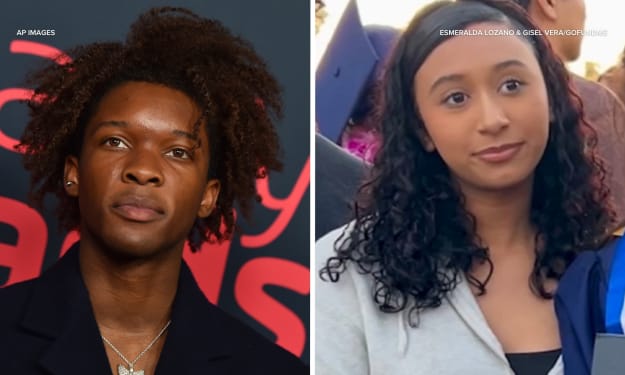
The high-gloss world of indie-pop and the gritty reality of a missing person’s investigation collided in a way that no one could have predicted when the name David Anthony Burke—known to millions as d4vd—suddenly appeared on a police report for all the wrong reasons. In a digital age where the distance between a fan and an idol is often just a Discord message away, the tragedy of Celest Rivas Hernandez has become a haunting case study in the dark underbelly of internet fame. What started as a local search for a runaway teenager in 2024 morphed into a nationwide scandal in late 2025, leaving the music industry in shock and the public demanding answers that the legal system is only beginning to provide.
By Teodor Monescu9 months ago in Criminal