
Growing Up in the Spotlight: Public Concern and the Pressure of Early Fame
Viral moments spark a wider conversation about childhood, privacy, and protection in the age of constant attention

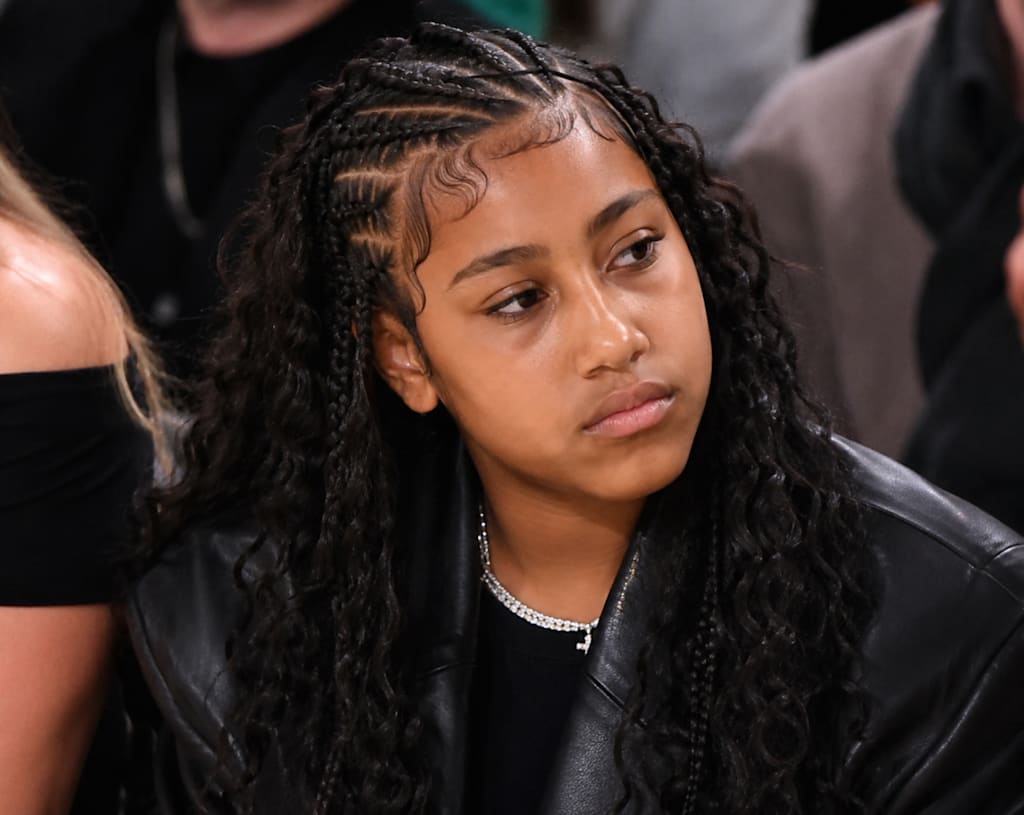
In today’s digital world, a single moment captured on camera can quickly travel across the globe. For public figures—and especially for the children of celebrities—this reality can be overwhelming. Recently, clips of North West, the 13-year-old daughter of global icons Kim Kardashian and Kanye West, have gone viral following her appearance at Paris Fashion Week. What began as a typical celebrity sighting soon turned into a widespread online discussion.
Many viewers watching the clips noticed something that sparked concern. North appeared quiet, serious, and at times uncomfortable as she stood among large crowds of photographers and adults. Cameras flashed from every direction, voices called out, and attention followed her every move. For some, this raised an important question: how much is too much for someone so young?
It is important to begin with a clear understanding—short video clips do not tell the full story. No one outside her immediate circle truly knows how North felt in those moments. She could have been tired, overwhelmed by travel, or simply not in the mood to smile. These are normal experiences for any teenager. However, the conversation that followed is less about one individual moment and more about a bigger issue: the experience of growing up under constant public attention.
One of the most discussed aspects of the viral clips was the environment surrounding her. In several videos, North is seen standing among adults, including designers, photographers, and public figures. While this is a common setting at major fashion events, it can look intense—especially when viewed through the lens of social media. For many viewers, the contrast between her age and the high-pressure environment stood out immediately.
Another point that drew attention was how interactions were interpreted online. In crowded, fast-moving spaces like fashion events, brief gestures—such as greetings or positioning for photos—can be misunderstood when taken out of context. What may be a routine moment in such settings can appear different when isolated in a short clip and shared widely. This highlights the power of perception and how quickly narratives can form online.
At the heart of the discussion is a deeper concern about balance. Childhood is a time for growth, learning, and forming identity. It is also a time when young people benefit from privacy, friendships, and experiences away from public pressure. Many people online expressed worry that constant exposure to high-profile events might make it difficult for a young person to enjoy these essential aspects of life.
Education and social development also became part of the conversation. Reports suggesting that North may be homeschooled led some to question how children in similar situations build peer relationships. While homeschooling can be highly effective and is chosen by many families worldwide, it is true that traditional school environments offer daily interaction with peers, helping children develop social skills and friendships. The concern raised by viewers reflects a broader curiosity about how balance is maintained in such unique lifestyles.
Parenting under public scrutiny adds another layer of complexity. Celebrity parents often face intense criticism, regardless of their choices. Every decision—whether related to education, appearances, or privacy—is analyzed and debated by millions. In this case, some critics questioned whether more protection should be provided, while others argued that exposure to professional environments can also offer valuable opportunities and experiences.
What makes this situation particularly powerful is how it reflects a universal concern. Even outside of celebrity culture, parents around the world think about how to protect their children while also preparing them for the future. The difference is that for public figures, these decisions unfold in front of a global audience.
The role of social media cannot be ignored in shaping this discussion. Platforms amplify moments quickly, often without full context. A few seconds of footage can lead to thousands of interpretations, each adding to a growing narrative. While this can raise awareness about important issues, it can also lead to assumptions that may not reflect reality.
In the end, the viral attention surrounding North West is about more than just one event. It has opened a wider conversation about childhood, privacy, and the responsibilities that come with visibility. It reminds us that behind every headline or trending video is a real person—still growing, still learning, and still navigating their place in the world.
As audiences, there is also a responsibility to approach such moments with care. Curiosity is natural, but respect is essential—especially when it involves young individuals. The goal should not be to judge or assume, but to reflect on what these situations reveal about society’s expectations and values.
Ultimately, the question is not just about one young girl at a fashion event. It is about how we, as a global audience, respond to children growing up in the spotlight—and how we can ensure that their well-being remains at the center of every conversation.
About the Creator
Behind the Curtain
"Exploring the untold stories and hidden truths. From royal rumors to cultural deep dives, Behind the Curtain brings you bold, insightful narratives that spark curiosity and conversation."
Enjoyed the story? Support the Creator.
Subscribe for free to receive all their stories in your feed.
Comments