
Gary Heidnik — The Basement Prison
Beneath an ordinary Philadelphia home, six women vanished into a nightmare built from chains, darkness, and madness.

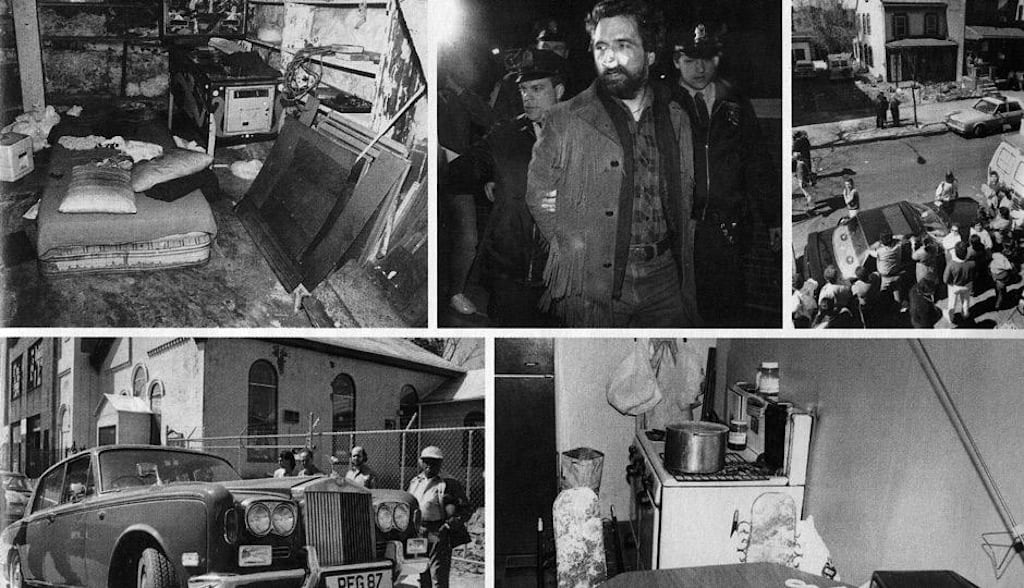
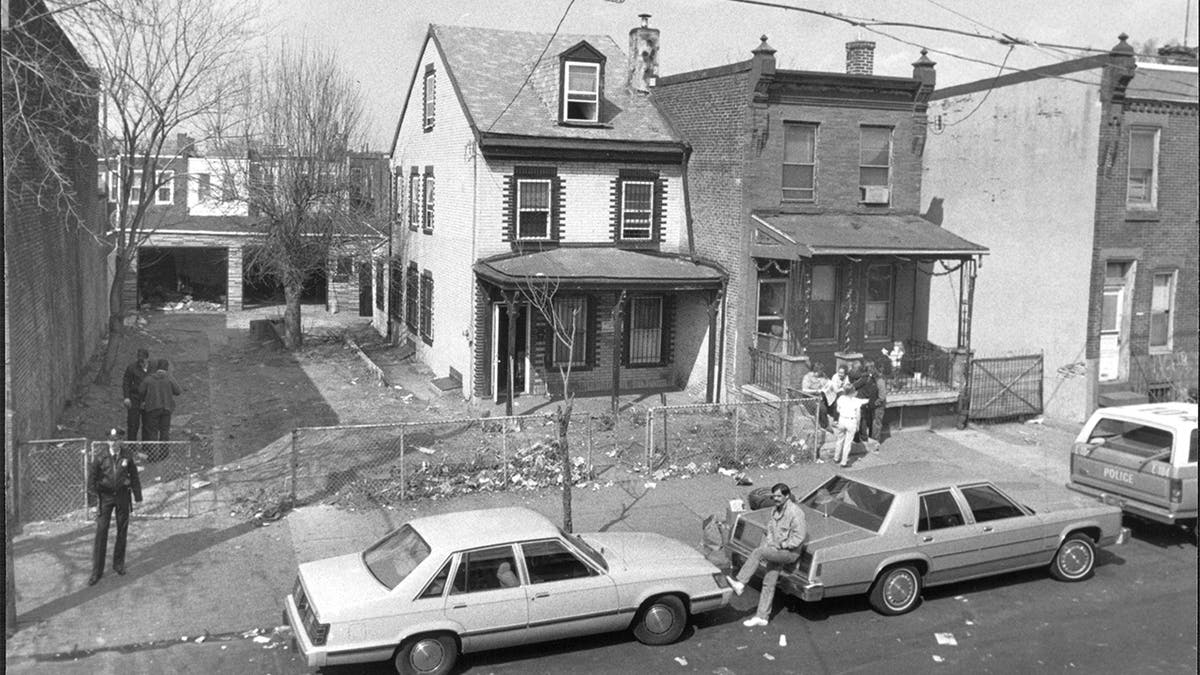
Philadelphia, 1987. The neighborhood looked ordinary enough. Narrow row houses. Rusted fences. Porch lights glowing dimly against winter rain. People passed by on North Marshall Street without ever imagining that beneath one particular home, women were screaming into the dark. Most never heard them. And those who did could not have imagined the truth. Because under the floorboards of that house, in a cramped dirt basement hidden beneath a self-proclaimed church, Gary Heidnik had created something resembling hell itself. Not a murder scene. Not a kidnapping. A prison. A living grave. And for months, the women trapped there believed they would never leave alive.
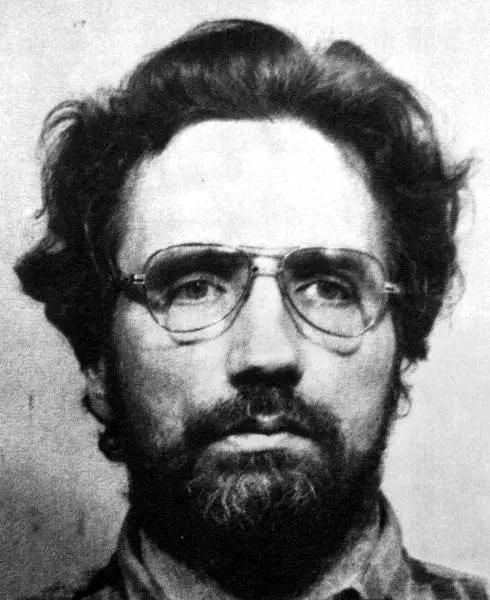
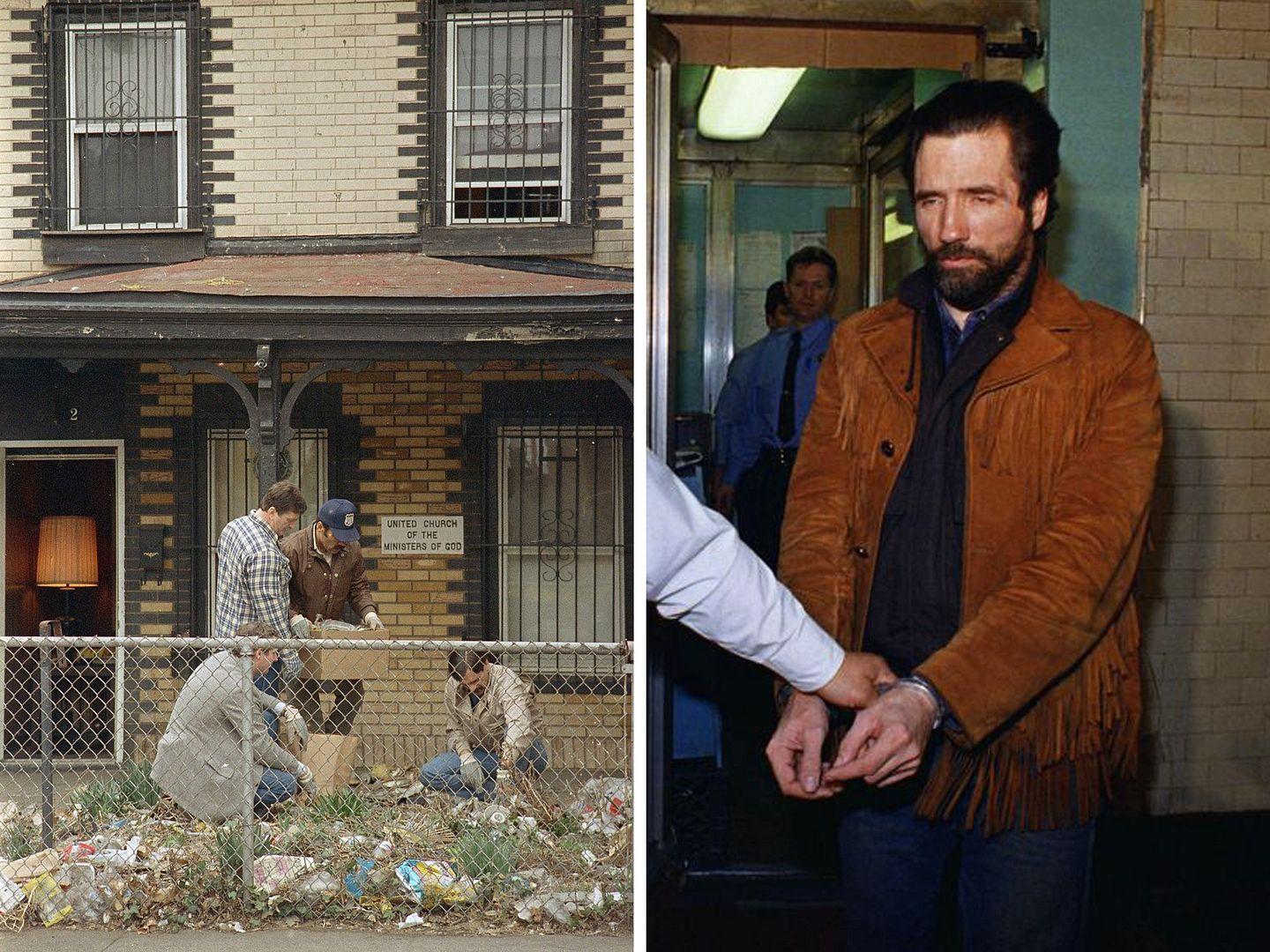
The Man Behind the Basement To neighbors, Heidnik was bizarre but not invisible. He drove luxury cars through poor Philadelphia streets. He called himself “Bishop.” He preached inside a church he founded himself — the United Church of the Ministers of God. He spoke about religion, obedience, and destiny. Beneath the strange behavior lurked a deeply disturbed man with a long history of violence and psychiatric institutionalization. But what made Heidnik truly terrifying was not rage alone. It was planning. He believed he was building something. According to testimony and investigators, Heidnik fantasized about creating his own “family” by abducting women and forcing them into submission. He did not see his victims as human beings. He saw them as property.
The First Captive It began in November 1986. Twenty-five-year-old Josefina Rivera accepted a ride from Heidnik, believing she was meeting another client. Instead, she entered a carefully prepared trap. Once inside his home, the atmosphere shifted immediately. Rivera noticed the locks. The isolation. The unsettling silence. Then Heidnik attacked. He handcuffed her. Dragged her downstairs. And chained her inside the basement. The room was freezing. There was a filthy mattress on the floor. A dirt pit had been dug into the ground beneath the concrete. Rivera quickly realized something horrifying: This basement had been prepared in advance. Heidnik had planned for prisoners. When she attempted escape through a basement window, Heidnik caught her and beat her savagely before forcing her into the pit beneath the floorboards. He covered it with wood and heavy weights while loud music blasted overhead to drown out her screams. That was only the beginning.
The Growing Prison Over the following months, more women disappeared. Sandra Lindsay. Lisa Thomas. Deborah Dudley. Jacqueline Askins. Agnes Adams. One by one, they were dragged into the basement and chained to pipes. Some were kept naked. Some were starved. Some were beaten for speaking. Others were tortured simply because Heidnik believed fear created obedience. The women were forced to endure constant psychological terror. They slept in filth. They were deprived of light, warmth, and basic hygiene. At times, Heidnik sealed them inside the pit beneath the basement floor for hours or days. The basement became its own universe. A world ruled entirely by one man’s paranoia and cruelty. And above them? Church services continued. Neighbors walked by. Life went on.
Torture in the Dark The brutality escalated gradually. That is what makes the case so psychologically horrifying. Heidnik did not simply kill. He controlled. Survivor testimony described routine rape, starvation, beatings, and humiliations designed to destroy resistance. At one point, according to accounts discussed for decades afterward, Heidnik stabbed screwdrivers into victims’ ears because he believed they were communicating and plotting against him. He punished the women collectively when one disobeyed. He manipulated them against each other. He turned survival into a weapon. The basement was not chaos. It was structure. Every punishment had a purpose: submission. And eventually, the abuse became fatal.
The Death of Sandra Lindsay Sandra Lindsay grew sick first. The conditions inside the basement were catastrophic. Starvation, untreated illness, and repeated torture weakened her body until she could barely survive. Eventually, she died in captivity. But even death did not end the horror. Investigators later discovered that Heidnik dismembered her body inside the house. Neighbors reportedly complained about horrific odors coming from the property, though nothing stopped the nightmare unfolding beneath the home. For the women still chained in the basement, Lindsay’s death shattered whatever hope remained. If Heidnik could kill one of them… He could kill all of them. And the survivors knew no one was coming.
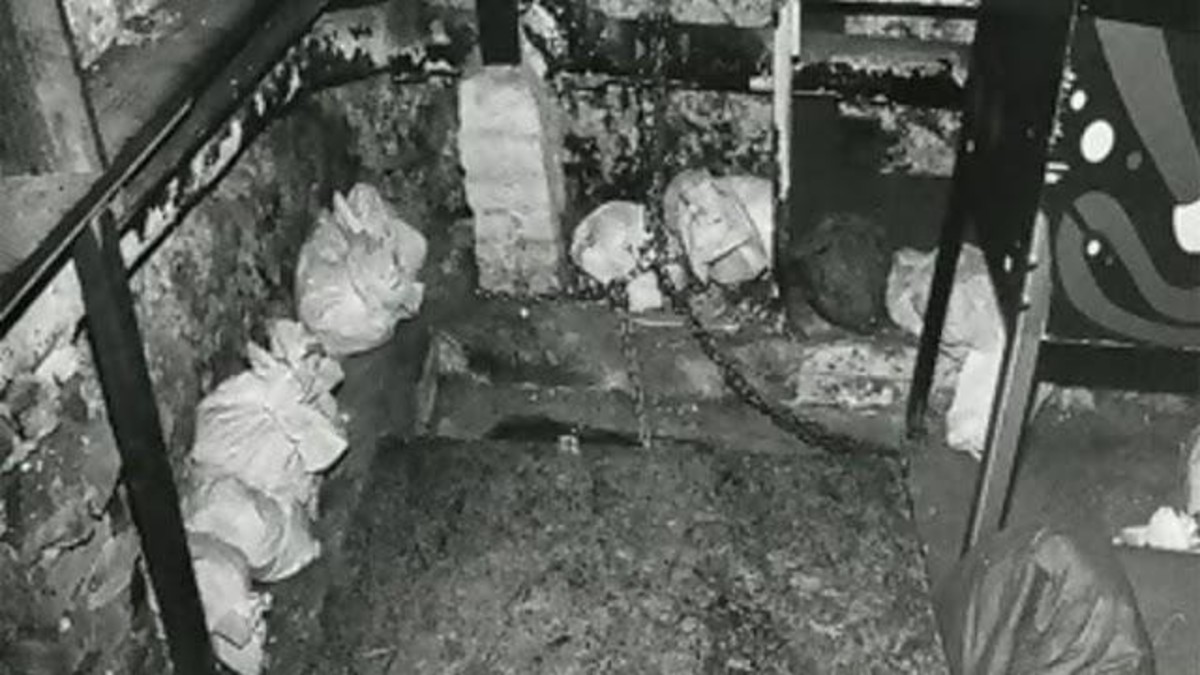
The Basement Becomes a Tomb By March 1987, the prison had become even more unstable. Heidnik’s paranoia intensified. Deborah Dudley became another target. According to testimony, Heidnik forced several women into a water-filled pit before dropping live electrical wires into it, electrocuting Dudley. The surviving captives watched helplessly. Imagine the psychological devastation of that moment. No escape. No control. No certainty that the next scream would not be your own. The basement no longer felt like imprisonment. It felt like waiting for execution.
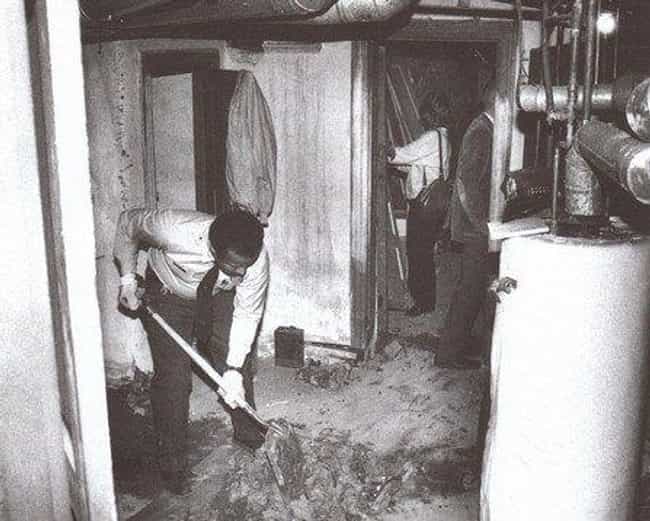
The Woman Who Outsmarted a Monster But Heidnik made one mistake. He underestimated Josefina Rivera. Rivera realized survival required strategy, not resistance. She began pretending to cooperate with him. She spoke calmly. She earned his trust. Slowly, Heidnik became less guarded around her. Then came the opportunity. On March 24, 1987, Heidnik allowed Rivera to leave temporarily with the promise she would return. Instead, she ran to the police. Officers arrived at the North Marshall Street house and descended into the basement. What they discovered horrified even veteran investigators. Three women were found chained to pipes in the darkness. Human remains were recovered. Evidence of prolonged torture covered the home. The nightmare was finally over. For the survivors, however, the scars would never disappear.
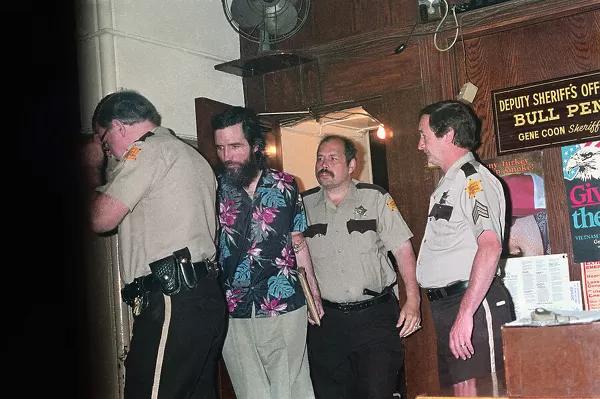
The Trial of Gary Heidnik The case stunned America. Newspapers called the house a “House of Horrors.” Court testimony revealed months of unimaginable abuse. Even Heidnik’s own defense attorney admitted his client was “very, very guilty,” arguing only that he was insane. Jurors heard about chains. The pit. Starvation. The bodies. The psychological torment. Heidnik was convicted of multiple crimes, including murder, rape, kidnapping, and aggravated assault. He received the death penalty and was executed by lethal injection in 1999. To this day, he remains one of the most infamous killers in Philadelphia history. And according to multiple accounts, elements of his crimes later helped inspire the character Buffalo Bill in The Silence of the Lambs.
The Real Horror of the Basement Many serial killers hide bodies. Some chase notoriety. Others kill quickly and disappear. What made Gary Heidnik different was the sustained nightmare he created underground. The chains. The dirt pit. The months of captivity. The psychological domination. The women trapped there were forced to live inside another human being’s delusion — isolated from daylight, stripped of identity, and made to believe the world had forgotten them. Yet despite everything, one survivor found the strength to deceive the man controlling the basement. And because of that courage, three women walked out alive. That is the part people remember least. Not the monster. But the woman who escaped him.
Author's Note:
various news and information hubs were used to compile this article. How about you give the one attached below a try too?
About the Creator
E. hasan
An aspiring engineer who once wanted to be a writer .
Enjoyed the story? Support the Creator.
Subscribe for free to receive all their stories in your feed.
Comments
There are no comments for this story
Be the first to respond and start the conversation.