
Andrei Chikatilo — The Butcher of Rostov
There are serial killers who murder for pleasure. There are killers who murder for power. And then there was Andrei Chikatilo — a man whose crimes felt less like murder and more like human butchery.

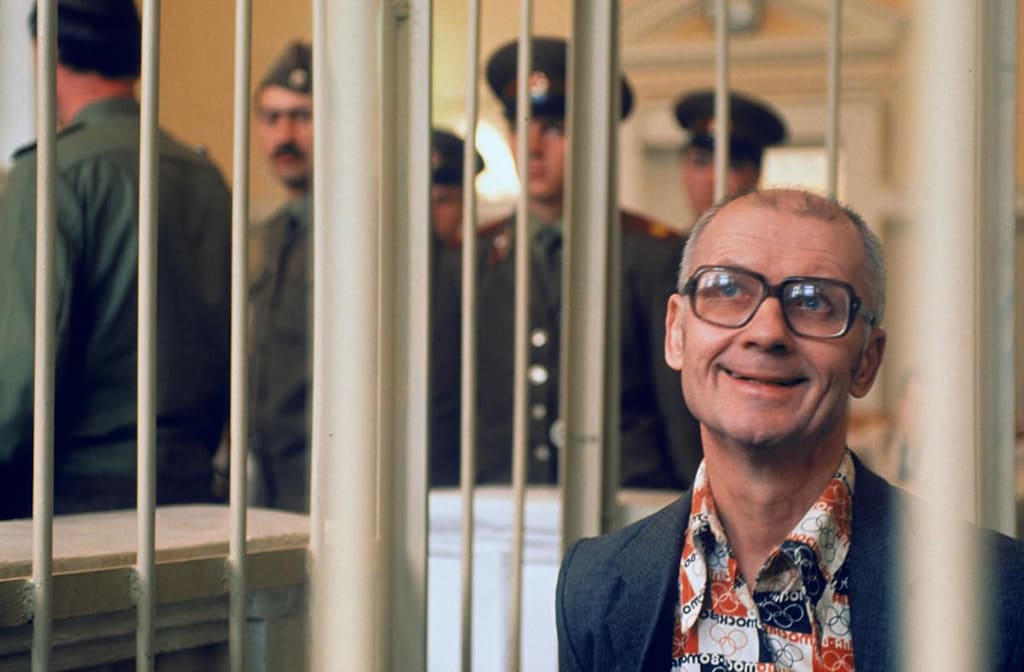
For twelve years, the Soviet Union hunted a ghost moving through train stations, forests, bus depots, and frozen railway lines. Children vanished. Young women disappeared. Bodies were discovered mutilated beyond recognition, dumped beneath leaves and snow like discarded meat. Parents stopped allowing children outside alone. Entire cities lived under fear. And the monster responsible sat quietly among ordinary people — a married father, former teacher, Communist Party member, and soft-spoken office worker named Andrei Chikatilo.
A Childhood Born From Hunger and Horror Andrei Chikatilo was born in 1936 in Soviet Ukraine, during the aftermath of the Holodomor famine — one of the deadliest famines in history. Millions starved to death across Ukraine. Stories of cannibalism spread through villages like disease. According to later reports, Chikatilo’s mother told him horrifying stories throughout his childhood. One tale haunted him for the rest of his life: that his older brother had been kidnapped and eaten by starving neighbors. Whether true or not, the image embedded itself deep inside his mind. He grew up frail, socially isolated, and tormented by humiliation. Bed-wetting continued into adolescence. Girls mocked him. He suffered chronic impotence as an adult — a fact investigators later believed became central to his violent psychology. To outsiders, he appeared painfully ordinary. But behind that awkward exterior, something monstrous was developing.
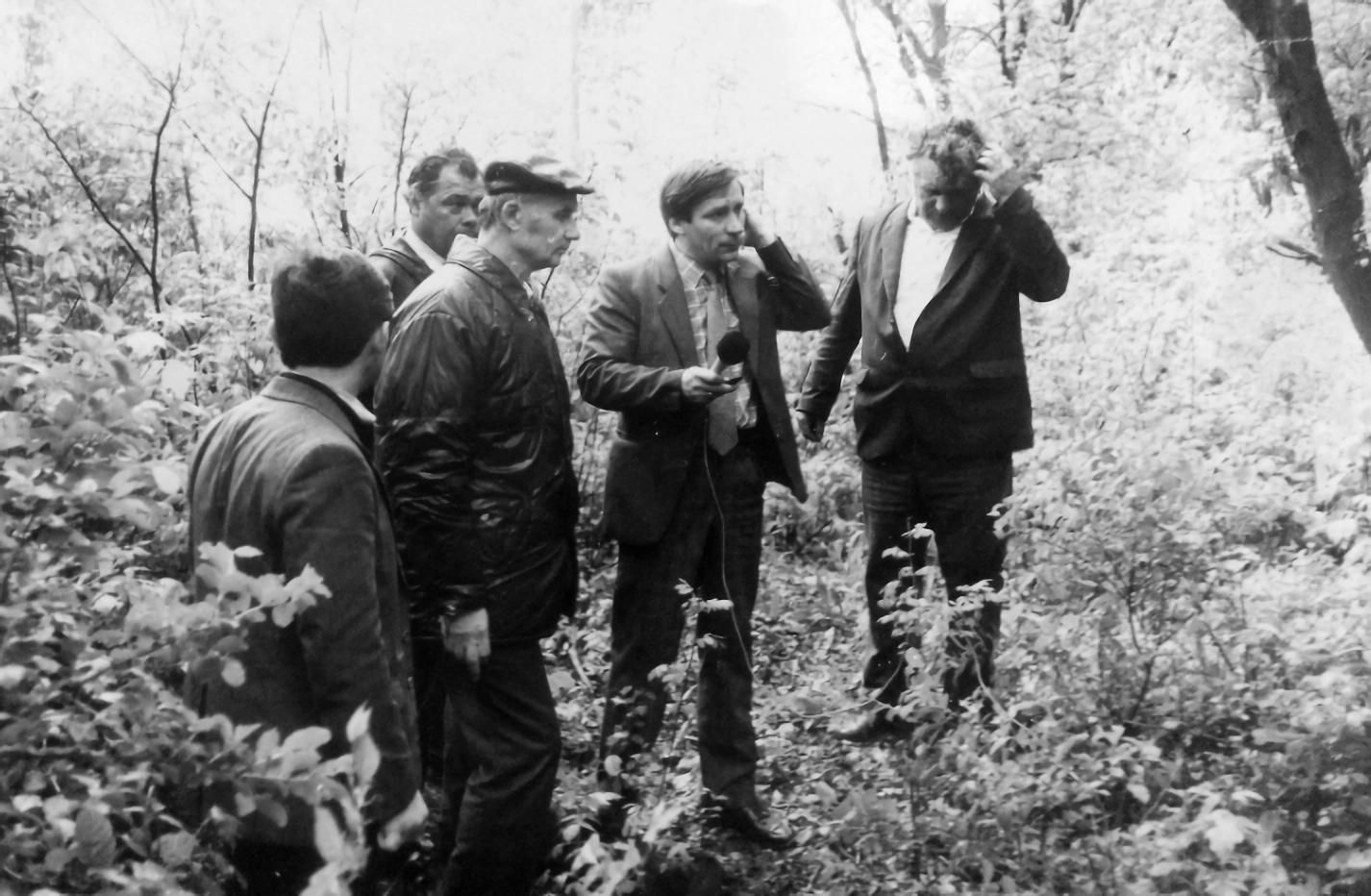
The First Kill On December 22, 1978, nine-year-old Yelena Zakotnova disappeared near the city of Shakhty. Two days later, her body was found in a river. She had been stabbed repeatedly. Her stomach had been slashed open. The Soviet police arrested another man for the murder. He was convicted and executed. But they had the wrong man. The real killer was Andrei Chikatilo. That mistake would become one of the darkest failures in Soviet criminal history. For three years after the murder, Chikatilo remained silent. Then the killings began again. And they did not stop.
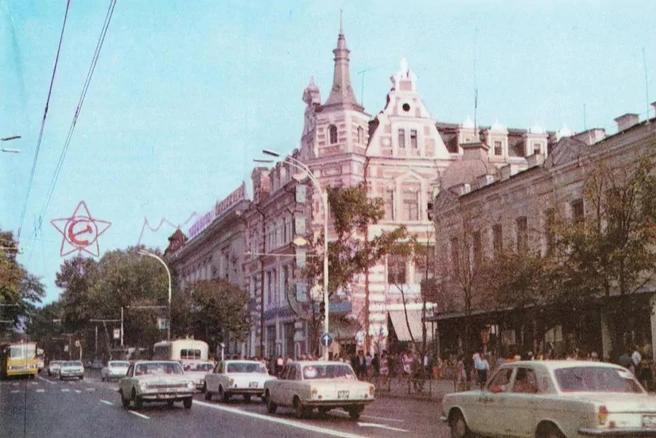
Hunting Along the Railways Chikatilo preyed on society’s most vulnerable: runaway children, homeless teenagers, young women traveling alone, and boys wandering near train stations. He approached them gently. Witnesses described him as awkward but harmless. He would offer conversation, food, alcohol, or promises of help. Then he led victims into forests or isolated fields near railways around Rostov-on-Don and neighboring regions. What happened next was pure savagery. Victims were stabbed dozens of times. Eyes were gouged out. Breasts and genitals were mutilated or removed. Some bodies showed evidence of cannibalism. Children were dismembered while still alive. Investigators later discovered that Chikatilo often achieved sexual gratification only during the act of stabbing and mutilating his victims. His violence escalated into ritualistic frenzy. Crime scenes looked less like murders and more like slaughterhouses. One detective reportedly said the bodies resembled victims of wild animal attacks rather than human crimes.
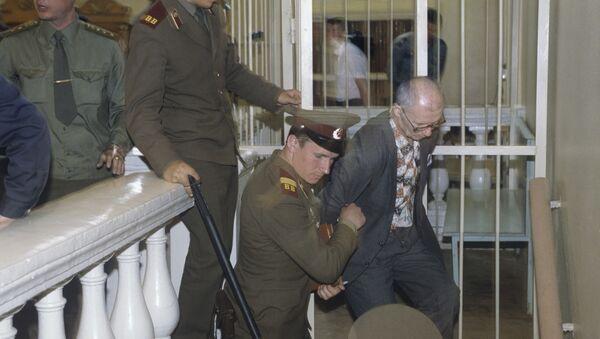
The Soviet Union’s Greatest Failure The terror spreading through Rostov created panic across the Soviet Union. But investigators faced a massive problem: The Soviet government publicly insisted that serial killers did not exist in communist society. Officials viewed serial murder as a symptom of “Western moral decay.” That denial crippled the investigation. Police agencies refused to cooperate. Evidence was mishandled. Profiles were ignored. Worst of all, innocent people were arrested. Some were tortured into confessions. At least one innocent man was executed while Chikatilo continued killing freely. Meanwhile, the “Butcher of Rostov” kept moving from city to city, leaving mutilated corpses across Russia, Ukraine, and Uzbekistan. Between 1978 and 1990, investigators linked him to at least 52 murders. Chikatilo himself confessed to more than 50 killings. Some experts believe the true number may have been far higher.
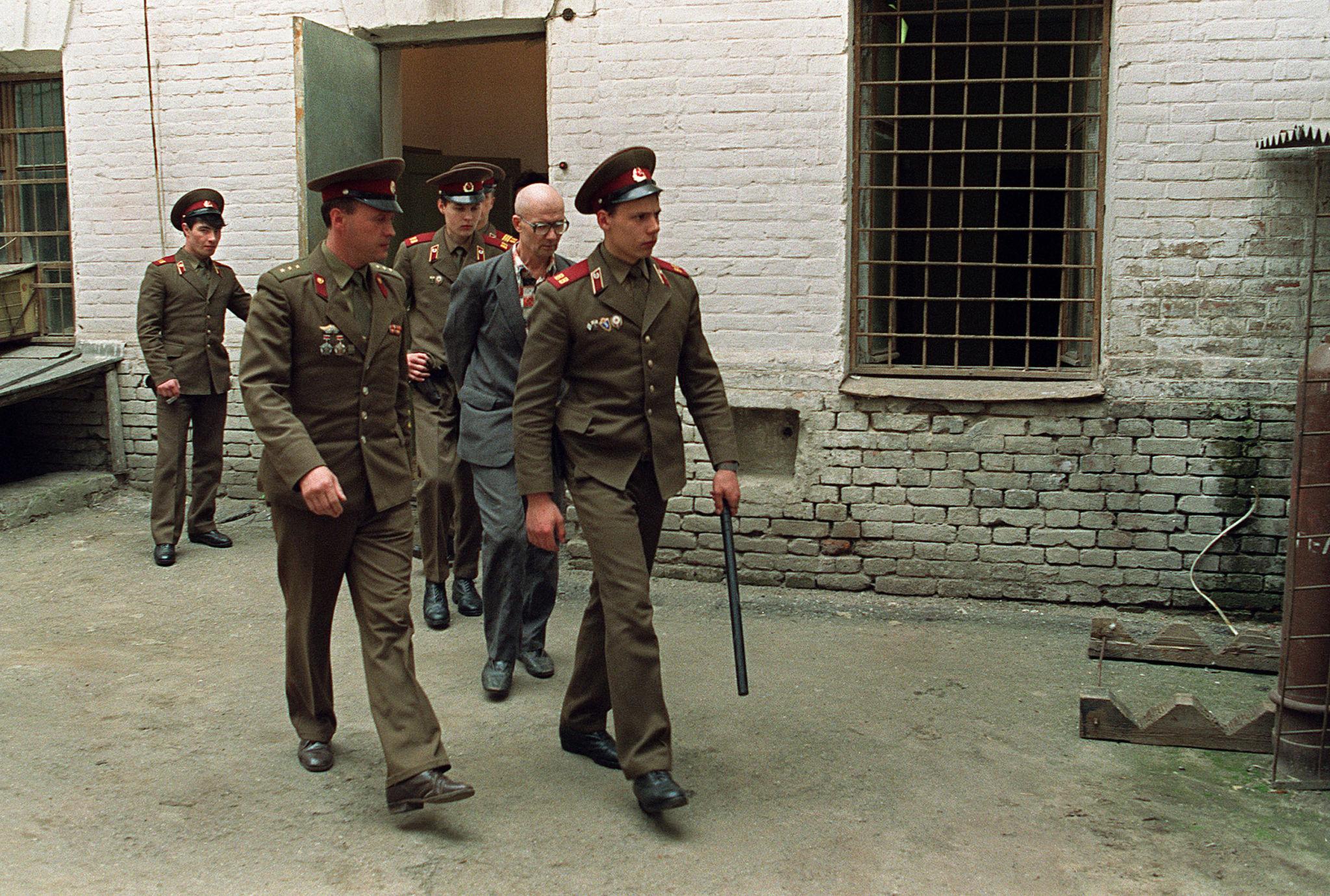
The Arrest Ironically, police nearly caught him years earlier. In 1984, Chikatilo was detained after officers witnessed suspicious behavior with a young girl near a train station. Authorities found a knife, rope, and disturbing items in his briefcase. But Soviet forensic testing failed catastrophically. His blood type was incorrectly analyzed and did not match semen evidence recovered from victims. He was released. The murders resumed almost immediately. Finally, in November 1990, police surveillance teams monitoring railway stations noticed Chikatilo emerging from woods near another murder site. A young victim had recently fought back, scratching his face and hands. Investigators followed him. This time, the evidence held. The nightmare was ending.
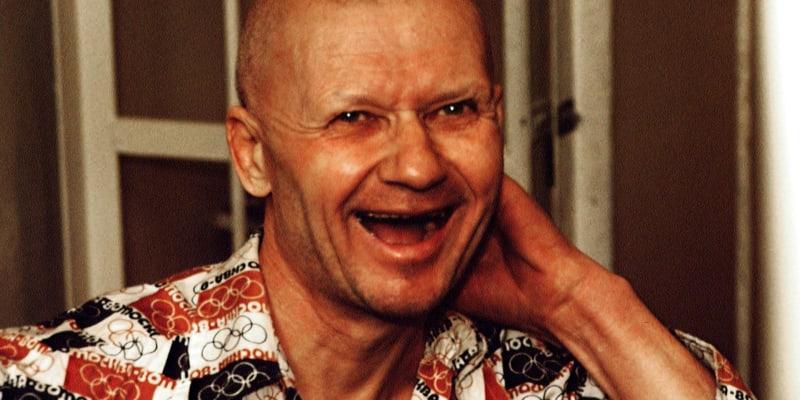
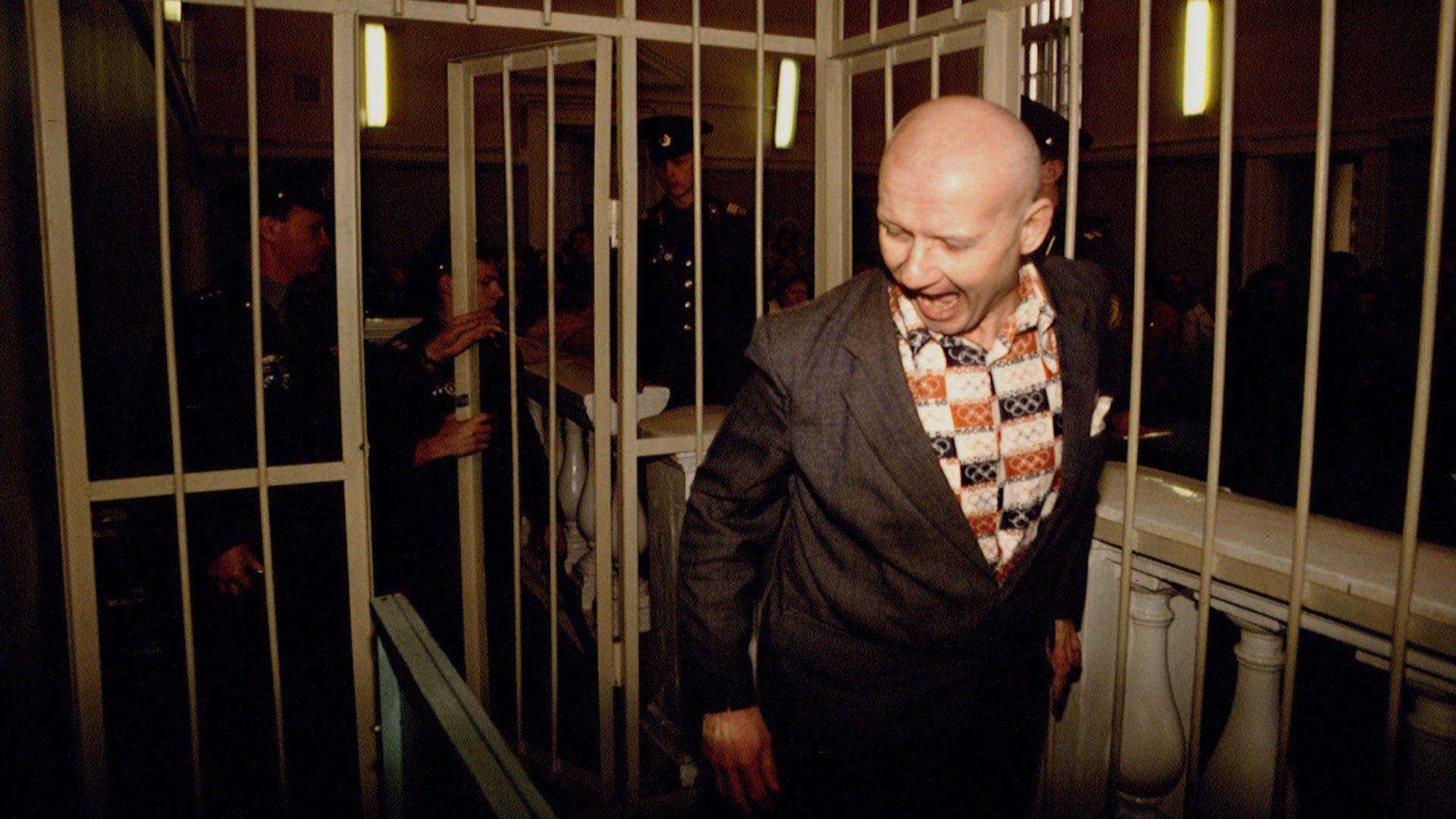
“I Am a Mistake of Nature” When psychiatrists confronted Chikatilo, something shocking happened. He confessed. Not calmly. Not remorsefully. But in graphic detail. During interrogations, he described the murders with chilling precision, leading detectives to burial sites only the killer could know. His trial in 1992 became one of the most horrifying spectacles in Soviet history. Chikatilo sat inside a metal cage in the courtroom while grieving families screamed at him. Witnesses fainted during testimony. Relatives demanded he be handed over to them personally. At times, he behaved wildly — laughing, shouting, exposing himself, and rolling his eyes theatrically in apparent attempts to appear insane. But psychiatrists concluded he understood exactly what he had done. During proceedings, Chikatilo uttered words that echoed across newspapers worldwide: > “I am a mistake of nature.” The court convicted him of 52 murders. The sentence was death.
The Final Bullet On February 14, 1994, Andrei Chikatilo was taken from his prison cell in Novocherkassk. He entered a soundproof execution chamber. A guard fired one bullet behind his ear. The Butcher of Rostov was dead. But his shadow never disappeared. Even today, criminologists consider Chikatilo one of the most horrifying serial killers in modern history — not only because of the brutality of his crimes, but because an entire system failed to stop him. He murdered for over a decade while innocent people suffered for crimes they did not commit. Children disappeared into forests. Families buried mutilated remains. And one quiet man carrying a briefcase walked unnoticed through Soviet crowds, hiding unimaginable evil behind ordinary eyes. That is what makes Andrei Chikatilo truly terrifying. Not the knife. Not the mutilation. Not even the body count. It is the fact that monsters do not always look like monsters. Sometimes they look like everyone else.
Author's Note:
Various news articles and portals were used to write this article. Did you like this article? How about you read my other works as well?
About the Creator
E. hasan
An aspiring engineer who once wanted to be a writer .
Enjoyed the story? Support the Creator.
Subscribe for free to receive all their stories in your feed.
Comments
There are no comments for this story
Be the first to respond and start the conversation.