
A Doctor Was Fired in a Day. His Revenge Took Twelve Years and Four Lives.
A revenge

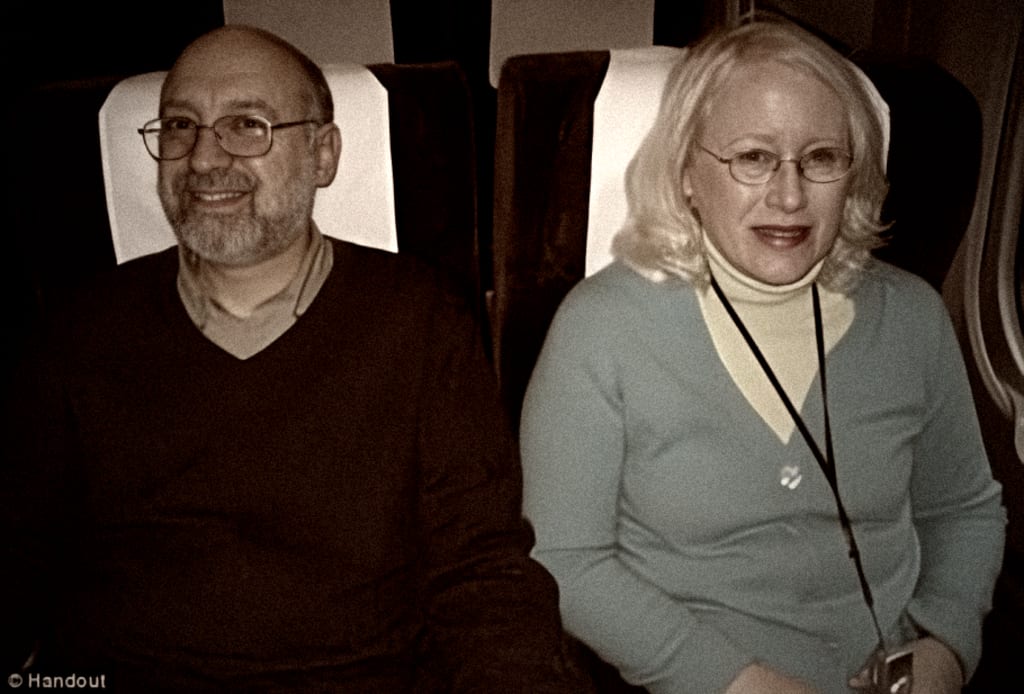
The firing took less than a day. The revenge took twelve years.
On May 22, 2001, a first-year pathology resident at Creighton University School of Medicine in Omaha was called in and terminated. His name was Anthony Joseph Garcia. The trigger was small on its face. He had telephoned a fellow resident at home while that resident was sitting for the USMLE Step 3, a high-stakes medical licensing exam, and unsettled him badly enough that it became a formal problem. Both residents were dismissed that day. The two men who signed off on Garcia's dismissal were Dr. Roger Brumback, the chairman of the pathology department, and Dr. William Hunter, the director of the residency program.
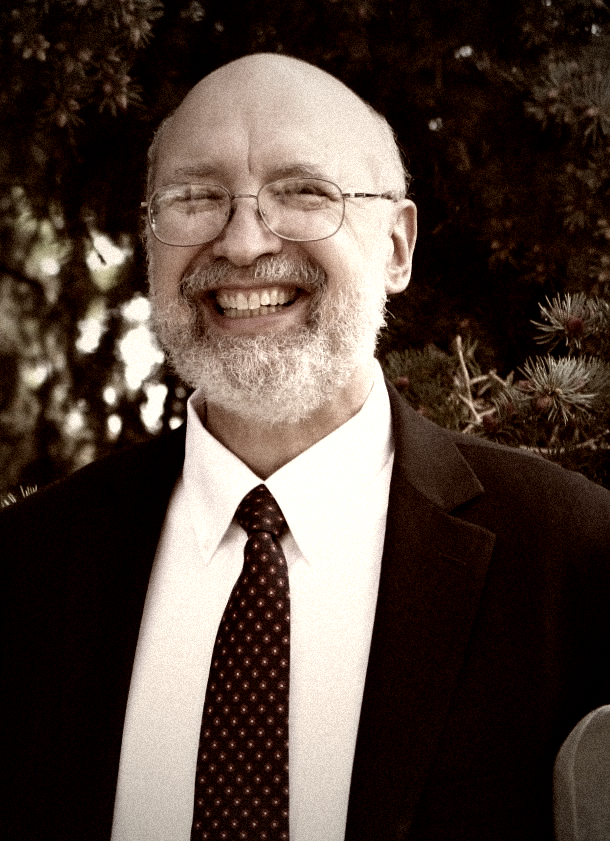
For most people, a first-year washout would be a setback to work around. For Garcia it became the organizing fact of his life. A termination from a residency follows a doctor everywhere. It surfaces on every job application, every state licensing board, every credentialing file. Garcia kept practicing, holding medical licenses in California, Illinois, and Indiana over the years and drifting through positions, but he carried the Creighton firing like a wound that refused to close. He believed Hunter and Brumback had ruined him.
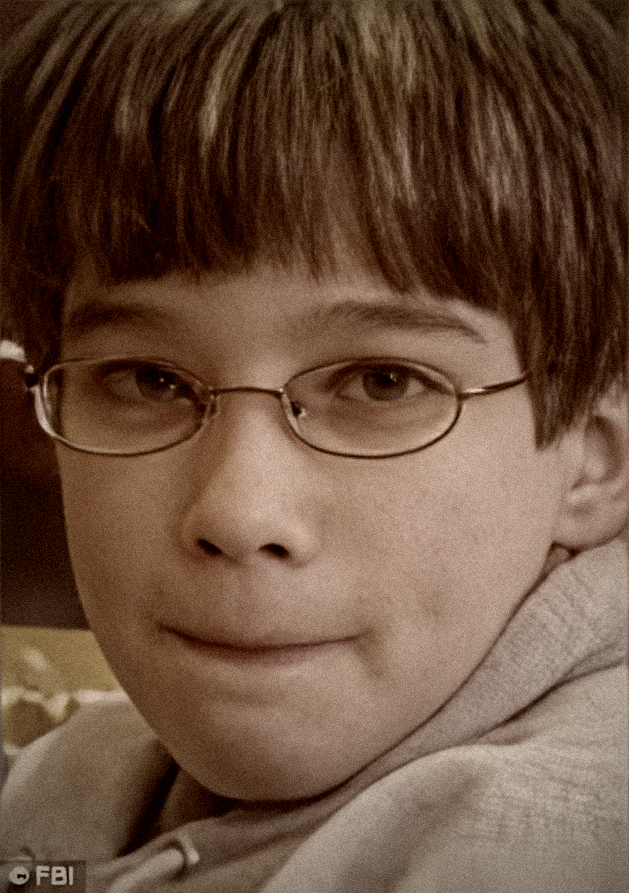
In March 2008, someone walked into the Dundee neighborhood home of Dr. William Hunter. Hunter was not there. His 11-year-old son, Thomas, was, and so was the family's housekeeper, Shirlee Sherman, who was 57. Both were stabbed to death. There was no robbery, no clear motive, no suspect. An 11-year-old boy and a housekeeper, killed in a quiet, leafy part of Omaha, for no reason anyone could name. The case went cold and stayed cold for five years. Detectives had nothing to tie it to a dismissal signed seven years earlier in a hospital across town.
On May 14, 2013, a piano mover arrived at the Omaha home of Dr. Roger Brumback and found the front door standing open. Brumback, 65, had just retired from Creighton. He and his wife, Mary, also 65, were in the middle of packing up their lives to move to West Virginia for their retirement. The mover found them both dead. Roger had been shot and stabbed in the neck. Mary had been stabbed. A forensic expert would later testify that Mary Brumback had fought for her life.
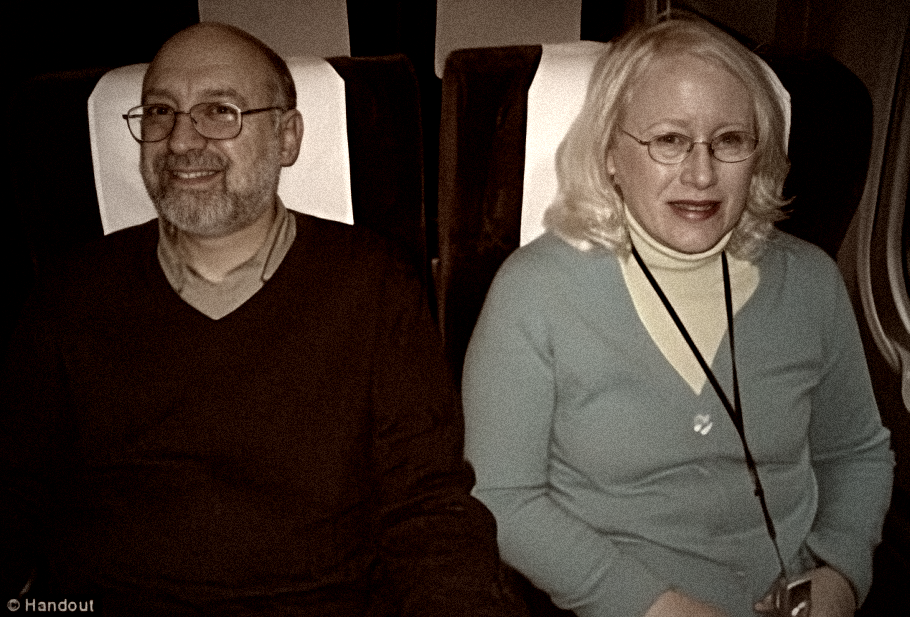
Two dead doctors' households, five years apart, in the same city. This time investigators saw the line between them almost at once, because both families led back to the same place: the Creighton pathology department, and the two men who had run it in 2001. Thomas Hunter was William Hunter's son. Roger Brumback had been the department chairman. The one thing the Hunter family and the Brumback family had in common was that, twelve years earlier, William Hunter and Roger Brumback had fired Anthony Garcia.
Once detectives had the theory, the rest fell into place with unnerving speed. Investigators came to believe that on the weekend the Brumbacks were killed, Garcia had first gone looking for another Creighton faculty member and, unable to reach that target, had pulled up the Brumbacks' address on his smartphone before driving to their door. The knife wounds in 2013 mirrored the stabbings in 2008. The victims were not random. They were a message aimed at two doctors, delivered through the people around them.
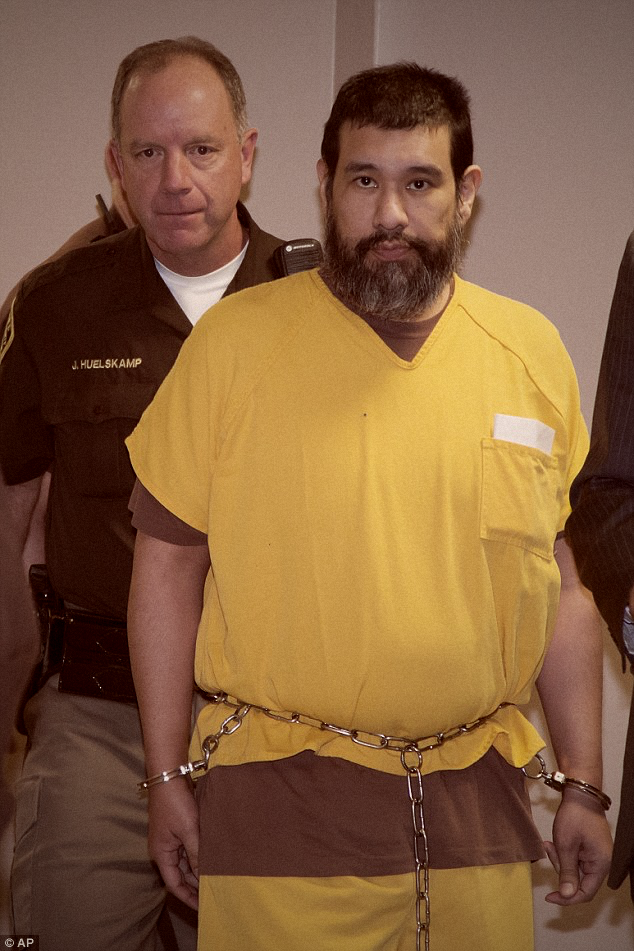
Garcia was living in Terre Haute, Indiana. Two months after the Brumback murders, in July 2013, Illinois State Police stopped his car in the southern part of that state. He was arrested and charged with four murders.
His trial in the autumn of 2016 was less a question of who than of why. Prosecutors laid the 2001 firing in front of the jury as the engine of everything that followed, a grudge that had hardened over more than a decade into the murders of an 11-year-old boy, a housekeeper, a retired doctor, and his wife. On October 26, 2016, the jury convicted Anthony Garcia on four counts of first-degree murder, along with four counts of use of a deadly weapon and one count of attempted burglary.
Sentencing stretched on for nearly two more years. On September 14, 2018, a three-judge panel sentenced Garcia to death, finding that he had acted with premeditation and, in the language of the court, an especially depraved frame of mind. More than ten years had passed since the first two killings.
SOURCES
https://en.wikipedia.org/wiki/Anthony_Garcia_(serial_killer)
https://www.cbsnews.com/news/anthony-garcia-case-was-revenge-motive-behind-omaha-double-murders/
About the Creator
Rare Stories
Our goal is to give you stories that will have you hooked.
This is an extension of the Quora space: Rare Stories
X(formerly Twitter): Scarce Stories
Writers:
....xoxo
Enjoyed the story? Support the Creator.
Subscribe for free to receive all their stories in your feed. You could also become a paid subscriber, letting them know you appreciate their work.
Comments
There are no comments for this story
Be the first to respond and start the conversation.