Inspiration
Couscous, the Heart of Home
Couscous is more than just food—it’s a tradition, a story, and a symbol of unity. In North African culture, especially in Algeria, Tunisia, and Morocco, couscous is a dish that brings families together, passed down through generations. It’s served on Fridays, during celebrations, and even in times of sorrow, embodying resilience, hospitality, and love.
By miloud ferhi2 years ago in Art
Riley Green: The Voice of Southern Heart and Soul
Riley Green: The Voice of Southern Heart and Soul From Small-Town Alabama to Country Music Stardom Riley Green’s story is one of grit, talent, and an unshakable connection to his roots. Born on October 18, 1988, in Jacksonville, Alabama, Green grew up in a close-knit family where music and tradition were central to daily life. Surrounded by the sounds of gospel hymns and Southern rock, Green developed a passion for storytelling through song at an early age.
By Nivard Anna2 years ago in Art
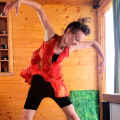
A Dance Story of Joy, Struggle, and Transformation - Eternal Movement
Have you ever paused to reflect on the tapestry of your life's most joyous and fulfilling moments, only to find threads woven with a consistent shimmer of magic? For me, whenever I trace these moments back, I discover dance at their heart. Whether it's the quiet ecstasy of movement in solitude or the shared electricity of a crowd, dance has been the luminous thread connecting the chapters of my story.
By Megan Bloom2 years ago in Art
Advice for Aspiring Designers from Otmar Sibilo
Step into the captivating world of graphic design with Otmar Sibilo, a visionary artist whose work transcends the boundaries of creativity and innovation. In this article, we embark on a journey through Otmar’s illustrious career, exploring the passion, dedication, and artistry that have made him a luminary in the field of design. Here are some valuable pieces of advice from Otmar for aspiring designers.
By Otmar Sibilo2 years ago in Art
The Evolution of Street Art: From Rebellion to Recognition
Street art, once dismissed as vandalism, has now become one of the most dynamic and influential art forms of modern times. From the spray-painted walls of New York’s subway system to the large-scale murals of cities worldwide, street art has evolved into a respected form of artistic and political expression. Over the decades, what started as rebellious graffiti has transitioned into a celebrated movement, with artists like Banksy, Jean-Michel Basquiat, and Shepard Fairey pushing boundaries and redefining public art. Today, street art influences everything from advertising and fashion to museum exhibitions and social activism. The Origins of Street Art Street art can be traced back to ancient times when civilizations like the Egyptians and Romans carved symbols and messages into walls. However, the modern street art movement began in the late 20th century, particularly in the United States. 1. Graffiti Culture of the 1970s In the 1970s, New York City became the epicenter of graffiti culture. Young artists, often from marginalized communities, used subway trains and city walls as their canvases to make their voices heard. They developed unique “tags” (stylized signatures) and elaborate letter designs. This movement was both a form of self-expression and a rebellion against social and economic inequality. 2. Political and Social Commentary By the 1980s, street art began incorporating political messages. Artists like Keith Haring used bold, colorful imagery to advocate for social causes, including AIDS awareness and LGBTQ+ rights. Meanwhile, Jean-Michel Basquiat blended graffiti with fine art, critiquing racism and class struggles. 3. The Rise of Stencil Art The 1990s and early 2000s saw the emergence of stencil art, allowing artists to create detailed, repeatable images. Banksy, one of the most famous street artists, mastered this technique, using it to create satirical and thought-provoking works on war, capitalism, and surveillance. From Illegal to Institutionalized Despite its rebellious origins, street art has gained mainstream recognition. Cities now commission artists to create public murals, and museums host exhibitions featuring street art legends. 1. Street Art in Galleries and Museums Institutions like the Tate Modern in London and the Museum of Modern Art (MoMA) in New York have exhibited works by street artists, acknowledging their impact on contemporary art. Shepard Fairey, known for his Obey and Hope posters, has bridged the gap between street art and commercial success. 2. Legal Murals and Urban Beautification Many cities have embraced street art as a tool for urban beautification. Governments and businesses now hire artists to paint murals that celebrate local culture and history. Festivals like Miami’s Wynwood Walls and Australia’s Wonderwalls Festival showcase how street art can transform neighborhoods. 3. The Role of Social Media The rise of Instagram and TikTok has given street artists global exposure. Murals that once reached only local audiences can now go viral, turning unknown artists into international sensations. Social media has also made street art more interactive, with viewers engaging with artworks through photos and videos. The Impact of Street Art on Culture Street art has influenced various aspects of modern culture, from advertising to activism. 1. Influence on Fashion and Branding Luxury brands like Louis Vuitton and Nike have collaborated with street artists to create exclusive collections. The fusion of street art and fashion has blurred the lines between underground culture and mainstream design. 2. A Platform for Activism Street art has become a powerful tool for activism. Murals addressing climate change, human rights, and political oppression have appeared worldwide. In movements like Black Lives Matter and Fridays for Future, artists have used public spaces to amplify important messages. 3. Changing Public Perception Once seen as criminal activity, street art is now appreciated as a vital part of urban culture. While some still debate its legitimacy, there is no denying its artistic and cultural significance. The Future of Street Art As cities evolve, so does street art. Some trends shaping its future include: Augmented Reality (AR) Murals – Artists are integrating digital technology to create interactive street art experiences. Eco-Friendly Street Art – More artists are using sustainable materials, such as biodegradable paints, to reduce environmental impact. Corporate Sponsorships – While controversial, some artists collaborate with brands to reach wider audiences while maintaining creative freedom. Conclusion: Street Art as a Global Movement Street art has come a long way from its rebellious beginnings. What was once considered an act of defiance is now recognized as a legitimate and influential art form. Whether in the form of graffiti, stencils, or large-scale murals, street art continues to challenge, inspire, and beautify public spaces. In a world where walls speak, street art remains a voice for the unheard—a testament to creativity, resistance, and cultural evolution.
By Hridoy Hasan2 years ago in Art
The Timeless Beauty of Abstract Art
Art has long been a means of expressing emotions, ideas, and perspectives on the world. While realism captures life as it appears, abstract art takes a different approach—it breaks free from recognizable forms, focusing instead on colors, shapes, and textures. It is an art form that speaks directly to emotions, allowing each viewer to interpret it uniquely. From the bold colors of Wassily Kandinsky to the intricate patterns of Jackson Pollock, abstract art has evolved into one of the most influential movements in history. Despite its lack of traditional representation, it continues to inspire, challenge, and provoke thought. What is Abstract Art? Abstract art is a broad term that encompasses any artwork that does not attempt to represent an accurate depiction of reality. Instead, it uses form, color, and composition to create meaning. This style emerged in the late 19th and early 20th centuries as artists sought new ways to express ideas beyond traditional visual constraints. Unlike realism or portraiture, abstract art does not tell a direct story. Instead, it invites viewers to engage with the artwork on a personal level, drawing their own conclusions based on their emotions and experiences. A Brief History of Abstract Art The roots of abstraction can be traced back to the early 20th century when artists began experimenting with non-representational forms. Key movements that contributed to abstract art include: 1. Cubism (Early 1900s) Pioneered by Pablo Picasso and Georges Braque, cubism broke down objects into geometric shapes and multiple perspectives. While not fully abstract, it laid the foundation for a shift away from traditional representation. 2. Expressionism (1910s-1920s) Artists like Wassily Kandinsky and Egon Schiele used bold colors and distorted forms to convey deep emotions. Kandinsky, in particular, believed that art should function like music—evoking feelings without needing a concrete subject. 3. Abstract Expressionism (1940s-1950s) This American movement, led by artists like Jackson Pollock, Mark Rothko, and Willem de Kooning, emphasized spontaneity and emotion. Pollock’s drip paintings and Rothko’s large color fields became defining symbols of abstract expressionism. 4. Minimalism and Geometric Abstraction (1960s-Present) Artists such as Piet Mondrian and Frank Stella refined abstraction by focusing on geometric shapes, clean lines, and simplicity. Their work explored balance, order, and color relationships. Why is Abstract Art So Captivating? Many people wonder how a simple splash of paint or a set of geometric shapes can be considered art. The answer lies in abstract art’s ability to communicate beyond words. Here are a few reasons why it remains so compelling: 1. Freedom of Interpretation Unlike traditional paintings that depict specific subjects, abstract art allows viewers to create their own meanings. A single piece can evoke different emotions in different people based on personal experiences. 2. Emotional Connection Abstract art often conveys emotions rather than stories. The choice of color, movement, and texture can generate feelings of joy, sadness, chaos, or tranquility. 3. Breaking Conventions Abstract art challenges the idea that art must be realistic to be meaningful. It encourages viewers to think outside the box and appreciate the creative possibilities beyond the physical world. 4. Influence on Modern Design From interior design to fashion, abstract art has influenced various industries. Its bold colors, dynamic compositions, and minimalist aesthetics can be found in contemporary branding, advertisements, and even architecture. Famous Abstract Artists and Their Iconic Works To appreciate abstract art, it’s helpful to explore some of the most famous artists and their contributions: Wassily Kandinsky – Composition VII (1913) Considered one of the first purely abstract paintings, this piece uses color and form to express rhythm and emotion. Jackson Pollock – No. 5, 1948 Pollock’s famous drip painting technique created a sense of energy and movement, redefining artistic expression. Mark Rothko – Orange and Yellow (1956) His large, color-block paintings evoke deep emotional responses through the use of simple yet powerful compositions. Piet Mondrian – Composition with Red, Blue, and Yellow (1930) A prime example of geometric abstraction, Mondrian’s work emphasizes harmony through straight lines and primary colors. How to Appreciate Abstract Art For those unfamiliar with abstract art, it may seem difficult to understand. Here are some tips to help you engage with it: 1. Observe Without Judgment Instead of trying to figure out “what it is,” focus on how it makes you feel. Let the colors and shapes guide your emotions. 2. Look at the Composition Pay attention to balance, contrast, and movement within the artwork. Notice how different elements interact with each other. 3. Read About the Artist’s Intentions Learning about the artist’s background and techniques can provide insight into the meaning behind their work. 4. Trust Your Instincts Abstract art is meant to be personal. Your interpretation is just as valid as anyone else’s. Conclusion: The Endless Possibilities of Abstraction Abstract art continues to thrive in the modern era, challenging perceptions and inspiring creativity. It reminds us that art doesn’t always need to be literal—it can be felt, experienced, and interpreted in countless ways. Whether through a vibrant canvas of brushstrokes or a minimalist arrangement of geometric forms, abstract art speaks to the infinite ways we can express ourselves beyond words. It is an ever-evolving testament to the boundless imagination of human creativity.
By Hridoy Hasan2 years ago in Art
The Art of Minimalism: Less is More
In a world filled with noise, clutter, and constant stimulation, minimalism has emerged as a powerful artistic movement that embraces simplicity, clarity, and intentionality. Unlike traditional art that often focuses on intricate details and elaborate compositions, minimalist art strips away the unnecessary, leaving behind only the essential elements. Minimalism is more than just an art style; it is a philosophy that extends beyond visual aesthetics. It encourages artists and viewers to appreciate the beauty of simplicity, creating works that evoke deep emotions despite their apparent sparseness. From painting and sculpture to digital design and architecture, minimalism has influenced various creative fields, proving that sometimes, less truly is more. The Origins of Minimalist Art Minimalism as an art movement emerged in the late 1950s and 1960s, primarily in the United States. It was a reaction against abstract expressionism, which was known for its emotional intensity and chaotic compositions. Artists like Donald Judd, Agnes Martin, Frank Stella, and Dan Flavin pioneered this new approach, focusing on geometric forms, repetition, and a limited color palette. These artists believed that art should not represent anything beyond itself—it should exist purely as an object of visual and spatial experience. Minimalist art rejected symbolism and storytelling, instead embracing clean lines, symmetry, and balance to create a sense of harmony and calm. Key Characteristics of Minimalist Art Minimalist art is defined by several key principles that differentiate it from other artistic styles: 1. Simplicity in Form and Composition Minimalist artworks often feature geometric shapes, straight lines, and a restricted use of colors. Whether it’s a black square on a white canvas or a single neon light installation, the focus is on the purity of form rather than complexity. 2. Limited Color Palette Minimalist artists typically use a restricted color scheme, often relying on monochrome or a few carefully chosen hues. The absence of excessive colors allows viewers to focus on the composition and spatial relationships within the artwork. 3. Focus on Materials and Texture In sculpture and installation art, materials play a crucial role. Artists use raw, industrial materials like steel, glass, wood, and concrete, letting their natural textures shine rather than covering them with ornamentation. 4. Repetition and Order Many minimalist artworks incorporate repetition, whether in patterns, identical shapes, or repeated lines. This creates a rhythmic quality that enhances the visual experience. 5. Elimination of Personal Expression Unlike other art forms that reflect an artist’s emotions or personal experiences, minimalist art aims to be objective. It is about the artwork itself, free from narrative or interpretation. Minimalism in Different Art Forms Minimalism extends beyond painting and sculpture. Its principles have influenced multiple creative disciplines, shaping how we perceive art and design. 1. Minimalist Painting Artists like Mark Rothko and Ellsworth Kelly explored color fields and geometric shapes to create visual harmony. Their works evoke emotion through subtle variations in tone and composition rather than complex imagery. 2. Minimalist Sculpture Sculptors such as Donald Judd and Richard Serra used industrial materials to create large, clean-lined structures. These pieces often interact with the space around them, making the viewer’s physical presence an essential part of the experience. 3. Minimalist Architecture and Interior Design Architects like Ludwig Mies van der Rohe and Tadao Ando applied minimalist principles to buildings, emphasizing open spaces, natural light, and functional design. The phrase “Less is more”, coined by Mies van der Rohe, perfectly encapsulates the minimalist approach. 4. Minimalist Graphic Design and Digital Art In the digital age, minimalist design has gained widespread popularity. Logos, websites, and branding now favor clean typography, ample white space, and a focus on usability. Companies like Apple, Google, and Nike have embraced minimalist design in their branding, proving its timeless appeal. The Emotional Impact of Minimalist Art While minimalist art may seem simple on the surface, its impact is profound. By removing distractions, it allows viewers to engage with art on a deeper level. The use of empty space and precise composition can evoke a sense of peace, contemplation, and even spirituality. For example, a pure white canvas with a single black line might seem minimal, but it encourages the viewer to focus on the contrast, the placement, and the balance of elements. This meditative quality is why many people are drawn to minimalist aesthetics—it provides a moment of stillness in an otherwise chaotic world. Minimalism and Modern Culture Minimalism has extended beyond the art world, influencing lifestyle choices and consumer behavior. Many people now embrace minimalist living, decluttering their homes and simplifying their possessions to focus on what truly matters. This cultural shift aligns with the principles of minimalist art—stripping away the unnecessary to reveal the essential. Whether through fashion, home decor, or technology, minimalism continues to shape contemporary aesthetics. Conclusion: The Power of Less Minimalist art challenges the notion that complexity equals value. Instead, it shows us that beauty lies in simplicity, clarity, and balance. It invites us to slow down, appreciate negative space, and find meaning in the absence of excess. As the world becomes more visually and digitally overwhelming, the appeal of minimalism remains stronger than ever. Whether through a simple painting, a clean architectural design, or a well-balanced logo, minimalism proves that less truly is more.
By Hridoy Hasan2 years ago in Art
The Timeless Beauty of Handmade Art in a Mass-Produced World
In today's world of automation and mass production, where everything from furniture to paintings can be manufactured at lightning speed, the value of handmade art remains undeniable. Despite technological advancements that allow for precise digital reproductions and factory-made designs, people still cherish the authenticity, skill, and uniqueness of handcrafted works. Whether it’s a handwoven rug, a meticulously painted canvas, or a hand-sculpted piece of pottery, handmade art holds a personal touch that machines simply cannot replicate. As the world becomes increasingly digitized, a growing number of artists and consumers are turning back to traditional, handmade techniques, recognizing their cultural significance and timeless beauty. But why does handmade art continue to thrive in a world where speed and efficiency are prioritized? The Uniqueness of Handmade Art One of the most significant aspects of handmade art is its uniqueness. Unlike mass-produced items that are identical to one another, every handcrafted piece carries slight variations, making each one a one-of-a-kind masterpiece. These imperfections are not flaws; rather, they add character and authenticity to the artwork. For example, a hand-painted ceramic vase will never have the exact same patterns twice, no matter how skilled the artist is. Each brushstroke, color variation, and texture tells a story—something that factory-made items, no matter how perfect, can never achieve. Collectors and art lovers often seek handmade works because they know that each piece is special and has a human touch behind it. This exclusivity gives handmade art a lasting appeal, even in a world filled with digital perfection. The Emotional Connection Between Artist and Art Handmade art is deeply personal. When an artist spends hours, days, or even weeks creating a piece, they pour their emotions, thoughts, and passion into it. This connection between the artist and their creation is what makes handmade art so meaningful. For example, when a potter shapes clay with their hands, they are not just making a pot—they are shaping a piece of themselves into their work. When a painter chooses a specific shade of blue for the sky, they are expressing their emotions, memories, or even personal experiences. Each artwork, therefore, becomes a reflection of the artist’s journey, something that cannot be mass-produced or artificially replicated. This emotional depth is why people often feel a stronger connection to handmade art. Owning a handcrafted piece means owning a fragment of the artist’s soul, making it more than just an object—it’s a story, a memory, and a piece of history. Cultural and Historical Significance Handmade art is not just about aesthetics—it is also about preserving culture and tradition. Many artistic techniques have been passed down through generations, keeping the history of different communities alive. For instance, Japanese Kintsugi, the art of repairing broken pottery with gold, is a centuries-old tradition that values imperfection and resilience. Indian Madhubani paintings, with their intricate patterns, are rooted in folk traditions dating back to ancient times. African tribal masks, hand-carved and painted, represent spiritual beliefs and storytelling. In contrast, mass production often strips away cultural heritage by making everything uniform and widely available. Handmade art, however, preserves these traditional techniques, ensuring they do not fade away with time. The Sustainability of Handmade Art With the growing awareness of environmental issues, many people are choosing handmade art over machine-made alternatives because of its sustainability. Mass production often leads to waste, pollution, and unethical labor practices. Handmade art, on the other hand, is typically created in small quantities with a focus on quality rather than quantity. Artisans often use locally sourced materials, natural dyes, and eco-friendly processes that have a lower environmental impact. Many handmade pieces, such as wooden sculptures, ceramic pottery, and woven textiles, are made to last for decades, reducing the need for constant replacement. Additionally, supporting handmade art also means supporting independent artists and small businesses rather than large corporations. When you buy a handcrafted piece, you are directly contributing to an artist’s livelihood and encouraging the continuation of traditional craftsmanship. Handmade Art in the Digital Age Despite the dominance of digital art and machine-made designs, handmade art is not disappearing—it is evolving. Many artists today are using digital platforms to showcase and sell their handcrafted works to a global audience. Websites like Etsy, Behance, and Instagram have become essential tools for artisans, allowing them to connect with buyers who appreciate craftsmanship. Moreover, some artists are blending handmade techniques with modern technology to create unique hybrid works. For instance, digital artists may start with a hand-drawn sketch before refining it on a digital tablet. Ceramic artists might use 3D printing to design a base structure before adding hand-carved details. These combinations demonstrate that handmade art and technology can coexist, each enhancing the other rather than competing. The Future of Handmade Art As people continue to seek meaningful, personalized experiences in an increasingly automated world, handmade art will remain valuable. The desire for authenticity, emotional connection, and sustainability ensures that handcrafted works will never become obsolete. The future may see a greater appreciation for handmade art as more people recognize its role in preserving culture, supporting ethical production, and fostering creativity. While technology will continue to shape the art world, the timeless beauty of handmade craftsmanship will always have a place in human expression. Conclusion: A Celebration of Human Creativity Handmade art is a testament to the beauty of imperfection, the richness of tradition, and the depth of human creativity. It reminds us that art is not just about production—it is about passion, connection, and storytelling. In a world where everything is becoming increasingly digital and mechanical, the warmth of handmade art continues to shine, proving that no machine can replicate the soul of a true artist. So, whether it’s a hand-knitted scarf, a hand-painted portrait, or a hand-carved wooden sculpture, every handmade piece is a celebration of artistry that deserves to be cherished.
By Hridoy Hasan2 years ago in Art