Inspiration
Royal & Minimal Mehndi Designs for Grooms – Wedding Special
Mehndi is no longer just a bridal tradition; grooms are embracing the beauty of henna designs to add a touch of elegance and culture to their wedding look. From simple and minimal patterns to intricate and royal motifs, Groom Mehndi Designs are now a popular wedding trend. Whether you want a subtle design that complements your outfit or a bold statement pattern to impress your bride, there are countless styles to choose from.
By Shaadi Dukaan2 years ago in Art
Custom Knife Collecting: A Hobby, an Investment, or Both?. Content Warning. AI-Generated.
For many enthusiasts, custom knife collecting is more than just owning blades—it's a passion for craftsmanship, history, and the thrill of discovering rare, unique pieces. While some collect knives purely for personal enjoyment, others see them as valuable investments. But can custom made knives truly appreciate in value? Let’s explore whether collecting knives is a rewarding hobby, a smart financial move, or both.
By Noblie Custom2 years ago in Art
Getting Engaged? These Mehndi Designs Will Make You Say WOW!
Mehndi is an essential part of Indian, Pakistani, and Middle Eastern weddings, symbolizing love, beauty, and new beginnings. Among all the wedding ceremonies, the Engagement Mehndi holds a special place, as it marks the first step towards a lifetime of togetherness. Whether you love minimalist mehndi designs or intricate full-hand mehndi patterns, finding the perfect design can enhance your look on this special occasion.
By Shaadi Dukaan2 years ago in Art
A POOR BILLIONAIRE SAMUEL L JACKSON
Jackson was born in Washington, D.C., and grew up in Chattanooga, Tennessee. He attended Morehouse College in Atlanta, Georgia, where he became involved in the Civil Rights Movement and was eventually expelled for participating in a protest [1].
By Vickotroy “VanOfo” Anderson2 years ago in Art
Arts Calendar: Must-See Happenings for the Week of February 16
The arts are alive and thriving this week, with a dazzling array of events to suit every taste. Whether you’re a fan of gripping TV dramas, spine-chilling horror films, or cutting-edge art fairs, there’s something for everyone. From the sun-soaked escapades of The White Lotus to the eerie thrills of Stephen King’s The Monkey, and the vibrant energy of Frieze Los Angeles, this week’s arts calendar is packed with must-see happenings.
By mureed hussain2 years ago in Art
The I-phone Photographer. AI-Generated.
40 years ago I studied photography in college, to be exact it was in the old girls school, Llwyn-Yr-Bryn. Half our course was looking at the birth and history of photography and the other it was the practical side. It was 5 days a week learning about everything to do with the medium. Normally on a Monday our lecturer Angelo would give us a project for the week.
By David Aleman2 years ago in Art
The Power of Minimalist Art: Simplicity as Expression
Minimalist art is a movement that embraces simplicity, clarity, and the power of negative space. It rejects excessive detail and focuses on the essence of form, color, and composition. Emerging in the mid-20th century, minimalism became a response to the complexity of modern life, offering a visual retreat into purity and balance. In this article, we will explore the history of minimalist art, its key characteristics, famous artists, and how it continues to shape contemporary creative fields. --- 1. The Origins of Minimalist Art Minimalism emerged as a reaction against the expressive, emotionally charged works of Abstract Expressionism. Artists sought to remove all unnecessary elements and create art that was objective and free from personal interpretation. Influences on Minimalist Art: The Bauhaus movement, which emphasized function and simplicity. The Zen philosophy of reducing everything to its core essence. Modern architecture, which favored clean lines and open spaces. Key Figures in Minimalist Art: Frank Stella (b. 1936): His “Black Paintings” featured simple geometric patterns. Donald Judd (1928–1994): Known for his industrial, sculptural forms. Agnes Martin (1912–2004): Created soft, meditative grid paintings. These artists helped define minimalism as an artistic philosophy that values restraint and clarity. --- 2. Key Characteristics of Minimalist Art Minimalist art can take many forms, but it often follows these principles: Simplicity: Only the essential elements remain—no unnecessary details. Geometric Shapes: Circles, squares, and lines are common. Limited Color Palette: Often uses black, white, and neutral tones. Repetition and Patterns: Repeated shapes and forms create rhythm. Use of Negative Space: The empty areas are as important as the filled ones. These characteristics create a sense of balance and tranquility in minimalist art. --- 3. Psychological and Philosophical Impact of Minimalism Minimalist art is not just about aesthetics—it also carries deeper meanings. Encourages Focus and Mindfulness: The simplicity invites calmness and reflection. Symbolizes Order and Clarity: Minimalism represents the idea that less is more. Challenges Traditional Art: It shifts the focus from storytelling to pure form. Eliminates Distractions: Forces viewers to engage with the artwork’s core message. Minimalism is often seen as a meditation on space, silence, and the beauty of reduction. --- 4. The Influence of Minimalist Art on Modern Design Minimalism has shaped many creative fields beyond painting and sculpture, including: Architecture: Clean, open spaces with simple forms. Interior Design: Neutral colors, functional furniture, and uncluttered spaces. Graphic Design: Simple typography and bold use of white space. Fashion: Monochromatic styles and sleek, structured silhouettes. Minimalist principles continue to influence the way we experience art and design in everyday life. --- 5. How to Create Minimalist Art Want to experiment with minimalist art? Here are some tips: Limit Your Color Palette: Use just one or two colors. Focus on Basic Shapes: Keep forms clean and geometric. Embrace Negative Space: Let the empty areas be part of the design. Use Repetition: Repeated elements create a sense of harmony. Remove the Unnecessary: Ask yourself if each detail is essential. Minimalist art is about intentionality—every line, shape, and color must have a purpose. --- Conclusion: The Timeless Appeal of Minimalism Minimalist art proves that sometimes, the simplest things can have the deepest impact. By stripping away excess, it allows viewers to focus on what truly matters. Whether in painting, design, or daily life, minimalism encourages clarity, mindfulness, and the beauty of simplicity. Next time you encounter a minimalist artwork, take a moment to appreciate its quiet power—because in minimalism, every detail speaks volumes.
By Hridoy Hasan2 years ago in Art
The Evolution of Abstract Art: Beyond the Visible
Abstract art is one of the most revolutionary movements in modern art history. Unlike traditional art forms that represent people, landscapes, or objects, abstract art focuses on colors, shapes, and emotions rather than direct visual references. This movement allows both artists and viewers to experience freedom of interpretation, making each piece unique in meaning. In this article, we’ll explore the origins of abstract art, its evolution over time, major artists, key techniques, and how it continues to influence contemporary creativity. --- 1. The Birth of Abstract Art Abstract art emerged in the early 20th century as artists sought to move beyond realistic depictions and explore the essence of form and color. Influences on Abstract Art: The desire to break away from traditional representational art. The rise of modern science, which questioned reality and perception. The impact of music, which conveys emotion without direct representation. Pioneering Artists: Wassily Kandinsky (1866–1944): Considered the father of abstract art, he believed colors and shapes had their own emotional power. Piet Mondrian (1872–1944): Developed a geometric style using grids and primary colors. Kazimir Malevich (1879–1935): Created Suprematism, focusing on pure geometric forms. These artists helped define abstraction as a legitimate and powerful artistic movement. --- 2. Key Characteristics and Techniques of Abstract Art Abstract art takes many forms, but it generally follows certain principles: No Direct Representation: Abstract art does not depict realistic objects or scenes. Emphasis on Color and Form: Shapes, lines, and colors create mood and meaning. Expression of Emotion: Artists use abstraction to convey feelings rather than concrete ideas. Freedom of Interpretation: Each viewer may see and feel something different. Use of Texture and Movement: Brushstrokes, layering, and mixed media add depth. These techniques allow artists to break from tradition and create limitless possibilities. --- 3. Psychological and Emotional Impact of Abstract Art Though abstract art may seem random, it often evokes deep emotions and intellectual responses. Encourages Personal Interpretation: Viewers bring their own experiences to the artwork. Stimulates Creativity and Imagination: Abstract compositions invite exploration. Triggers Emotional Responses: Colors and forms influence mood and perception. Challenges Traditional Thinking: Abstract art pushes boundaries and encourages new ways of seeing. This freedom makes abstract art one of the most thought-provoking forms of artistic expression. --- 4. Abstract Art’s Influence on Modern Creativity Abstract art has shaped various fields beyond painting, including: Architecture: Modern buildings embrace abstract forms and asymmetry. Fashion: Abstract patterns and bold color choices dominate clothing design. Graphic Design: Minimalist and abstract compositions define contemporary branding. Digital Art: Abstract techniques thrive in motion graphics and interactive media. Abstract art continues to evolve, influencing how we engage with visual culture today. --- 5. How to Create Abstract Art Want to experiment with abstract art? Here are some creative approaches: Focus on Emotion: Let your feelings guide your brushstrokes. Experiment with Colors: Choose hues that evoke different moods. Play with Shapes and Lines: Geometric or organic forms can create unique compositions. Use Texture and Layers: Try different materials to add depth. Embrace Spontaneity: Don’t be afraid to let go and paint freely. Abstract art is about self-expression—there are no rules, only possibilities. --- Conclusion: The Infinite Possibilities of Abstraction Abstract art invites us to see beyond the visible, explore new ideas, and embrace the unknown. Whether through bold colors, geometric designs, or fluid movements, abstraction challenges our perception and expands our understanding of artistic expression. Next time you encounter an abstract painting, take a moment to experience it without searching for meaning—sometimes, the beauty lies in the unknown.
By Hridoy Hasan2 years ago in Art
The Timeless Beauty of Surrealist Art
Surrealism is one of the most fascinating art movements in history, blending dreamlike imagery with reality to create thought-provoking and often bizarre compositions. Emerging in the early 20th century, surrealist art challenges conventional perceptions, inviting viewers into an imaginative and sometimes unsettling world. In this article, we’ll explore the origins of surrealism, its most influential artists, key techniques, and how it continues to shape contemporary art and culture. --- 1. The Birth of Surrealism Surrealism was officially founded in the 1920s by French writer André Breton, who described it as a movement aimed at unlocking the subconscious mind. Inspired by the theories of Sigmund Freud and the chaos of World War I, surrealist artists sought to depict an alternate reality beyond logic and reason. Influences on Surrealism: The horrors of war, leading artists to seek escape in the subconscious. Freud’s psychoanalytic theories on dreams and the unconscious mind. Dadaism’s rejection of traditional artistic values. Key Figures in Surrealism: Salvador Dalí (1904–1989): Famous for The Persistence of Memory, featuring melting clocks. René Magritte (1898–1967): Known for The Son of Man, the iconic image of a man with an apple covering his face. Max Ernst (1891–1976): Used collage and frottage techniques to create surrealist textures. These artists transformed surrealism into a movement that continues to captivate audiences today. --- 2. Techniques and Characteristics of Surrealist Art Surrealist artists used various techniques to create their dreamlike, often disturbing compositions: Dream Imagery: Artworks depict bizarre, dream-inspired scenes that defy logic. Juxtaposition: Unrelated objects are placed together to create surreal contrasts. Automatism: Artists let their subconscious guide their hands without planning. Transformation: Familiar objects are distorted or morphed into strange new forms. Illogical Spaces: Surrealist paintings often feature gravity-defying landscapes. These techniques allow surrealist artists to create works that feel like a window into another dimension. --- 3. Psychological and Philosophical Themes in Surrealism Surrealist art is not just visually striking—it also explores deep psychological and philosophical questions. Exploring the Unconscious: Many surrealist works reflect hidden fears, desires, and memories. Challenging Reality: By distorting the ordinary, surrealists make us question what is real. Freedom from Logic: Surrealism rejects rational thinking, embracing the irrational and absurd. Surrealist art invites viewers to interpret meaning through personal experiences, making each piece unique to the observer. --- 4. Surrealism’s Influence on Modern Art and Culture Surrealism has left a lasting impact beyond the canvas, influencing film, literature, fashion, and digital media. Cinema: Directors like David Lynch and Guillermo del Toro use surrealist themes in their films. Graphic Design: Surrealist elements are widely used in advertisements and branding. Photography: Many surrealist photographers manipulate images to create dreamlike compositions. Video Games: Titles like Silent Hill and Alice: Madness Returns incorporate surreal visuals. The movement’s influence is still seen in contemporary art, proving that surrealism remains relevant in today’s world. --- 5. How to Create Surrealist Art Want to experiment with surrealism? Here are some creative approaches: Start with a Dream Journal: Record your dreams and use them as inspiration. Mix Unrelated Elements: Combine unexpected objects to create a surreal effect. Experiment with Perspective: Distort size and proportions to create illusion. Use Automatism: Let your mind wander and draw without a plan. Incorporate Symbolism: Use personal or universal symbols to add deeper meaning. Surrealist art is about breaking boundaries and embracing the unpredictable. --- Conclusion: The Endless Mystery of Surrealism Surrealist art opens the door to a world where anything is possible. It challenges logic, encourages imagination, and invites us to see the extraordinary in the ordinary. Whether in paintings, films, or digital art, surrealism continues to inspire and intrigue. Next time you encounter a surrealist masterpiece, take a moment to lose yourself in its dreamlike mystery—because in the world of surrealism, the impossible becomes reality.
By Hridoy Hasan2 years ago in Art
The Influence of Minimalist Art: Less is More
Minimalist art is a powerful movement that embraces simplicity, focusing on essential forms, colors, and compositions. It stands in contrast to detailed, elaborate art styles by removing unnecessary elements and highlighting the beauty of minimal design. From paintings to sculptures, architecture to graphic design, minimalism has shaped the art world in profound ways. In this article, we’ll explore the origins of minimalist art, its key artists, techniques, and how it continues to influence modern aesthetics. --- 1. The Birth of Minimalist Art Minimalism emerged in the 1960s as a reaction against the complexity of Abstract Expressionism. Artists sought to create work that was stripped of emotion, representation, and personal interpretation, focusing instead on pure form and space. Influences on Minimalism: The rejection of excessive ornamentation in art. Inspiration from Japanese Zen philosophy, which values simplicity and balance. The Bauhaus movement, which emphasized functional design and geometric harmony. Pioneering Artists: Donald Judd (1928–1994): Known for his industrial, geometric sculptures. Frank Stella (b. 1936): His early black paintings defined the minimalist approach. Dan Flavin (1933–1996): Used neon lights to create minimalist installations. These artists helped establish minimalism as a defining movement of modern art. --- 2. Characteristics and Techniques of Minimalist Art Minimalist art follows a set of distinct principles that differentiate it from other styles: Simple Geometric Shapes: Squares, rectangles, circles, and lines dominate compositions. Limited Color Palette: Often using black, white, grey, or a single bold color. Repetition and Uniformity: Elements are repeated to create rhythm and consistency. No Personal Expression: Unlike abstract art, minimalism removes personal emotions from the artwork. Use of Industrial Materials: Artists use metal, glass, concrete, and neon lights instead of traditional paints. Minimalism focuses on the idea that art should be free from unnecessary detail, allowing viewers to experience form and space directly. --- 3. Psychological and Emotional Impact of Minimalist Art Though minimalist art may seem simple, it can have a profound emotional and psychological impact. Encourages Calmness and Focus: Minimalist compositions create a sense of order and tranquility. Invites Deep Reflection: Viewers interpret the art through their own experiences. Emphasizes Space and Balance: Negative space is just as important as the forms themselves. Challenges Perception: Forces viewers to see beauty in simplicity rather than complexity. Minimalist art often leaves room for personal meaning, allowing each observer to engage with it differently. --- 4. Minimalism in Modern Design and Culture Minimalist principles extend beyond paintings and sculptures—they influence everyday design and aesthetics. Architecture: Clean lines, open spaces, and neutral colors dominate modern architecture. Graphic Design: Logos and branding increasingly use minimal designs for clarity and impact. Fashion: Neutral tones, structured silhouettes, and simple patterns reflect minimalism. Technology: Sleek, user-friendly interfaces (e.g., Apple’s product design) follow minimalist aesthetics. Minimalism has become a lifestyle choice, influencing everything from interior design to digital interfaces. --- 5. How to Create Minimalist Art Interested in making your own minimalist art? Here’s how to get started: Limit Your Color Choices: Stick to one or two colors for a clean look. Use Simple Shapes and Forms: Experiment with geometric patterns. Focus on Negative Space: Let emptiness enhance the composition. Avoid Unnecessary Details: Remove anything that doesn’t serve a purpose. Think About Balance: Every element should contribute to harmony in the artwork. Minimalist art is about precision and intention—every choice matters. --- Conclusion: The Beauty of Less Minimalist art proves that complexity is not necessary for artistic depth. By focusing on form, color, and space, minimalism invites us to appreciate beauty in simplicity. Whether in paintings, sculptures, or design, its influence continues to shape modern aesthetics, reminding us that sometimes, less truly is more. Next time you encounter a minimalist artwork, take a moment to reflect on its quiet power—because in the world of minimalism, every line, shape, and space has meaning.
By Hridoy Hasan2 years ago in Art
The Evolution of Abstract Art: From Chaos to Expression
Abstract art is one of the most expressive and dynamic movements in the history of visual arts. Unlike traditional art that seeks to represent reality, abstraction focuses on colors, shapes, and forms to evoke emotions and ideas. From the early pioneers like Wassily Kandinsky and Piet Mondrian to contemporary digital artists, abstract art has continuously evolved, pushing the boundaries of creativity. In this article, we will explore the origins, key artists, techniques, and impact of abstract art on modern culture. --- 1. The Birth of Abstract Art The roots of abstract art trace back to the late 19th and early 20th centuries when artists started questioning the need to depict reality. Instead of focusing on realistic subjects, they sought to express deeper emotions, energy, and movement through non-representational forms. Influences on Abstraction: The rise of photography, which made realistic representation less essential in painting. Philosophical ideas about spirituality and emotions influencing artistic expression. The works of impressionists and expressionists, who experimented with bold colors and loose forms. Early Pioneers: Wassily Kandinsky (1866-1944): Often called the "father of abstract art," he believed colors and shapes could evoke emotions without representing real objects. Kazimir Malevich (1879-1935): Creator of Suprematism, focusing on geometric shapes and pure color. Piet Mondrian (1872-1944): Developed De Stijl, using grids, primary colors, and straight lines to achieve harmony. These artists laid the foundation for a movement that would redefine artistic expression. --- 2. Abstract Art Techniques and Styles Abstract artists use a variety of techniques to create depth, movement, and emotional impact in their work. Some key approaches include: Geometric Abstraction: Using structured shapes, like Mondrian’s grid-based compositions. Lyrical Abstraction: More fluid, expressive forms that resemble music or emotions, seen in Kandinsky’s work. Action Painting: Developed by Jackson Pollock, this method involves dripping or splattering paint to create energetic compositions. Color Field Painting: Artists like Mark Rothko used large areas of color to create mood and emotional intensity. Minimalist Abstraction: Simplifying art to basic shapes and colors, focusing on purity and form. Each technique offers a different way for artists to express their inner world without relying on recognizable subjects. --- 3. The Emotional and Psychological Impact of Abstract Art Unlike traditional art, abstract works engage the viewer’s imagination, encouraging them to interpret meaning based on personal experience. Evokes Emotion: Colors and compositions can trigger deep emotional responses. Encourages Freedom: Without fixed subjects, viewers are free to experience art in their own way. Symbolism in Simplicity: Even a few lines or colors can represent complex feelings or ideas. Abstract art invites the audience to move beyond the physical world into a realm of pure expression and thought. --- 4. Abstract Art in Modern Culture Abstract art is not confined to museums—it influences fashion, design, music, and even technology. Graphic Design & Branding: Many modern logos and advertisements use abstract elements to create strong visual impact. Interior Design: Abstract paintings and sculptures bring unique aesthetics to modern homes and offices. Digital and AI Art: Artists now use AI tools to generate abstract compositions, pushing the movement into new dimensions. Abstract art continues to evolve, proving that creativity has no limits. --- 5. How to Create Abstract Art If you want to explore abstract art, here are some steps to get started: Experiment with Colors and Shapes: Focus on feelings rather than realistic objects. Use Unconventional Tools: Try painting with sponges, knives, or even hands. Let Music Inspire You: Listen to music and let the rhythm guide your brushstrokes. Trust Your Instincts: There are no mistakes in abstract art—only personal expression. The beauty of abstract art lies in its freedom. Whether you’re painting, drawing, or designing, the goal is to express something beyond words. --- Conclusion: The Power of Abstraction Abstract art has transformed the way we perceive artistic expression, proving that art doesn’t need to mimic reality to have meaning. Whether through bold colors, geometric forms, or chaotic brushstrokes, abstraction allows artists and viewers to explore emotions, thoughts, and imagination in a limitless way. Next time you see an abstract painting, take a moment to feel rather than analyze—because sometimes, art speaks in a language beyond words.
By Hridoy Hasan2 years ago in Art
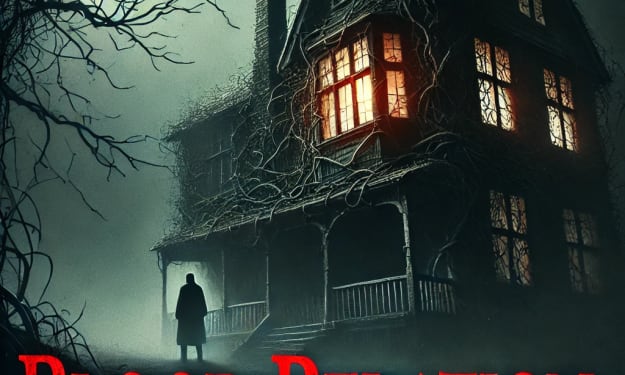
Blood Relation
A chill wind screamed down the deserted streets as Maya emerged from the taxi, her heart racing against her chest. She had spent the past two decades attempting to erase the memories of the past, but destiny had brought her back to the last place she ever wanted to be, her childhood home.
By Usman Zafar2 years ago in Art