Inspiration
The Revival of Traditional Art Techniques in a Digital World
In the age of rapid technological advancement, where digital art tools and techniques dominate the creative world, traditional art methods have not only survived but are thriving. The classical techniques of oil painting, sketching, and sculpture are being reinterpreted, enhanced, and revitalized through the use of modern digital technologies. This fusion of traditional and digital methods is not just a passing trend but a transformative movement that is shaping the future of art. The revival of traditional art techniques in a digital world highlights how creativity, in its many forms, continues to adapt and evolve. Artists are now blending the rich heritage of traditional media with the limitless possibilities of modern technology, creating new, hybrid forms of art that break boundaries and explore new creative frontiers. The Enduring Appeal of Traditional Art Traditional art techniques, such as oil painting, watercolor, pencil sketching, and clay sculpture, have stood the test of time. These methods offer a tactile experience, requiring artists to engage directly with their materials. The texture of the brushstroke, the feel of the paper, the slow buildup of layers in an oil painting—these elements contribute to the timeless appeal of traditional art. For many artists, traditional methods provide a deeper sense of connection to their craft. The patience and skill required to master these techniques create a sense of accomplishment and permanence that digital methods can sometimes lack. Even in today’s digital world, there is a profound respect for the rich history and depth of traditional artistic practices. Digital Art Tools: Expanding the Creative Palette While traditional art remains highly valued, the emergence of digital tools has opened up new avenues for creative expression. Programs like Adobe Photoshop, Corel Painter, and Procreate offer artists the ability to work digitally with the same techniques that once required physical materials. These tools allow for the manipulation of brushes, textures, and colors that mimic the effects of oil paint, pastels, and watercolors. For example, digital brushes can recreate the softness of a pencil sketch or the vibrant swirls of an oil painting. Artists can now seamlessly combine digital and traditional techniques, creating works that offer the best of both worlds. The ability to work digitally also gives artists the freedom to experiment without the constraints of traditional materials. Mistakes can be undone, layers can be adjusted, and compositions can be shifted—all with the click of a button. Digital tools make it easier for artists to refine their work and push their creative limits without worrying about the irreversible nature of traditional media. The Hybrid Approach: Blending Old and New The blending of traditional techniques with digital tools is a growing trend among contemporary artists. Many artists now create pieces that combine the hand-drawn elements of traditional art with the flexibility of digital editing. For instance, an artist might start with a hand-drawn sketch or watercolor painting, then scan the image into a computer to add digital enhancements, textures, and colors. This hybrid approach allows artists to keep the authenticity and personal touch of traditional techniques while benefiting from the precision and versatility of digital tools. The result is often a more dynamic, layered piece of art that pushes the boundaries of what is possible with either medium alone. Mixed media artists, in particular, have embraced this approach, creating works that incorporate both physical and digital elements. For example, some artists combine hand-painted canvases with digital projections, while others integrate augmented reality (AR) elements into their works, creating an immersive experience that blends the physical and digital worlds. Reviving Classical Art Forms Through Technology One of the most exciting aspects of this fusion is how modern technology is being used to revive and preserve classical art forms. Many artists are using digital techniques to reinterpret classical styles like Renaissance portraiture, Baroque still life, and Impressionist landscapes. Through the use of digital mediums, these styles are being reimagined in contemporary contexts, often with new techniques and perspectives. For example, some artists use 3D modeling software to recreate sculptures and structures in the style of classical Greek or Roman art, allowing them to experiment with new compositions or reinterpret traditional subjects in an entirely new way. Similarly, digital technology allows for the restoration of old works of art, preserving historical masterpieces for future generations while maintaining their original form. Additionally, some artists are exploring the use of virtual reality (VR) to recreate famous art galleries and museums. This technology provides a way for people to experience classical art in a completely immersive environment, making art more accessible to a global audience. The Future of Traditional Art in a Digital Age The fusion of traditional and digital art techniques is a testament to the resilience and adaptability of art itself. As technology continues to advance, artists will have even more tools at their disposal to merge the past with the present, creating new forms of expression that were once unimaginable. The possibilities are endless. In the future, artists may be able to create works that combine physical painting with augmented reality, allowing viewers to interact with the artwork in real time. Artificial intelligence (AI) may play a role in the creative process, helping artists generate new ideas or refine existing works. At the same time, the core values of traditional art—craftsmanship, emotional depth, and the pursuit of beauty—will continue to be central to the artistic process. Digital tools are not replacing traditional methods; rather, they are enhancing them, providing artists with new ways to expand their creative horizons. Conclusion: The Best of Both Worlds The revival of traditional art techniques in a digital world is an exciting development that showcases the flexibility and enduring nature of artistic expression. As artists continue to blend the old with the new, they are creating innovative masterpieces that honor the past while embracing the future. Whether through digital paintings, hybrid media works, or the preservation of classical forms, this fusion is shaping the future of art in ways that are both inspiring and groundbreaking. As the world of art continues to evolve, it is clear that the creative possibilities of blending traditional and digital techniques are limitless. The future of art is an exciting place where artists can explore new methods of creation, pushing the boundaries of what is possible while still honoring the rich legacy of the artistic past.
By Hridoy Hasan2 years ago in Art
The Rise of Abstract Art: Shaping the Future of Artistic Expression
Art has long been a means for humanity to express emotions, beliefs, and ideas. From the intricate realism of the Renaissance to the fluidity of Impressionism, art has constantly evolved. However, no movement has been as revolutionary—or as controversial—as the rise of abstract art. Abstract art, which emerged in the early 20th century, broke free from traditional forms of representation. Instead of depicting recognizable subjects, abstract artists sought to explore color, form, and emotion through non-representational means. While initially met with skepticism, abstract art has since become one of the most significant movements in modern art, forever altering how we view and experience visual expression. The Birth of Abstract Art The seeds of abstract art can be traced back to the late 19th and early 20th centuries, as artists began to feel constrained by the rules of realism and academic traditions. Inspired by the growing movements of Cubism, Expressionism, and Futurism, artists began to experiment with the very fundamentals of art: color, line, and shape. The pivotal moment in the birth of abstract art came in 1910 when Russian artist Wassily Kandinsky created the first purely abstract work, titled Composition I. For Kandinsky, abstract art was a means to express the inner spiritual world. His exploration of color and form was not just a visual endeavor, but an emotional and intellectual one, conveying the profound power of non-representational art. Other artists, such as Piet Mondrian and Kazimir Malevich, also contributed to the development of abstract art by moving away from the natural world in favor of geometric shapes and minimalistic compositions. These early pioneers of abstraction laid the groundwork for the diverse range of abstract art movements that would follow. The Philosophical Shift Behind Abstract Art At the heart of abstract art lies a fundamental shift in the way artists viewed their relationship with the world. Traditional art, focused on realistic depictions of nature, people, and objects, sought to mirror the external world. In contrast, abstract art broke away from this idea and instead focused on the internal world of emotions, perception, and ideas. The rise of abstraction was also influenced by the scientific and philosophical advancements of the time. Thinkers like Sigmund Freud and Carl Jung introduced ideas about the unconscious mind and symbolism, which resonated with many abstract artists. They sought to convey feelings and concepts that could not be expressed through traditional realism, tapping into the deeper layers of human experience. Furthermore, the devastation of the two World Wars led to a reevaluation of human progress and meaning, fueling the desire to explore new forms of expression. Abstract art provided a vehicle for artists to reflect the chaos, uncertainty, and complexity of the modern world. The Impact of Abstract Art on Modern Culture Over time, abstract art found its place in galleries, museums, and private collections around the world. It challenged viewers to look beyond mere representation and engage with art on a more emotional and intellectual level. One of the most significant aspects of abstract art is its ability to evoke a wide range of interpretations. Where traditional art often provided a clear narrative or subject, abstract works encourage personal interpretation. A single painting may evoke different emotions in different viewers, based on their own experiences, thoughts, and perceptions. For many artists, abstract art became a means of personal expression and experimentation. By removing recognizable subjects, they could focus entirely on elements like color, texture, and composition. As a result, the world of abstract art became incredibly diverse, ranging from the bold, geometric shapes of Mondrian to the energetic, chaotic brushstrokes of Jackson Pollock. The Role of Technology in Abstract Art As technology continues to advance, the possibilities for abstract art expand. The digital age has introduced new tools that allow artists to create and manipulate their work in ways that were previously unimaginable. Software like Adobe Photoshop and Procreate enables artists to explore abstract forms and colors digitally, creating artworks that blend the traditional with the modern. Furthermore, technologies such as virtual reality (VR) and augmented reality (AR) are opening up entirely new dimensions of abstract art. These immersive experiences allow viewers to interact with abstract works in a way that traditional two-dimensional art cannot offer. Artists can now create virtual worlds that exist in a space between reality and imagination, offering an even more dynamic, participatory experience for audiences. Abstract Art Today: A Continuation of Innovation Today, abstract art continues to thrive and evolve, with artists exploring new materials, techniques, and concepts. In a world where traditional boundaries between different art forms are constantly being blurred, abstract art remains at the forefront of experimentation and innovation. From street art to installation art, abstract techniques are being used in new ways. Artists like Mark Bradford and Julie Mehretu incorporate abstract elements into their large-scale works, often blending abstraction with social and political commentary. These contemporary artists use abstraction not only as a form of personal expression, but also as a tool to address complex global issues. Conclusion: The Enduring Power of Abstract Art Abstract art may have begun as a radical departure from tradition, but today it is an integral part of the art world. Its ability to express emotion, explore new ideas, and push the boundaries of creativity ensures its continued relevance. Whether through traditional canvases or the latest technological advancements, abstract art remains a powerful medium for exploring the inner workings of the human experience. As we move further into the 21st century, abstract art will continue to challenge our perceptions, inspire new ways of thinking, and shape the future of artistic expression.
By Hridoy Hasan2 years ago in Art
The Evolution of Digital Art: A New Era of Creativity
Art has always been a reflection of human creativity and expression. From the earliest cave paintings to the masterpieces of Renaissance artists, the art world has continually evolved. But in the past few decades, a new shift has occurred, thanks to the rapid development of technology: digital art. Digital art is the creation of artwork using digital tools and platforms, such as graphic design software, 3D modeling programs, and digital painting apps. It has revolutionized the way artists create, communicate, and share their work with the world. The Rise of Digital Art The 21st century saw a significant rise in digital tools that allowed artists to break free from traditional mediums. Programs like Adobe Photoshop, Illustrator, and Procreate have become staples in every digital artist’s toolkit. These programs allow for infinite flexibility, offering features like undo/redo, layers, and virtual brushes, which traditional art methods simply can’t match. The ability to create and manipulate art digitally means artists can experiment without fear of ruining their work. The process has become more fluid and forgiving, providing new ways to visualize and experiment with ideas. In addition to this, digital platforms like Behance and DeviantArt have given artists global exposure, enabling them to connect with a wider audience than ever before. The Impact of Social Media on Digital Art One of the key drivers behind the popularity of digital art is the rise of social media. Platforms like Instagram, Pinterest, and TikTok have become crucial spaces for artists to showcase their work. In many ways, social media has democratized art, making it possible for anyone with an internet connection to share their creations with the world. For digital artists, this exposure can lead to new opportunities. From collaborations with brands to commissions from fans, social media has created a thriving economy around digital art. In fact, some artists have gone on to build full-time careers solely through social media platforms, showcasing the enormous potential of digital artistry in today’s world. Digital Art in the Modern Art World Although digital art has existed for decades, it is only in recent years that it has started to gain acceptance in the traditional art world. Digital works are being featured in galleries, auctioned at major events, and even displayed in museums. The integration of digital art into the broader art market is helping to establish its place in the long history of artistic innovation. One of the most exciting developments in the digital art world is the emergence of NFTs (Non-Fungible Tokens). NFTs are digital assets that use blockchain technology to verify ownership, allowing artists to sell their work directly to buyers while ensuring authenticity. NFTs have opened up a new avenue for artists to monetize their digital creations, creating a new frontier for art collectors and artists alike. Challenges and Criticisms Despite its rise, digital art is still often misunderstood. Some critics argue that digital art lacks the "soul" of traditional art, as it doesn’t involve physical mediums like paint or clay. Additionally, the idea that digital artwork can be reproduced infinitely challenges traditional notions of uniqueness and originality. However, these criticisms are being challenged as digital art continues to evolve. With the advent of NFTs, each digital artwork can now be uniquely identified and owned, similar to a physical artwork. Furthermore, many digital artists combine digital and traditional techniques, blurring the lines between the two worlds. The Future of Digital Art As technology continues to advance, so too will the possibilities for digital art. Virtual reality (VR) and augmented reality (AR) are already being integrated into the world of art, allowing artists to create immersive, interactive experiences that transcend the limitations of traditional art forms. AI-generated art is also a growing trend, with programs like DeepArt and Artbreeder allowing creators to use artificial intelligence to generate entirely new images or even collaborate with AI to produce unique works. While this raises questions about authorship and creativity, it also expands the boundaries of what is possible in art. In the future, we may see even more groundbreaking innovations, as digital tools continue to evolve, offering artists new ways to create, share, and sell their work. The digital art world is an exciting space, and we are only just beginning to scratch the surface of its potential. --- Conclusion: Digital art is not just a trend; it is the future of artistic expression. It has reshaped how art is created, shared, and consumed. As technology continues to evolve, digital art will continue to break boundaries and inspire the next generation of artists.
By Hridoy Hasan2 years ago in Art
Bridal Mandala Mehndi Designs That Will Leave Everyone Speechless!
Mehndi is more than just an art; it’s a tradition, a celebration, and a symbol of beauty. Among various styles, Mandala Mehndi Designs hold a special place for their intricate circular patterns that exude grace, symmetry, and elegance. Whether you're a bride, a bridesmaid, or simply a Mehndi lover, Mandala designs can enhance your hands and feet with their mesmerizing appeal.
By Shaadi Dukaan2 years ago in Art
The Café on Maple Street: A Love Story That Started with a Cup of Coffee. AI-Generated.
It was a rainy Tuesday afternoon when Emma walked into the little café on Maple Street. She wasn’t looking for love—she was just looking for a quiet place to work. The café was small but charming, with warm lighting, the smell of freshly brewed coffee, and the soft hum of indie music playing in the background.
By Pial Hasan2 years ago in Art
Top 10 Most Beautiful Libraries Around the World: Stunning Architectural Gems for Book Lovers. AI-Generated.
Libraries are more than mere repositories of books; they are sanctuaries of knowledge, architectural masterpieces, and reflections of human creativity. From historic treasures to futuristic designs, libraries have been inspiring visitors for centuries. In this article, we explore ten of the most beautiful libraries around the world that every book lover and architecture enthusiast should know about.
By Sadia Kabir2 years ago in Art
Jorell Sepulveda
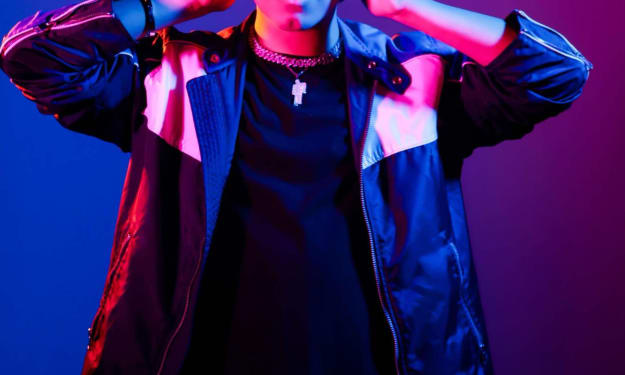
Jorell Sepulveda, an 18-year-old from Clermont, Florida Born on October 31st 2006, has been passionate about acting and filmmaking since a young age. His early foray into the arts began with a memorable role in kindergarten, where he portrayed a character from “Little Einsteins.” This experience ignited his love for performance and storytelling.
By Ryan colton 2 years ago in Art
science of knee renewal
Science of knee renewal The science of knee renewal is a fast-growing field that offers hope for knee pain relief. It helps us understand how to keep our joints healthy and reduce pain. This field is based on the newest research in orthopaedics and regenerative medicine.
By Top Services 2 years ago in Art
home doctor brand new book printed
The Home Doctor: Practical Medicine for Every Household is a groundbreaking book designed to empower individuals to take control of their health in everyday situations. Written by experienced medical professionals, this comprehensive guide provides easy-to-follow advice for managing common illnesses, injuries, and emergencies when professional medical care is unavailable. The book is tailored for individuals who value preparedness and want to equip themselves with practical knowledge to handle medical challenges at home. With clear illustrations and step-by-step instructions, readers can learn to address issues ranging from minor cuts and burns to more serious conditions like infections and dehydration.
By Top Services 2 years ago in Art
YouTuber Ranveer Allahbadia Requests Makers of Samay Raina’s Show to Address Inappropriate Video
Ranveer Allahbadia, a popular YouTuber and content creator, recently made a request to the makers of Samay Raina’s show after an inappropriate video surfaced online. The incident has sparked discussions among fans and followers, highlighting the importance of responsible content creation in the digital space.
By Jagdish Bhosale2 years ago in Art
Timeless & Trendy Leg Mehndi Designs – Perfect for Every Occasion
Mehndi, also known as henna art, has been an integral part of traditional celebrations for centuries. Whether for weddings, festivals, or special occasions, beautifully designed legs covered in Mehndi enhance a woman’s grace and charm. If you’re searching for the Best Leg Mehndi Designs, this guide brings you an exclusive collection of evergreen patterns that blend tradition with modern elegance.
By Shaadi Dukaan2 years ago in Art
Noah Jupe
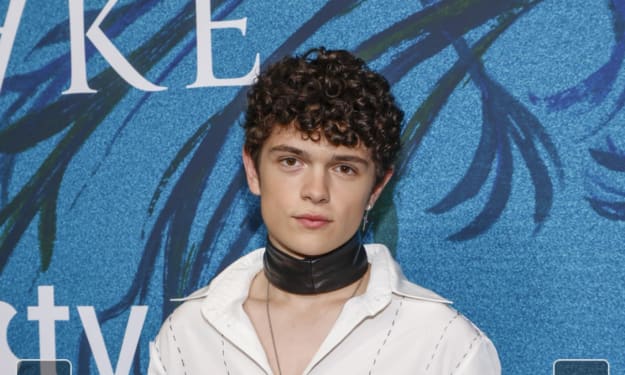
Noah Jupe is a burgeoning British actor with an impressive filmography and remarkable talent. He gained recognition for his roles in the acclaimed television series "The Night Manager" (2016), George Clooney's dark comedy "Suburbicon" (2017), and the heartwarming drama "Wonder" (2017). Jupe's talent truly shone through in the horror film "A Quiet Place" by
By Ryan colton 2 years ago in Art