
How a Painting of a P*ssy Helped Shape an Art Movement
A small, quick peek into some art history


The painting itself, when viewed from today’s society and our modern history by a bird flying through all our chapters of human existence—is not all too explicit or scandalous, maybe a little provocative towards some wide, dry eyes. Though back in the artist's day, it faced controversy because it's a painting of a boob, torso, thighs, and a p*ssy. (Google it for the uncensored version.)
It’s the human form in a position that I am sure many have found themselves in over the centuries—naked, legs spread open, lounging. Yes, a common association does arise with the last sentence, but let's consider other scenarios. Perhaps someone just came from a shower and wanted to air dry; or another who found the room a little too hot; or maybe someone just sleeps naked. Alternatively, this position could be for an artist's view surrounded by peers in a purposely dim-lit studio, covered in charcoal and graphite, studying anatomy for the hundredth hour.
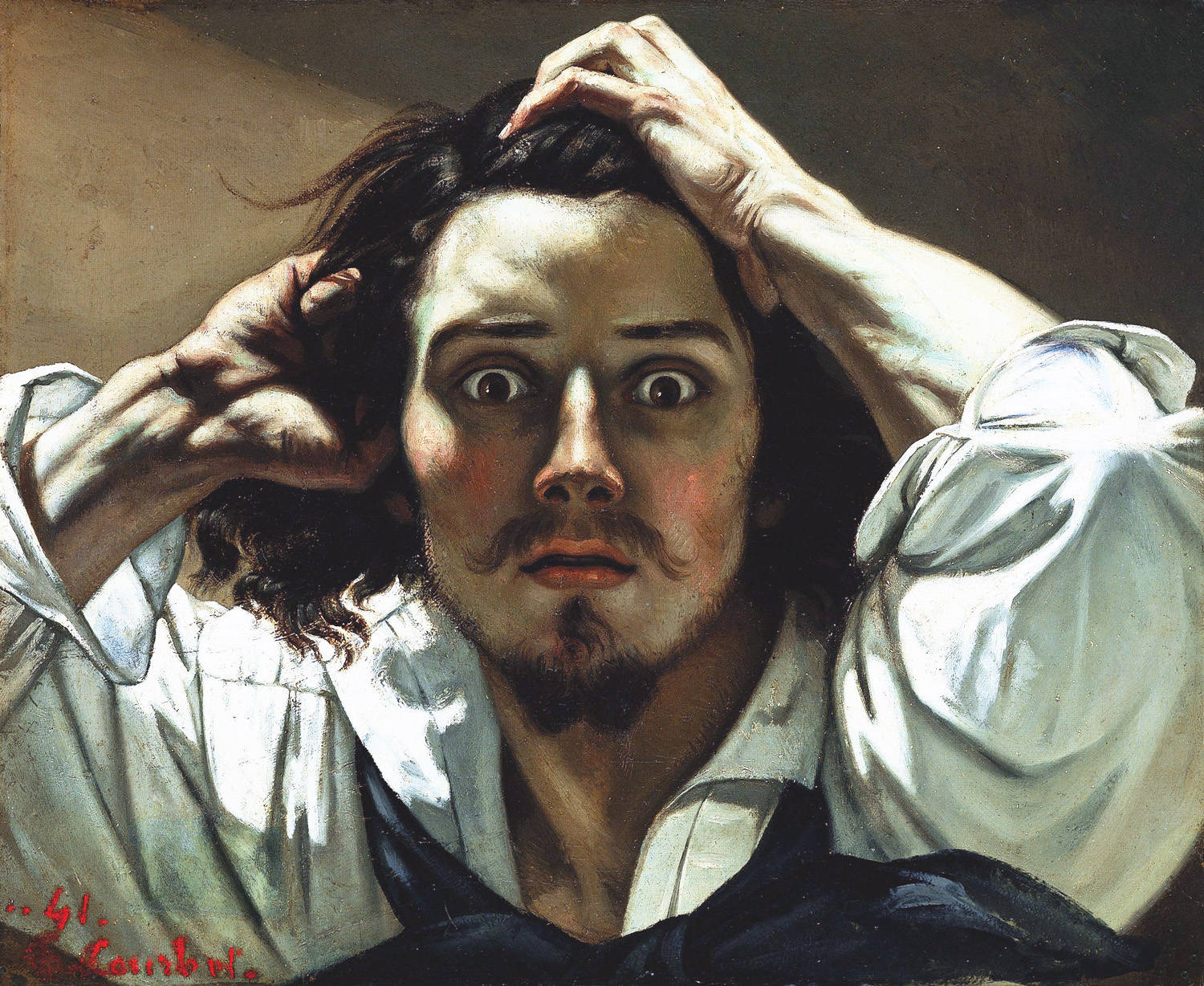
The controversial painting, likely created as an exploration of the human body and sexuality, is the work of French artist Gustave Courbet from 1866. Born in 1819 in a small town in eastern France, Courbet displayed a keen interest in the arts from an early age. He enrolled in the Royal College of Fine Arts in Paris. By the early 1850s, Courbet emerged as a prominent figure in the Realist Movement, rejecting the idealized conventions of the Romanticism era (artistic emphasis on emotions, individualism, imagination, and nature). Aligning himself with leftist causes, he played a role in the *Paris Commune of 1871 and briefly served as the head of the Paris Commune's Ministry of Culture–which didn’t work out for him as he was imprisoned and exiled in Switzerland until his death in 1873.
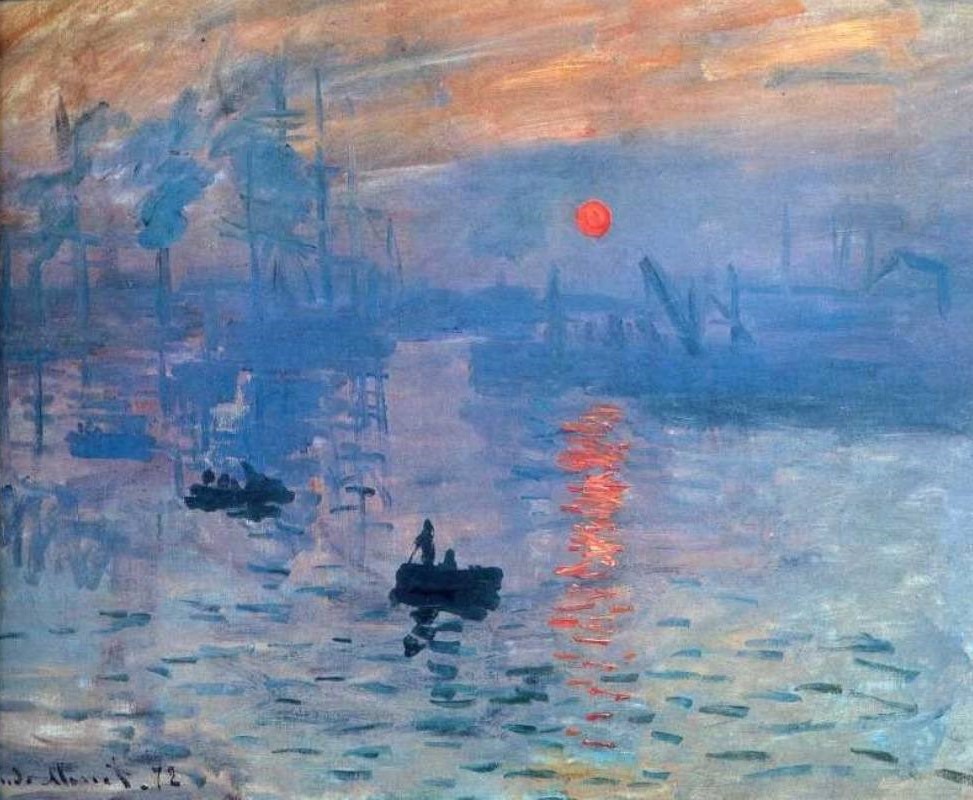
What is more human than the desire to rebel from society's conventions? Gustave Courbet stands as a prominent figure among artists who rejected the idealized depictions of Romanticism. His preference leaned towards detailed, truthful, blunt, and common representations of everyday life and social issues—the Realism Movement. This rebellion against the norms of his time and the rising popularity of photography also laid the groundwork for the emergence of Impressionism (think artists like Claude Monet and Pierre-Auguste Renoir). Their distinctive style, characterized by loose brushstrokes, lighter colors, an emphasis on capturing light, and a departure from perfection, marked a revolution against the rigid norms of the art world.
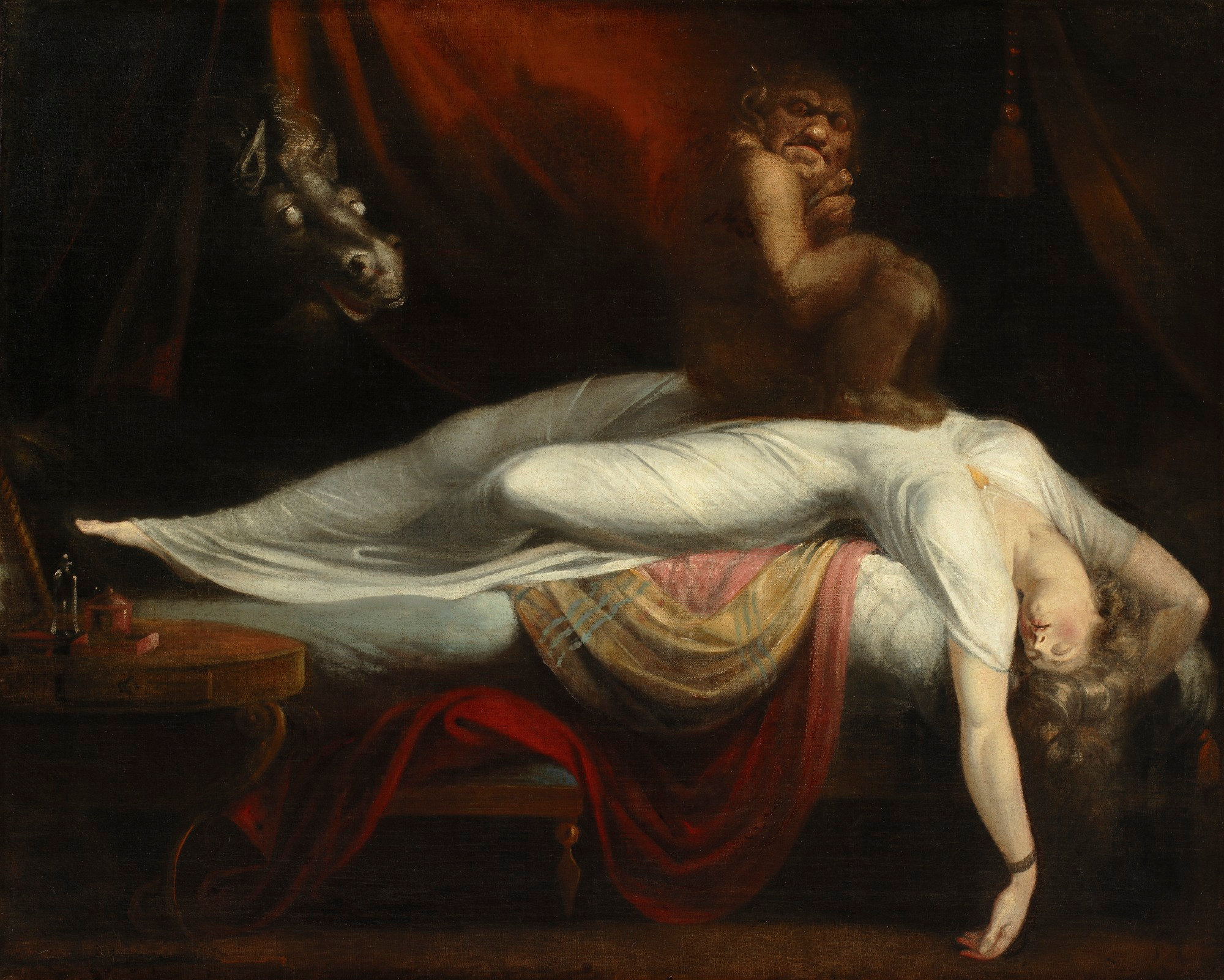
No secret, Courbet's 'L'Origine du monde' was quite the scandal. Realism = truth = outrage. Kept under wraps, revealed only to a select few, it was a deliberate challenge to societal norms and artistic conventions. Why? Well, it dared to be different, breaking away from the idealized portrayals typical of its time. Courbet's work was bold and unapologetic, offering a blunt exploration of the human form. One of the biggest bluntness of the form, aside from the obvious is, strangely enough, the pubic hair, which wasn't shown in art outside of pornography.
The explicit depiction of genitalia (p*ssy), finally found its place in the Musée d'Orsay in Paris, acquired in 1995. Even today, it stands as a reminder of art's ability to question, disrupt, and reshape our understanding of beauty and representation. It touches both sides of the coin of outrage among scholars: those who believe this to be an example of objectification and those who see it as a testament to rebellion in the art world.
In my eyes, it's a beautiful piece—blunt, straightforward, and a raw portrayal of how something so normal can and has to confront societal taboos, stretch rigid boundaries, and reassess censorship. Was it probably commissioned by Khalil Bey, a wealthy collector for a penchant for erotic art and a known business relationship with Courbet? Maybe. If true, Courbet used this to his advantage in shaping the Realism Movement because he had the privilege's of being able to. And honestly, I'm thinking of buying a copy of the painting and putting it up in the living room...or maybe near the kitchen, above the dining table.
But beauty is in the eye of the beholder, so, in your artistic eye, does this piece qualify as art or pornography, a significant chapter in art history or a passing phase of artistic expression, a study in simple anatomy or a deliberate act of provocation? Is it an invitation to voyeurism, or is it, quite simply, "The Origin of the World"?
____________________________________________________
*The Paris Commune of 1871 was a short-lived socialist government in Paris, formed in response to the aftermath of the Franco-Prussian War. It aimed for democratic and egalitarian reforms but faced suppression by the French government, leading to its downfall after only a few months.
About the Creator
K. Kocheryan
I write, delete, write, and on most days, delete again.
Enjoyed the story? Support the Creator.
Subscribe for free to receive all their stories in your feed. You could also become a paid subscriber, letting them know you appreciate their work.
Comments
There are no comments for this story
Be the first to respond and start the conversation.