Challenge
TRAVEL OF MOUNT EVEREST
** A GUIDE TO TRAVELING TO MOUNT EVEREST** Mount Everest, the pinnacle of adventure and human achievement, stands at a staggering 8,848 meters (29,029 feet) above sea level, making it the highest mountain in the world. For centuries, this majestic peak has drawn explorers, adventurers, and mountaineers from around the globe, all eager to stand on top of the world. However, the journey to Everest is not just a physical challenge but a deeply transformative experience that demands preparation, endurance, and respect for the mountain. Whether you aim to reach the summit or simply marvel at its grandeur from a safe distance, here’s everything you need to know about traveling to Mount Everest. ### UNDERSTANDING MOUNT EVEREST: A BRIEF OVERVIEW Mount Everest is part of the Himalayas, a mountain range that spans five countries: India, Nepal, Bhutan, China (Tibet), and Pakistan. The mountain itself lies on the border between Nepal and the Tibet Autonomous Region of China. While Everest is a symbol of ultimate achievement, it's also a place of immense cultural and spiritual significance for the local Sherpa people, who regard it as sacred. ### WHEN TO GO: BEST TIME TO VISIT The best time to visit Everest largely depends on what you want to achieve. For trekking to Everest Base Camp (EBC), the most popular seasons are pre-monsoon (March to May) and post-monsoon (late September to November). These periods offer the most stable weather, with clear skies and relatively mild temperatures, ideal for both trekking and climbing. For those attempting to summit Everest, the window is much narrower. Most climbers target the brief window in May when the weather is most favorable, just before the monsoon season begins. Some also aim for the autumn season (September to November), though the conditions are generally more challenging. ### GETTING THERE: THE JOURNEY BEGINS #### 1. **Reaching Kathmandu** Most travelers begin their journey in Kathmandu, Nepal’s capital. Kathmandu is well-connected by international flights, making it a convenient starting point. The city itself is a vibrant mix of ancient culture and modernity, and spending a day or two here is recommended to explore its UNESCO World Heritage Sites like Swayambhunath (the Monkey Temple) and Durbar Square. #### 2. **Lukla: The Gateway to Everest** From Kathmandu, travelers typically take a short yet thrilling flight to Lukla, a small town perched at an altitude of 2,860 meters (9,383 feet). The Tenzing-Hillary Airport in Lukla is renowned for its challenging landing strip, offering an adrenaline-filled start to the adventure. Once in Lukla, the trek to Everest Base Camp (EBC) begins. ### THE TREK TO EVEREST BASE CAMP (EBC) #### 1. **Phakding (2,610 m / 8,563 ft)** From Lukla, the first day’s trek usually takes you to Phakding, a small village located on the banks of the Dudh Koshi River. This relatively easy trek allows you to acclimatize to the altitude while enjoying the stunning scenery. #### 2. **Namche Bazaar (3,440 m / 11,286 ft)** The next major stop is Namche Bazaar, the bustling heart of the Khumbu region. Namche is a great place to acclimatize, shop for last-minute gear, and soak in the local Sherpa culture. The town offers a range of amenities, including bakeries, internet cafes, and even small museums. #### 3. **Tengboche (3,867 m / 12,687 ft)** Tengboche is home to the famous Tengboche Monastery, the largest gompa in the Khumbu region. The trek to Tengboche offers breathtaking views of Everest, Lhotse, Nuptse, and Ama Dablam. This is also where trekkers can experience the spiritual aspect of the Himalayas. #### 4. **Dingboche (4,410 m / 14,468 ft)** Dingboche is often where trekkers spend an extra day to acclimatize. The village is located in a valley with sweeping views of Ama Dablam and the Imja River. Here, you’ll start to feel the effects of high altitude, so taking it slow is key. #### 5. **Lobuche (4,940 m / 16,207 ft)** The trek becomes more challenging as you approach Lobuche. The air is thinner, and the terrain is more rugged. However, the sense of accomplishment grows as you get closer to Everest Base Camp. #### 6. **Gorak Shep and Everest Base Camp (5,364 m / 17,598 ft)** Gorak Shep is the last stop before reaching Everest Base Camp. The final push to EBC is demanding but immensely rewarding. Standing at the base of the world's highest peak is a surreal experience, one that’s hard to put into words. ### CLIMBING MOUNT EVEREST: THE ULTIMATE CHALLENGE For those aiming to summit Everest, extensive preparation, training, and acclimatization are crucial. Most climbers spend several weeks at Everest Base Camp, gradually moving to higher camps to acclimatize before making their final summit attempt. The climb is divided into several stages: - **Base Camp (5,364 m / 17,598 ft)** - **Camp I (6,065 m / 19,900 ft)** - **Camp II (6,500 m / 21,300 ft)** - **Camp III (7,470 m / 24,500 ft)** - **Camp IV (7,920 m / 26,000 ft)**: Known as the "Death Zone" due to the extreme altitude. The final ascent usually begins at midnight, aiming to reach the summit in the early hours of the morning, when the weather is most stable. ### SAFETY AND PREPARATION Traveling to Everest is not without risks. Altitude sickness, harsh weather conditions, and the physical demands of the trek or climb are significant challenges. It’s essential to: - **Acclimatize Properly**: Take your time to adjust to the altitude. Symptoms of altitude sickness should not be ignored. - **Pack Wisely**: Carry essential gear like warm clothing, a good sleeping bag, trekking poles, and a well-stocked first aid kit. - **Stay Hydrated and Eat Well**: Keeping your body fueled and hydrated is crucial for maintaining energy levels. - **Travel with a Guide**: Hiring an experienced guide or joining a reputable trekking group can enhance safety and provide valuable insights into the local culture and environment. ### CULTURAL ETIQUETTE AND ENVIRONMENTAL RESPONSIBILITY The Everest region is home to the Sherpa community, whose hospitality and deep spiritual connection to the land are integral to the Everest experience. Respect local customs, dress modestly, and ask for permission before photographing people or sacred sites. Environmental conservation is also paramount. The influx of trekkers and climbers has put a strain on the delicate ecosystem. Follow the Leave No Trace principles: pack out all trash, avoid using single-use plastics, and stick to designated paths to minimize your impact. ### CONCLUSION Traveling to Mount Everest is a once-in-a-lifetime experience that combines natural beauty, physical challenge, and cultural immersion. Whether you’re trekking to Everest Base Camp or aiming for the summit, the journey is as much about self-discovery as it is about reaching your destination. With careful planning, respect for the environment, and an appreciation for the local culture, your adventure to Everest will be an unforgettable chapter in your life’s story.
By Mridul Kushwah2 years ago in Writers
Microbial Diversity in Soil Samples from Abuja: Implications for Agriculture and Environmental Health
Research Paper in Microbiology, Abuja, Nigeria The past years have recorded tremendous growth in the field of microbiology. This extends to Abuja in Nigeria. The focus of this paper is to discuss how research being conducted in Abuja, Nigeria adds to the existing body of knowledge and how it tackles specific regional problems. To appreciate its significance and streamline further studies, explaining the context and impact of the study is imperative.
By Cathy Rowden2 years ago in Writers
Sports Climbing Combined Olympics: Paris 2024 Guide
The Paris 2024 Olympics will feature a new combined format of sport mountaineering. It will include speed, bouldering and lead types of mountaineering. How will this new format contribute to the development and promotion of the sport of mountaineering ? Do you know how beneficial this will be for the sport?
By Kamalglobal2 years ago in Writers
The Golden Moment
As the lights dimmed in the aquatic center, a hush fell over the crowd. The Olympic artistic swimming competition was about to begin, and the tension was palpable. Among the athletes vying for gold was Maria, a young swimmer from a small town who had dedicated her life to this moment. Maria's journey began when she was just a child, mesmerized by the synchronized swimmers on TV. She spent hours in the pool, perfecting her technique, and dreaming of the Olympics. Her parents sacrificed everything to support her passion, driving her to countless practices and competitions. They had seen the fire in her eyes and knew that her dreams were worth every ounce of their support. As Maria grew older, the sacrifices only intensified. She faced injuries, setbacks, and self-doubt, but her love for the sport kept her going. She found solace in the water, where she could express herself freely. Each setback was met with renewed determination. There were days when the pain was overwhelming, when the weight of her dreams seemed too heavy to bear, but the water was always her sanctuary, a place where she could escape and find her strength again. Now, as she stood on the pool deck, Maria felt the weight of her journey. She thought of her family, her coaches, and her teammates, all of whom had believed in her. She could almost hear her mother's encouraging voice, her father's proud cheers, and her coach's stern but supportive words. She took a deep breath, visualized the routine, and plunged into the water. The music began, and Maria's body became one with the rhythm. Her movements were a seamless blend of grace and power, each motion a reflection of countless hours of practice and dedication. She twirled, leaped, and spun, her every gesture a testament to her hard work. The crowd watched in awe as she performed, their cheers rising with each flawless move. Maria's connection to the music and the water was palpable; she seemed to transcend the physical realm, her performance an ethereal dance that captivated everyone in the arena. But the competition was fierce, and Maria's rival, a seasoned athlete from a powerhouse nation, was not to be underestimated. This rival had been dominating the sport for years, and the pressure to outperform her was immense. The two swimmers went head-to-head, their performances a masterclass in artistry and athleticism. The rival's routine was flawless, a display of technical precision and artistic flair that left the audience breathless. Yet, Maria was undeterred. She channeled every bit of her energy and focus into her final moments, determined to leave an unforgettable mark. In the end, Maria's dream came true – she stood atop the podium, gold medal around her neck, national anthem playing. The emotion of the moment overwhelmed her. Tears of joy streamed down her face as she thought of all those who had supported her. She knew that this moment was not just hers, but theirs as well. It was a celebration of every early morning practice, every missed birthday, every moment of doubt that had been overcome. As Maria walked off the pool deck, she felt an overwhelming sense of pride and gratitude. The cheers of the crowd still echoed in her ears, mingling with the soft whispers of her memories. She had given everything to artistic swimming, and it had given her so much more in return. She knew that this moment would stay with her forever, a reminder of the power of passion, perseverance, and the human spirit. Later that night, as she sat alone in her hotel room, Maria reflected on her journey. The gold medal lay beside her, its weight a tangible reminder of her accomplishment. She thought about the future and the new challenges it might bring, but for now, she allowed herself to savor the victory. She had achieved what she had once only dreamed of, and in that quiet moment of solitude, she felt a profound sense of peace. As the sun rose the next morning, Maria looked out over the city with a renewed sense of purpose. The world seemed full of possibilities, and she was ready to embrace whatever came next. She knew that her journey was far from over, but she was prepared to face it with the same determination and passion that had brought her to this point. The gold medal was not just a symbol of her success; it was a testament to the strength of her spirit and the unwavering support of those who had believed in her. And as she set her sights on new horizons, Maria felt ready to dive into whatever challenges lay ahead, confident that she could conquer them just as she had conquered the water.
By Chibike David2 years ago in Writers
Research Paper On Recruitment And Selection In Alkmaar, Netherlands(2024)
Introduction Contemporary organizations to retain their competitiveness in the global market have to enter into an efficient recruitment and selection process to hire the most talented workforce. Consequently, recruitment and selection is the preliminary step toward building a talented workforce in any organization and thereby fixing its strategic objectives. This paper grounds the study on the current recruitment and selection trends, challenges, and good practices at Alkmaar, Netherlands.
By Cathy Rowden2 years ago in Writers
Why did people wear powdered wigs?
In 1624, 23-year-old King Louis XIII of France faced a crisis: he was losing his hair. At a time when a monarch's hair symbolized power and nobility, this was a significant concern. Louis, however, chose not to dwell on it and instead initiated a 150-year fashion trend by donning an exceptionally full wig.
By Hundaol Begna Talbaso2 years ago in Writers
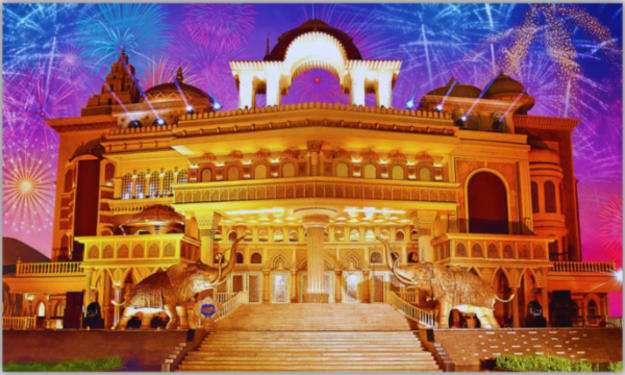
Kingdom of Dreams distance
1. Introduction to the Kingdom of Dream The Kingdom of Dream Distance , located in Gurgaon, Haryana, is India’s first live entertainment and theatre destination, offering an immersive experience that blends Indian culture, heritage, and modernity.Kingdom of dreams distance Spread over acres of land, this cultural hub has redefined entertainment by bringing together the diversity of India’s traditions through theatrical performances, musicals, and interactive attractions. Kingdom of dreams distance For those looking to experience the essence of India in a single location, the Kingdom of dreams distance is the ultimate destination.
By Yogi India2 years ago in Writers
Just Going Swimming
"Water, Lilly. Water!" Gripping the collar on Lilly's neck, I allowed her to pull me forward. I adjusted the leash that I had tied around my wrist, looking around with unseeing eyes. I knew I heard water somewhere, past all the sounds of people talking around me- waves sloshing over each other somewhere to the right. As I walked uncertainly forward, I reached a hand out and felt cold, hard steel beneath my palm as I grabbed something that seemed to be a pole, then moved my hand to the left and felt another one.
By Jessica Phoenix2 years ago in Writers
Jodhpur To Nakoda Distance
1. Jodhpur To Nakoda : A Complete Travel Guide Traveling from Jodhpur to Nakoda Ji Distance is not just a journey; it’s an experience filled with spiritual significance, beautiful landscapes, and the charm of Rajasthan. Whether you’re planning a pilgrimage or simply wish to explore the cultural heritage of this region, understanding the distance and planning your travel route is crucial. Let’s break down everything you need to know about the distance from Jodhpur to Nakoda Ji Distance, Hire Car Rental In Jodhpur and how to make the most of your trip Jodhpur to Nakoda Ji.
By Yogi India2 years ago in Writers