
Why the Darién Gap Is Considered the Most Dangerous Jungle on Earth
Hidden between two continents lies a place where nature, isolation, and human desperation collide in ways few people can truly understand

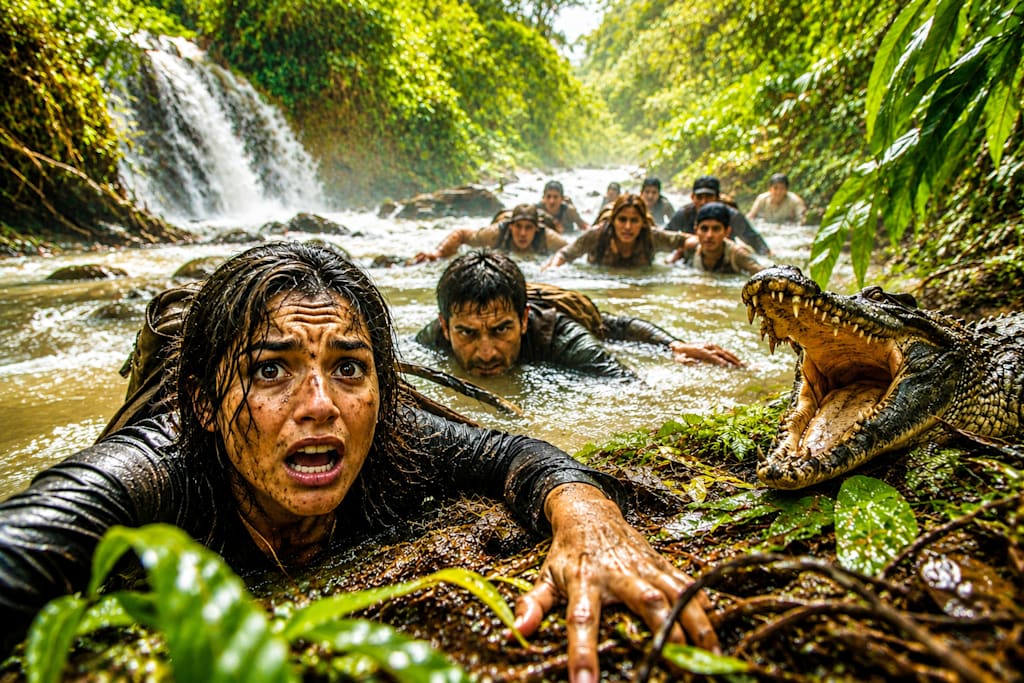
Dark green walls of towering trees stretch farther than the eye can see. Thick vines swallow old paths. Rivers change direction without warning. Every step feels uncertain. This is the Darién Gap, one of the most mysterious and feared places on Earth. It is far more than a remote jungle. It is a place where survival is never guaranteed.
Most maps show a highway connecting nearly every country in North and South America. Then, without warning, that road simply ends. Around 100 miles of wild rainforest separate Panama from Colombia, creating the only break in the famous Pan-American Highway. That missing section is the Darién Gap, and its reputation has been built through decades of danger, tragedy, and astonishing stories of survival.
The jungle itself is a powerful enemy. Towering trees block much of the sunlight, leaving the forest floor damp, slippery, and difficult to cross. Rain falls heavily throughout the year, turning trails into deep mud within hours. Rivers that appear calm can suddenly become violent after a storm. Even experienced hikers struggle to move through the dense vegetation.
Wildlife adds another layer of risk. Venomous snakes hide beneath leaves. Poison dart frogs display bright colors that warn predators to stay away. Crocodiles patrol rivers and swamps, while insects carry diseases that can quickly weaken exhausted travelers. Every sound reminds visitors that humans are not in control here.
Nature, however, is only part of what makes the Darién Gap so dangerous.
For many years, armed groups, criminal organizations, and smugglers have operated throughout the region. The thick rainforest offers perfect cover, making law enforcement extremely difficult. Travelers who wander into the wrong area can face robbery, kidnapping, or worse. Even today, governments strongly discourage anyone from attempting to cross the jungle without official support and extensive planning.
Despite these dangers, thousands of migrants attempt the journey every year. Families from different parts of the world enter the Darién Gap hoping to reach safer lives farther north. Many carry young children. Others carry only a backpack filled with food, water, and hope. Their journey has become one of the most heartbreaking humanitarian stories of recent years.
The path demands incredible physical strength. Days of walking through mud, steep hills, and flooded rivers push people beyond their limits. Food often runs out. Clean drinking water becomes difficult to find. Injuries that would seem minor in a city can become life threatening deep inside the rainforest.
Many people never complete the crossing. Flash floods, illness, accidents, and criminal violence have claimed countless lives. Search and rescue efforts are limited because reaching many parts of the jungle is nearly impossible. Those who survive often describe the experience as the hardest challenge they have ever faced.
One reason the Darién Gap continues to fascinate explorers is its incredible biodiversity. Scientists consider the region one of the richest ecosystems in the world. Thousands of plant species grow beneath its towering canopy. Rare birds fill the forest with calls that few outsiders ever hear. Jaguars, tapirs, monkeys, and countless insects share an environment that remains largely untouched by modern development.
This remarkable natural beauty exists alongside extreme danger. That contrast makes the Darién Gap unlike almost any other place on Earth. It offers breathtaking scenery while demanding complete respect from anyone who enters.
The missing highway also carries an important purpose. Building roads through the rainforest would destroy valuable habitats and threaten many unique species. Environmental experts have long argued that preserving the forest protects wildlife and Indigenous communities that have lived in the region for generations. Their knowledge of the land reflects centuries of experience and respect for nature that outsiders rarely possess.
Modern technology has mapped much of the world, yet the Darién Gap still reminds us that true wilderness has not disappeared. Satellite images reveal endless green landscapes, though they cannot fully capture the challenges waiting beneath the trees. Thick vegetation, changing weather, and rugged terrain continue to defeat even advanced equipment.
Adventure seekers occasionally dream about conquering the Darién Gap after watching documentaries or reading dramatic stories online. Those stories rarely show the full reality. This is not an extreme vacation or a bucket list hike. Professional explorers prepare for months, travel with experienced local guides, and still face serious risks. Curiosity alone is never enough.
The growing attention surrounding the Darién Gap has also sparked important conversations about migration, conservation, and international cooperation. The rainforest stands at the center of several global issues, reminding us that geography shapes human lives in powerful ways. Every person entering the jungle carries a different story, yet all face the same unforgiving landscape.
Few places combine mystery, beauty, fear, and human determination with such intensity. The Darién Gap remains one of the world's last great frontiers, where nature still holds the upper hand. It reminds us that even in an age filled with satellites, smartphones, and instant communication, there are places that refuse to be tamed. That reality is both humbling and unforgettable, leaving anyone who learns about this extraordinary jungle with a deeper respect for the power of the natural world.
About the Creator
Ojo
🔍 I explore anything that matters—because the best discoveries don’t fit into a box...
Enjoyed the story? Support the Creator.
Subscribe for free to receive all their stories in your feed.
Comments
There are no comments for this story
Be the first to respond and start the conversation.