
Where the Water Remembers: Returning to Sagpulon Falls Eight Months Later
Two visits to one waterfall in Jasaan, Misamis Oriental, became a story about observation, memory, and the value of returning.

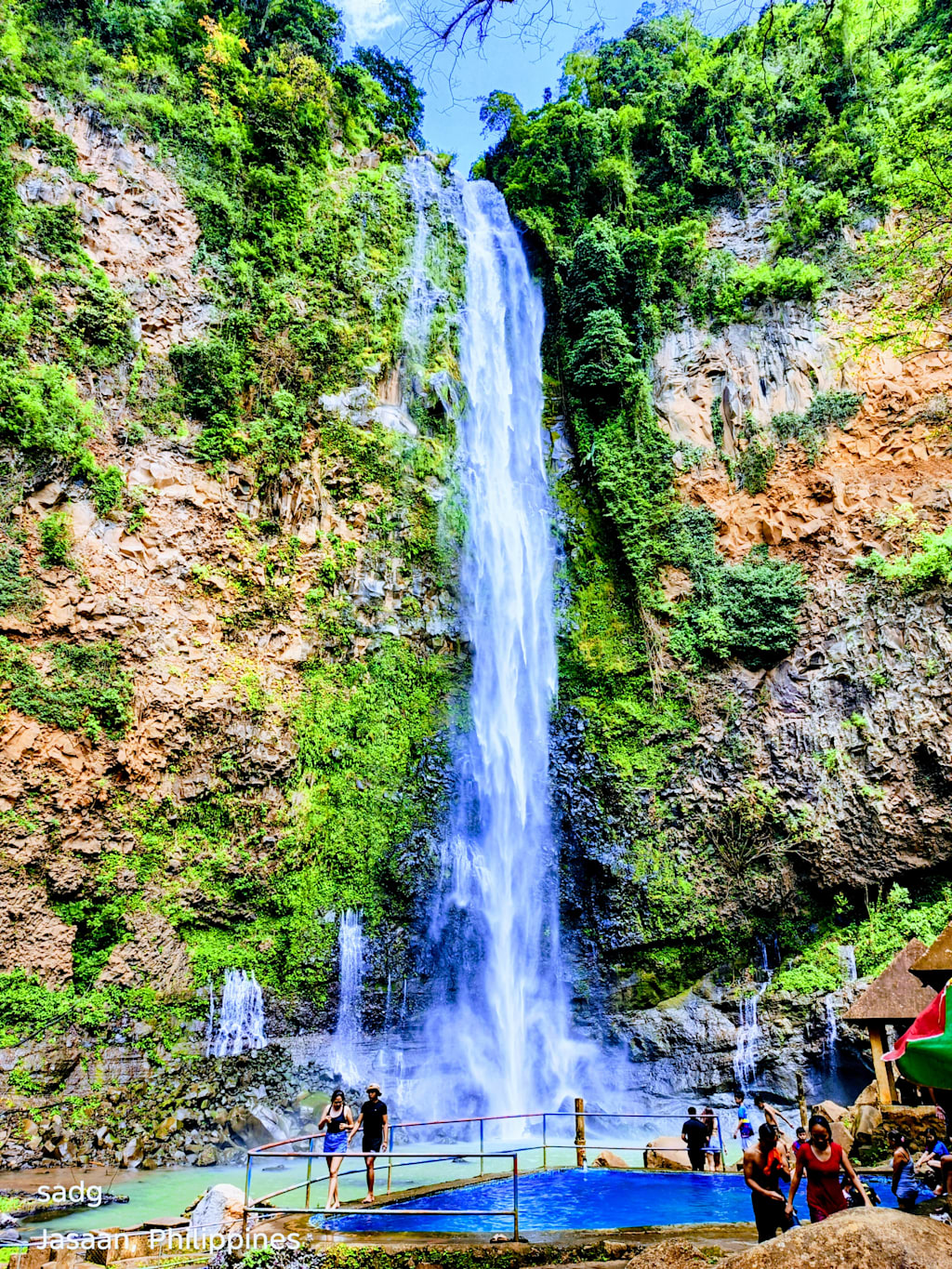
Some places impress us immediately. Others become meaningful only after we return.
For me, Sagpulon Falls became both.
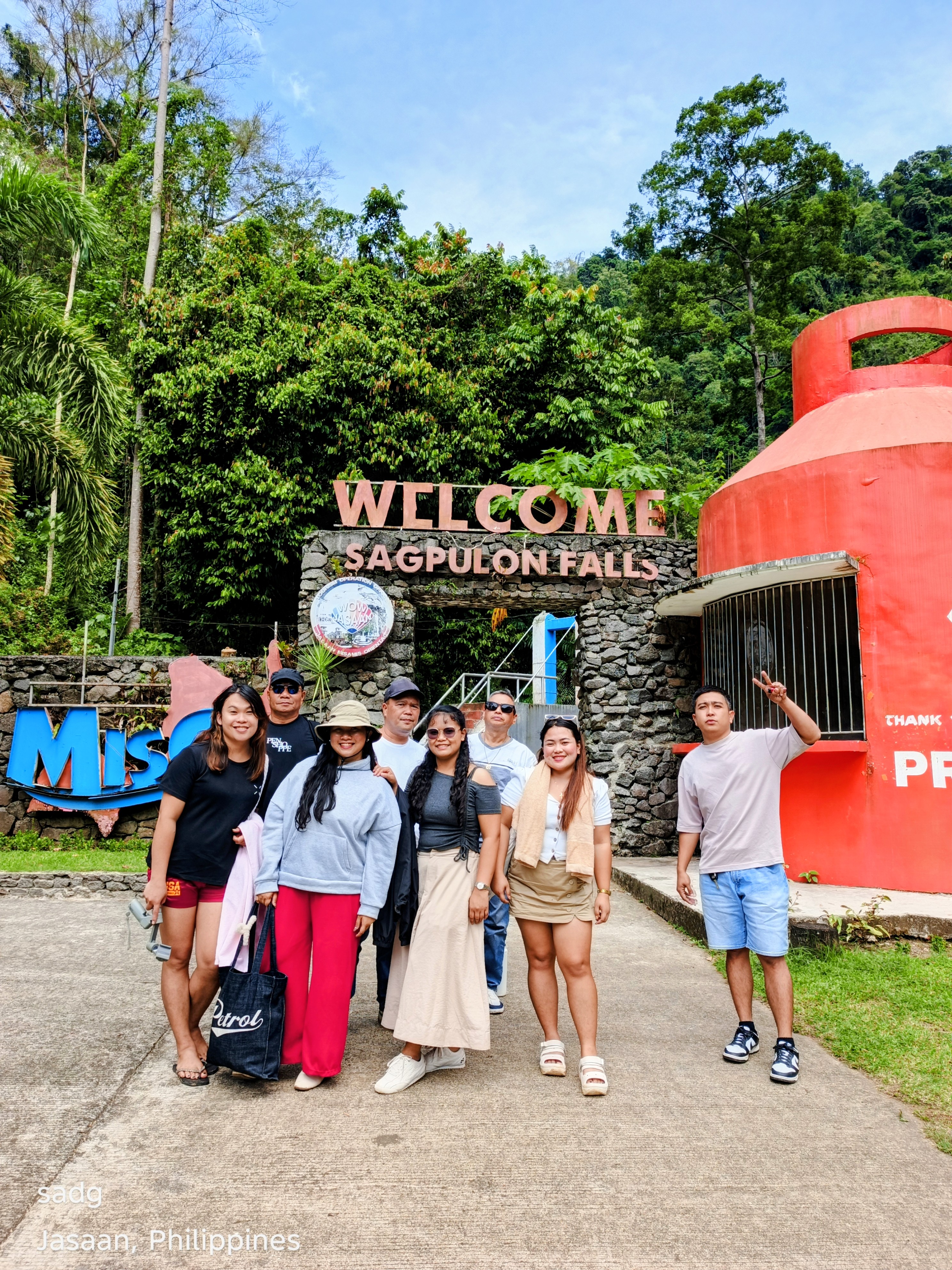
I first visited the waterfall on February 17, 2026, together with colleagues. It was Chinese New Year, and because we had no work that day, the holiday gave us an opportunity to leave our usual routine behind and explore another corner of Misamis Oriental.
Eight months later, on October 18, I found myself there again. The second visit followed an entirely different beginning. My companions and I had participated in the EastWest Dream Run in Cagayan de Oro City before making our way back to the falls.
Same destination. Different day. Different circumstances. And somehow, a different experience.
The First Visit: February 17
A first visit has its own kind of energy. There is no memory against which to compare what is in front of you. Every turn is new. Every photograph feels like an attempt to preserve something you are still discovering.
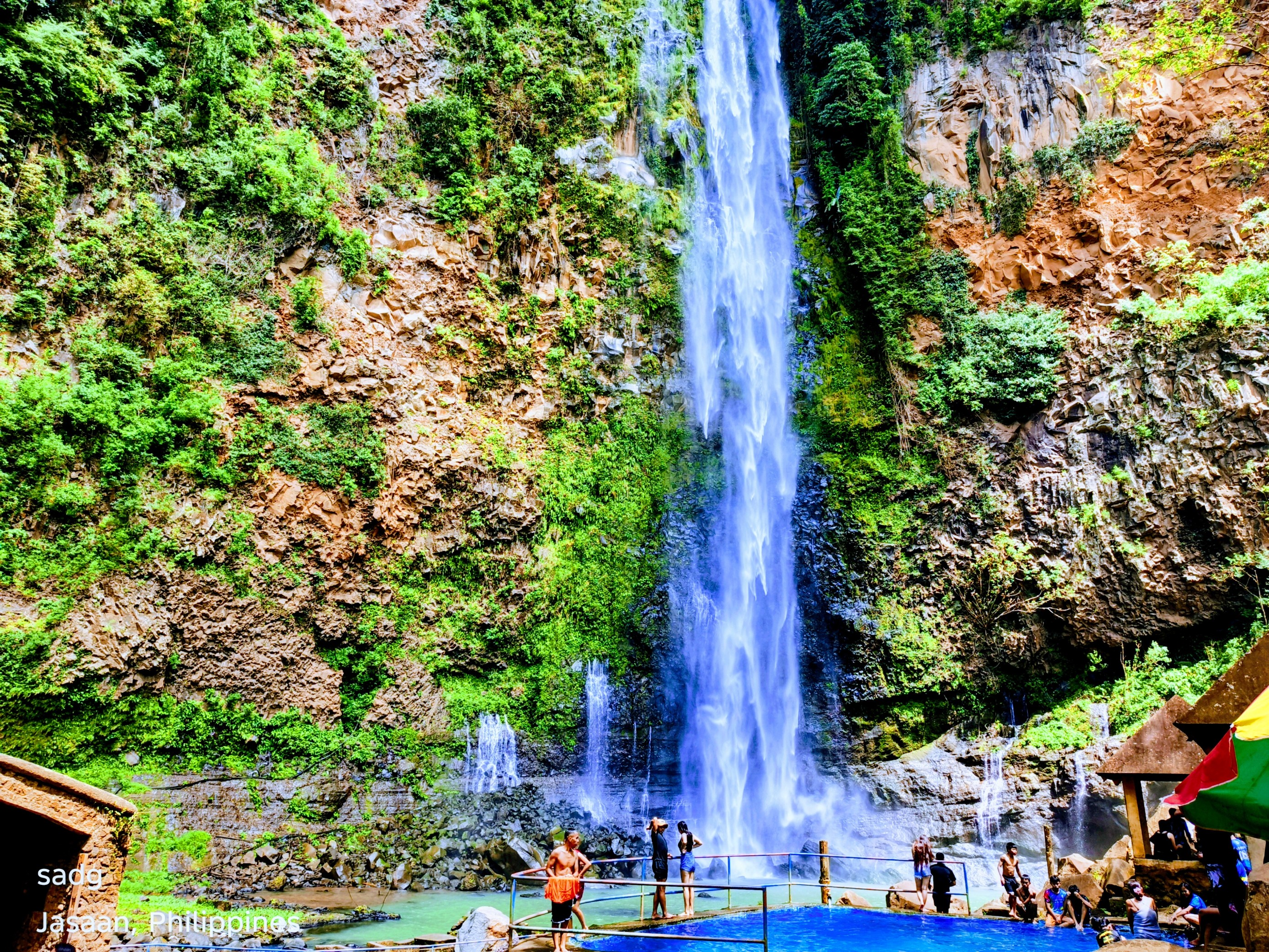
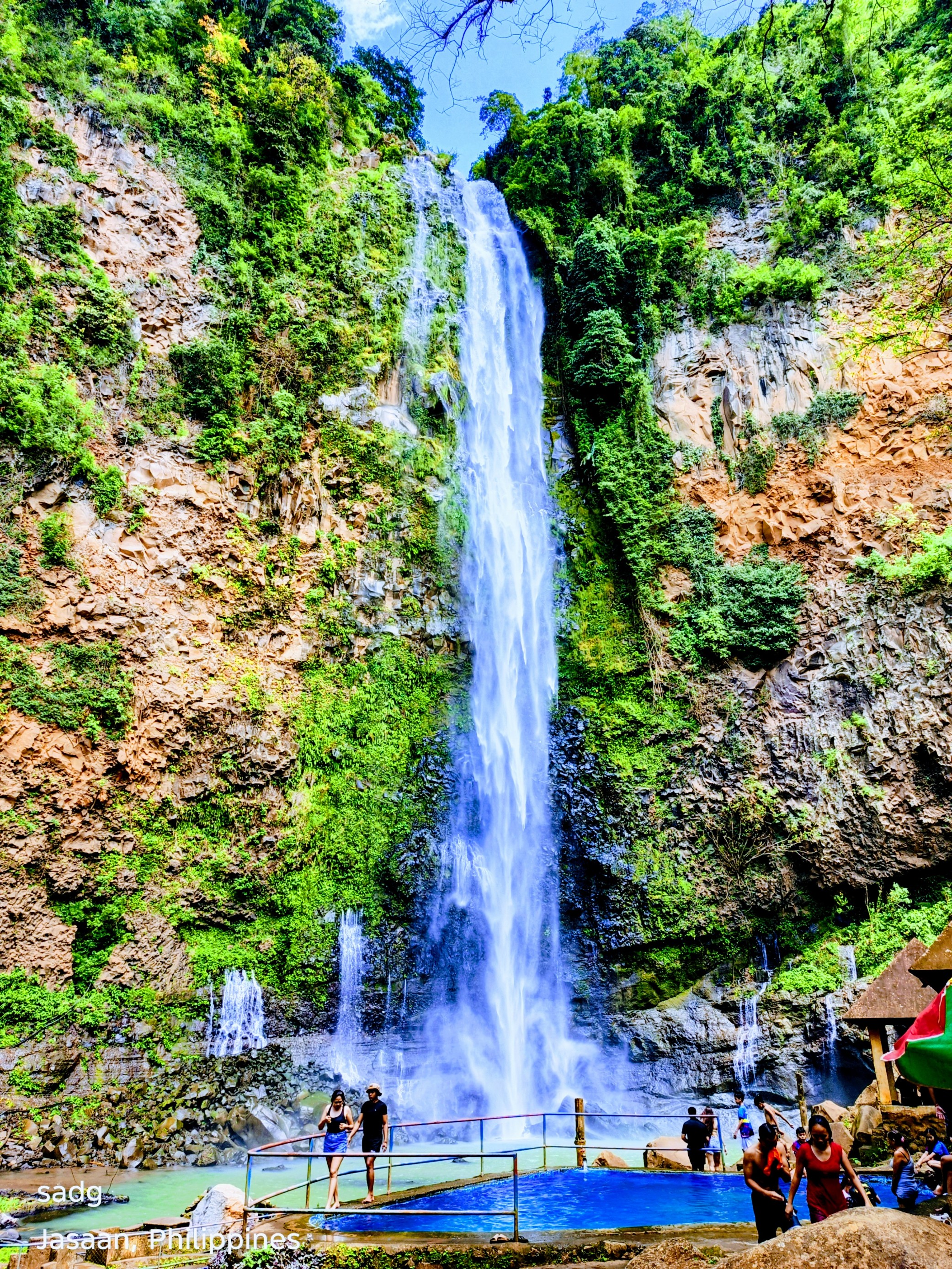
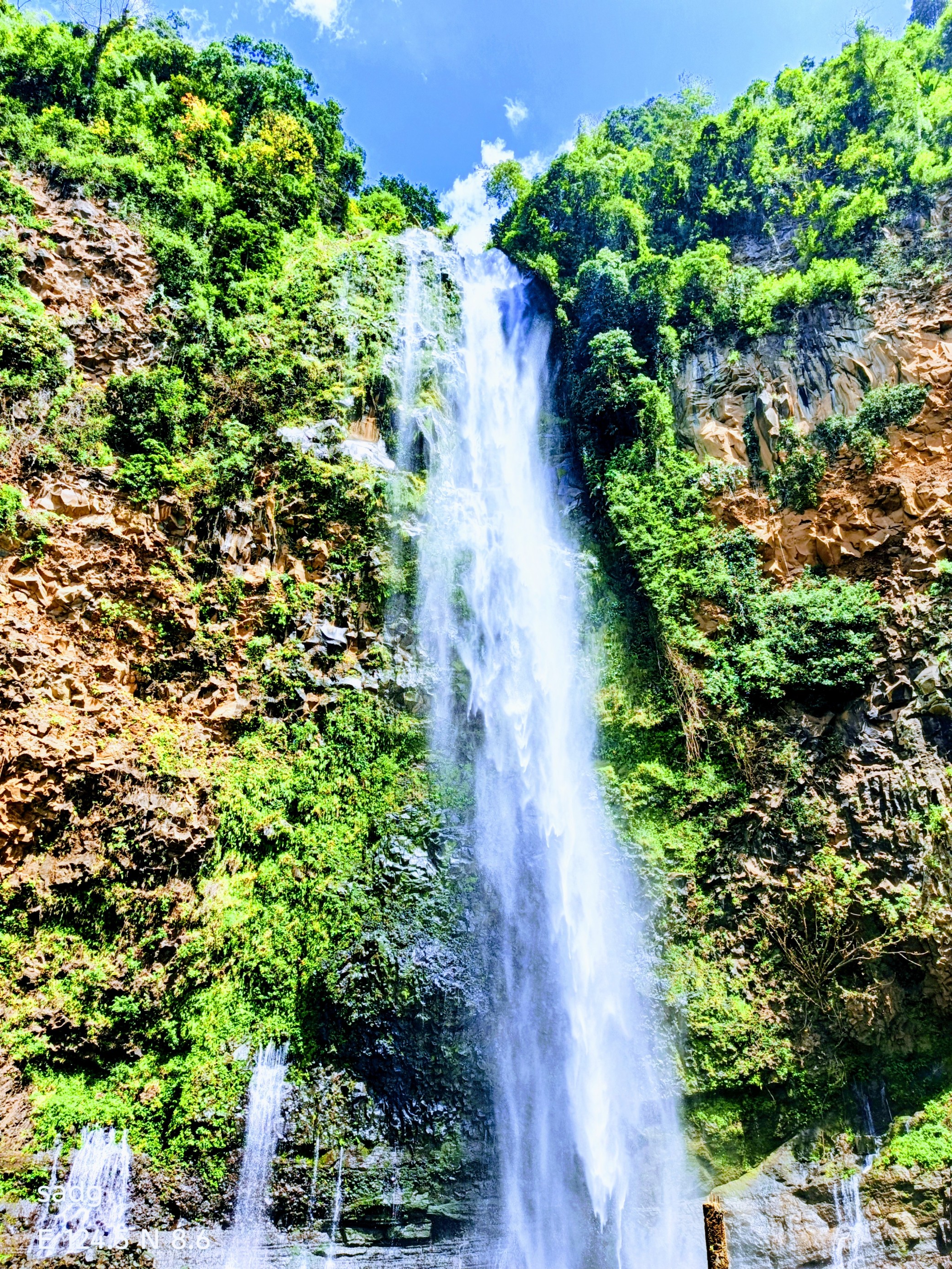
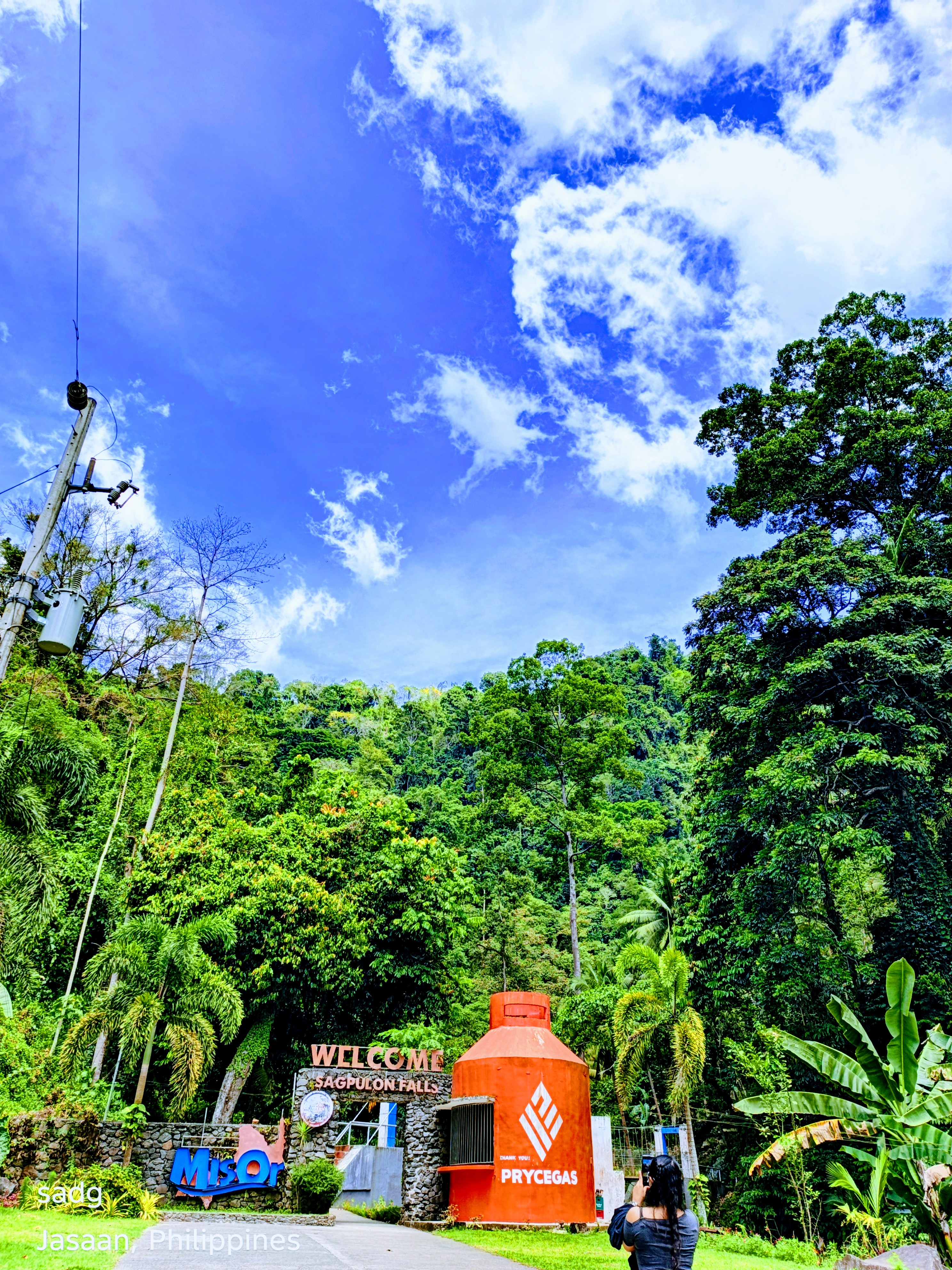
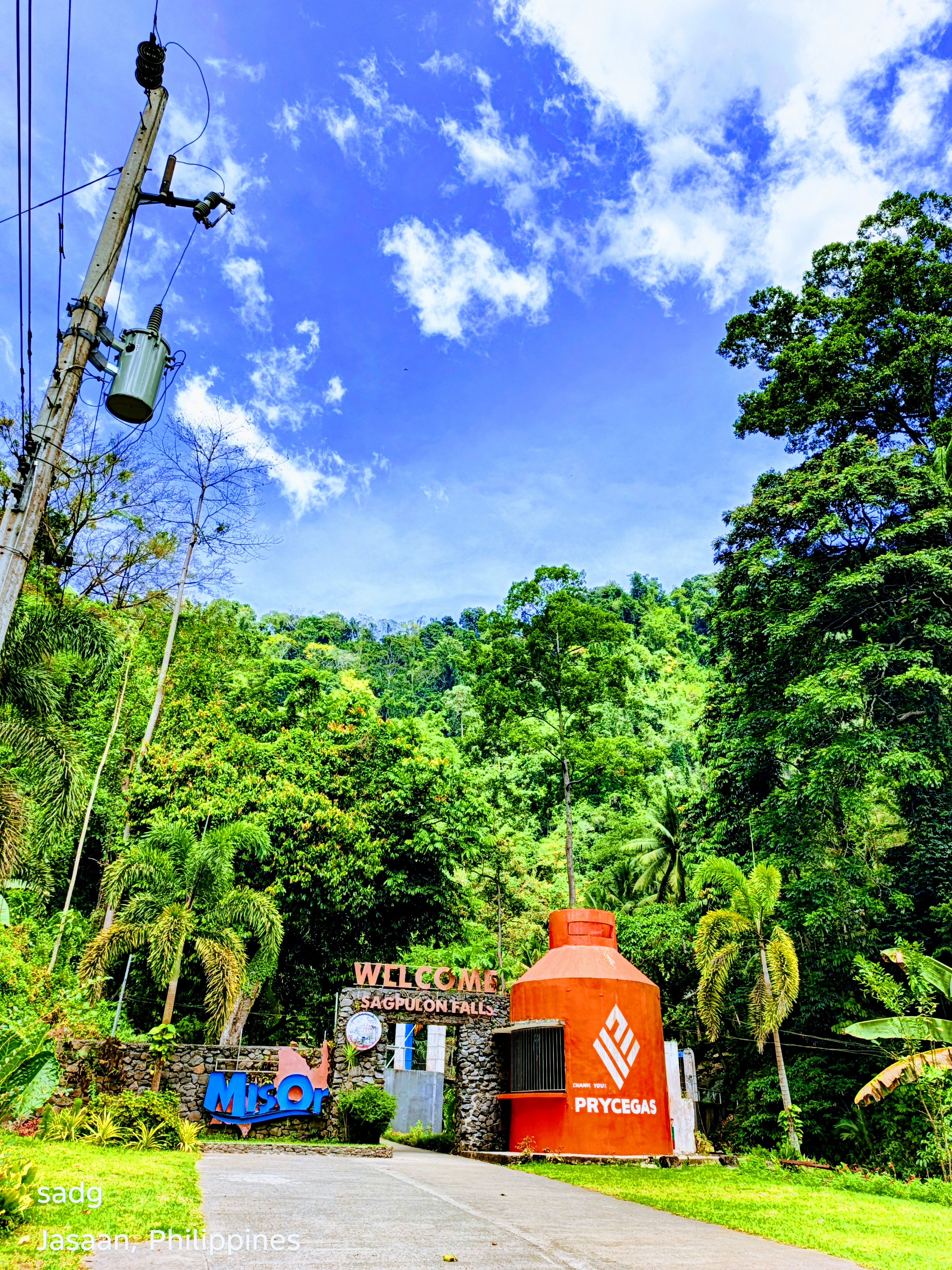
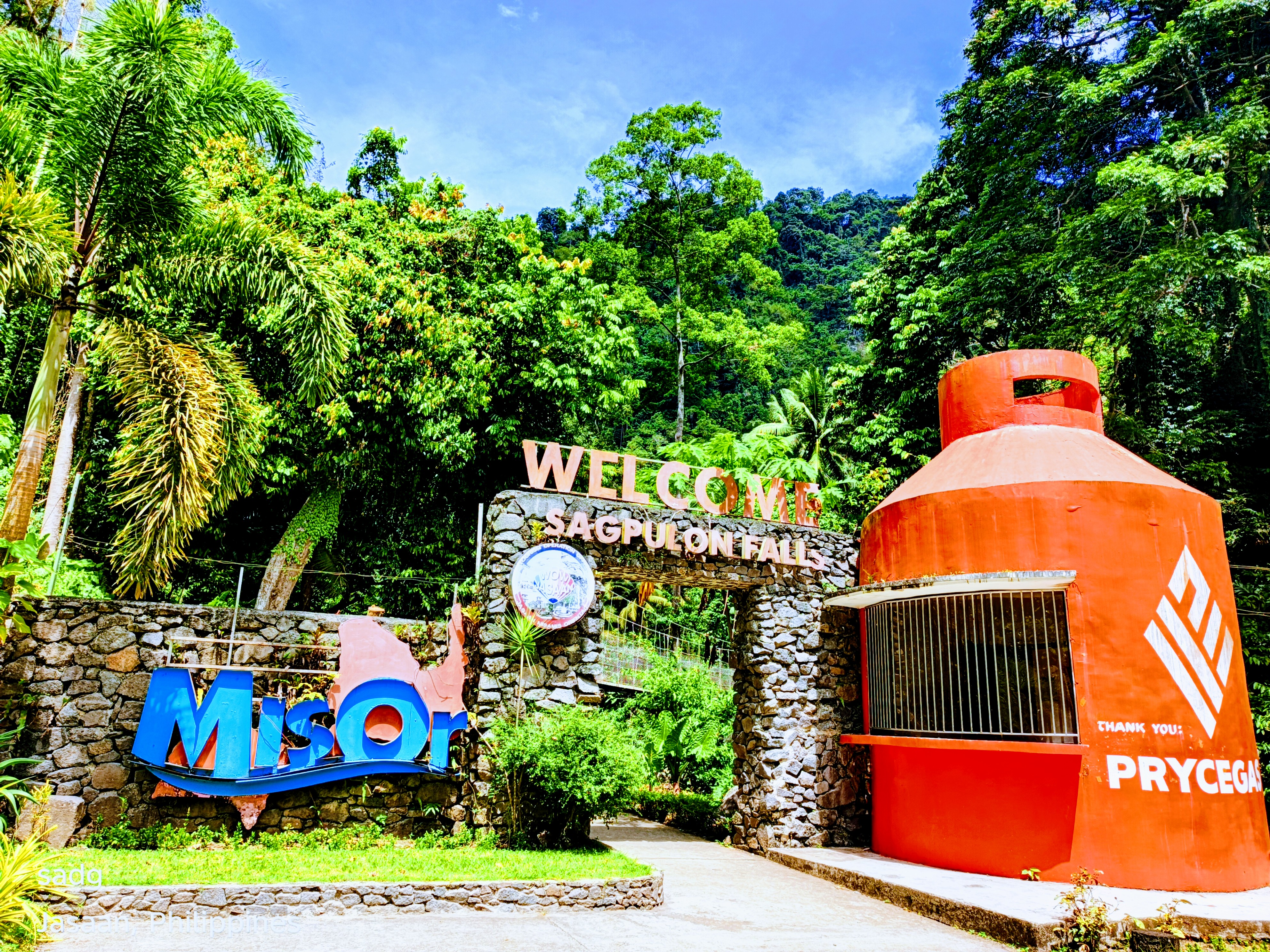
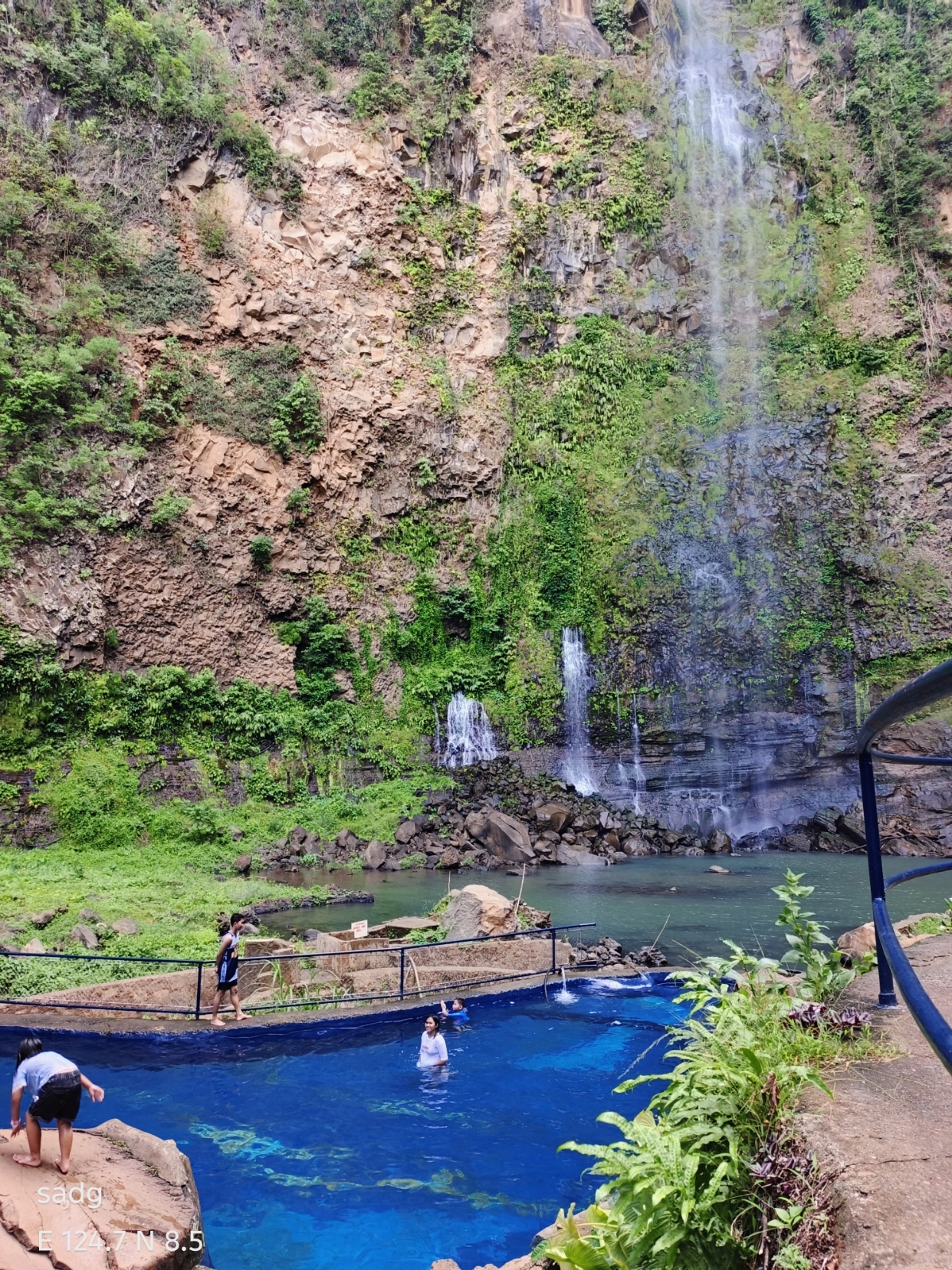
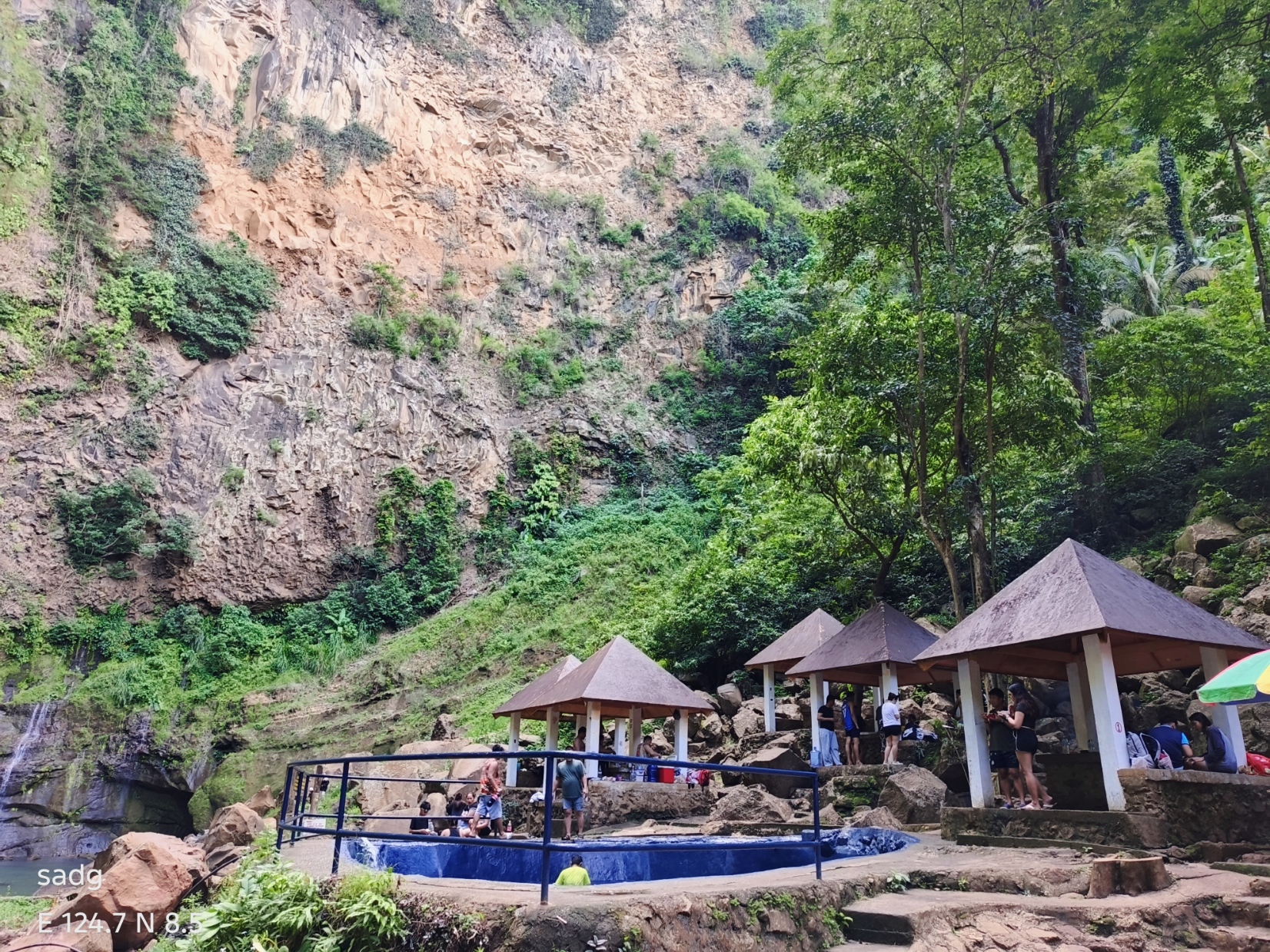
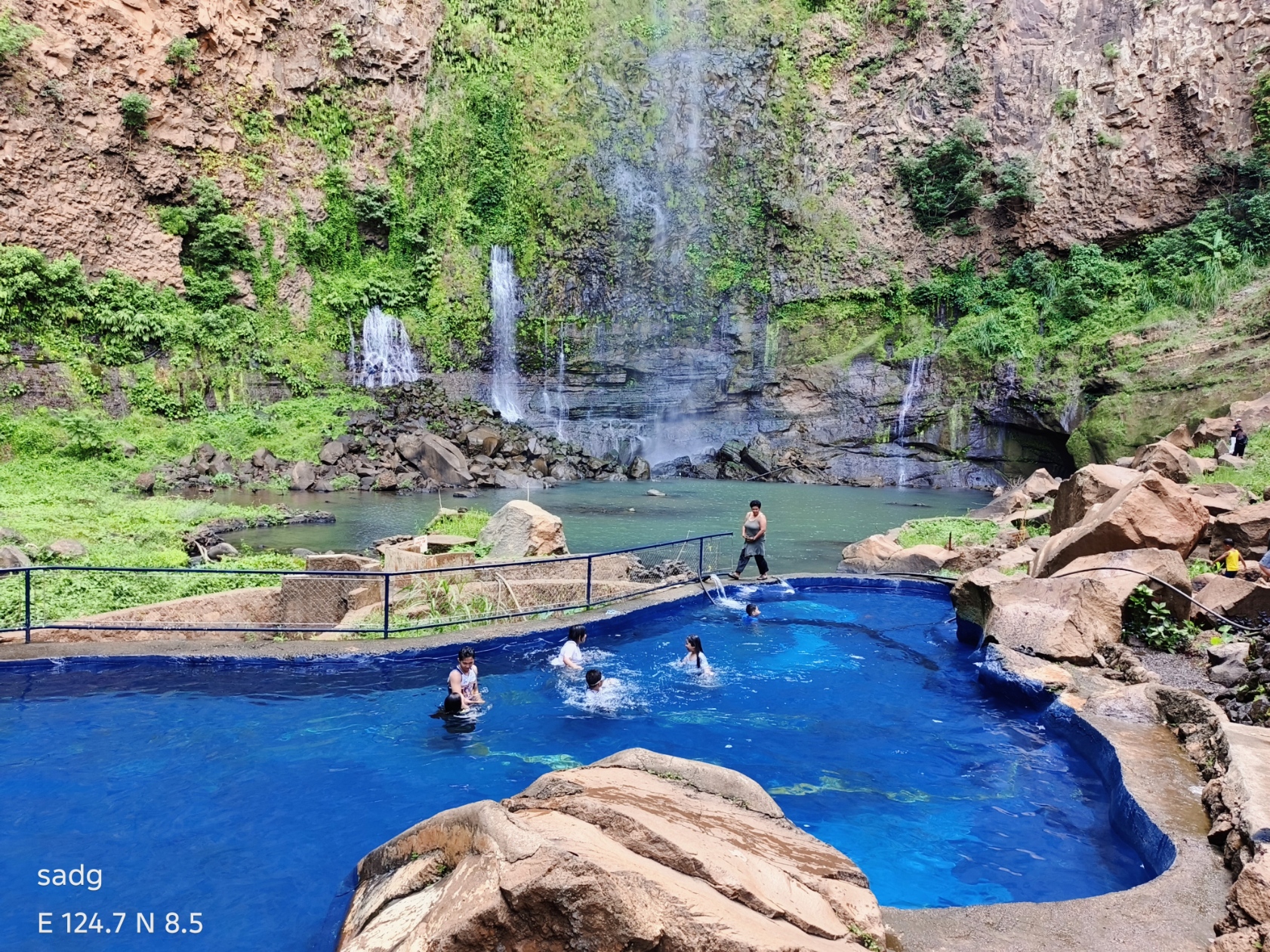
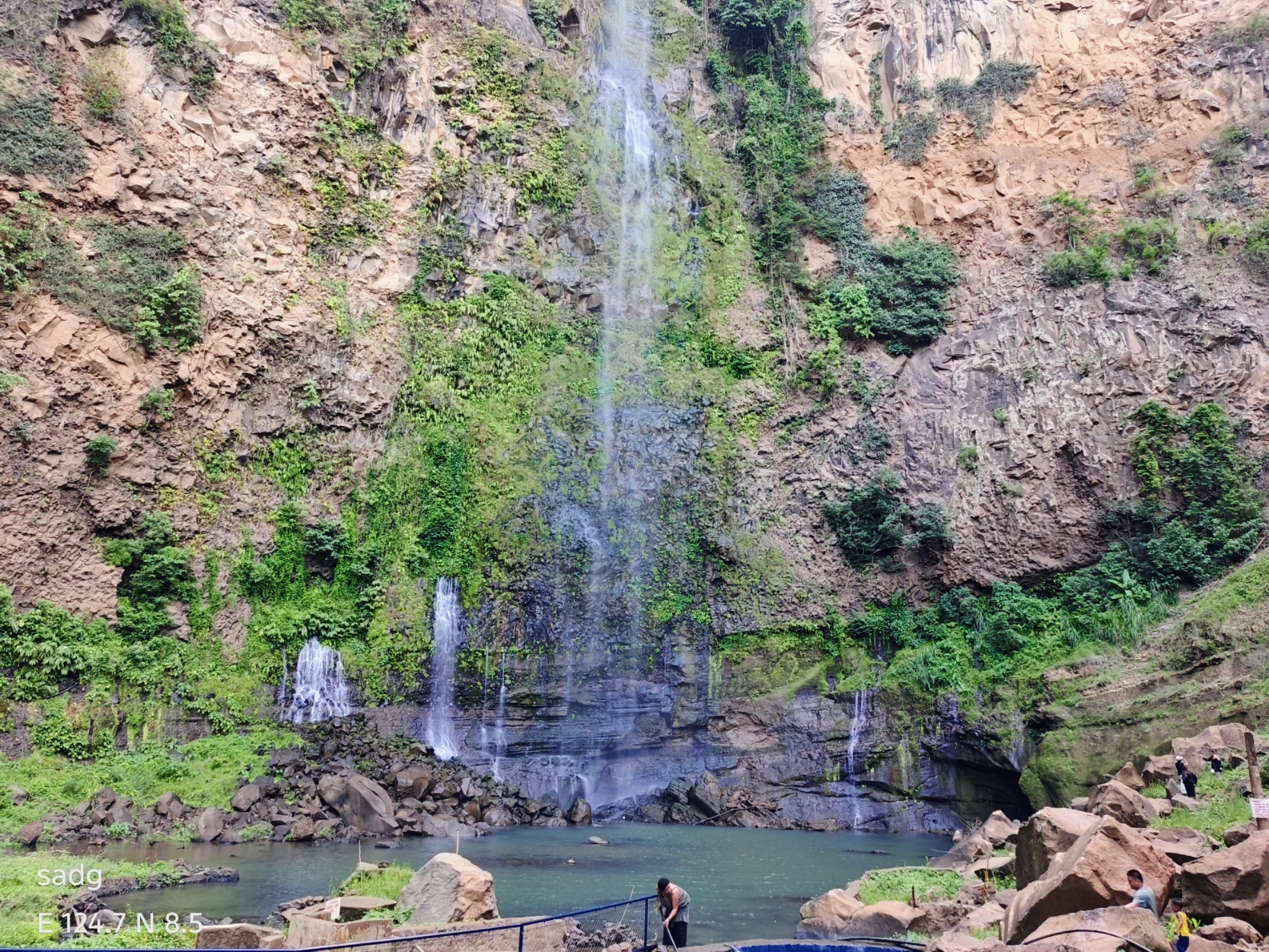
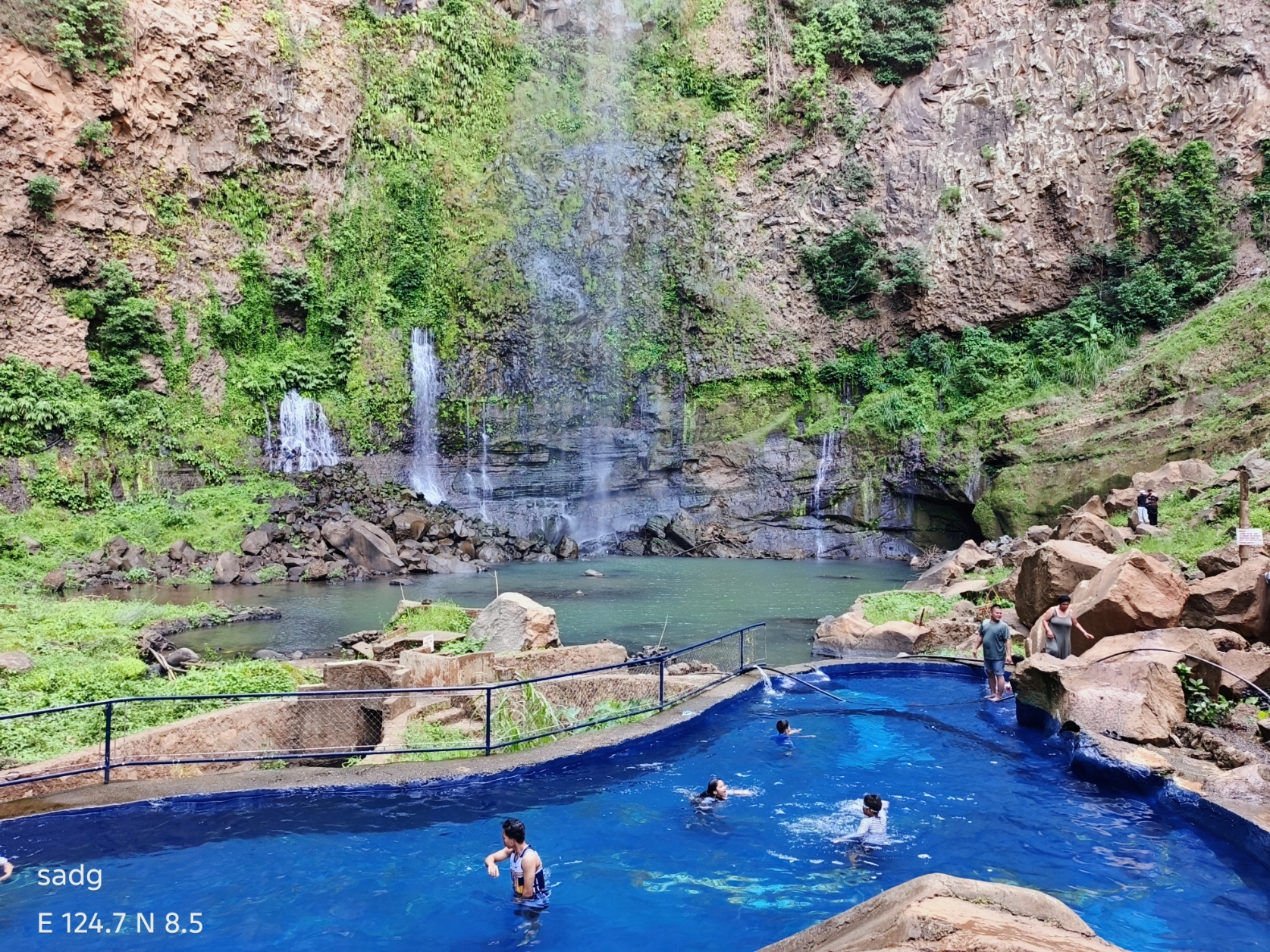
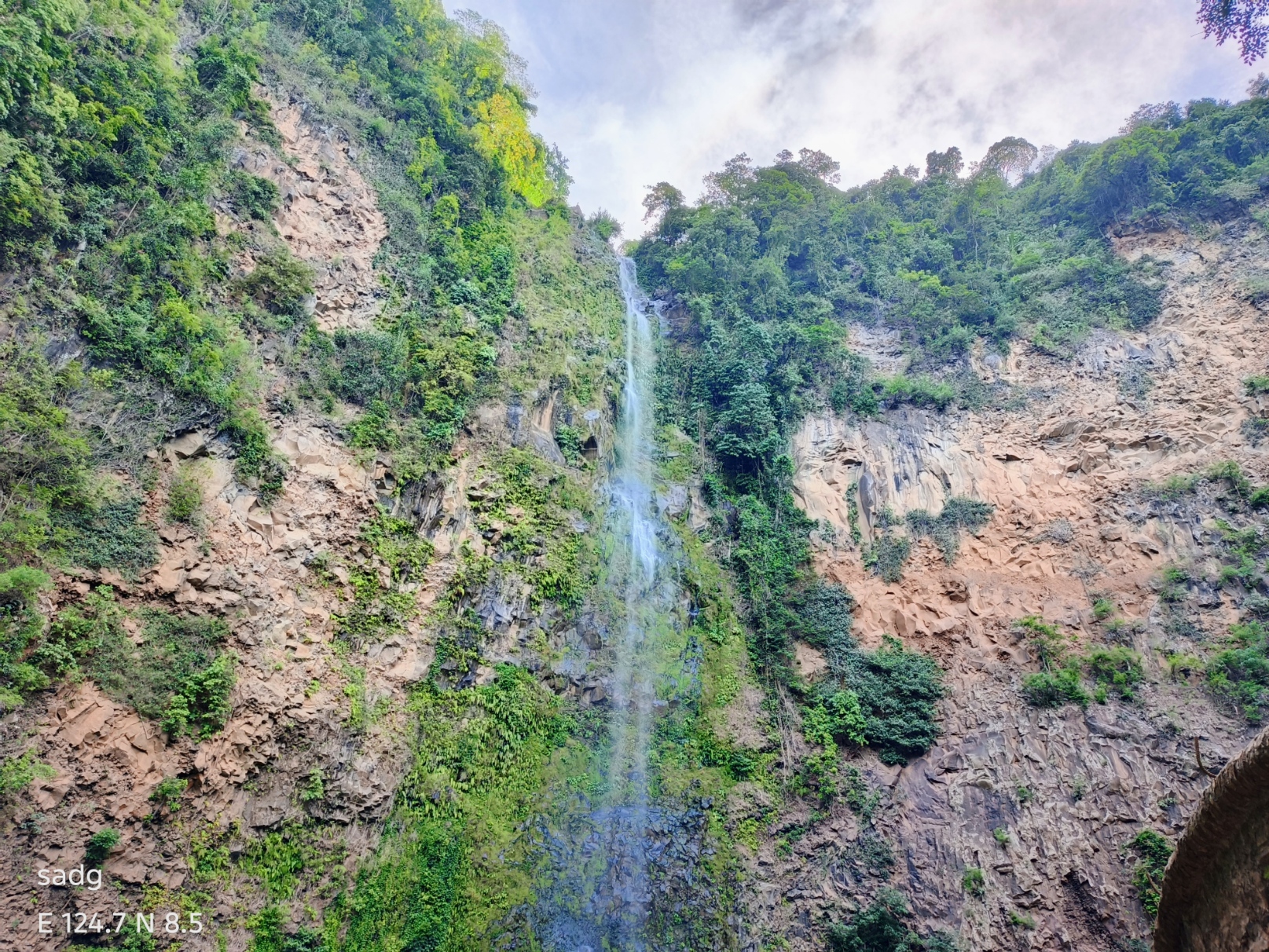
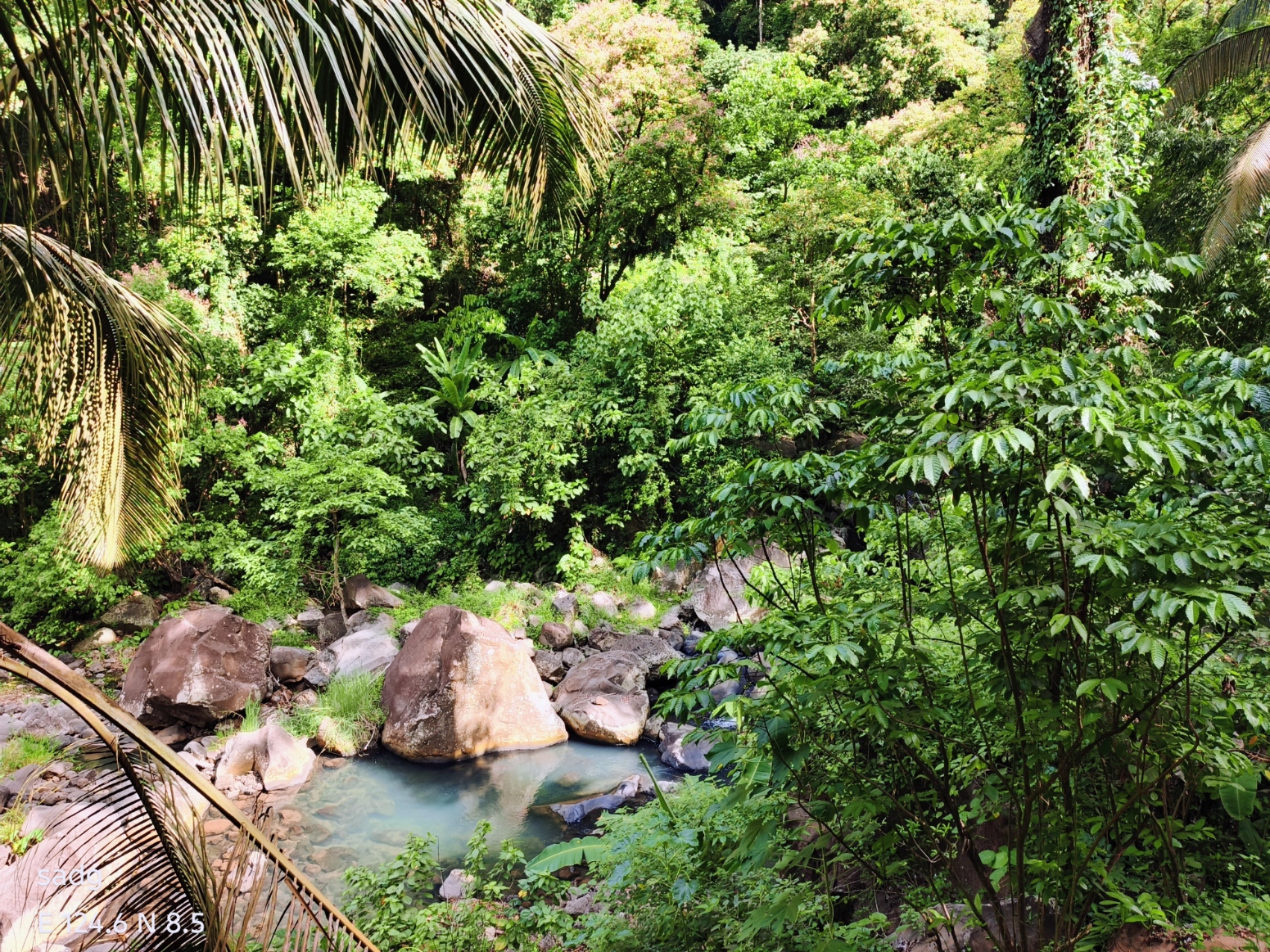
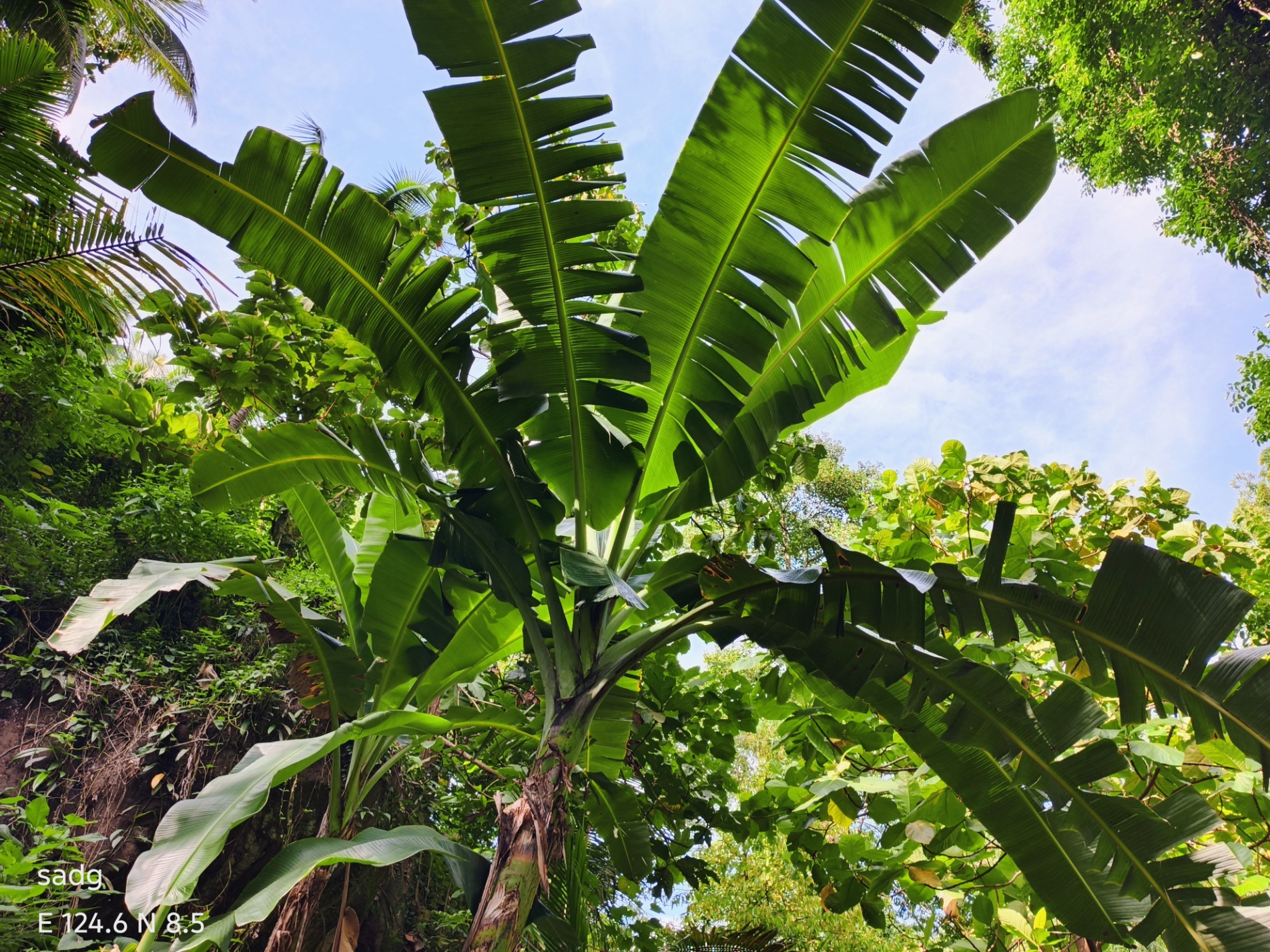
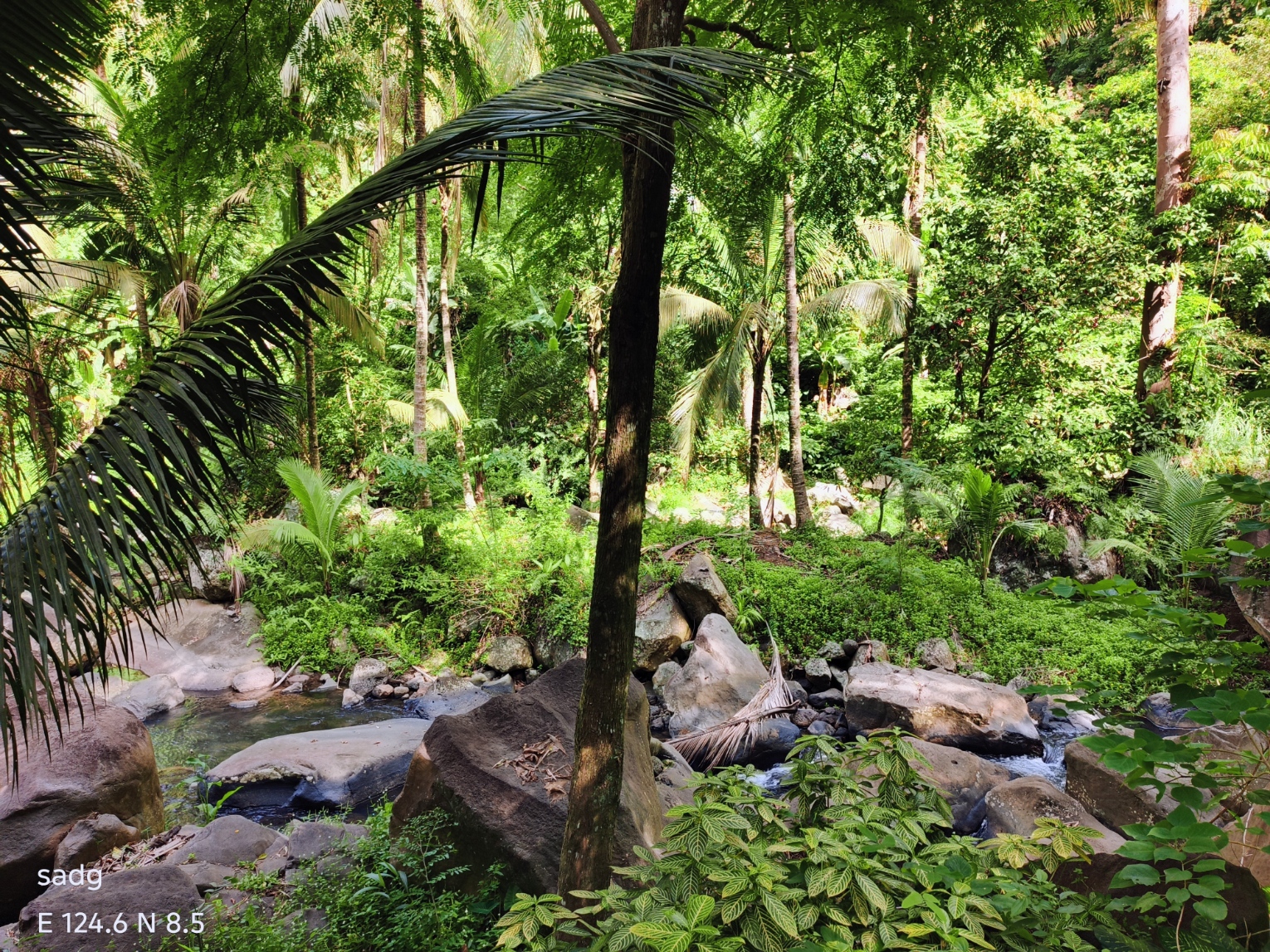
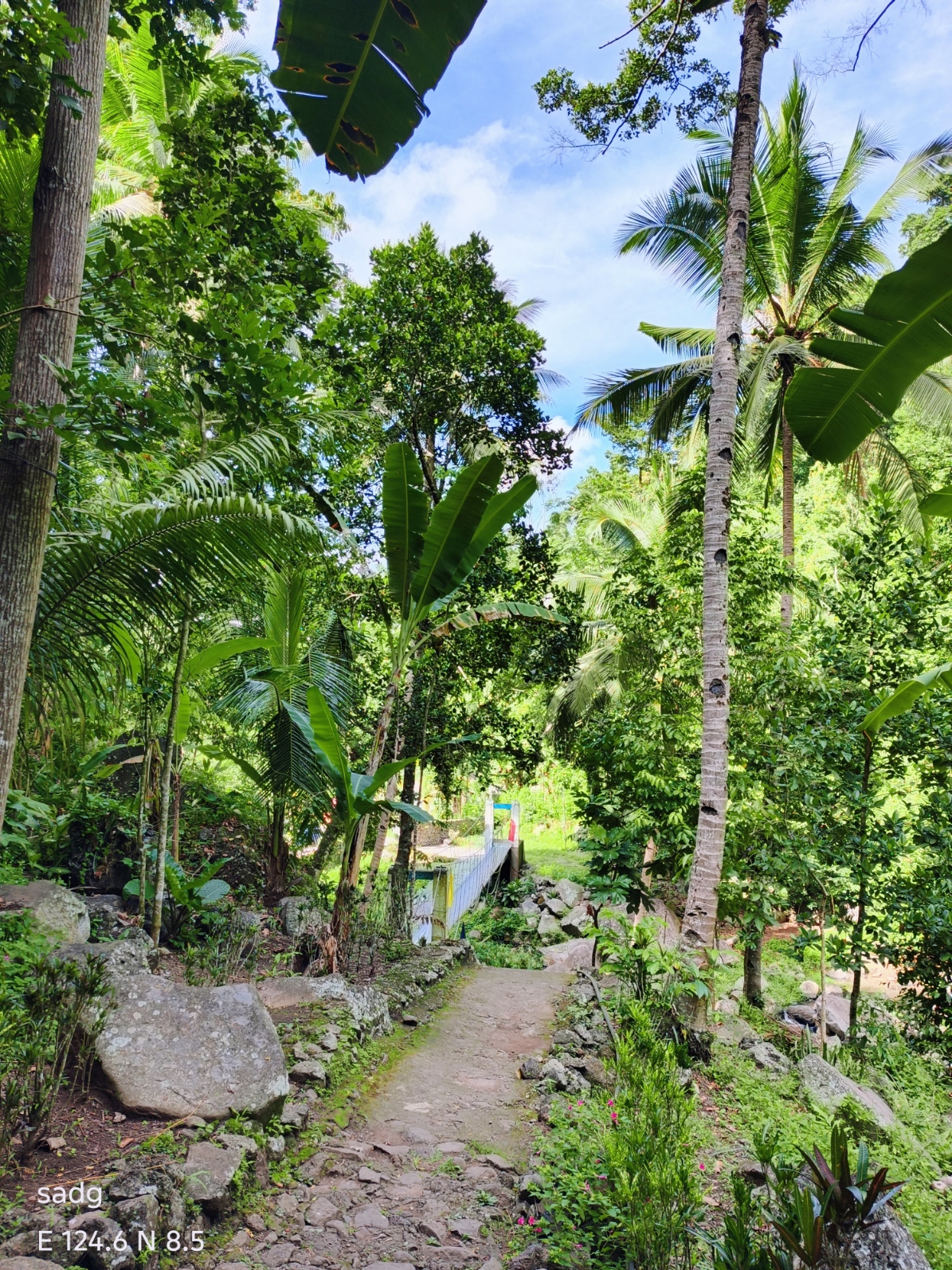
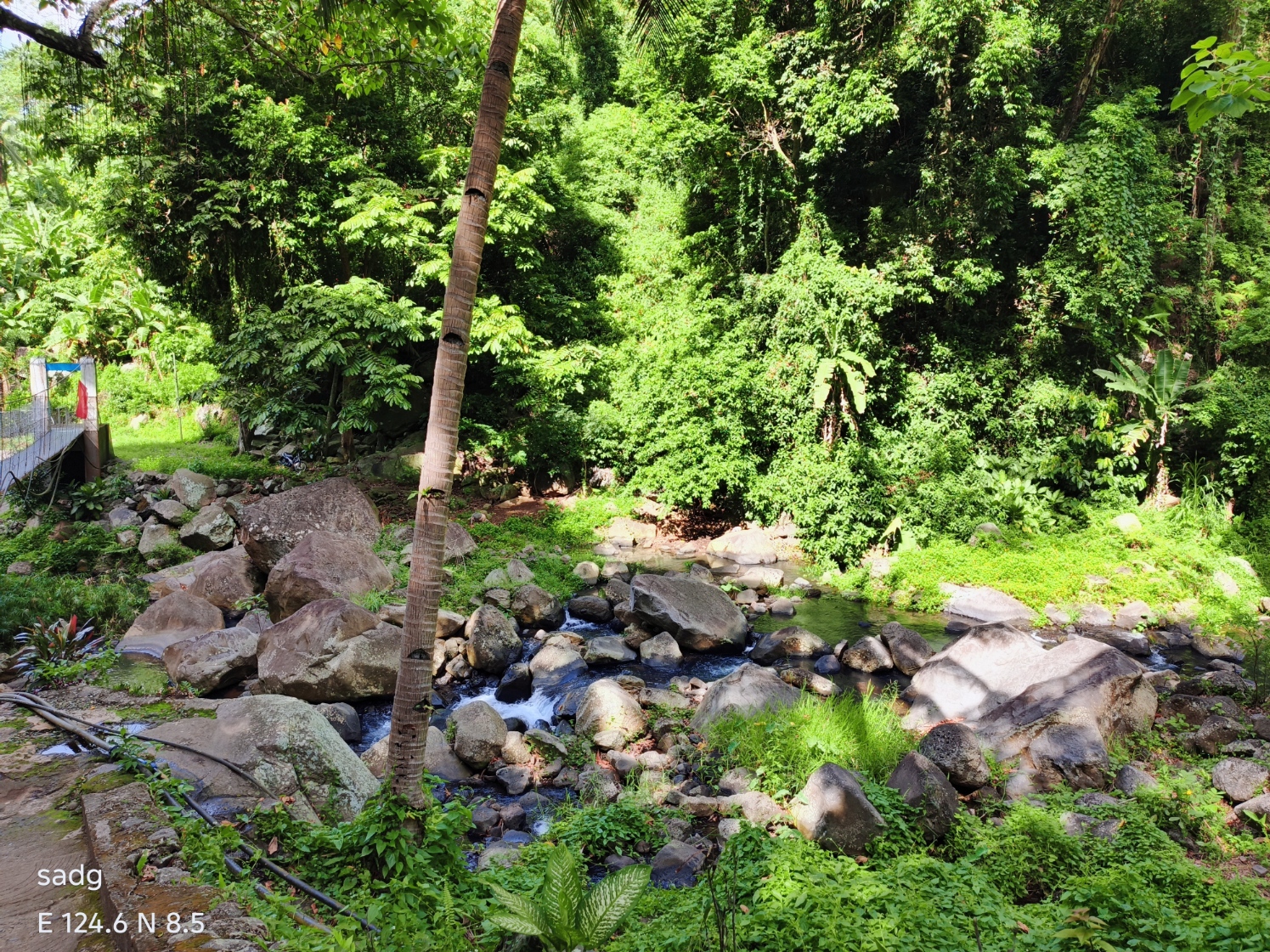
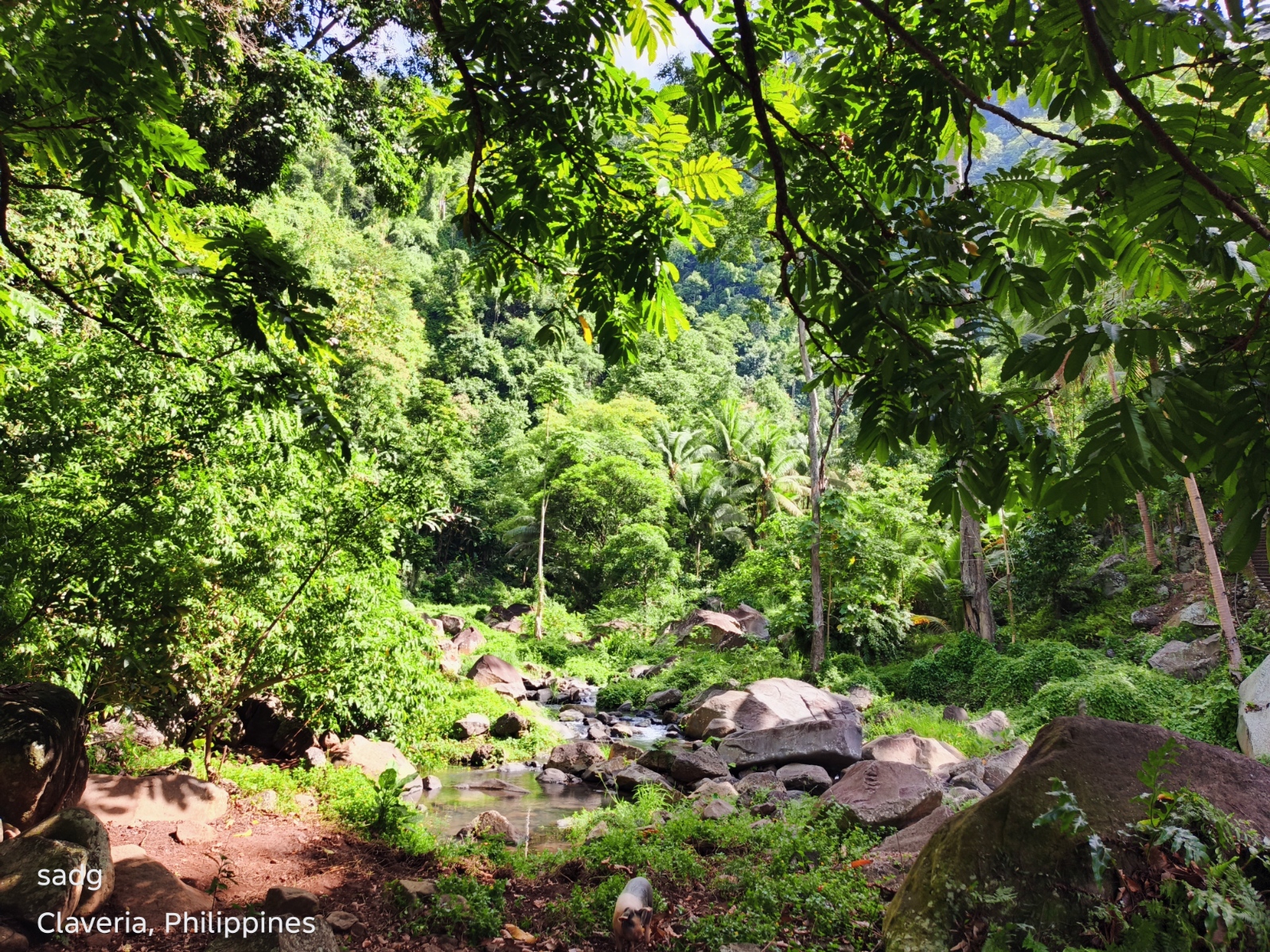
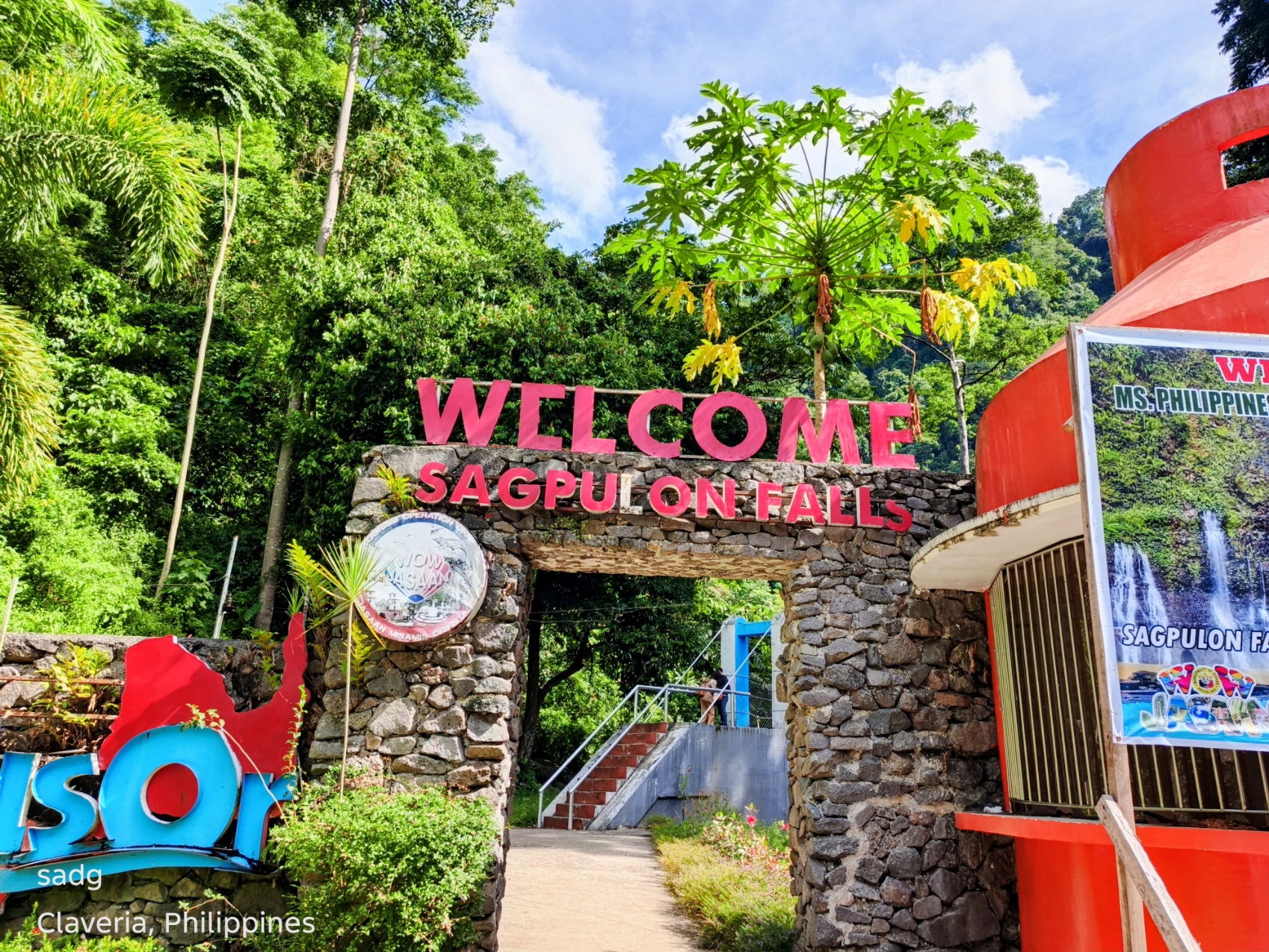
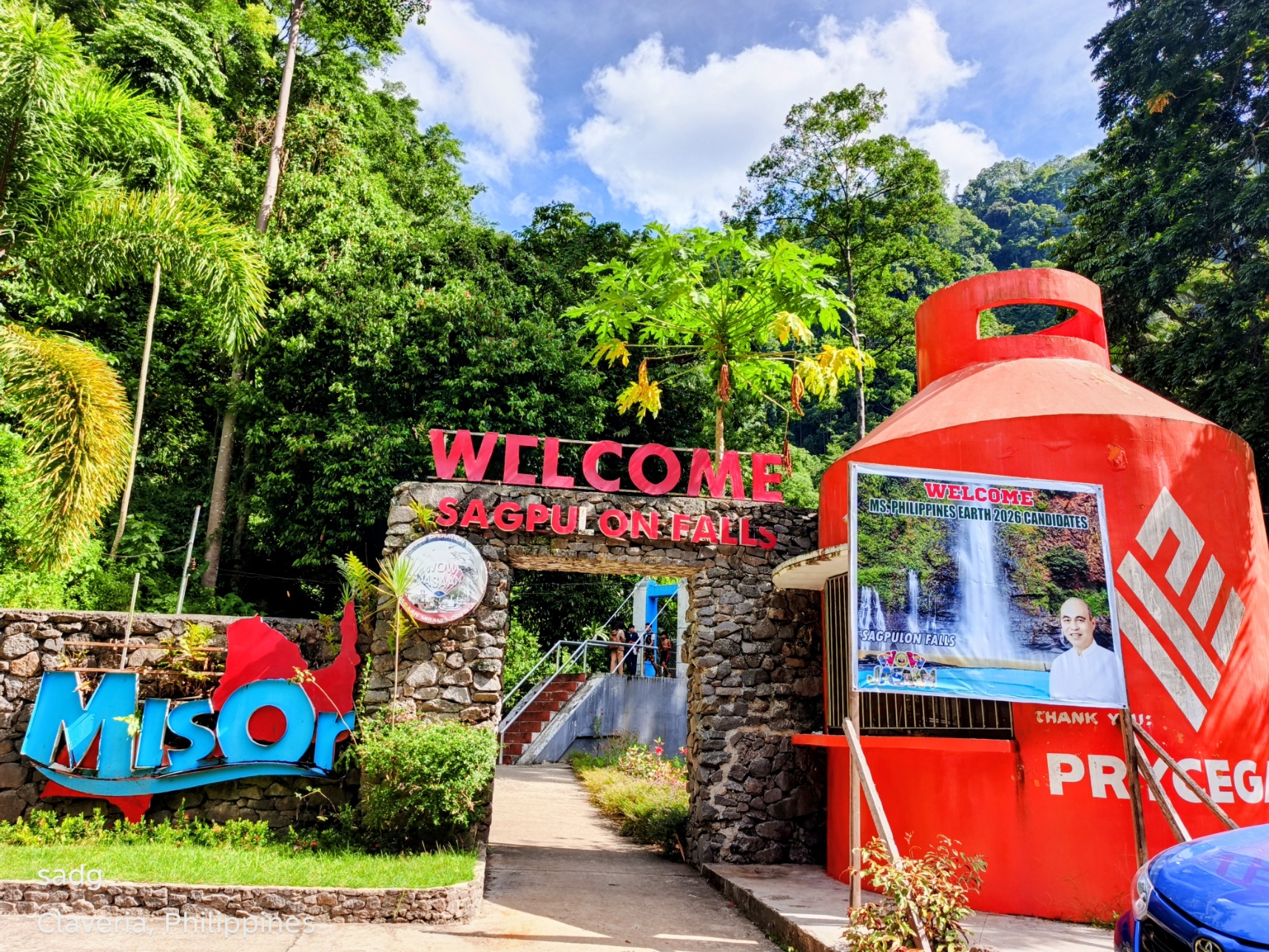
That was how I approached Sagpulon Falls in February. The photographs became more than souvenirs. Looking at them afterward, I realized how much a camera teaches us to notice: the meeting of water and rock, the vegetation around the falls, the scale of the landscape, and the way visitors occupy only a small part of the larger scene.
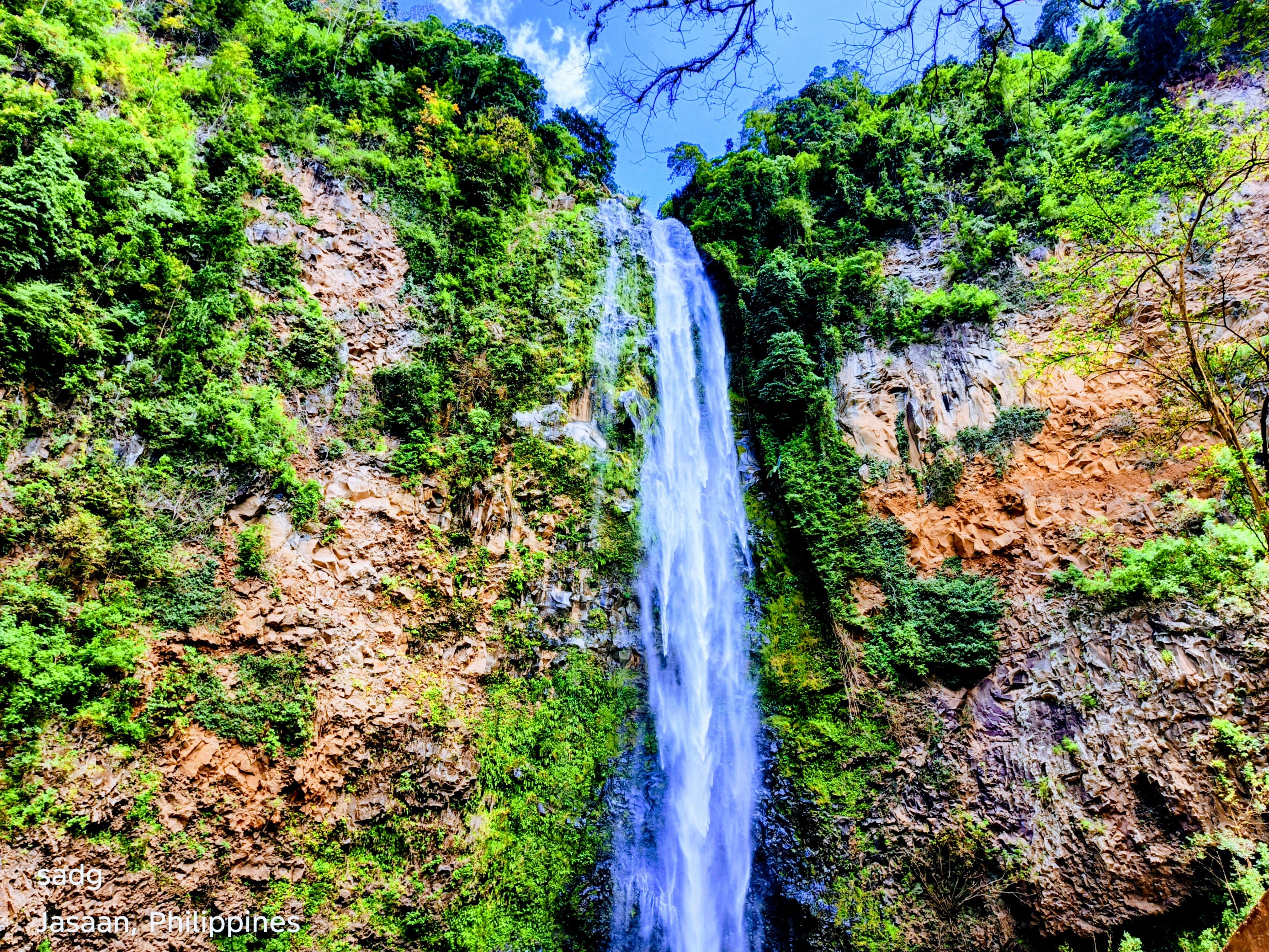
Published travel descriptions echo some of those physical qualities. Accounts describe a waterfall descending along a broad, moss-covered wall surrounded by vegetation and rock formations. Yet standing before a waterfall and reading about one are different experiences. Research can identify a place and describe its features. A photograph can show scale. Neither completely reproduces the simple experience of allowing a landscape to interrupt an ordinary day.
That is what I remember most about February. We arrived because a holiday gave us time. I left with a place stored in my memory.
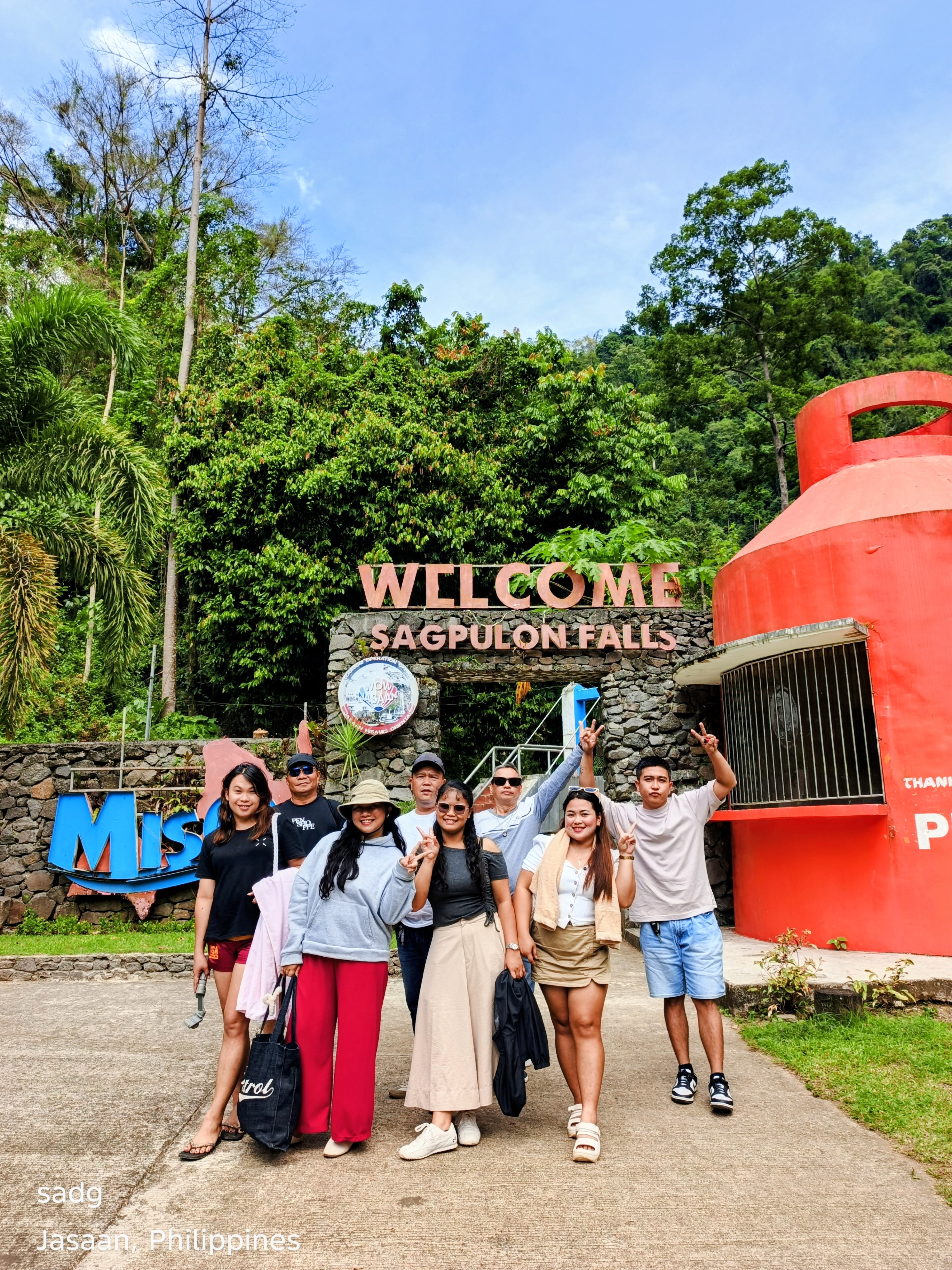
Eight Months Later
On October 18, I returned. There is something unusual about revisiting a destination within the same year. The surprise of discovery is gone, but another experience takes its place: recognition.
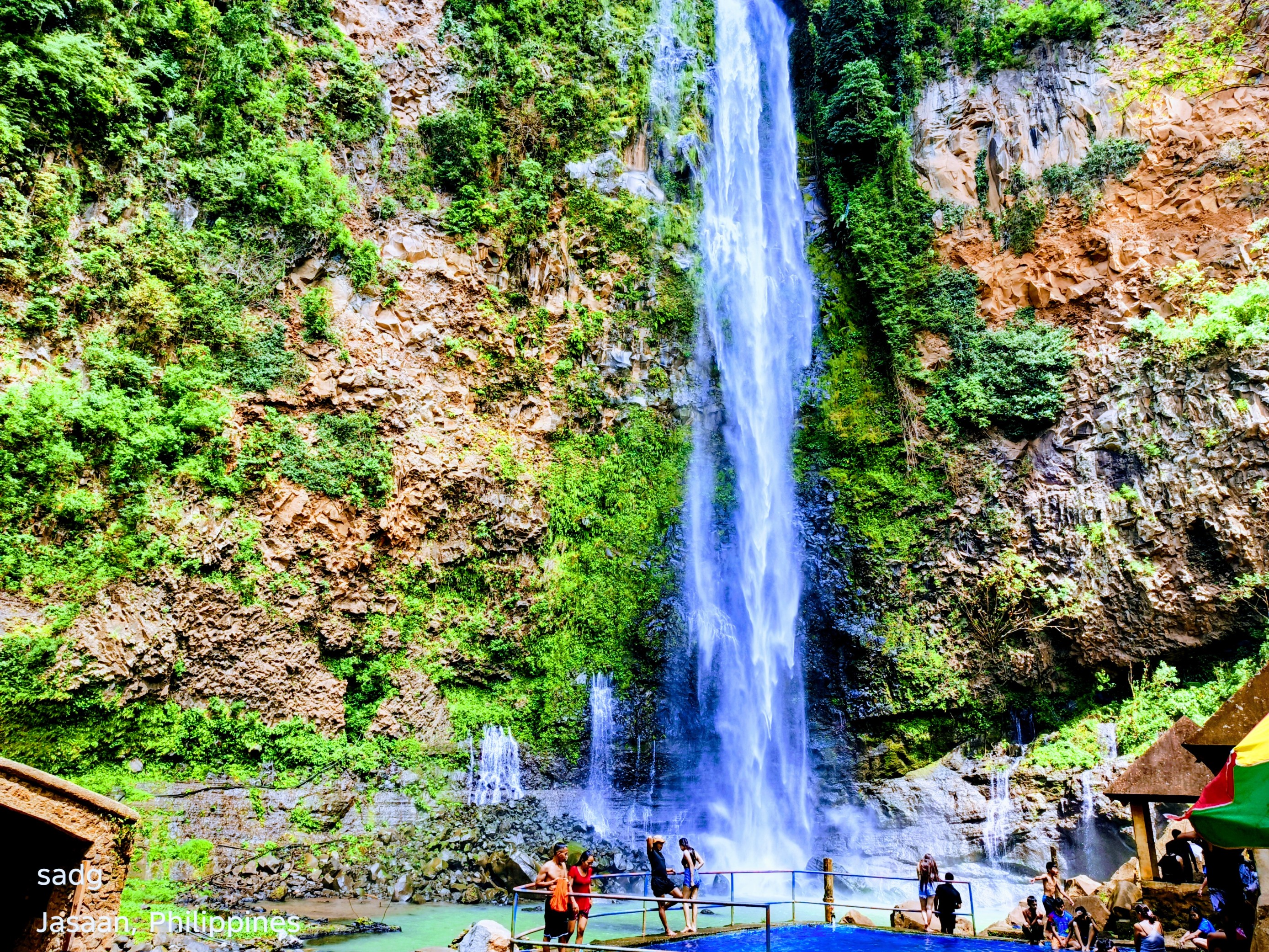
I already knew what waited at the end of the journey. The second visit therefore became less about discovering Sagpulon Falls and more about observing it. Once again, I photographed the landscape, but this time there was an earlier collection sitting quietly in my memory.
I began noticing the experience differently. Perhaps this is one reason returning to a destination can be more rewarding than constantly searching for somewhere new. The first visit asks, “What is this place like?” The second asks a more personal question: “What do I notice now that I did not notice before?”
A Landscape Worth Looking at Slowly
Misamis Oriental is officially presented as a province of strong geographical contrasts, including mountains, beaches, and rugged terrain. Sagpulon Falls belongs naturally within that broader landscape, although it has its own visual character.
Published descriptions disagree on the waterfall’s estimated height. One gives roughly 100 feet, while another estimates approximately 150 feet. Rather than choosing whichever figure sounds more impressive, it is better to acknowledge the difference. Travel writing does not become more truthful by making nature larger than the evidence supports. Sagpulon Falls does not need exaggerated numbers. Its appeal is already there.
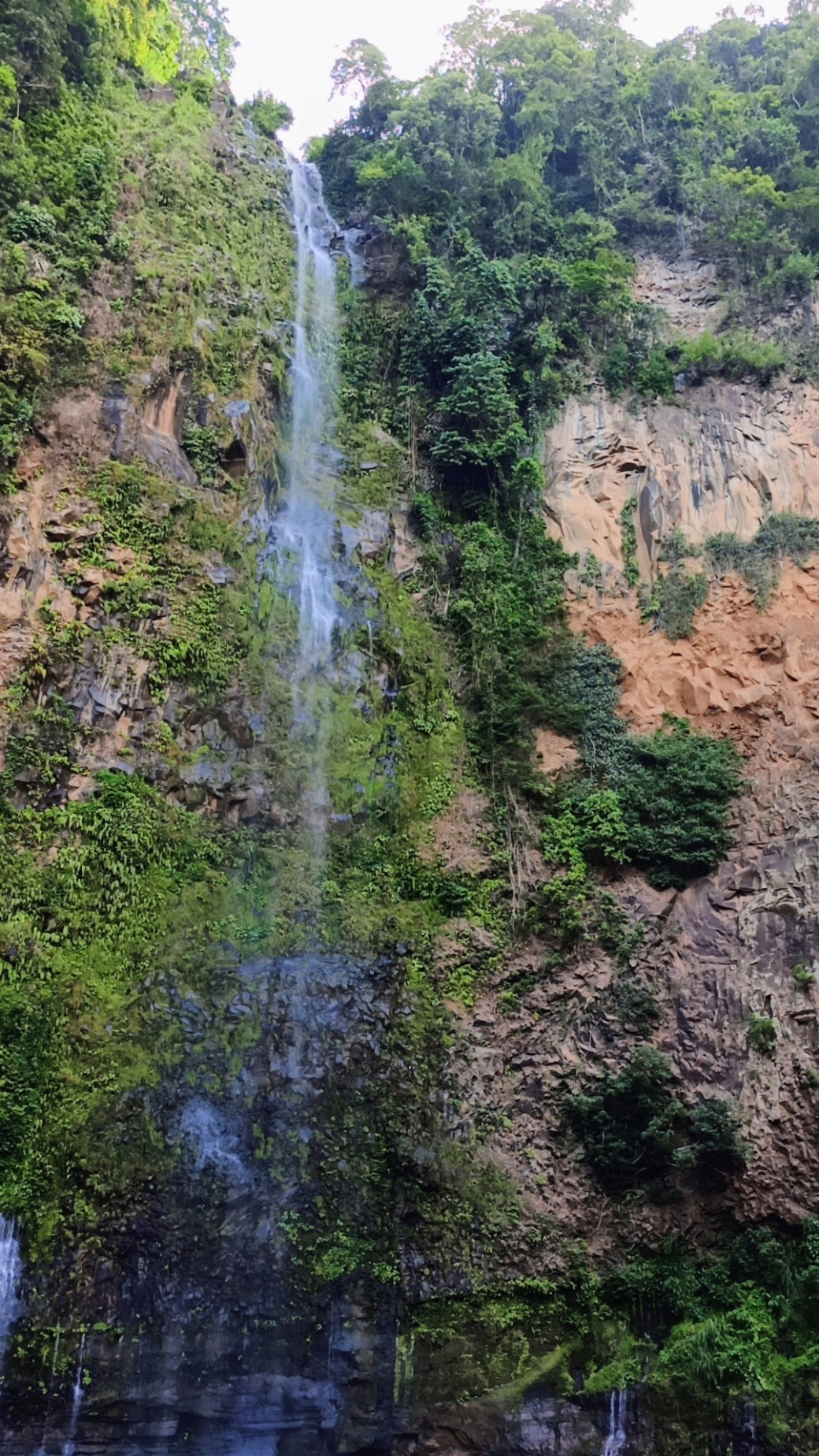
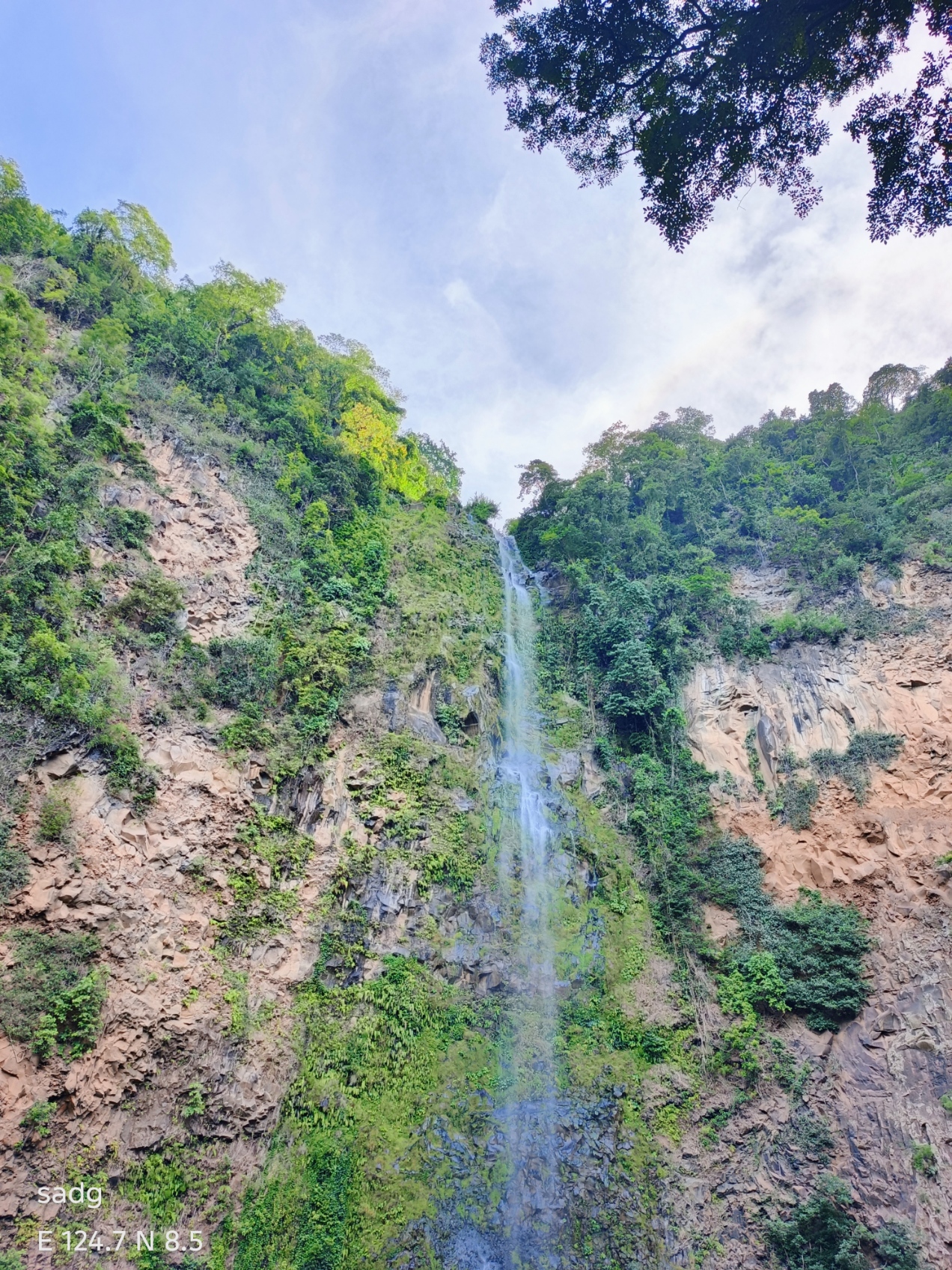
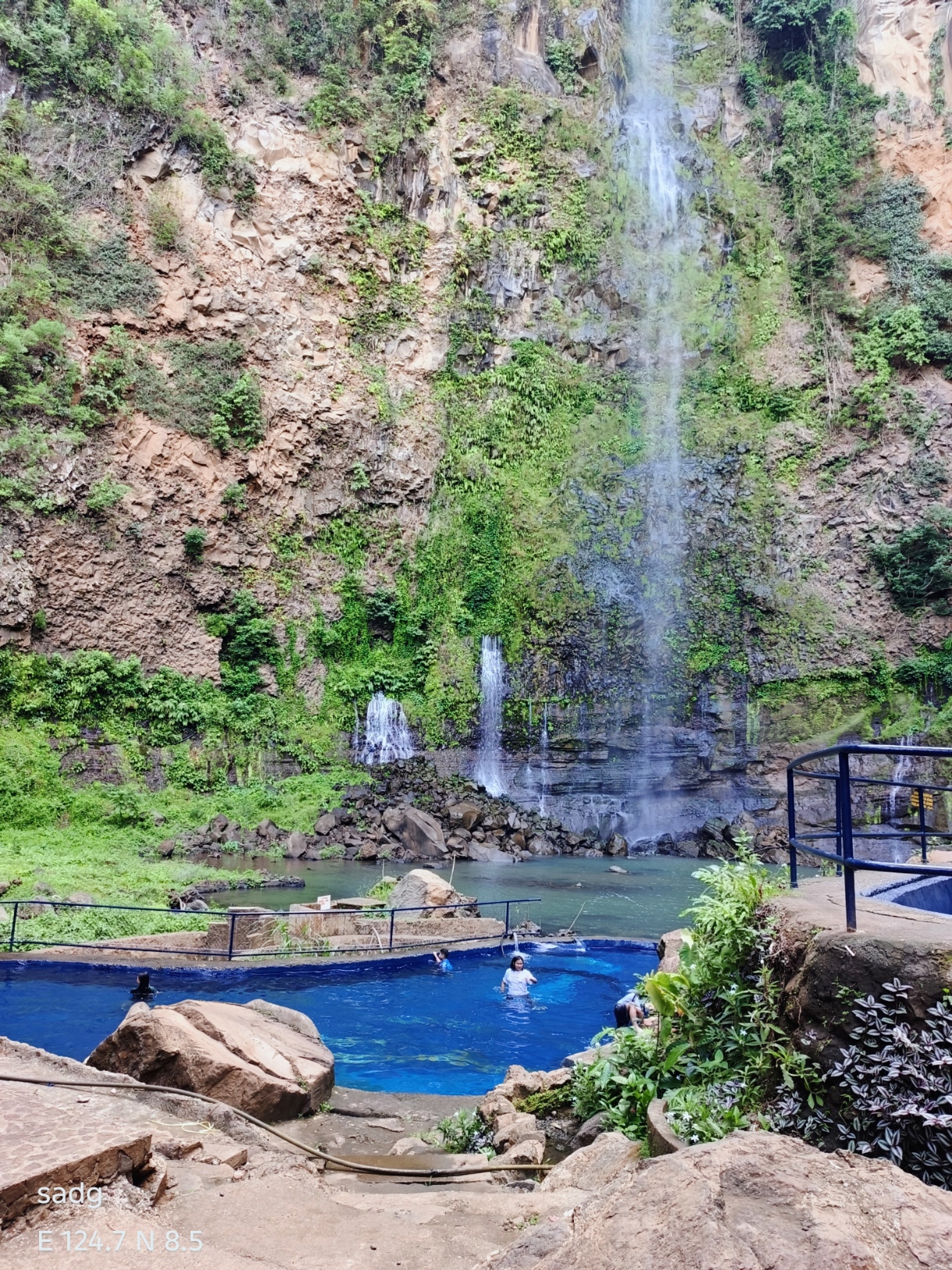
More Than a Photograph
We often experience natural attractions through screens before experiencing them ourselves. Waterfalls are reduced to vertical photographs. Beaches become sunsets. Mountains become viewpoints. Trips become collections of carefully selected frames.
I enjoy photography too, and the photographs from both visits are an important part of this story. But Sagpulon Falls reminded me that a photograph should not become a substitute for observation. Sometimes the most important part happens before the camera comes out, or after it has been put away.
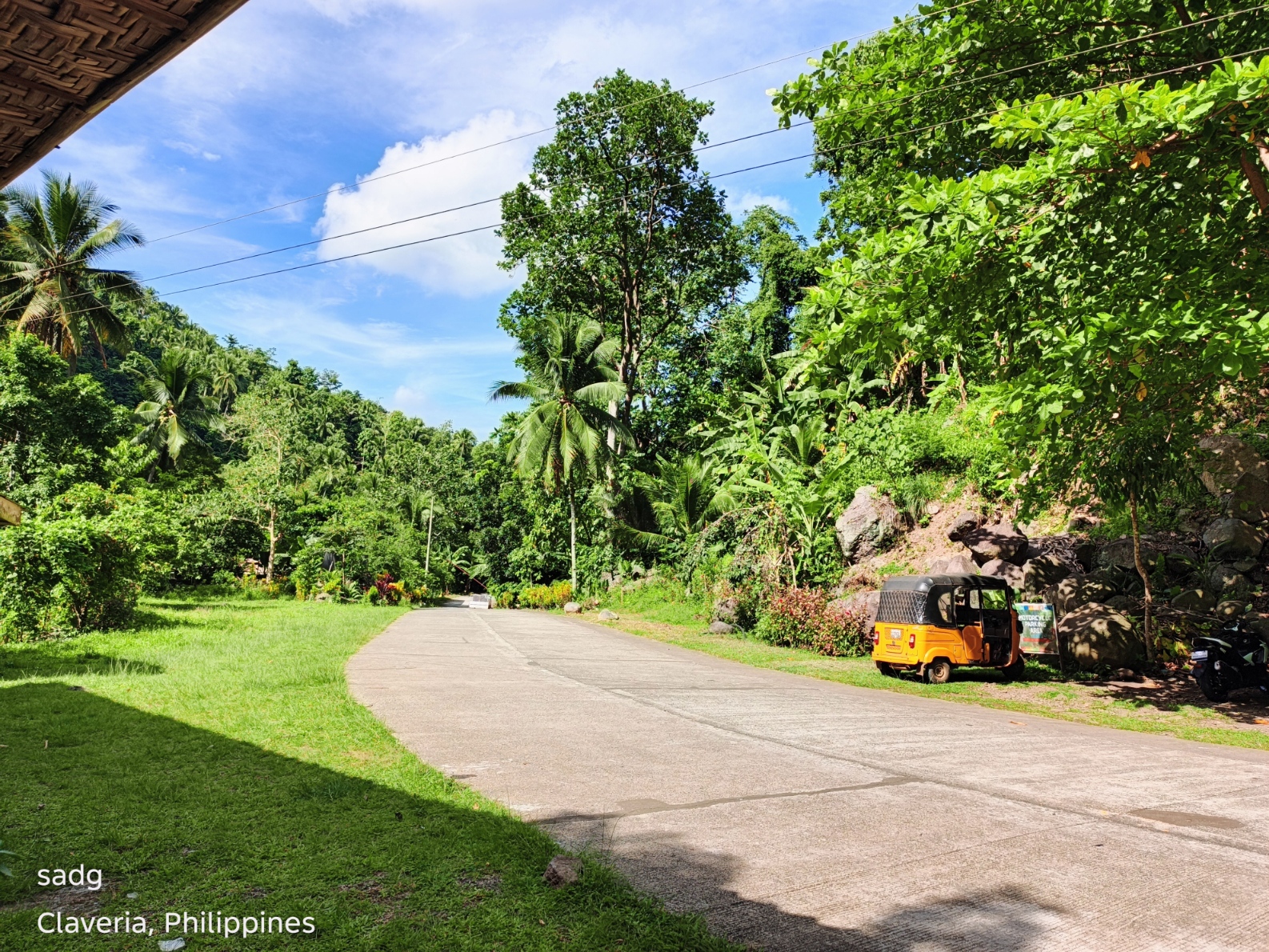
You notice distance. You notice how small human structures appear against the landscape. You notice water continuing as it did before you arrived and as it will after you leave. Those details rarely fit neatly inside captions.
Why Returning Matters
My two trips started for completely different reasons. The February journey began with a holiday from work. The October journey came after a running event. Neither started as a research project. Only afterward did I understand that the two visits had given me something valuable: comparison.
Returning allowed me to separate the excitement of encountering a destination for the first time from the quieter experience of seeing it again. That distinction changed how I think about travel. We often measure travel by addition: another province visited, another attraction photographed, another destination checked off a list. Perhaps traveling deeply sometimes requires repetition rather than accumulation.
Go somewhere. Look carefully. Leave. Then come back.
Tourism Also Creates Responsibility
There is another side to appreciating places such as Sagpulon Falls. Natural destinations exist before they become backgrounds for photographs. A waterfall is not simply a product to consume during a free afternoon. The surrounding landscape is part of a larger environment that deserves restraint from those who enter it.
That responsibility can begin with ordinary behavior: following current site instructions, avoiding unnecessary disturbance, carrying waste out, staying within permitted areas, and treating the landscape as something future visitors should also be able to experience. Because access rules and site conditions can change, visitors should rely on current guidance at the destination instead of older travel posts.
Good tourism is not only about finding beautiful places. It is also about leaving them without diminishing what made them worth visiting.
The Place Was the Same. I Was the Returning Visitor.
Eight months separated my two visits to Sagpulon Falls. In February, everything was unfamiliar. In October, something was waiting for me: recognition.
That may be the lasting value of returning. A destination does not need to transform dramatically for a second journey to matter. Sometimes the landscape remains familiar while our attention changes. We notice more because we already know where to look.
After these two visits, I no longer think meaningful travel is simply about collecting as many destinations as possible. Some places deserve another look. For me, Sagpulon Falls became one of them.
On February 17, I went there to spend a day away from work. On October 18, I returned after a run. Both visits gave me photographs. But the distance between the two visits gave me the story.
Sometimes we return to a place not because we failed to see enough the first time, but because seeing it again helps us understand what the first visit meant.
Sources and Publication Notes
Department of Tourism, “Misamis Oriental,” for the province’s wider tourism context.
Tripadvisor, “Sagpulon Falls,” for contemporary visitor information and one published height estimate.
Tara Kahit Saan, “Sagpulon Falls – Jasaan, Misamis Oriental,” for location and an alternative published height estimate.
Victor Naive, “Sagpulon Falls: The Alluring Waterfalls of Jasaan, Misamis Oriental,” for descriptive and historical travel context.
Author and Image Note
Story and photographs by Mingae Gaces Samontina. This article is based on the author’s visits on February 17 and October 18, 2026.
About the Creator
Domingo Añasco-Gaces Samontina, Jr.
.Professional Member of the Mechatronics and Robotics Society of the Philippines
.Certified Documented Information Controller with TUV Rheinland Qualifications
.Master of Science in Engineering (on-going) with Professional Teacher Certificate
Enjoyed the story? Support the Creator.
Subscribe for free to receive all their stories in your feed.
Comments
There are no comments for this story
Be the first to respond and start the conversation.