
They Eat Cows Don’t They?
A tourist’s guide to what’s real and what’s myth in southern India

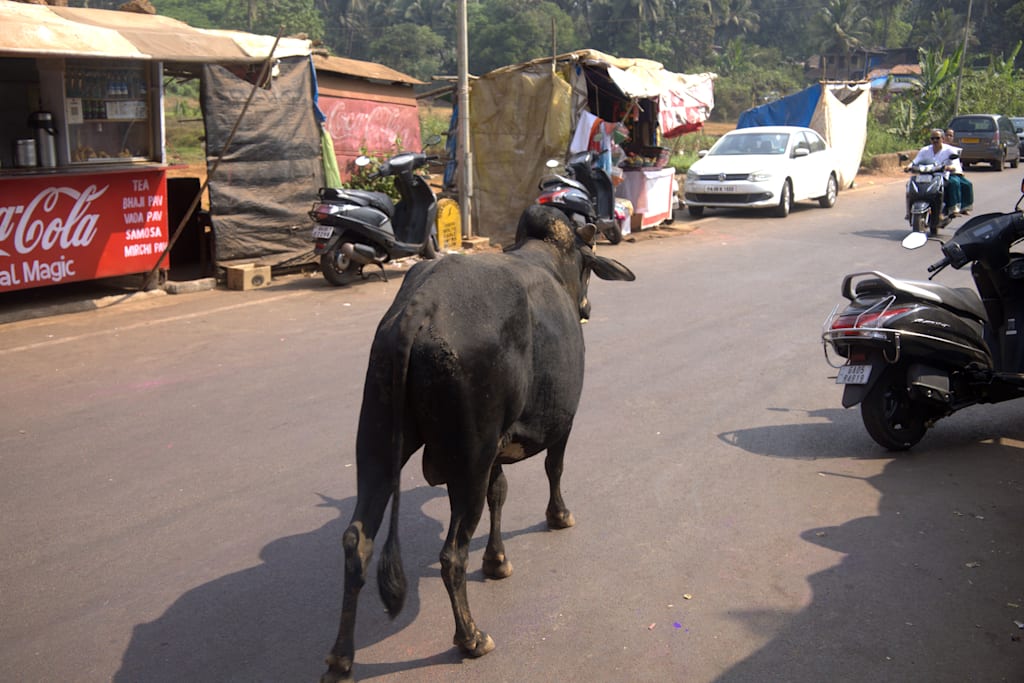
Yes, Indians eat cows. Sort of. Most Hindus don’t – the cow is a religious symbol and protected by law – but beef is definitely on the menu for India’s Muslim and Christian population. And that beef is carabeef or water buffalo. The rest of the world likes it too. India is the world’s largest producer of carabeef, exporting its product to Malaysia, Vietnam, Indonesia, and the Middle East.
Eating beef is just one of many surprises my partner and I encountered on a two-week trip to India. Like other first world ignoramuses, we left North America with a lot of preconceptions. We returned enlightened. To be clear, we only sampled southern India from Cochin at the tip of the continent to Mumbai. We didn’t go further north. Here are some of the misconceptions we addressed.
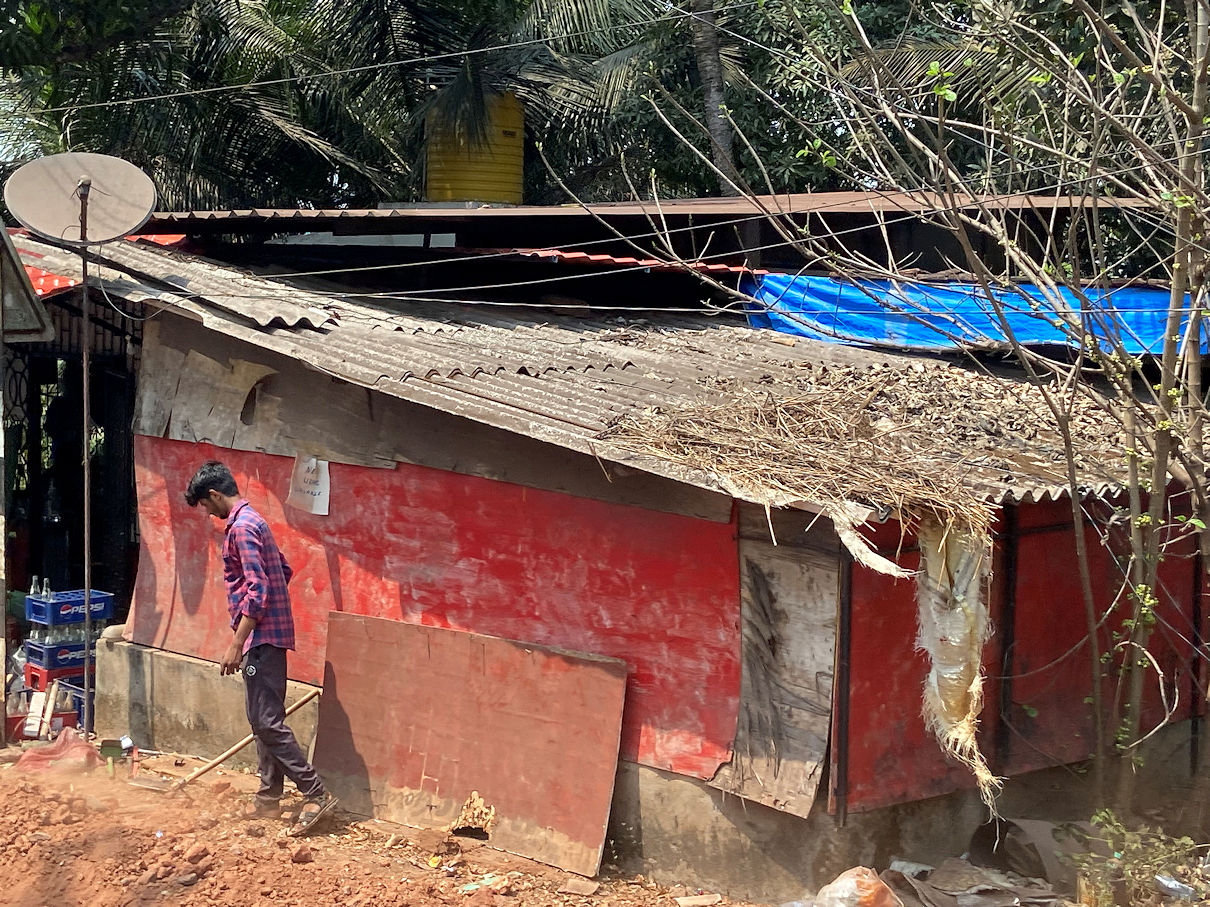
Poverty. Yep, no doubt about it. Poverty is very visible in India's villages and small towns. Housing can consist of concrete or concrete block, corrugated tin, and cardboard. Garbage accumulates. But there’s a mix too. Turn a corner and there’s a substantial western-style house sitting next to a decrepit one. It’s hard to say where the poor neighborhood ends and the wealthier one begins. This discrepancy between rich and poor is more pronounced in larger centers like Mumbai.
Ah Mumbai. We expected a lot of urban decay in Mumbai but there are parts of Mumbai, especially around the train station that give the visitor the impression of having just landed in jolly old. The central core is dotted with well-kept, colonial era Indo-Victorian public buildings, Modern high- rise office towers and apartment buildings complete the picture.
Mumbai's well-to-do live in neighborhoods like Bandra and Juhu. The poor live in eight prominent slums throughout the city. Dharavi, the largest slum, contains a million people. It’s a bit weird but Mumbai doesn't shy away from its poor but offers slum tours instead as a way to see local enterprise in action.
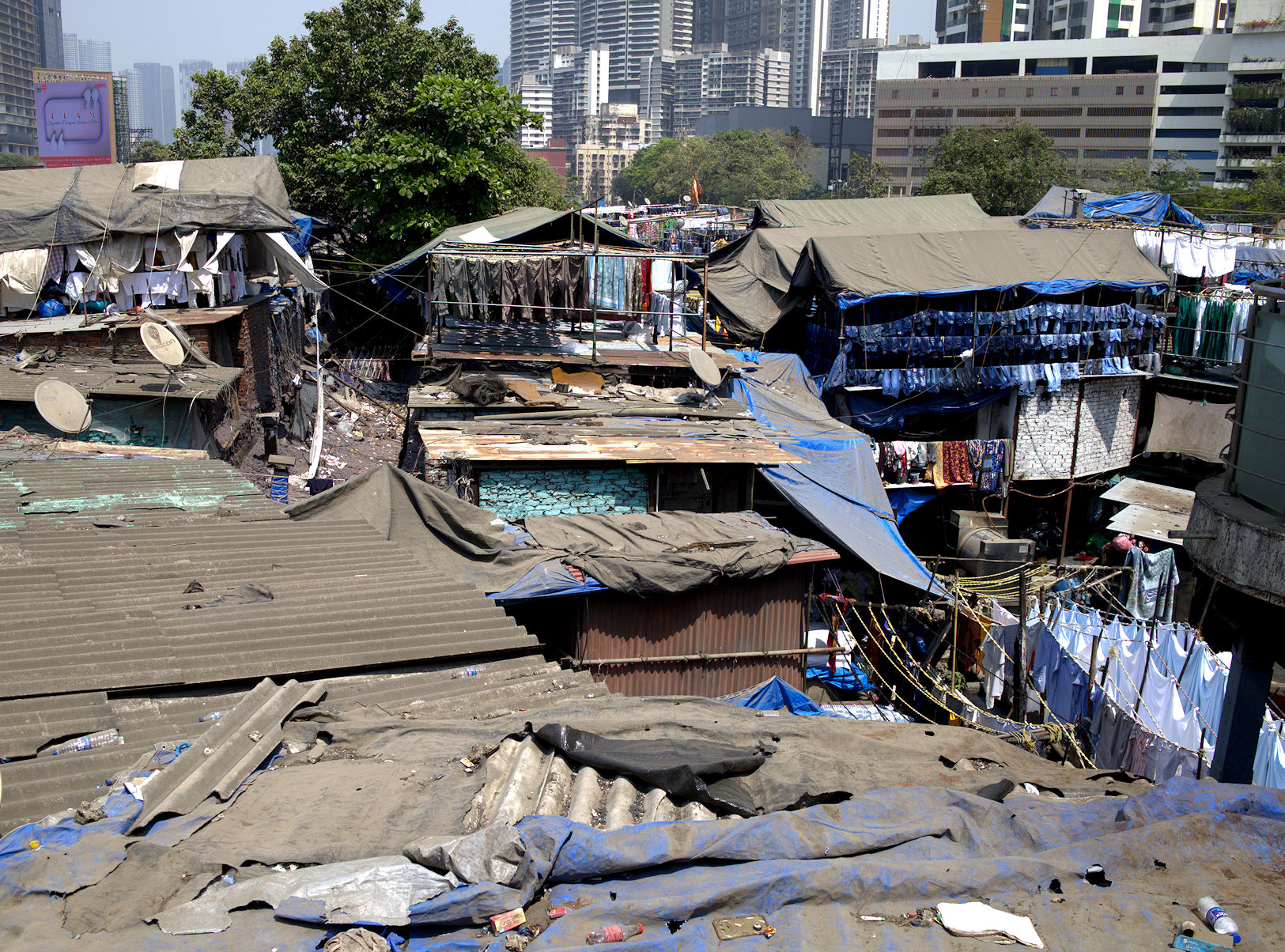
Dhobi Ghat, billed as the world’s largest outdoor laundry, is one of those tours. Nestled between a busy roadway and modern office towers, it looks like a shanty town with hundreds of sheets, jeans, and shirts draped over and around the inhabitant's meagre living quarters. I could see washers, both men and women, called dhobis, standing at large outdoor metal tubs and washing everything by hand.
Dhobis have been servicing Mumbai's wealthy for decades. I knew a little bit about India's ancient caste system and asked our guide "are the washers Shudras, the historic artisan class?" He avoided the question. He said it was an honorable profession, passed down through the generations and that enterprises like this work because everybody knows their place. I took that to mean the caste system is alive and well although nobody likes to use the word caste.
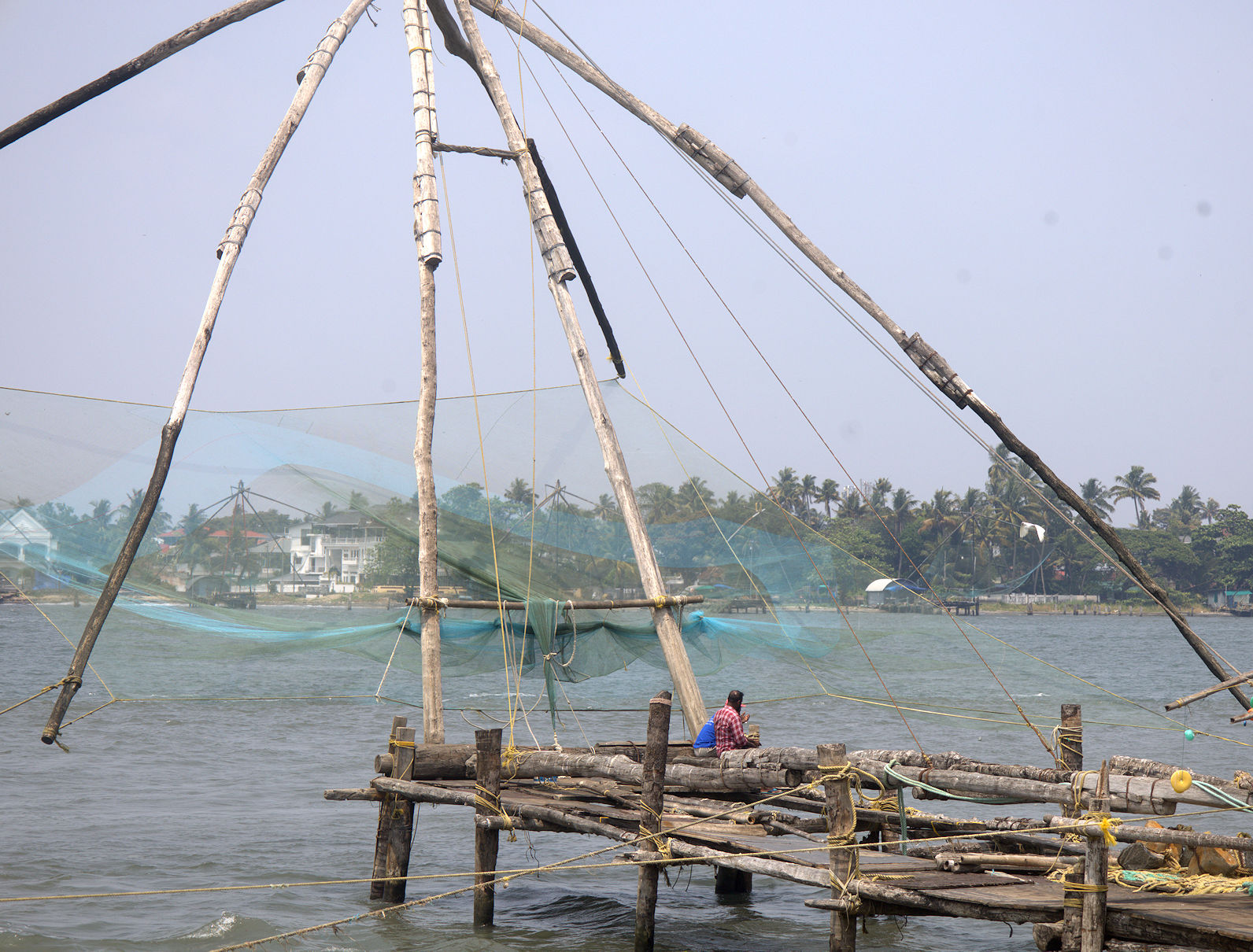
Tourist trap is another sensitive word the locals avoid but let’s face it, tourism is a huge part of the Indian economy. Cultural attractions are such a big draw that entire commercial communities grow up around them. Take for example the fishing nets lining the shores of the Arabian Sea near Cochin. Suspended from huge booms that extend above the water, these structures are a unique way of catching fish. They're distinct, picturesque and Instagramable. But to get there, visitors have to run a gauntlet of vendors selling food, handicrafts, and souvenirs. Tourists can expect a constant buzz of hawkers at all the well-travelled sites. It comes with the territory. Indian vendors are aggressive but will back off if you’re direct and firm.
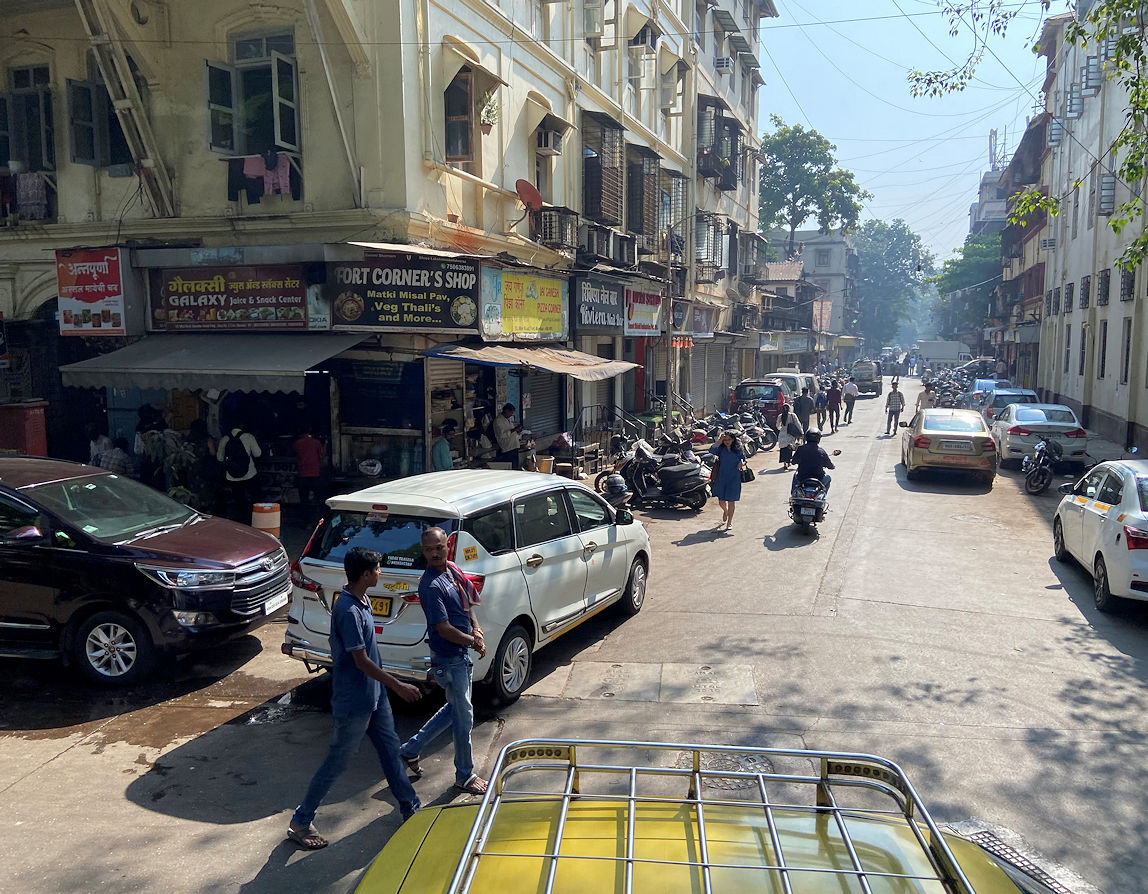
Congestion was a concern. Greater Mumbai exceeds 22 million people. We expected it to be choked with pollution but we found it surprisingly tolerable. Not great but tolerable. The newer municipal busses are electric and many Mumbai taxicabs run on propane. But the numbers are telling. The traffic is terrible. To make matters worse drivers don’t signal when changing lanes. They honk instead. “We make our own roads,” our taxi driver said, almost gleefully. As a result, Mumbai is noisy. It’s all those damn car horns.
Having said that, Mumbai’s highway infrastructure to and from other parts of the country is in great shape especially that part of the Coastal Road, a third of a mile to be precise, that has been embedded with different kinds of rumble strips. The locals call it the singing highway because cars passing over the rumble strips generate the opening bars of Jai Ho, the theme song to Slumdog Millionaire. My partner swears she heard Jai Ho. I only heard road noise. Can’t say Mumbai's civic planners don’t have a sense of humor though.
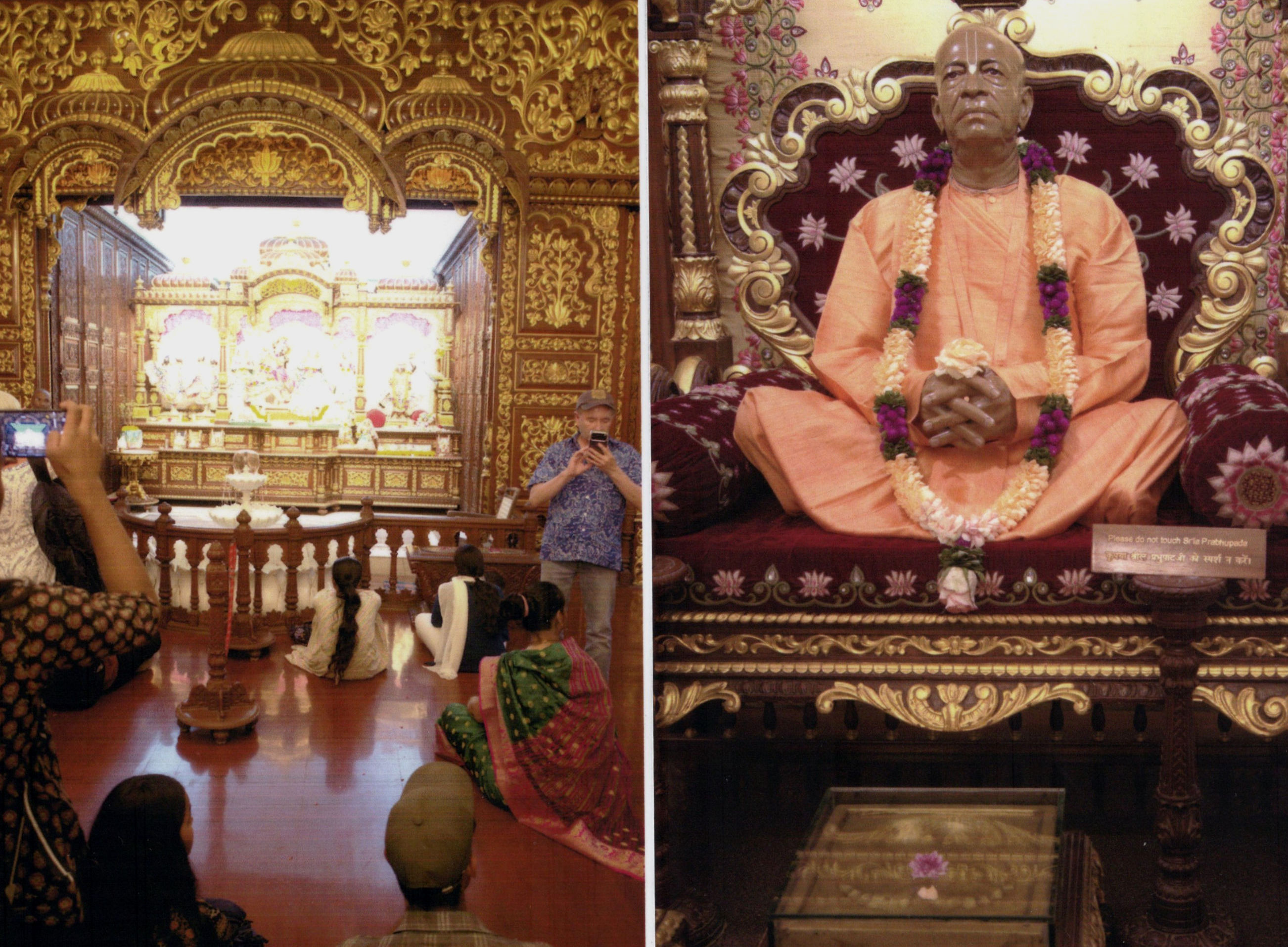
India, of course, is all about temples. Thankfully, we knew about temple protocol beforehand - women have to cover bare shoulders, not wear shorts, and wear a head covering. Everybody has to take off their shoes. Yet the Krishna temple we visited in Mumbai was surprisingly relaxed as far as the dress code was concerned. Nor were we denied entrance. We mingled with worshippers who seemed oblivious to our presence unlike some of the Catholic churches we saw elsewhere.
That's right, Catholic churches. While Hinduism is the dominant religion, we were surprised to find so many Christian churches in amongst the temples, a result of the Portuguese who colonized India in the 16th century and the British who followed in the 19th. Indo-Portuguese architecture and Catholic churches were particularly prominent in Goa.
Yes, southern India is a mix of faiths, Christian, Hindu, Buddhist, and Muslim and while this mix of cultural diversity implies tolerance, tourists should be aware of the ongoing tensions between Hindus and Muslims which has only got worse since Modi and his nationalist government took power in 2014.
“That’s the Muslim area over there,” our taxi driver said as he pointed to a collection of high rises on the other side of the highway. “We can’t live there and they can’t come over here.” I couldn’t tell if this exclusion was by choice or by law. I’ve since discovered there are laws barring Muslims from buying Hindu property as well as other discriminatory edicts affecting Muslim employment and education.
Which raises the issue of security. My partner and I took a taxi to a high-end restaurant at a resort in Bandra. The taxi stopped at the gate house and three bollards slowly rose from the roadway blocking our progress. Security officers opened the trunk and the hood before allowing us to proceed. “Looking for terrorists and weapons,” our driver said. Pakistan is the perceived enemy. It wasn't scary but unexpected. Security checks are the reality.
All in all, we found India to be a study in contrasts. Neat freaks won’t like the smells, sounds, congestion, and casual disorder. Nor will those accustomed to the familiar and the predictable but it's precisely the differences that make this part of India distinct, unique, and ultimately so memorable.
About the Creator
John Thomson
Former television news and current affairs producer now turned writer. Thanks Spell Check. Visit my web page at https://woodfall.journoportfolio.com
Enjoyed the story? Support the Creator.
Subscribe for free to receive all their stories in your feed.
Comments
There are no comments for this story
Be the first to respond and start the conversation.