family travel
Wander answers all your questions about family travel except "Are we there yet?"
Is Morocco Suitable for Kids?
Before traveling to Morocco with my children, I had many questions. Would the cities be too busy? Would my kids enjoy the food? Would the long drives between destinations be exhausting? Would Morocco feel comfortable for a family vacation?
By Ariel Cohen3 months ago in Wander
Everest Base Camp Trek Cost and Itinerary
The Everest Base Camp Trek is one of the most iconic trekking adventures in the world. It takes you deep into Nepal’s Khumbu region, through high-altitude villages, suspension bridges, glaciers, and finally to the base of Mount Everest itself.
By Maik Tyson4 months ago in Wander
Warm Escapes Across Europe. AI-Generated.
Europe is often associated with snowy Christmas markets, cosy cafés, and chilly winter landscapes. While those experiences certainly have their charm, many travellers from the UK start dreaming of sunshine as the darker months arrive. Fortunately, Europe offers an incredible variety of destinations where you can escape the cold without travelling halfway around the world. From Mediterranean coastlines to island paradises, there are plenty of warm Places to Visit in Europe during UK winter that combine pleasant temperatures with rich culture, fascinating history, and stunning scenery.
By Evelyn Clede4 months ago in Wander
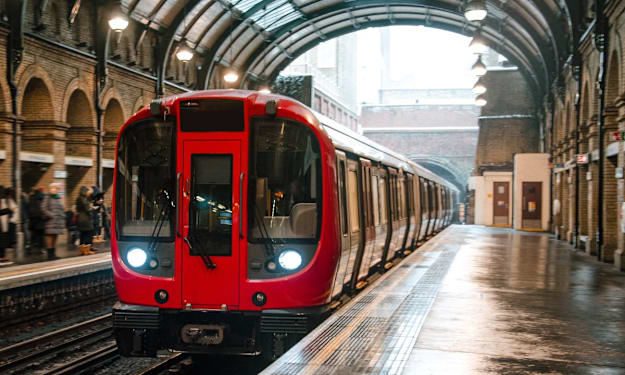
Best Day Trips from London by Train
London is one of the world's most exciting cities, but some of the United Kingdom's most memorable experiences lie just beyond the capital. Thanks to Britain's extensive rail network, travelers can easily escape the busy streets of London and discover historic towns, coastal destinations, stunning countryside, and cultural landmarks—all within a few hours.
By Stories Today4 months ago in Wander
Coolcation Destinations: Escaping Heat with Cold Weather Travel
In recent years, a new travel trend has been quietly taking over summer holiday plans: the “coolcation.” As global temperatures rise and popular tourist destinations become increasingly hot and crowded, more travellers are choosing to escape the heat altogether and head somewhere cold, crisp, and refreshing instead. Rather than chasing the sun, they are chasing cool air, mountain breezes, glacier views, and snow-dusted landscapes.
By Stories Today4 months ago in Wander
DreamWorks Water Park: The Good, the Bad, and the Ugly
“No dream is too big.” — DreamWork’s Turbo The modern water park depends on one essential ingredient: thrills. Roller coasters may go faster, but something is unsettling about skimming across the water in nothing but a bathing suit, unrestrained and exposed. The trick is to make you feel as if you were at the edge of danger, while the slide’s designers ensure you never actually cross it.
By Carl J. Petersen4 months ago in Wander
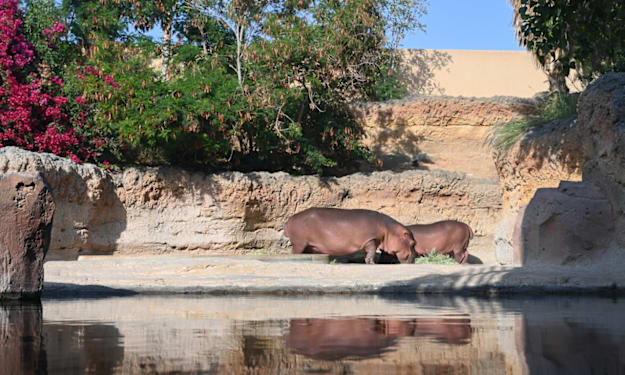
Step Into Adventure: 6 Essential Tips for Your First Visit to Al Ain Zoo
Set against the backdrop of Al Ain’s desert landscape, Al Ain Zoo is one of the United Arab Emirates’s most popular wildlife attractions. It is home to hundreds of fascinating animals and interactive experiences, combining education and outdoor adventure in one place.
By TasteTravelLive4 months ago in Wander
The Slow City Trip Is Replacing the Bucket List
# The Slow City Trip Is Replacing the Bucket List The modern city break used to be a race. Land, check in, sprint through the landmarks, eat somewhere “authentic” that a stranger on the internet recommended, then leave with aching feet and a camera roll full of almost the same photograph everyone else took. That version of travel still exists, but it is losing its grip. More travellers are discovering that the best way to know a city is not to conquer it. It is to stay long enough for it to become ordinary. That may sound unglamorous, but it is exactly the appeal. The slow city trip is not about abandoning ambition or curiosity. It is about changing the unit of value. Instead of measuring a trip by how many sights you can fit into a weekend, you measure it by how deeply you can sink into a place’s rhythm. You stop asking, “What can I tick off?” and start asking, “What does this city feel like at 8.30 on a Tuesday morning?” ## The End of the Exhausting Itinerary For years, travel advice quietly rewarded urgency. The more you could cram into 48 hours, the more “successful” the trip seemed. A museum before lunch, a scenic viewpoint after, dinner in a neighbourhood you barely had time to pronounce. By the end, you had stories, but not necessarily memories that settled. Slow travel rejects that pressure. It gives permission to do less, and paradoxically, get more. When you stay in one district for a week instead of bouncing across three, you begin to notice how the city changes with the weather, the commute, the opening hours of its bakeries, the conversation patterns at the corner café. You stop being a consumer of attractions and start becoming a temporary local. That shift matters because cities are not just collections of monuments. They are living systems. Their personality lives in routines: the newspaper seller who knows who wants the afternoon edition, the park where retirees gather at the same bench, the lunch spots that fill up with office workers by 12.15 and empty again by one. Those are not side notes to the “real” trip. They are the trip. ## Why Less Sightseeing Can Feel More Luxurious There is a particular luxury in not rushing. It does not require marble lobbies or private drivers. It requires time, attention, and a willingness to be slightly bored in the right places. A slow city trip often gives you what luxury travel promises but cannot always deliver: ease. There is no frantic mental ledger running in the background. You are not constantly deciding whether the next place is worth the transfer time. You have one good coffee shop, one favourite walk, one bookstore that becomes part of your morning. The trip becomes lighter because it is less performative. This also changes how you remember the place. Memory tends to keep what repetition reinforces. A single perfect postcard view is pleasant, but a daily route to the same bakery becomes emotional geography. Years later, you may not remember every museum room, but you will remember the sound of scooters on wet pavement, the smell of bread from the side street, the way the city looked when you finally knew how to cross it without checking maps. That is the deeper appeal of slow travel: it creates familiarity quickly enough to feel intimate, but not so quickly that it turns stale. ## A Real Example: Lisbon Without the Rush Take Lisbon, for instance. It is a city often sold through a checklist: tram 28, Belém, pastel de nata, the viewpoint, the tiled façades, the Fado night out. There is nothing wrong with any of that. But if you stay a little longer and move more slowly, a different Lisbon appears. You might begin your day in a neighbourhood café in Graça, not because it is on every itinerary, but because it is close to where you are staying and the espresso is good. You notice the same man buying two pastries every morning, the same schoolchildren racing past in uniforms, the same shopkeeper sweeping the pavement before opening. Later, instead of forcing a third landmark, you wander downhill to the river, stop for lunch, and read for an hour. In the afternoon you take a tram not to collect an experience, but because you want to see how the city looks in the rain. None of this sounds dramatic. That is the point. The trip stops feeling like a performance and starts feeling like a life temporarily lived elsewhere. ## The Local Routine Effect Slow travel works best when it borrows from ordinary life. Not the glossy version of local living that social media packages as effortless chic, but the real thing: errands, repetition, habits, and small rituals. You buy fruit from the same market stall twice. You learn which café opens earliest. You discover that the neighbourhood laundrette is also the best place to overhear useful recommendations. You build a tiny routine, and in doing so, the city stops resisting you. This is also why slow travel tends to be more satisfying for creative people. Writers, designers, photographers, and anyone whose work depends on observation often need time for ideas to arrive. A packed itinerary leaves no room for that. But a slower trip lets context accumulate. You start noticing patterns, contradictions, and textures. You have time to think while walking, which is often where the best ideas begin. Even in relationships, the same principle holds. A trip with no breathing room can create friction, even between people who love each other. A slower pace gives everyone more grace. There is less pressure to constantly agree on the “next thing” and more space to simply be together in a place. That is often where the real bonding happens. ## Conclusion The bucket list trip is not dead, but it is being outgrown. More travellers are realising that the most memorable city breaks are not always the ones with the most receipts, the most photos, or the most landmarks. They are the ones where you had time to notice where you were. Slow travel is not laziness. It is taste. It is choosing depth over display, rhythm over rush, and local routine over tourist performance. Fewer sights can create a better trip because they leave room for the city to speak in its own voice. And once you hear that voice, you rarely want to travel any other way.
By Mxolisi Makhubela5 months ago in Wander
The Bahamas and the Quiet Beauty People Never Forget
Some places stay in memory long after the journey ends. The feeling is difficult to explain because it is not only about beaches or weather. It is about atmosphere, emotion, and the rare sense of peace people carry home with them. The Bahamas creates that kind of experience for many travelers. The clear water, soft ocean wind, and slower rhythm of life feel far away from everyday stress. But behind the beauty of the Bahamas is something deeper. Families, traditions, local stories, and island resilience shape the emotional connection people develop with this country. When people search for “the bahamas,” they are often searching for more than travel advice. They are searching for escape, reflection, and a place that feels calm in a world that rarely slows down anymore.
By Muqadas khan5 months ago in Wander