
Everest Base Camp Trek Cost and Itinerary
How Much It Really Costs and What Your Day-by-Day Journey Looks Like to the Base of the World’s Highest Mountain
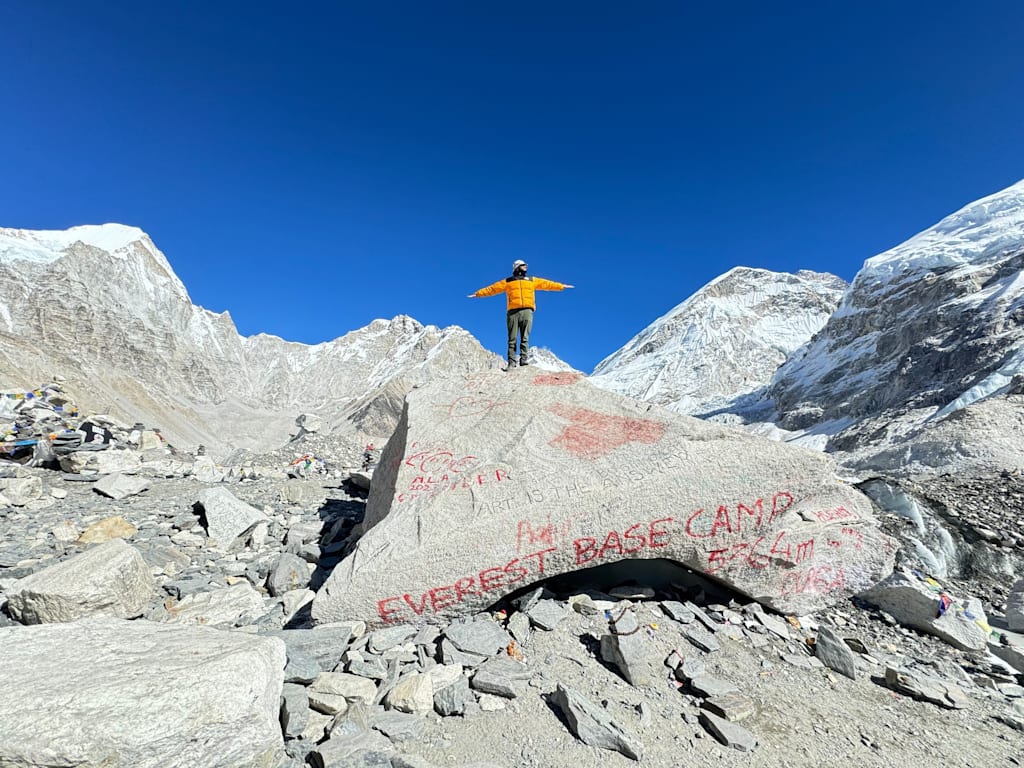
The Everest Base Camp Trek is one of the most iconic trekking adventures in the world. It takes you deep into Nepal’s Khumbu region, through high-altitude villages, suspension bridges, glaciers, and finally to the base of Mount Everest itself.
Before starting this journey, most trekkers want to understand two things clearly: how much the trek costs and what the full itinerary looks like in real conditions. This guide explains both in a simple, realistic way based on actual trekking experience in Nepal.
What You Are Really Paying For on the Everest Base Camp Trek in Nepal?
The cost of the Everest Base Camp trek in Nepal is not just about walking from one village to another. You are paying for a complete high-altitude logistics system.
Everything from food to accommodation to transportation has to be carried or flown into remote mountain regions. As you go higher, prices increase because supply becomes harder.

The overall cost depends on your travel style, whether you choose a budget trek, a guided standard trek, or a luxury package. Each level changes your comfort, safety, support, and overall experience.
Everest Base Camp Trek Cost Breakdown
International Flights to Nepal
Your journey begins with international travel to Kathmandu. Depending on your country, season, and booking time, flights usually range from moderate to expensive. This is the first major cost component before the trek even begins.
Trekking Permits for the Everest Region
To enter the Everest region, you must obtain official permits. These include the Sagarmatha National Park Permit and the local Khumbu region entry permit. The total cost for permits is relatively low compared to other expenses, but they are mandatory for all trekkers.

Flight from Kathmandu to Lukla
One of the most important and expensive parts of the journey is the domestic flight from Kathmandu to Lukla. This short flight takes you to the starting point of the trek. However, it is also weather-dependent, and delays are common, which can sometimes increase your overall trip cost due to extra accommodation days in Kathmandu.
Accommodation During the EBC Trail
Accommodation along the EBC trail is in teahouses, which are simple mountain lodges run by local families. Rooms are basic but functional, usually with twin beds and shared bathrooms. The price is lower at the beginning of the trek and increases as you gain altitude because everything must be transported uphill.
Food and Drinks on the Everest Base Camp Trekking
Food is one of the biggest daily expenses on the Everest Base Camp trekking. Meals are freshly cooked in teahouses, but prices rise significantly as you go higher. This is because all ingredients are carried by porters or yaks. A simple meal like dal bhat becomes more expensive at higher altitudes, and snacks, bottled water, and hot drinks also add to the total cost.
Guide and Porter Costs for Everest Trek
Hiring a guide and porter for the Everest Trek is highly recommended for safety and convenience. A guide helps with navigation, altitude awareness, and local communication, while a porter carries your heavy backpack so you can focus on trekking. This support system greatly improves the trekking experience, especially in high-altitude conditions.

Additional Expenses
There are also small but important extra costs during the trek. These include charging electronic devices, hot showers, WiFi access, and tips for guides and porters. Although these seem minor individually, they add up over the course of the trek and should be included in your budget planning.
Total Everest Base Camp Trek Cost
The total cost depends on your travel style. A budget trek usually falls on the lower end with minimal services, while a standard guided trek includes a guide, porter, and better support.
Luxury Everest treks include upgraded accommodation and services, making the experience more comfortable but also more expensive. Most trekkers choose the standard option as it balances safety and cost effectively. You can except the cost around 1500 USD for the standard to 3000 USD for the Luxury trek.
Everest Base Camp Trek Itinerary (Day-by-Day Journey)
Day 1: Flight to Lukla and Trek to Phakding
The journey begins with an early morning flight to Lukla, followed by a gentle trek through river valleys and small villages. This is your first real introduction to the Everest region and its landscapes.
Day 2: Phakding to Namche Bazaar
This is one of the most important trekking days. You enter Sagarmatha National Park and begin a steady climb through suspension bridges and forest trails before reaching Namche Bazaar, the main trading hub of the Khumbu region.
Day 3: Acclimatization Day in Namche Bazaar
This is a rest and adaptation day. Short hikes around Namche help your body adjust to a higher altitude. You also get your first panoramic views of Everest and the surrounding peaks.
Day 4: Namche Bazaar to Tengboche
The trail becomes more scenic with views of Ama Dablam and the surrounding Himalayan peaks. You reach Tengboche, home to a famous Buddhist monastery surrounded by mountains.
Day 5: Tengboche to Dingboche
The landscape changes noticeably as forests disappear and alpine terrain begins. Dingboche marks your entry into a colder and more rugged environment.
Day 6: Acclimatization Day in Dingboche
Another important rest day for altitude adaptation. Short hikes to nearby ridges help improve oxygen efficiency and prepare your body for higher elevations.
Day 7: Dingboche to Lobuche
The trail becomes more challenging as you approach glacier terrain. The air feels thinner, and the landscape becomes rocky and cold, signaling your approach toward Everest Base Camp.
Day 8: Lobuche to Gorakshep to Everest Base Camp
This is the most emotional and rewarding day of the trek. You walk alongside the Khumbu Glacier and finally reach Everest Base Camp, standing at the foot of the world’s highest mountain.
Day 9: Hike to Kala Patthar and Return to Pheriche
An early morning hike to Kala Patthar offers the best close-up view of Mount Everest. After sunrise, you descend back to a lower altitude for recovery.
Day 10 to Day 12: Return to Lukla
The return journey retraces your steps through familiar villages like Namche and Phakding before reaching Lukla for your flight back to Kathmandu.
Summary
The Everest Base Camp trek is not just a physical journey but a gradual transformation through altitude, culture, and endurance. The cost varies depending on your travel style, but the experience remains the same in value: unforgettable. What you take back is not just photographs, but a deeper appreciation of nature and personal strength.
About the Creator
Maik Tyson
Hey everyone, It's me, Maik Tyson. Aw aw not the UFC fighter but the storyteller who would write stories for you to fight with your inner enemies and enjoy my stories. Visit me: https://www.adventurevisiontreks.com/trip/manaslu-circuit-trek
Enjoyed the story? Support the Creator.
Subscribe for free to receive all their stories in your feed.
Comments
There are no comments for this story
Be the first to respond and start the conversation.