europe
Whether embarking on a Eurotrip or a weekend jaunt to a foreign city, European travel requires some smart planning; you may know all the must-see landmarks, but we provide the hidden gems.
"Places Around the World Where Time Stands Still"
Introduction There are places in the world where the relentless ticking of the clock seems to hush — where the air carries stories of centuries past, and every stone path feels like a portal into history. These are not your typical vacation spots; they are timeless travel destinations, havens for those who yearn to disconnect from modern chaos and reconnect with something older, deeper, and profoundly still.
By Shamshair Khan Hasan Zaiabout a year ago in Wander
Visiting Ukraine During Wartime
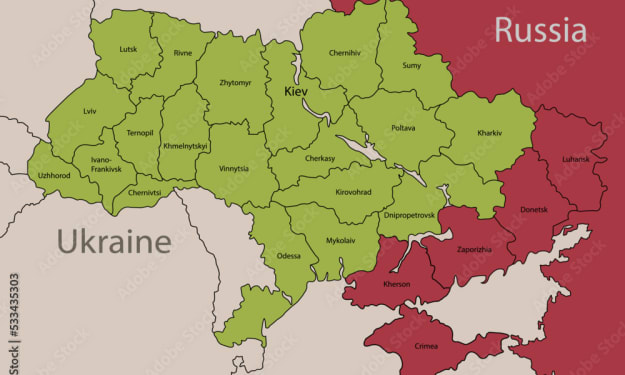
When I decided to visit Ukraine in mid-2025, people often asked me, “Is it even safe?” I get it — the country is still at war, and that affects everything. But there are parts of Ukraine where daily life continues relatively normally, and with the right preparation, you can travel there fairly safely. In this blog, I’ll share my personal experience of visiting Ukraine in 2025: from insurance and the air raid alert app to which areas to avoid — and which are more accessible.
By Hidden World Journeyabout a year ago in Wander
The Leaning Tower of Pisa: A Timeless Tilt That Defies Gravity
The Leaning Tower of Pisa: Italy’s Iconic Architectural Marvel In the heart of Italy lies one of the world’s most fascinating architectural wonders — the Leaning Tower of Pisa. Every year, millions of tourists from around the world flock to this extraordinary structure, not just to admire its beauty, but to marvel at one very peculiar and captivating detail — its famous lean. Despite being centuries old, the Leaning Tower of Pisa stands strong, tilted to one side, defying both gravity and architectural norms. This unique feature has made it a global symbol of curiosity, engineering, and resilience. --- Why is the Tower Leaning? The tower’s most famous characteristic — its lean — is not intentional. Construction of the tower began in 1173 AD as part of a larger architectural project that included a cathedral and a baptistery in the city of Pisa. The tower was designed to be a freestanding bell tower for the nearby cathedral. However, shortly after construction began, the builders noticed something unusual. The foundation was laid on soft, unstable soil, a mixture of clay, fine sand, and shells. As the structure rose and more weight was added, one side of the foundation began to sink, causing the entire tower to tilt. Fearing collapse, construction was halted multiple times over the course of almost 200 years. These pauses, surprisingly, allowed the soil to settle and may have contributed to the tower's eventual survival. --- Engineering Efforts and Preservation Over the centuries, the lean of the tower became more pronounced, raising concerns about its structural integrity. At its worst, the tower tilted at an alarming 5.5 degrees, threatening to fall over. Engineers and architects from around the world came together to devise ways to prevent its collapse without losing the iconic tilt that made the tower so famous. Efforts included: Soil extraction techniques to slightly reduce the tilt. Reinforcements to the base. Anchoring the structure with strong cables. Adding counterweights on the north side. These preservation efforts paid off. Today, the Leaning Tower of Pisa leans at a safer 3.97 degrees, and experts believe it will remain stable for at least the next few hundred years. The structure continues to stand not just as a monument to the past, but also as a testament to modern engineering brilliance. --- A Symbol of Cultural and Historical Importance The Leaning Tower is located in Piazza dei Miracoli (Square of Miracles) in Pisa, Tuscany. It is part of a larger ensemble that includes: The Pisa Cathedral (Duomo) The Baptistery The Camposanto Monumentale (Monumental Cemetery) This entire complex has been designated a UNESCO World Heritage Site, due to its historical, cultural, and architectural significance. The tower itself is an example of Romanesque architecture, characterized by its white marble construction, arched arcades, and exquisite carvings. It stands at 56 meters (183 feet) high, with eight stories, including the chamber for the bells at the top. --- Tourist Attraction and Global Fame One of the most photographed monuments in the world, the Leaning Tower of Pisa has become a must-visit destination for tourists. People from every corner of the globe come to: Admire its unusual structure Climb the 294 steps to the top for a panoramic view of the city Pose for playful photos, pretending to hold up or push the tower — a tradition that has become a viral internet trend Its popularity has made it one of Italy’s top tourist destinations and a source of national pride. It’s more than just a tower — it’s an icon, representing creativity, imperfection, endurance, and historical beauty. --- Why It’s Considered an Architectural Wonder Although the Leaning Tower of Pisa is not one of the Seven Wonders of the Ancient World, it is often featured in lists of the modern wonders of architecture due to: Its unintended design flaw that became its most celebrated feature. The complexity of preserving a flawed structure for nearly a thousand years. The tower's global recognition and cultural symbolism. In the world of architecture, it's rare for a mistake to become a masterpiece. Yet, the Leaning Tower of Pisa has done just that — transforming an error in engineering into a legacy of beauty and innovation. --- Final Thoughts: More Than Just a Leaning Tower The Leaning Tower of Pisa teaches us something deeper. It reminds us that imperfection can become iconic, that challenges can be overcome with creativity and collaboration, and that heritage is worth preserving — no matter how flawed it may seem. Whether you’re an architect, historian, tourist, or simply someone in awe of Earth’s many wonders, the Leaning Tower of Pisa stands as a timeless symbol of endurance, curiosity, and wonder. So, next time you see a photo of someone “holding up” the tower, remember — they’re not just posing for a picture. They’re participating in a story that spans over 850 years, blending art, science, and human persistence in one glorious lean.
By Ikram Ullahabout a year ago in Wander
Why you should visit Italy
If you're considering Italy for your next canoeing adventure, it's undoubtedly an excellent choice. This Mediterranean country is renowned for its rich history, breathtaking natural landscapes, world-class art, and delectable cuisine. Here's a detailed look at why Italy is an ideal destination for canoeing: Italy's Geographical Diversity and Natural Beauty Italy's diverse geography makes it a particularly appealing destination for canoeing. From the snow-capped peaks of the Alps to the warm beaches of the Mediterranean, each region of Italy possesses its own unique charm. * Lakes: The lakes in northern Italy, such as Lake Como, Lake Garda, and Lake Maggiore, are superb for canoeing. The clear blue waters, lush green surroundings, and luxurious villas create a captivating scene. Paddling along the shores of these lakes offers a unique experience of oneness with nature. * Coastlines: Italy's coastal regions are dream destinations for canoeing or kayaking. The Amalfi Coast, Cinque Terre, and the coastal areas of Sardinia are famous for their dramatic cliffs, hidden beaches, and turquoise waters. Here, you can paddle into sea caves and relax in secluded coves. The experience of watching the beautiful sunset from your canoe is unforgettable. * Rivers and Canals: Canoeing on Italy's rivers and canals can also be a wonderful experience. Venice's famous canals, while traditionally traversed by gondolas, offer a unique perspective of the city by kayak. While not strictly canoeing, kayaking provides an intimate way to explore Venice's narrow waterways. Additionally, many tranquil rivers in various regions offer opportunities for canoeing. Historical and Cultural Attractions Italy is celebrated not only for its natural beauty but also for its rich history and culture. Alongside your canoeing adventures, you can explore Italy's many historical sites. * Ancient Roman Empire Remains: Places like the Colosseum, Roman Forum, and Pantheon in Rome will transport you back to the grandeur of the ancient Roman Empire. * Renaissance Art: Florence's Uffizi Gallery and the Statue of David are magnificent examples of Renaissance art. Here, you can marvel at the works of masters like Leonardo da Vinci, Michelangelo, and Raphael. * Medieval Villages: Scattered throughout Italy, medieval villages with their narrow streets, ancient castles, and stone houses are fascinating to explore. Visiting these villages after a canoeing excursion can be a delightful experience. Food and Drink Italian food is world-famous. Be prepared to indulge in local delicacies and recharge after your canoeing excursions. * Pizza and Pasta: Your trip to Italy would be incomplete without trying pizza and pasta. Each region boasts its own unique recipes and flavors. Neapolitan pizza and Roman carbonara pasta are particularly noteworthy. * Seafood: In coastal areas, don't miss the fresh seafood. Fried fish, grilled fish, and seafood pasta are sure to tantalize your taste buds. * Wine and Coffee: Italy is renowned for its world-class wines. Tuscan Chianti and Sicilian Etna wines are especially notable. Furthermore, Italy's coffee culture is globally acclaimed. An espresso or cappuccino will refresh your day. * Gelato: Be sure to try gelato, Italy's traditional ice cream. The various flavors of gelato will add even more joy to your trip. Tips for Canoeing in Italy When planning your canoeing trip to Italy, keep these points in mind: * Choose the Right Season: The best time for canoeing in Italy is from May to September. The weather during this period is warm and sunny. * Equipment Rental: Most lakes and coastal areas offer canoe or kayak rentals. Some places also provide guided tours. * Safety: Always wear a life jacket when canoeing and adhere to local regulations. If you're canoeing alone, make sure to share your travel plans with others. * Water and Sunscreen: Drink plenty of water and use sunscreen while canoeing, as there's a risk of sunburn. * Visa Requirements: If you're a Bangladeshi citizen, you'll need a Schengen Visa to enter Italy. Make sure to understand the visa application process and required documents in advance. Why Is Italy Best for Canoeing? Canoeing in Italy is not just a physical activity; it's a holistic experience. The enchanting natural landscapes, historical sites, world-class art, and delicious food will make your trip unforgettable. If you're looking for an incredible blend of adventure, culture, and relaxation, then Italy is an ideal destination for you. While canoeing here, you can not only enjoy the closeness to nature but also delve deep into Italy's rich history and culture. So, pack your bags and get ready for a canoeing adventure in Italy! It will add an extraordinary experience to your life that you'll never forget. Do you have any more questions about canoeing in Italy?
By MD Mehedi Hasan fans of Alam Sir.about a year ago in Wander
Best Zoos in Europe
When traveling unless families have children with them they don't usually think of visiting zoos. Here are some of the best zoos around the world that are worth visiting even if you are not traveling with children. These zoos are sure to make you glad you took a look.
By Rasma Raistersabout a year ago in Wander
Exploring Budva: The Best Excursions to Experience the Adriatic Coast
When you think of Montenegro, the image that often comes to mind is the dazzling coastlines, ancient towns, and breathtaking mountain views. Budva, a jewel on the Adriatic, offers all that and more. Whether you’re a beach lover, a history buff, or a nature enthusiast, this place delivers a memorable experience. Planning your itinerary here can be a bit overwhelming — there’s so much to see — so we’ve rounded up the best excursions you can take while visiting Budva.
By Ретро Манияabout a year ago in Wander
The Best Restaurants and Eateries Near the Eiffel Tower: Delicious Dining with an Unmatched View. AI-Generated.
Exploring the beauty of the Eiffel Tower isn’t complete without tasting the local Parisian cuisine nearby. Fortunately, the area around this city icon is filled with restaurants and cafes that serve delicious dishes while offering spectacular views that make your dining experience even more memorable.
By Vocalmedia Adeadifaabout a year ago in Wander
The Eiffel Tower: An Unforgettable Architectural Masterpiece and Timeless Symbol of Paris. AI-Generated.
The Eiffel Tower is one of the most iconic architectural masterpieces in the world. Standing proudly in the heart of Paris since 1889, it was originally built as the entrance arch for the World's Fair (Exposition Universelle). Although it sparked controversy when first erected, today it has become a symbol of romance, beauty, and the enduring charm of France's capital.
By Vocalmedia Adeadifaabout a year ago in Wander
Depeche Mode Bar
I never thought I would fall in love with a place like I did with Tallinn, but I did. It wasn't always on the list of places I wanted to go to at first. I had always wanted to go to Helsinki. Bands like Nightwish and Lordi got me interested. I saw it on the line-up of several Baltic cruises. Because of that, many people who take a trip to Helsinki also take a boat trip to Tallinn.
By Chloe Gilholyabout a year ago in Wander
Starting a Business in Europe?
Why Europe for Digital Business? The reality is simple: business doesn't have borders anymore. With high-speed internet, cloud computing, and digital collaboration tools, you can run a company from anywhere. Europe offers the perfect intersection of competitive tax rates, solid legal frameworks, and quality infrastructure that remote entrepreneurs need.
By Open Forestabout a year ago in Wander
“Tomorrow Dawns Without Me”
omorrowaw “If tomorrow dawns without me,” she said, eyes fixed on the horizon, “know that I am still with you. Not in body, but in spirit—guarding you from every harm. Even in silence, I’ll be there, watching over you.” Her words floated like a gentle prayer, a balm meant to soothe the ache of loss. But in the quiet corners of his mind, something dark stirred. He wanted to believe her, wanted to find peace in that hopeful promise—but the raw edge of reality cut through every soft syllable. “No,” he snapped, the word jagged and harsh in the still air. “Enough of this farce.” She blinked, startled by the sudden surge of anger. “You think I want this? This merciless existence you dragged me into without asking? No permission. No choice.” His voice cracked, a tremor of desperate rage fueling every syllable. He paced the room, fists clenched as if fighting an invisible enemy. The burden pressed down on him—each day a battle he never volunteered to fight. “You speak of comfort, of lingering spirits and guardianship—when all I feel is the cold weight of absence. The unbearable void you’ll leave behind. How can you ask me to endure that? To mend this shattered heart?” He stopped, chest heaving, eyes wild. “Do you think it will be any easier if I go first? That your soul won’t shatter just the same? No. It’s a cruel inheritance, this grief—an unchosen legacy passed down like a poison.” She moved closer, voice softer now but no less firm. “I never wanted to hurt you,” she said. “But love isn’t just about presence. Sometimes, it’s about letting go.” He shook his head, disbelief and fury tangled in his expression. “Then why leave me with this torment and call it love? Why?” Her silence was answer enough. He sank into the chair by the window, staring at the first light of dawn breaking through the glass. The promise of a new day—once full of hope—now felt like a cruel reminder of the inevitable absence. “Tomorrow,” he whispered, “I don’t want you to be gone. But if you must leave, don’t ask me to pretend it’s anything but a war zone inside me.” And as the sun rose, warm and indifferent, he wrestled with the bitter truth: that love and loss were tangled so tightly, neither could exist without the other. Would you like me to develop it further, or add more dialogue and internal thoughts? ketakeckmportan
By Nasir Khanabout a year ago in Wander