
Five Reasons Why I Love Living in China
China from an Irishman's Perspective

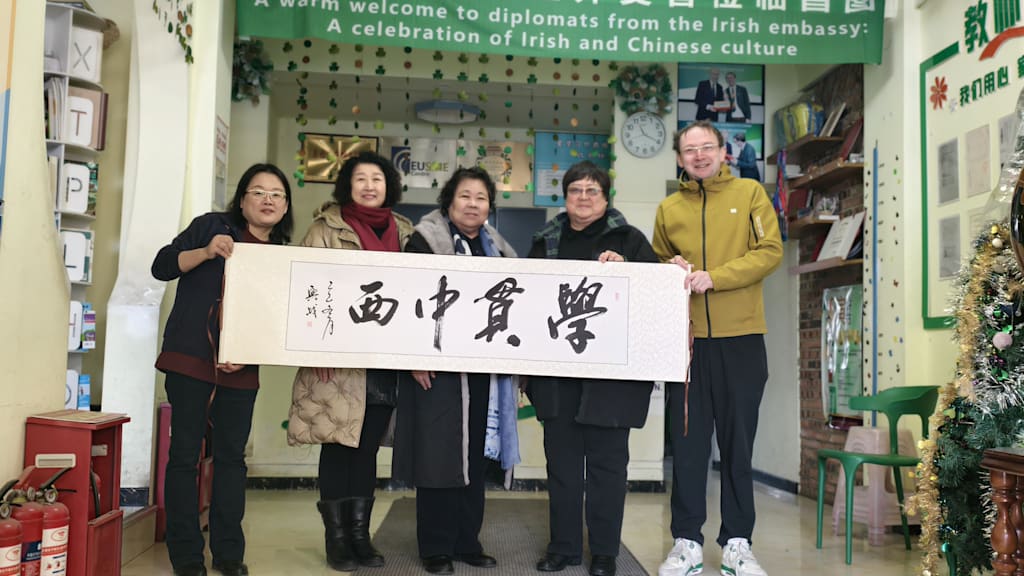
My name is Pat McCarthy, and I am originally from Ireland. I have been living in China since 2012. Having spent significant time in both places, I have noticed clear differences—and distinct advantages to living in China—in almost every aspect of daily life, from safety, housing, and healthcare to the cost of living and culture.
A video showcasing the captivating, snow-covered beauty of my Chinese hometown: Changtu, Liaoning Province.
However, as I share these observations, I want to make my stance clear. I see many expats express their love for China by tearing down their home countries, often just to get likes and attention on social media. I don't view this as a mature or productive mindset and broadcasting that kind of negativity ultimately helps no one.
I believe you can deeply appreciate your host country without disrespecting where you came from. My goal is to remain proud of my roots and maintain my patriotism, while sharing my experiences—including constructive critique when necessary—with a mindset that promotes mutual understanding, growth, cooperation, exchange, and harmony.
Just as I believe in being fair to my home country, it is deeply frustrating to see mainstream media unfairly point the finger at China, often led by critics who have never even set foot here. Today, I want to set the record straight. Having lived here for over a decade and traveled the length and breadth of the nation, I am sharing the reality on the ground based entirely on firsthand experience.
5 Aspects of Daily Life That Are Better for Me in China
Safety
Ireland is a safe country overall, especially compared to the rest of the Anglosphere and larger European nations. But even so, walking alone at night in major cities can still feel risky, particularly for women. In China, it’s a completely different story. I've always told people,
"You can walk anywhere in China, at any time of day or night, 365 days a year, and never run into a problem. It truly is one of the safest countries on earth."
I can think of many reasons for this: the cultural emphasis on harmony, mutual respect, and a sense of community, along with strict gun control, little to no drug use, and low rates of crime and homelessness. Critics will probably point to surveillance, but surveillance is everywhere—even in countries with high crime rates and dangerous streets.
Housing
"I am incredibly grateful to have a roof over my head here in China. It is ironic to see some critics point fingers at China for having an oversupply of housing, while back in Ireland, we are suffering from a crippling undersupply. Ultimately, an oversupply ensures that the vast majority of people can actually own a home; it reduces homelessness and provides the stable bedrock people need to succeed in life.
Additionally, China’s major property markets are showing signs of renewed activity in May 2026, with both Shanghai and Beijing reporting stronger buyer interest, higher transaction volumes, and faster decision-making.
In Ireland, our severe undersupply has created a system where greedy landlords prey on desperate renters and aspiring homeowners, extracting massive profits through property appreciation and sky-high rents. To be fair, the Irish government has recently taken steps to address this, including the introduction of rent controls and a five-year plan to build 300,000 homes.
Still, the price difference is staggering. Monthly rent in the beautiful Chinese town where I live is 18 times lower than in Dublin. Purchasing a modern, two-bedroom apartment here costs on average about €40,000. In many parts of Ireland, you would pay nearly ten times that amount for the exact same thing. Seeing this firsthand has only reinforced my belief in one simple principle:
Houses are for living in, not for speculation.
Health
While China has granted me a higher quality of life and the opportunity to serve, contribute, and grow, I have been suffering from what I call acclimatization issues. These could be due to a combination of environmental changes, genetics, and other unknown factors. Fortunately, I am incredibly lucky to have access to the highest quality of medical services here.
To put it simply:
If you need a CT scan in the town where I live, you can almost always walk in and get one on the exact same day.
I once had some bloating, so I walked into a local public hospital in the beautiful town of Changtu, Liaoning Province. Incredibly, all in a single day, I consulted a doctor, had a CT scan, and got my results back showing a buildup of gas. They advised me to get a colonoscopy, and I had the procedure done within just a week. Thanks to the anesthetic, I felt absolutely no discomfort—and ironically, the surgeon later joked that he had never seen a cleaner colon
As I mentioned earlier, I am not simply going to point the finger at Ireland's hospital system. To give credit where it's due, I would have died if it weren't for the support and expertise of the great doctors who treated my severe asthma as a kid—
I remember the nebulizer very well!
Irish doctors have also helped save my mother's life on at least two occasions: once during COVID, and again after a recent fall.
However, patients on public hospital waiting lists in Ireland often have to wait weeks or even months to receive basic treatments like a scan, or for urgent diagnostic procedures such as endoscopies, colonoscopies, and bronchoscopies. Even then, patients can expect to wait weeks just for the results. Some of the root causes for these issues include under-capacity, chronic staffing shortages, and systemic inefficiencies.
On top of that, as of March 2026, the construction completion date of the new National Children's Hospital is 40 months behind schedule.
I am no medical expert, but I can say with confidence that a hospital would never take so long to build in China. In fact, China is known for its advanced construction capabilities. For example, in Changsha in 2021, a 10-story apartment building was erected in just 28 hours using advanced modular fabrication techniques and on-site assembly, with the help of three cranes and a large team of workers.
The building utilized stainless steel B-Core slabs as structural elements, which the company claims are 10 times lighter and 100 times stronger than conventional alternatives. They are also supposedly resistant to mega-earthquakes and typhoons.
China has the potential to help solve the housing crises occurring in many countries worldwide, particularly through its advanced construction techniques, supply chain efficiencies, and cost competitiveness.
However, governments need to stop merely paying lip service to cooperation while secretly erecting protectionist barriers behind closed doors and pushing false narratives to mask their own systemic failures just to save political face.
Cost of Living
I live in Changtu, a small town of about 130,000 people in Liaoning Province, just a 30-minute high-speed rail ride from the provincial capital, Shenyang. Moving here from a small town in Ireland felt seamless because both places are considered small and highly manageable when it comes to getting around. Everything here is incredibly affordable yet accompanied by a remarkably high quality of life.
Take everyday expenses, for example. I already mentioned rent and property prices earlier, so there is no need to repeat myself, but the savings apply to almost everything. The other night, my family and I went out for pizza, onion rings, wedges, egg tarts, and soda, and the bill came to just €9. A yearly broadband internet connection costs about €100—roughly a quarter of what I’d pay back in Ireland.
One of the things I appreciate most is how low the utility bills are. Our electricity bill for a family of three averages just €15 a month, which is easily 10 to 15 times cheaper than it would be in Ireland.
This dramatic price difference exists because electricity in China is managed as a public utility. The primary mission is to ensure affordability for the general public, rather than generating profits for corporate interests.
Furthermore, China has significantly expanded its energy portfolio to include massive volumes of renewable power—such as hydroelectric, solar, and wind—thereby increasing overall energy production and lowering costs.
The final piece of this logistical puzzle was China's massive investment in ultra-high voltage (UHV) transmission lines. By revolutionizing the transmission of electricity over vast distances, this infrastructure solved the country's geographical energy imbalance. Today, both renewable and non-renewable energy can be delivered seamlessly, resulting in lower consumer costs and a cleaner environment.
Don't get me wrong, living in a Tier 1 city like Shanghai or Beijing would be much more challenging, as everyday living expenses like rent, food, and shopping are significantly higher. But we chose this beautiful small town for a very specific reason: we set up a non-profit school here to help contribute to education in rural China
Language and Culture
"There is no doubt about it: learning and becoming proficient in Mandarin Chinese is a distinct advantage, connecting you with over one billion native speakers. Mandarin fluency is a highly sought-after asset in international business, technology, diplomacy, and global supply chains.
And this is on top of the profound cognitive benefits—simply being immersed in a new language boosts executive function, improves working memory, and stimulates neurogenesis. Ultimately, proficiency in Mandarin is a lifelong, transferable asset that you will carry with you wherever you go.
Beyond the language, I have traveled the length and breadth of China, and I am continually amazed by the sheer beauty and diversity of its regions. During my travels to Yunnan in 2025, I walked through historic ancient towns and experienced the rich traditions of the Naxi and Bai peoples.
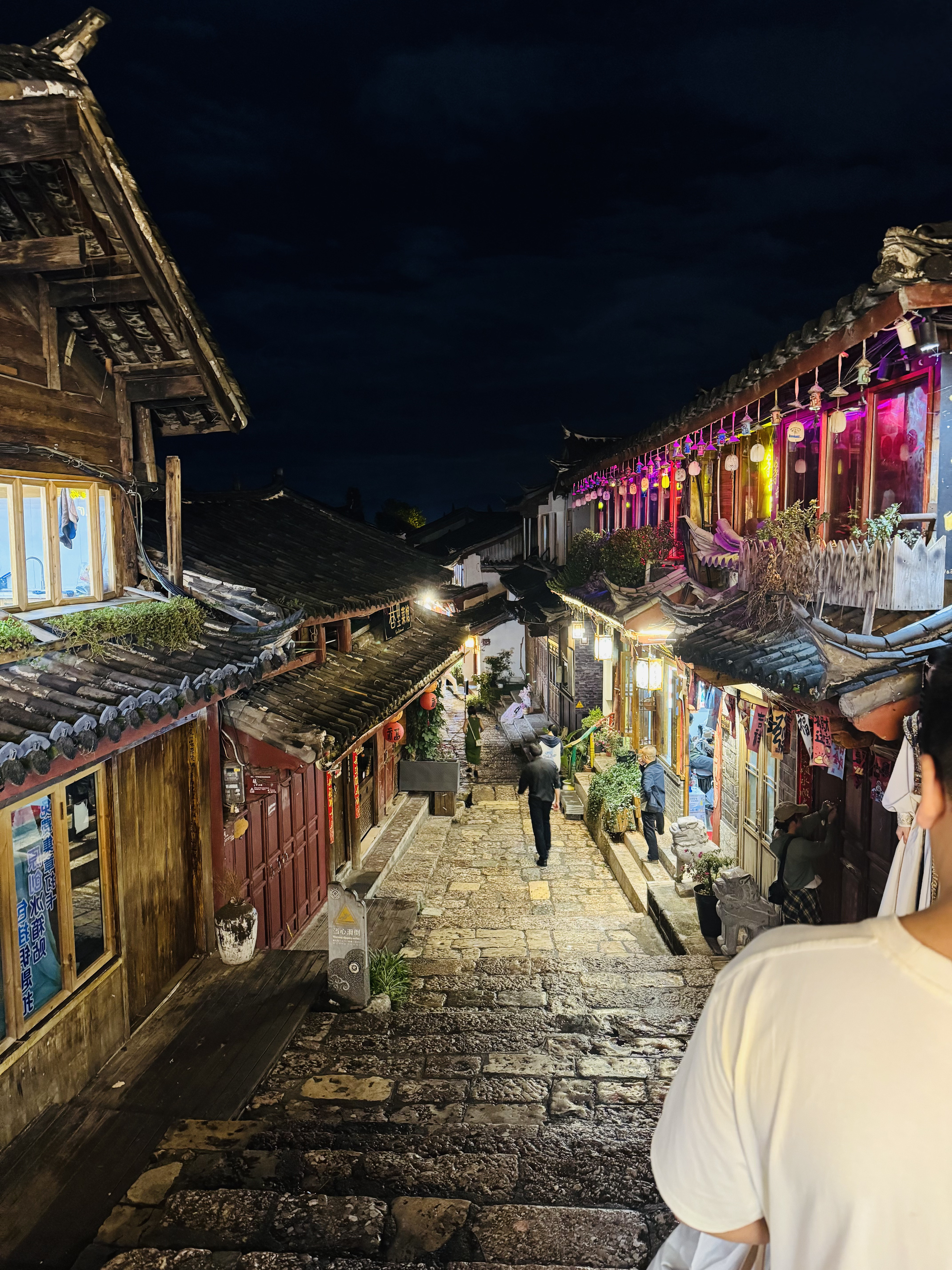
In Guizhou and Guangxi, I received the warm hospitality of Miao and Dong families, who treated us to incredible local cuisine and traditional song performances.
Discovering Guizhou and Guangxi: Video Highlights from My 2025 Tour
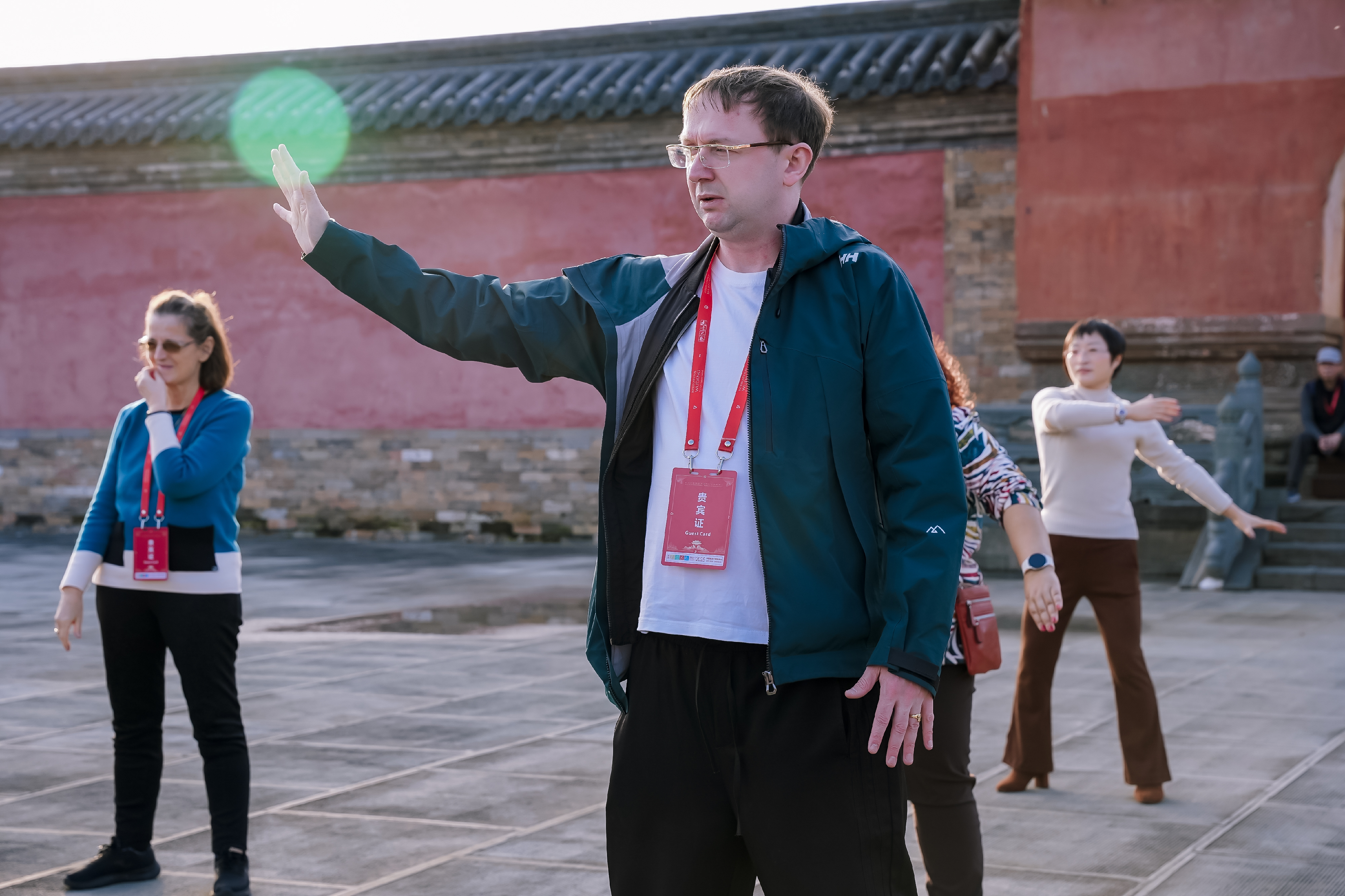
Visiting the Wudang Mountains—the legendary birthplace of Tai Chi—was an unforgettable lesson in harmony. Practicing Tai Chi there, I felt the ancient Taoist philosophy truly come to life.
I hope you found this article insightful and useful. More importantly, I hope you will one day come and experience the real China for yourself—not the distorted version presented by the mainstream media, but the authentic reality I have shared with you here.
About the Creator
The Ireland Sino Institute
The Ireland Sino Institute also trading as the Europe Sino Institute promotes mutual understanding and development between Europe and China. Its main activities encompass, philanthropy, education, culture, business, and technology.
Enjoyed the story? Support the Creator.
Subscribe for free to receive all their stories in your feed.
Comments
There are no comments for this story
Be the first to respond and start the conversation.