
Women's Reproductive Health: What Every Woman Should Know
Understanding Women's Reproductive Health: Key Facts and Tips

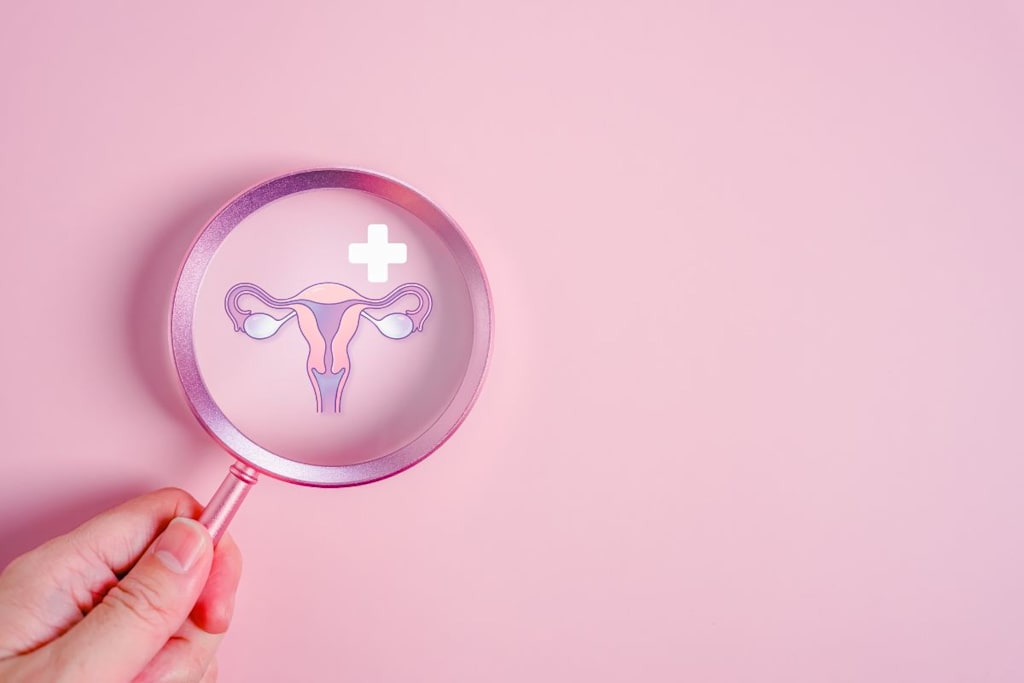
Women's reproductive health is an important part of overall wellbeing, yet it is often misunderstood or overlooked. From puberty to menopause, reproductive health affects many aspects of a woman's life, including physical health, emotional wellbeing, fertility, and quality of life. Understanding how the reproductive system works and recognising common health concerns can help women make informed decisions and seek medical support when needed.
Why Reproductive Health Matters
Reproductive health is about much more than having children. It includes the health of the reproductive organs, hormonal balance, menstrual cycles, sexual wellbeing, and the ability to make informed choices about healthcare.
Good reproductive health can contribute to a healthier and more comfortable life. It can also help detect potential problems early, making treatment more effective and reducing the risk of complications.
Understanding the Menstrual Cycle
The menstrual cycle is a natural process that prepares the body for pregnancy each month. While the average cycle lasts around 28 days, it can vary from person to person.
A healthy cycle typically involves:
- Regular periods
- Manageable cramps
- Normal blood flow
- Predictable timing
However, some women experience irregular periods, heavy bleeding, severe pain, or missed periods. These symptoms should not be ignored, as they may indicate underlying conditions that require medical attention.
Common Reproductive Health Conditions
Several reproductive health conditions affect millions of women worldwide. Awareness is the first step toward early diagnosis and treatment.
Polycystic Ovary Syndrome (PCOS)
PCOS is one of the most common hormonal disorders among women of reproductive age. Symptoms may include:
- Irregular periods
- Weight gain
- Excess facial or body hair
- Acne
- Difficulty becoming pregnant
While there is no cure, lifestyle changes, medication, and medical support can help manage symptoms effectively.
Endometriosis
Endometriosis occurs when tissue similar to the lining of the uterus grows outside the womb. This condition can cause:
- Severe menstrual pain
- Pelvic discomfort
- Pain during intercourse
- Fertility challenges
Many women live with symptoms for years before receiving a diagnosis, making awareness especially important.
Uterine Fibroids
Fibroids are non-cancerous growths that develop in or around the uterus. Some women experience no symptoms, while others may face:
Heavy menstrual bleeding
- Frequent urination
- Lower back pain
Treatment depends on the size of the fibroids and the severity of symptoms.
The Importance of Hormonal Health
Hormones play a major role in regulating reproductive health. They influence menstrual cycles, fertility, mood, sleep, metabolism, and energy levels.
Hormonal imbalances may cause symptoms such as:
- Irregular periods
- Mood swings
- Fatigue
- Unexplained weight changes
- Hair loss
In recent years, more women have become aware of the connection between hormones and overall health. Seeking medical advice when symptoms appear can help identify underlying issues and improve quality of life.
Fertility and Reproductive Planning
Fertility is a key part of reproductive health, but it can vary significantly from person to person. Factors that can influence fertility include:
- Age
- Hormonal conditions
- Lifestyle habits
- Medical history
- Stress levels
Modern healthcare offers more reproductive options than ever before, including fertility testing, assisted reproductive technologies, and personalised treatment plans. Women who are considering pregnancy may benefit from discussing their reproductive health with a healthcare professional early on.
Sexual Health and Safe Practices
Sexual health is an essential part of reproductive wellbeing. Maintaining sexual health involves:
- Practising safe sex
- Getting regular health screenings
- Being aware of sexually transmitted infections (STIs)
- Having open conversations with healthcare providers
Many STIs can be treated successfully when detected early. Regular check-ups and preventive care can help protect long-term reproductive health.
Pregnancy and Postpartum Care
Pregnancy places unique demands on a woman's body. Proper prenatal care helps monitor both maternal and baby health throughout pregnancy.
Important aspects of pregnancy care include:
- Regular medical appointments
- Balanced nutrition
- Prenatal vitamins
- Physical activity when appropriate
- Mental health support
Postpartum care is equally important. Recovery after childbirth can involve physical, emotional, and hormonal changes that require attention and support.
Menopause: A Natural Life Stage
Menopause marks the end of a woman's reproductive years and usually occurs between the ages of 45 and 55.
Common symptoms include:
- Hot flushes
- Night sweats
- Sleep disturbances
- Mood changes
- Vaginal dryness
Although menopause is a natural transition, symptoms can affect daily life. Today, women have access to a variety of treatment options and lifestyle strategies that can help manage symptoms and maintain wellbeing.
Everyday Habits That Support Reproductive Health
Simple daily habits can have a positive impact on reproductive health:
- Eat a balanced diet rich in fruits and vegetables
- Stay physically active
- Maintain a healthy weight
- Get enough sleep
- Manage stress levels
- Avoid smoking
- Limit excessive alcohol consumption
- Attend regular health screenings
These habits not only support reproductive health but also improve overall physical and mental wellbeing.
Looking Ahead
Women's reproductive health is receiving more attention than ever before, helping to break long-standing taboos and encourage open conversations. From understanding menstrual health and fertility to navigating menopause, knowledge is a powerful tool.
Every woman deserves access to accurate information, quality healthcare, and the confidence to discuss reproductive health without stigma. By paying attention to symptoms, attending regular check-ups, and prioritising wellbeing, women can take an active role in protecting their reproductive health throughout every stage of life.
About the Creator
Stories Today
Stories Today is a place where real people share real stories, and that’s it. We believe every person has an incredible story to tell.
Visit us:https://storiestoday.co.uk/
Enjoyed the story? Support the Creator.
Subscribe for free to receive all their stories in your feed.
Comments
There are no comments for this story
Be the first to respond and start the conversation.