
How Container Terminals Keep Global Trade Moving
Here are some ways they facilitate global business
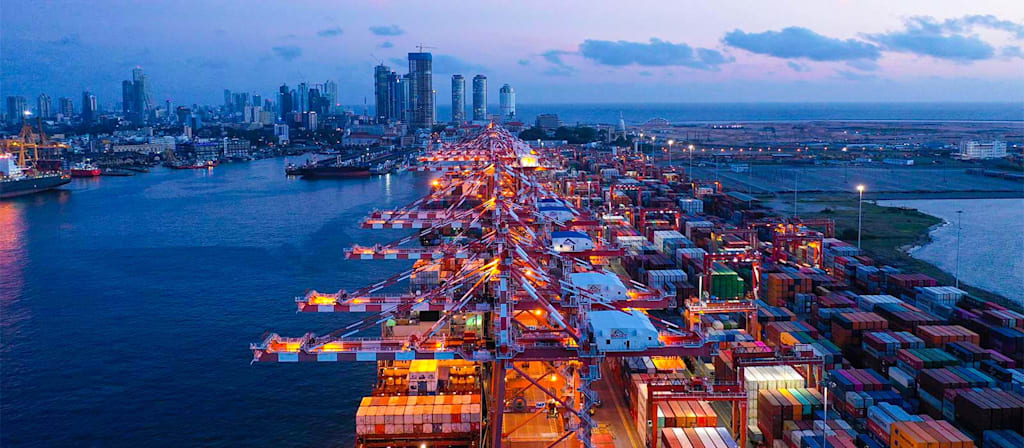
Container terminals serve as vital links in the global supply chain. It is at these ports that cargo moves from ships to trucks and rail. This allows goods to move from manufacturing plants to retail stores across the globe. The rise in international business has made container ports increasingly important. Below are some ways they facilitate global business.
1. Speeding up cargo movement
Terminals shorten vessel turnaround and speed up cargo handling. Modern facilities use automated cranes, digital tracking, and smarter yard layouts to load and unload containers faster and with fewer errors. Quicker operations reduce waiting time for ships, cut shipping costs, and make schedules more reliable—important for companies running just-in-time inventories.
2. Linking sea and land transport
A container terminal acts as a connecting point between waterborne and land transportation. Imported cargoes are unloaded from ships and then loaded into trucks and trains for onward movement through the land; exported goods follow the reverse procedure. A global container terminal plays the role of an intermodal facility that allows for continuity and efficiency in the flow of cargo.
3. Improving supply chain visibility
Real-time tracking has become a must in logistics, and terminals play a big role in providing it. Terminal operating systems let carriers, freight forwarders, and shippers see where containers are at each step. Better visibility reduces uncertainty, speeds up customs processing, and helps companies make more informed decisions about inventory and routing.
4. Supporting regional and global hubs
Large ports often grow into regional trade hubs because of their terminals. They handle transhipment—moving cargo between ships on different routes—which links smaller regional ports to global shipping lanes. Strategic ports such as Colombo have expanded their importance by investing in efficient terminals; operators like SAGT Port of Colombo Sri Lanka help connect Asia, the Middle East, and Europe, reinforcing those regional trade networks.
5. Cutting costs and delays
Efficient terminal operations reduce unnecessary container moves in the yard, which saves fuel and labour and shortens handling times. Fewer delays at the port mean quicker deliveries and lower costs for importers and exporters. Those savings can pass down the supply chain, ultimately helping keep prices more competitive for consumers.
6. Driving Technological Innovation in Logistics
Container terminals are increasingly turning into hubs of technological innovation. Many modern facilities now rely on automation, artificial intelligence, and data analytics to boost operational efficiency. Automated cranes, intelligent yard-management systems, and real-time tracking tools cut down on human error and keep cargo moving faster. These systems also raise safety standards and make better use of limited terminal space. As logistics networks grow more complex, adopting advanced technologies at terminals helps coordinate activity more smoothly across global supply chains — strengthening the reliability of international trade and enabling businesses to react quickly to changing market demands.
7. Supporting Resilience During Global Disruptions
It is important for container terminals to maintain the flow of trade in cases where such trade is affected by pandemics, geopolitics, and natural calamities. In case they function effectively, it becomes possible for them to be able to re-route the cargo and handle any increases in demand that might come their way. The adaptability of these terminals has made them extremely significant to the economy.
8. Strengthening Global Economic Growth
Container terminals are more than operational hubs — they’re economic enablers. By facilitating trade, they support manufacturing, retail and distribution around the world. Because a large portion of global trade moves by sea, efficient terminals help drive GDP growth, create jobs and enable businesses to expand internationally. Their ability to keep goods moving underpins the stability and resilience of global logistics networks.
Serving as the link between ships, trucks, trains and warehouses, terminals make intermodal transport possible, improve supply-chain visibility and help reduce costs. As trade volumes grow, these facilities will remain essential for connecting economies, industries and consumers worldwide.
About the Creator
Enjoyed the story? Support the Creator.
Subscribe for free to receive all their stories in your feed.
Comments
There are no comments for this story
Be the first to respond and start the conversation.