
Scalping vs Swing Trading: Best Strategy for Beginners
Everyone wants to be a day trader until the market eats their rent money. I have been there, staring at red candles until my eyes bled. Let’s talk about which strategy actually builds wealth without the nervous breakdown.

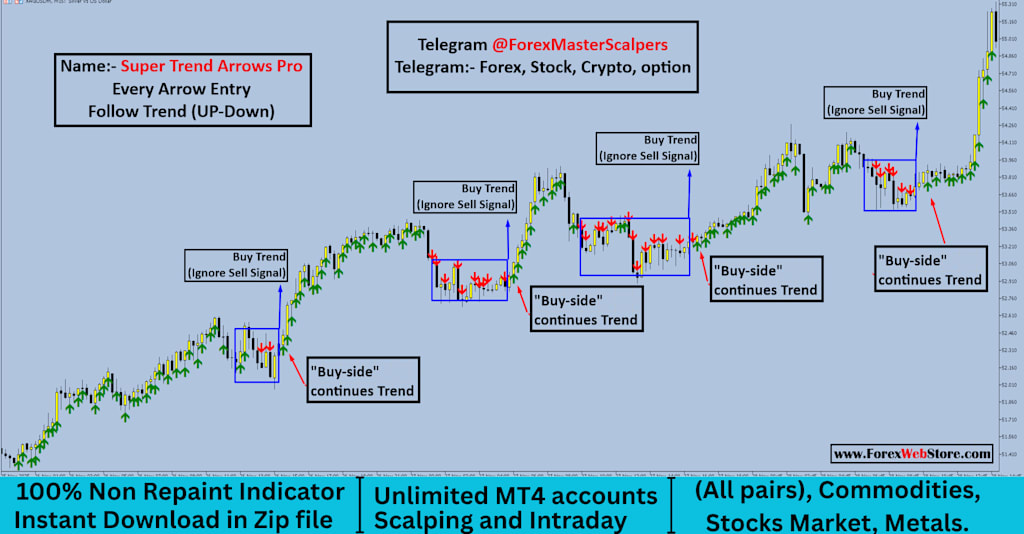
Scalping vs Swing Trading: The Brutal Truth for Beginners Who Value Their Sanity
Everyone wants to be a day trader until the market eats their rent money. I have been there, staring at red candles until my eyes bled. Let’s talk about which strategy actually builds wealth without the nervous breakdown.
I remember the smell of stale coffee and the hum of three monitors at 3:00 AM. I was convinced I was a genius. I was scalping the 1-minute charts, chasing every flick of the candle like a cat after a laser pointer. It felt like I was winning. Then, in one five-minute flush, three weeks of gains evaporated. My hands were shaking. That is the reality of the trading world that the flashy influencers on Instagram never show you. They sell you the dream of quick clicks and fast cars. The truth? Most beginners are walking into a meat grinder. When we talk about Scalping vs Swing Trading, we aren't just talking about different styles. We are talking about two entirely different lifestyles. One demands your soul; the other demands your patience.
The Adrenaline-Soaked Mirage of Scalpin
Scalping is the art of grabbing pennies in front of a steamroller. You enter a trade, wait for a few ticks of profit, and get out. It sounds easy. It is not. To be a successful scalper, you need to be a machine. You need to understand market volatility at a granular level. We are talking about high-frequency moves where technical analysis is secondary to raw speed and nerve. For a beginner, this is usually a recipe for disaster. Why? Because the fees will kill you. Every time you enter and exit a trade, your broker takes a cut. If you are making fifty trades a day, you are starting every day in a massive hole.
But here is the real kicker. The psychological toll is immense. You have to be right 70% to 80% of the time just to stay afloat because your winners are so small. One mistake, one moment of hesitation, and your stop-loss gets skipped in a period of high slippage. You are left holding a bag that is twice as heavy as your daily profit. I’ve seen it happen. I’ve lived it. You think you can handle it until you realize you haven’t eaten, showered, or spoken to another human in twelve hours because you were glued to a 5-second chart. It is exhausting. It is brutal. And for most, it is simply not sustainable.
Swing Trading: Finding the Rhythm in the Chaos
That’s when it hit me. I didn't need to catch every move. I just needed to catch the right move. That is the essence of swing trading. Instead of obsessing over the noise of the 1-minute chart, you zoom out. You look at the 4-hour or the daily charts. You look for trends that have actual weight behind them. Swing trading is about identifying a ‘swing’ in price action and riding it for a few days or even weeks. It is the strategy of the patient.
Think about it. While the scalpers are fighting over scraps, the swing trader is waiting for the tide to turn. You don't need to sit at your desk all day. You check your charts in the morning, set your alerts, and go live your life. This is the only way for someone with a job or a family to actually trade without losing their mind. You are looking for high-probability setups like ‘cup and handle’ patterns or simple support and resistance flips. You give the market room to breathe. Yes, you might have to sit through some red days while the trade develops. But because your target is much larger, those small fluctuations don't matter as much.
The Technical Analysis Edge
When you are swing trading, your technical analysis actually has time to work. On a 1-minute chart, a ‘support level’ can be broken by a single large order from a hedge fund. On a daily chart, support represents the collective psychology of thousands of participants over weeks. It is more reliable. It is more sturdy. For a beginner trader, learning to read these larger patterns is like learning to read the weather instead of trying to predict where a single raindrop will land.
I always tell people to start with the daily trend. Is the price making higher highs? Is it staying above the 200-day moving average? If the answer is yes, you only look for buy signals. You don't fight the trend. This simple shift in mindset—from trying to outsmart the market every minute to simply following the path of least resistance—is where the money is made. It’s not sexy. It doesn’t feel like an action movie. But your bank account will thank you.
Risk Management: The Only Thing That Actually Matters
Let’s get real for a second. You can have the best strategy in the world, but if you don't understand risk management, you are just a gambler. In scalping, your risk is tight, which means you get stopped out constantly. In swing trading, your stop-loss is wider, which gives you a higher win rate. But you must calculate your position size. Never risk more than 1% of your total account on a single trade. If you have $1,000, you should only be losing $10 if the trade goes south.
This is where people mess up. They get greedy. They see a ‘sure thing’ and they go all in. The market loves to humiliate people who think they’ve found a sure thing. By swing trading, you have the emotional bandwidth to stick to your risk plan. You aren't making impulsive decisions based on a sudden spike in price. You have a plan, you have a stop, and you have a target. That is it. The rest is just noise.
Which One Wins for Beginners?
If you haven't figured it out yet, my vote is for swing trading. Every single time. Scalping is a specialized skill that takes years of screen time to master. Swing trading is a craft that you can learn while keeping your day job. It teaches you the most important lesson in finance: patience is a competitive advantage. The market is a device for transferring money from the impatient to the patient.
Don't let the allure of fast money blind you. Trading is a marathon, not a sprint. If you want to survive your first year, stop looking at the 1-minute candles. Put down the caffeine. Zoom out. Look for the big moves. The peace of mind you get from knowing you don't have to be right every ten seconds is worth more than any scalp could ever provide. Focus on the process, respect the risk, and let the market do the heavy lifting for you. That is how you actually win.
About the Creator
Pooja Verma
Forexwebstore.com Discover the Best Forex Indicators for a Simple Strateg. This page features key technical indicators for the most popular currency pairs in real time.
Enjoyed the story? Support the Creator.
Subscribe for free to receive all their stories in your feed.
Comments
There are no comments for this story
Be the first to respond and start the conversation.