
Gold Price Today: Investors Closely Watch Precious Metal Market Trends
Gold price today stays under investor focus as inflation fears, central bank policies, and global uncertainty continue driving precious metal demand.

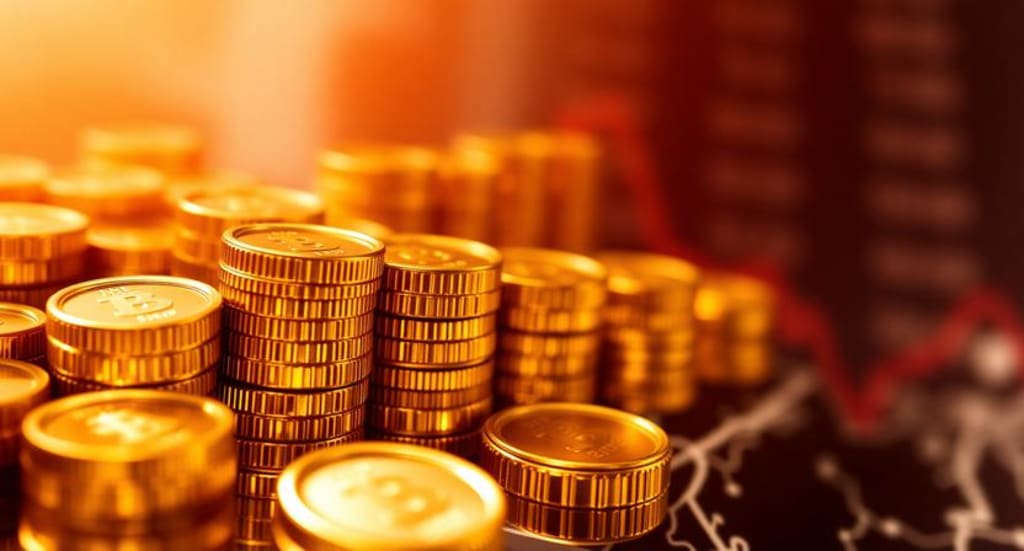
The global financial market continues to see rising attention toward precious metals as investors actively monitor gold price today and the factors influencing its movement. Gold has traditionally been considered one of the safest assets during times of inflation, economic uncertainty, and market instability. Whenever confidence in financial markets weakens, many investors increase their exposure to gold to protect capital and reduce overall risk.
Recently, gold prices have remained highly volatile due to shifting interest rate expectations, geopolitical tensions, and concerns surrounding global economic growth. Investors are carefully tracking inflation data, currency movements, and central bank decisions to understand the future direction of the precious metals market. These developments continue to shape market sentiment and trading activity worldwide.
Why Gold Holds Strong Value in Global Markets
Gold has maintained its importance for centuries because of its ability to preserve value during uncertain economic periods. Unlike paper currencies, gold is viewed as a limited physical asset that cannot be printed or easily devalued. This makes it attractive for investors looking for stability during volatile market conditions.
When inflation rises and currencies lose purchasing power, demand for gold often increases. Investors typically move toward precious metals during periods of economic stress because gold is considered a safe-haven asset. This is one of the main reasons why gold price today remains a key focus for traders, institutions, and central banks worldwide.
Gold also benefits from strong global demand in jewelry manufacturing, technology industries, and official government reserves. Countries such as China and India continue to play a major role in supporting long-term gold consumption.
Interest Rate Policies and Gold Price Movement
One of the most important factors affecting gold prices is monetary policy. Central bank decisions regarding interest rates can strongly influence investor demand for precious metals. Since gold does not provide interest income, rising rates often reduce its short-term attractiveness compared to bonds or savings products.
However, expectations of lower interest rates generally support higher gold prices because investors seek alternative stores of value. If economic growth weakens and central banks begin easing monetary policy, gold demand may rise significantly.
The US Federal Reserve remains one of the most influential institutions in global financial markets. Any comments regarding inflation, economic growth, or future rate adjustments can immediately affect gold market sentiment.
Currency strength also impacts precious metal prices. Because gold is globally traded in US dollars, a weaker dollar often helps support higher gold prices by making the metal more affordable for international buyers.
Inflation Continues Supporting Safe-Haven Demand
Inflation concerns remain a major reason behind strong investor interest in gold. Rising costs for energy, transportation, and consumer goods have increased fears regarding long-term inflation across global economies.
Gold is commonly viewed as protection against inflation because it has historically maintained value during periods of rising prices. Whenever inflation data exceeds expectations, many investors increase gold exposure as part of their risk management strategies.
Financial market uncertainty is also supporting demand for safe-haven assets. Concerns regarding slowing economic growth, weak manufacturing activity, and stock market volatility have encouraged investors to diversify their portfolios.
As global uncertainty continues, gold remains one of the preferred assets for wealth preservation and financial stability.
Geopolitical Risks Influence Gold Markets
Political instability and international tensions continue to create volatility in the precious metals market. Conflicts involving major economies, trade disputes, and geopolitical uncertainty often increase demand for safe-haven investments such as gold.
When investor confidence weakens, capital frequently moves away from riskier assets and into traditional stores of value. This shift can quickly push gold price today higher across global markets.
Financial market volatility also plays a major role in supporting gold demand. Sharp declines in stock markets or concerns regarding banking sector stability often encourage investors to move toward safer investment options
Energy prices are another important factor influencing inflation expectations. In many cases, strong movements in oil price today can indirectly affect gold prices because rising oil costs often contribute to broader inflation pressure. Higher energy prices may therefore increase demand for gold as an inflation hedge.
Central Bank Gold Purchases Remain Strong
Central banks continue increasing their gold reserves as part of long-term diversification strategies. Many countries are seeking to strengthen financial security by holding larger amounts of physical gold.
Growing geopolitical uncertainty and concerns regarding currency stability have encouraged governments to reduce dependence on foreign reserves. This trend has become one of the strongest long-term supportive factors for the gold market.
At the same time, retail investor participation in gold-related investments has continued growing. Exchange-traded funds, mining shares, and physical bullion remain popular choices among investors seeking exposure to precious metals.
Analysts believe strong institutional and central bank demand could continue supporting gold prices in the coming years.
Future Outlook for Gold Prices
The future direction of gold prices will likely depend on several major economic factors including inflation trends, interest rate policies, global growth expectations, and geopolitical developments.
Some analysts expect gold prices to remain strong if inflation stays elevated and central banks eventually reduce interest rates. Others believe a stronger US dollar and stable economic conditions could temporarily limit upside momentum.
Despite increasing competition from digital assets and alternative investments, gold continues to maintain its reputation as one of the world’s most trusted safe-haven assets.
Investors are expected to continue monitoring economic reports and financial market conditions closely to understand where gold price today could move next.
Conclusion
Gold remains one of the most valuable assets in the global financial system because of its role as a safe haven during uncertain times. The direction of gold price today is influenced by inflation expectations, interest rate policies, economic conditions, and geopolitical tensions.
As financial markets continue facing uncertainty, demand for gold is expected to remain strong among both institutional and retail investors. The precious metal’s long-standing importance in wealth preservation ensures that it will continue playing a central role in global investment strategies.
About the Creator
Hammad Nawaz
Hammad here, sharing stock market insights, trading strategies, and tips. Helping traders understand trends, risk, and opportunities in equities, forex, and commodities.
Enjoyed the story? Support the Creator.
Subscribe for free to receive all their stories in your feed.
Comments
There are no comments for this story
Be the first to respond and start the conversation.