
Oil Price Today: Global Crude Markets Remain Under Investor Spotlight
Oil price today stays in focus as traders monitor global supply, economic growth, and geopolitical risks affecting crude oil market performance.

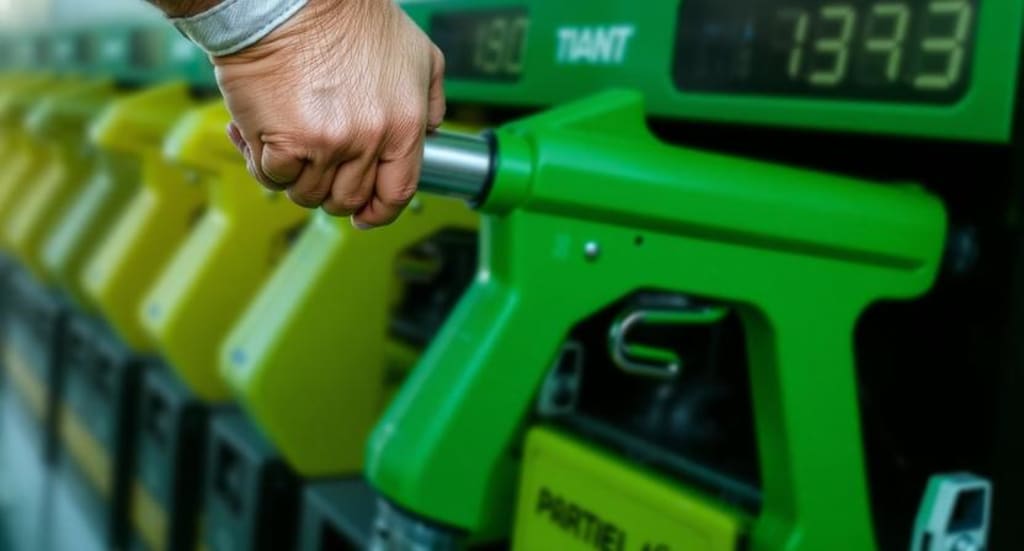
The energy sector continues to attract worldwide attention as investors closely track oil price today and its impact on financial markets. Crude oil prices play a major role in shaping inflation, transportation costs, industrial production, and overall economic confidence. Because oil is essential for daily business operations across many industries, even small price movements can influence global market sentiment.
Recently, the oil market has shown strong volatility due to changing supply conditions, economic uncertainty, and ongoing geopolitical developments. Traders are actively monitoring production updates from major oil-exporting countries while also analyzing demand expectations from large economies such as the United States, China, and Europe. These factors continue to create rapid movements in crude oil prices.
The Importance of Oil Prices in Financial Markets
Oil remains one of the most valuable commodities in the world economy. Rising fuel prices often increase operating costs for businesses, airlines, logistics companies, and manufacturers. As a result, higher crude prices may contribute to inflationary pressure, forcing central banks to reconsider interest rate policies.
At the same time, declining oil prices can provide relief for consumers by lowering fuel and transportation expenses. This may help support economic growth and increase spending activity. However, weaker oil prices can also negatively affect energy companies and oil-dependent economies that rely heavily on crude exports.
Because of these economic effects, oil price today is viewed as a critical indicator for investors. Stock markets frequently react to sharp oil price changes, especially shares connected to the energy, transportation, and manufacturing sectors.
Supply Levels Continue to Influence Crude Prices
Global supply conditions remain one of the biggest drivers behind oil market direction. When production levels tighten while demand remains strong, oil prices generally move higher. On the other hand, oversupply concerns often place downward pressure on the market.
Major oil-producing nations continue adjusting output levels in an attempt to stabilize prices and maintain balanced market conditions. Production cuts can reduce available supply and support bullish momentum, while increased production may lead to weaker pricing trends.
Inventory reports also play a significant role in short-term market movements. Falling crude inventories are commonly interpreted as a sign of strong consumption, while rising stockpiles may indicate slowing demand or excess supply in the market.
Investors are therefore carefully analyzing every production and inventory update to understand future price direction.
Economic Growth and Energy Demand
The strength of the global economy directly affects oil consumption. Expanding economies usually require more energy for transportation, industrial activity, and manufacturing. Increased travel demand and higher industrial production often boost crude oil usage worldwide.
However, weaker economic conditions may reduce fuel demand. Concerns regarding slowing growth, recession risks, or reduced manufacturing activity can negatively affect oil market sentiment. This explains why traders pay close attention to employment data, inflation figures, and economic reports from major countries.
China remains especially important for global oil demand because of its large industrial sector and energy consumption levels. Any major change in Chinese economic activity often influences international crude prices almost immediately.
Geopolitical Risks Add Market Volatility
Political uncertainty and international tensions continue to create instability in the oil market. Conflicts involving oil-producing regions, trade restrictions, sanctions, and shipping disruptions can all impact supply expectations and trigger sharp price fluctuations.
The Middle East remains one of the most influential regions for global crude production. Any developments affecting the region are closely monitored by traders because supply disruptions could rapidly increase prices.
Currency movements also contribute to market volatility. Since oil is traded globally in US dollars, a stronger dollar can reduce purchasing power for international buyers and potentially weaken demand. Meanwhile, a softer dollar may provide support for higher oil prices.
These geopolitical and economic uncertainties are among the key reasons why oil price today remains highly sensitive to global news headlines.
Investor Strategies in the Oil Market
Many investors actively trade oil-related assets due to the market’s volatility and liquidity. Short-term traders often focus on technical analysis, inventory data, and geopolitical news to identify price opportunities.
Long-term investors usually analyze broader market fundamentals, including future energy demand, production capabilities, and global economic growth trends. Some investors view higher oil prices as beneficial for energy companies and oil-exporting nations, while others worry that expensive energy costs may slow economic activity.
The growing transition toward renewable energy is another factor shaping long-term market expectations. Governments worldwide continue supporting clean energy projects and electric vehicle adoption. Despite this shift, oil remains essential for transportation, aviation, shipping, and industrial operations, meaning crude demand is expected to remain important for years ahead.
Future Outlook for Oil Prices
Market analysts continue debating the future path of crude oil prices. Some expect strong global demand and limited supply to support further gains in the energy market. Others believe slowing economic conditions and weaker industrial activity could limit price growth.
Environmental regulations, technological innovation, and alternative energy development may gradually reshape the global energy landscape over the coming decade. However, the world economy still depends heavily on fossil fuels, making oil one of the most important commodities in international trade.
As investors continue monitoring economic indicators, supply decisions, and geopolitical developments, volatility in the crude market is likely to remain elevated. This means traders and businesses will keep watching oil price today closely for signals about future economic trends.
Conclusion
The crude oil market continues to influence nearly every major sector of the global economy. Oil prices affect inflation, transportation, manufacturing costs, and financial market sentiment worldwide. The direction of oil price today is shaped by a combination of supply conditions, economic growth expectations, geopolitical events, and investor confidence.
With uncertainty still surrounding global markets, oil prices are expected to remain highly dynamic in the months ahead. Investors and businesses will therefore continue paying close attention to developments in the energy sector as they prepare for future market changes.
About the Creator
Hammad Nawaz
Hammad here, sharing stock market insights, trading strategies, and tips. Helping traders understand trends, risk, and opportunities in equities, forex, and commodities.
Enjoyed the story? Support the Creator.
Subscribe for free to receive all their stories in your feed.
Comments
There are no comments for this story
Be the first to respond and start the conversation.