
The United States Is Telling Iran Not to Make a Nuclear Bomb
Rising Tensions Over Nuclear Ambitions

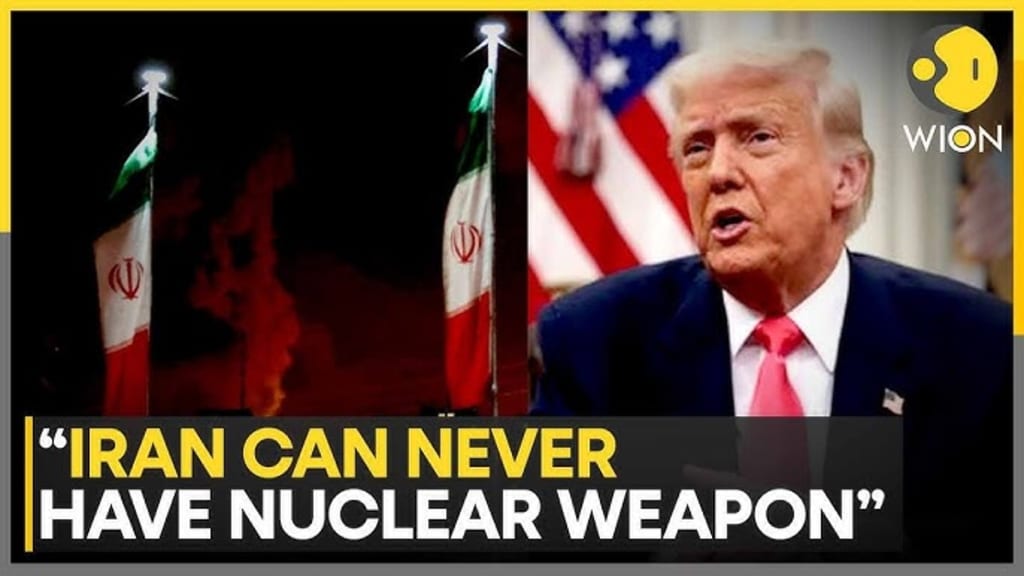
The issue of Iran’s nuclear program has become one of the most serious and sensitive topics in global politics today. At the center of this tension is a clear and simple demand from the United States: Iran must not develop a nuclear bomb. While the message may sound straightforward, the reality behind it is complex and deeply rooted in years of conflict, mistrust, and strategic rivalry.
The United States believes that a nuclear-armed Iran would pose a major threat not only to the Middle East but to the entire world. American leaders argue that if Iran successfully builds a nuclear weapon, it could shift the balance of power in the region, increase the risk of war, and encourage other countries to pursue nuclear weapons as well. This is why U.S. officials have repeatedly made it clear that “Iran can never have a nuclear weapon.” �
Wikipedia
In recent negotiations, the U.S. has demanded strong guarantees from Iran. These include strict limits on uranium enrichment, international inspections of nuclear facilities, and long-term commitments that Iran will not use its nuclear program for military purposes. � The goal is not just to delay Iran’s progress but to ensure, with verification, that it cannot build a bomb in the future.
The Guardian
However, Iran sees the issue differently. Tehran insists that its nuclear program is for peaceful purposes, such as energy production and scientific research. Iranian officials argue that they have the right to develop nuclear technology under international law, as long as it is not used for weapons. In fact, Iran has even indicated that it is willing to provide assurances that it will not develop nuclear weapons—if its economic sanctions are lifted. �
Al Jazeera
This disagreement has created a major obstacle in negotiations. The United States wants zero risk, meaning no possibility of Iran building a nuclear weapon. Iran, on the other hand, wants recognition of its rights and relief from sanctions. Because both sides are standing firm, reaching a compromise has proven extremely difficult.
Recent talks have shown just how serious the issue has become. High-level negotiations failed largely because Iran refused to completely give up its nuclear ambitions, while the U.S. refused to accept anything less than strong and permanent guarantees. � This deadlock highlights the deep mistrust between the two countries, built over decades of political and military tensions.
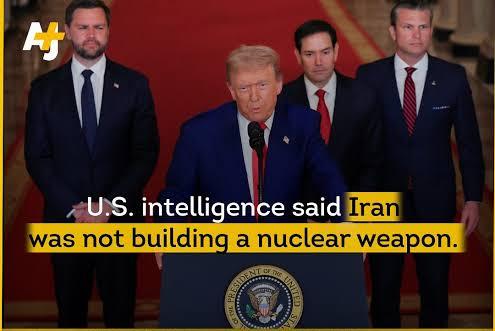
The Guardian +1
The situation is further complicated by the risk of military escalation. The United States has warned that it may take stronger action if diplomacy fails, while Iran has also signaled that it will defend its interests. This makes the nuclear issue not just a diplomatic challenge but a potential trigger for conflict.
The United States has made it clear that it does not want Iran to develop a nuclear bomb, viewing it as a serious threat to global security. American officials argue that a nuclear-armed Iran could destabilize the Middle East and trigger a dangerous arms race. Recent talks between the two countries have failed largely because the U.S. insists Iran must stop its nuclear ambitions, while Iran refuses to fully give up its program. �
The Guardian +1
The U.S. continues to push for strict limits, sanctions, and international monitoring to ensure Iran’s nuclear activities remain peaceful. On the other hand, Iran claims its program is for civilian purposes and defends its right to develop nuclear technology. This ongoing disagreement keeps tensions high and makes future conflict or diplomacy uncertain.
In conclusion
The U.S. demand that Iran should not make a nuclear bomb is simple in words but difficult in practice. It reflects concerns about global security, regional stability, and the future of nuclear weapons. At the same time, Iran’s insistence on its rights and independence keeps the issue unresolved. Until both sides find common ground, this issue will continue to shape international politics and remain one of the most critical challenges of our time.
About the Creator
shaoor afridi
“I am a passionate writer dedicated to sharing informative, engaging, and well-researched articles. My goal is to provide valuable content that educates, inspires, and adds real value to readers.”
Enjoyed the story? Support the Creator.
Subscribe for free to receive all their stories in your feed.
Comments
There are no comments for this story
Be the first to respond and start the conversation.