
Fukuyama's “End of History”: A Liberal Triumph or an Unfinished Debate?
Liberal democracy, capitalism and the contradictions of human freedom after the Cold War.

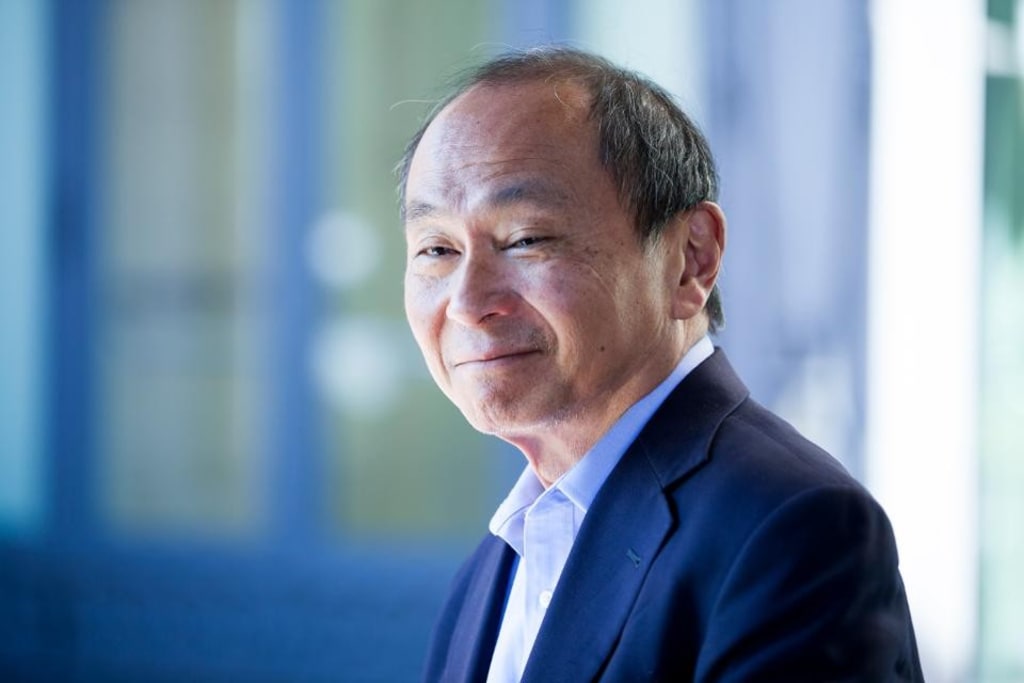
Author's note: I originally published this article several years ago. Returning to Fukuyama's argument in October 2026, I wanted to reconsider its philosophical foundations, the relationship between economic and political freedom, and whether the contradictions of contemporary societies challenge the possibility of a final historical destination.
The End of History: What Did Fukuyama Really Mean?
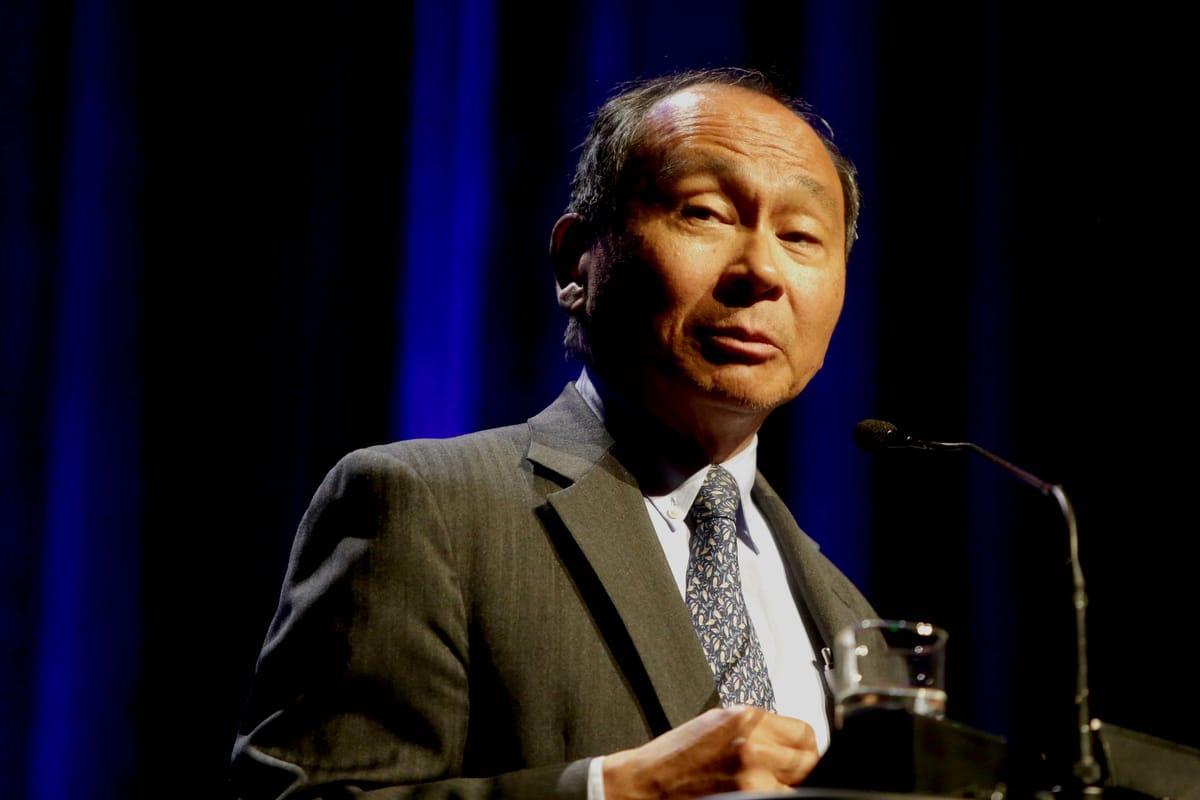
There is something fascinating about the possibility that humanity could reach a point in its historical development where no fundamentally different political system remains to be discovered. Not because wars would disappear, governments would cease to exist or people would abandon their disagreements, but because the ideological struggle over how societies should be organised would have reached its conclusion. This was the provocative hypothesis introduced by American political scientist Francis Fukuyama in his 1989 essay The End of History?, later developed in his 1992 book The End of History and the Last Man.
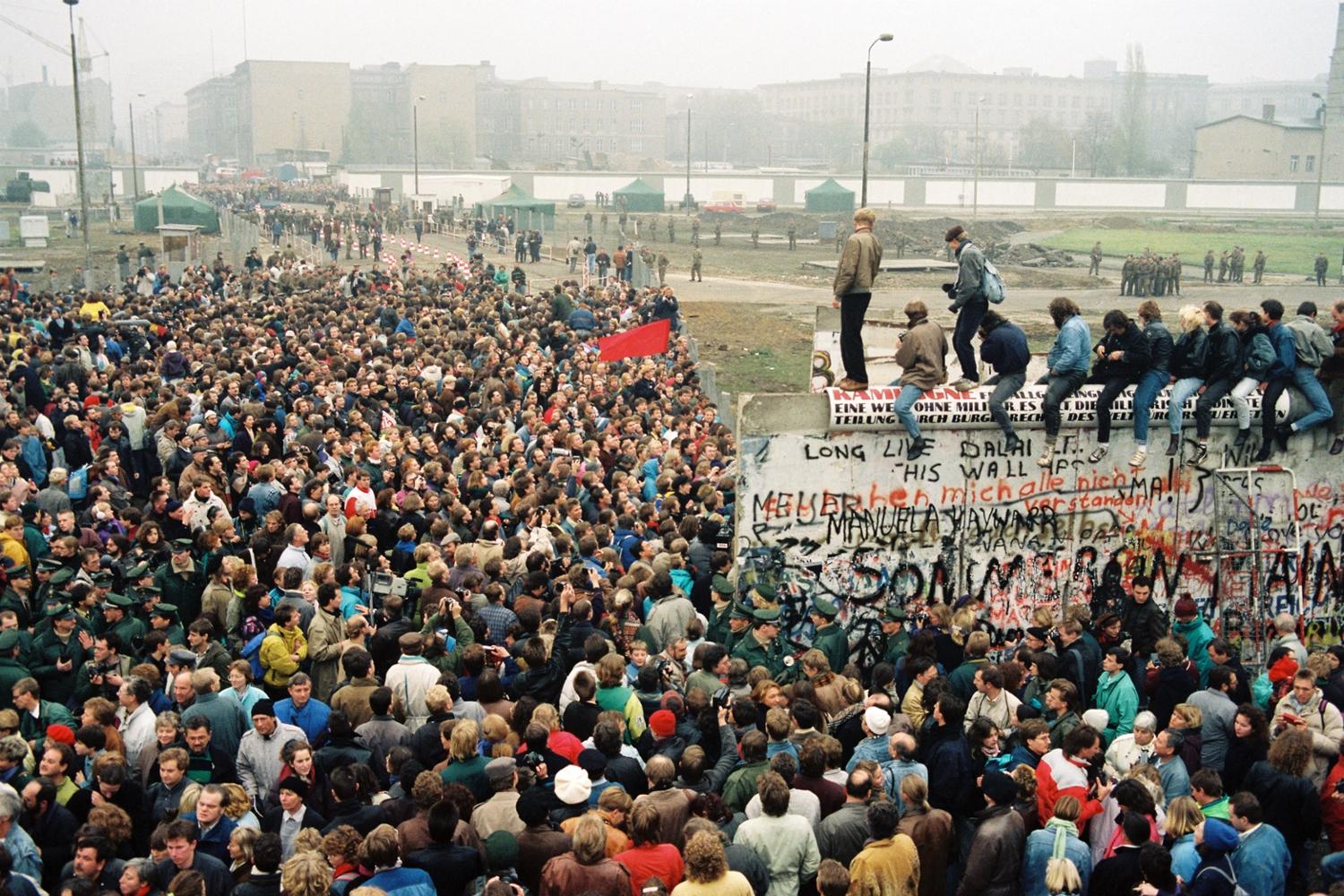
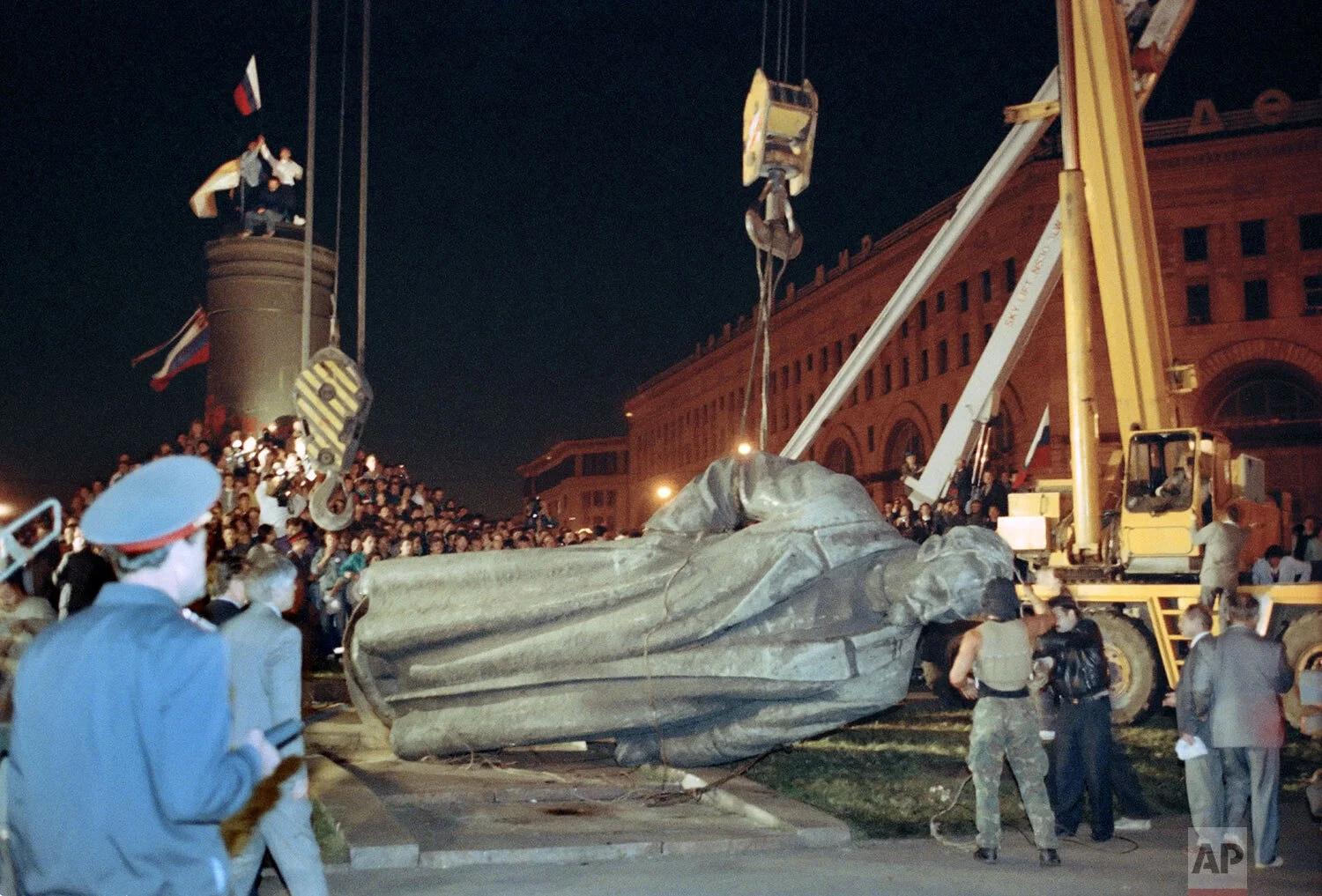
Writing during the final years of the Cold War, when communist governments in Eastern Europe were beginning to lose their authority and the Soviet Union was undergoing profound political changes, Fukuyama suggested that liberal democracy might represent the culmination of humanity's ideological evolution. The twentieth century had witnessed extraordinary confrontations between fascism, communism and liberal democracy. Yet, by the late 1980s, fascism had been defeated, while the Soviet model was increasingly losing its ideological credibility. Liberal democracy, accompanied by market economics, appeared to offer an alternative capable of combining economic prosperity with individual political freedoms.
Fukuyama's argument was therefore not that every country had become democratic or that liberal societies had eliminated their problems. He was proposing something more ambitious: that no competing political ideology had demonstrated a superior claim to universal legitimacy. But does the historical defeat of an alternative necessarily demonstrate the philosophical completion of the system that survives it? This is the question that has always interested me about Fukuyama's argument.
Hegel, Marx and the Historical Struggle for Recognition
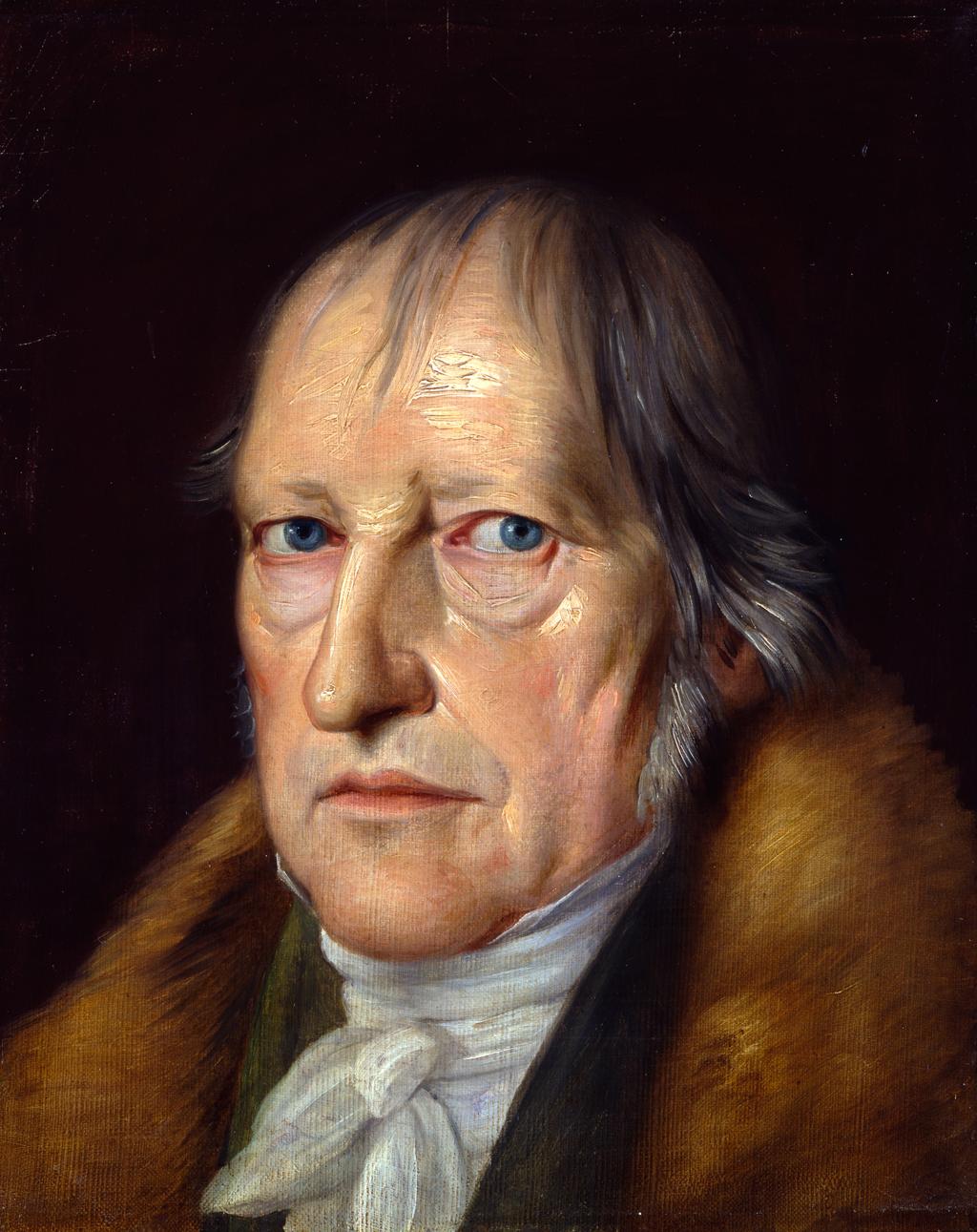
Fukuyama's thesis was influenced by the philosophy of Georg Wilhelm Friedrich Hegel, particularly through the interpretation developed by the French philosopher Alexandre Kojève. For Hegel, history cannot be understood simply as a collection of events occurring one after another. Human societies develop through relationships, conflicts and contradictions in which individuals and communities transform their understanding of themselves and the world. One particularly important aspect of Hegelian thought concerns recognition. Human beings do not merely struggle to satisfy biological necessities. They also seek acknowledgement of their freedom, individuality and worth through their relationships with others.
Fukuyama regarded this desire for recognition as fundamental to political development. Liberal democracy appeared capable of recognising individuals as equal bearers of rights, providing a political framework through which human dignity could acquire universal significance. Marx, influenced by Hegel, approached historical development through the contradictions of material production, social classes and economic relationships. From a Marxist perspective, the institutions and freedoms associated with capitalism do not eliminate the conflict between those who own productive resources and those who must sell their labour. Fukuyama challenged the Marxist expectation that history would culminate in a communist society. In his interpretation, liberal democracy had emerged as the more convincing historical destination. Yet I find another question worth considering. If political institutions recognise individuals as formally equal, does this necessarily mean that those individuals experience their freedom under equal social and material conditions? A worker and the owner of a multinational corporation may possess the same political rights. Both may participate in elections, express political opinions and enjoy protection under the law. Their opportunities to influence economic decisions, however, can differ considerably. The distinction between political recognition and material existence does not automatically invalidate Fukuyama's argument. It does, nevertheless, raise a problem concerning what equality and freedom mean beyond their formal recognition.
Capitalism and Democracy: A Relationship Without Contradictions?
One difficulty with the popular interpretation of Fukuyama is the tendency to treat liberal democracy and capitalism as though they were identical. They are not. Liberal democracy concerns political representation, individual rights, constitutional limitations and the accountability of government. Capitalism concerns an economic organisation in which private ownership, markets and the pursuit of profit play central roles. The two have frequently developed together, but their relationship is neither historically inevitable nor entirely harmonious.
Authoritarian capitalist arrangements, including China's economic system, demonstrate that market activity and private enterprise can coexist with political institutions that do not provide liberal democratic freedoms. Conversely, liberal democracies have developed different combinations of market competition, public ownership, taxation and social welfare. Fukuyama himself has acknowledged these distinctions. In Liberalism and Its Discontents (2022), he argued that liberalism does not require one particular economic programme and that democratic governments can pursue substantial redistribution while protecting individual rights.
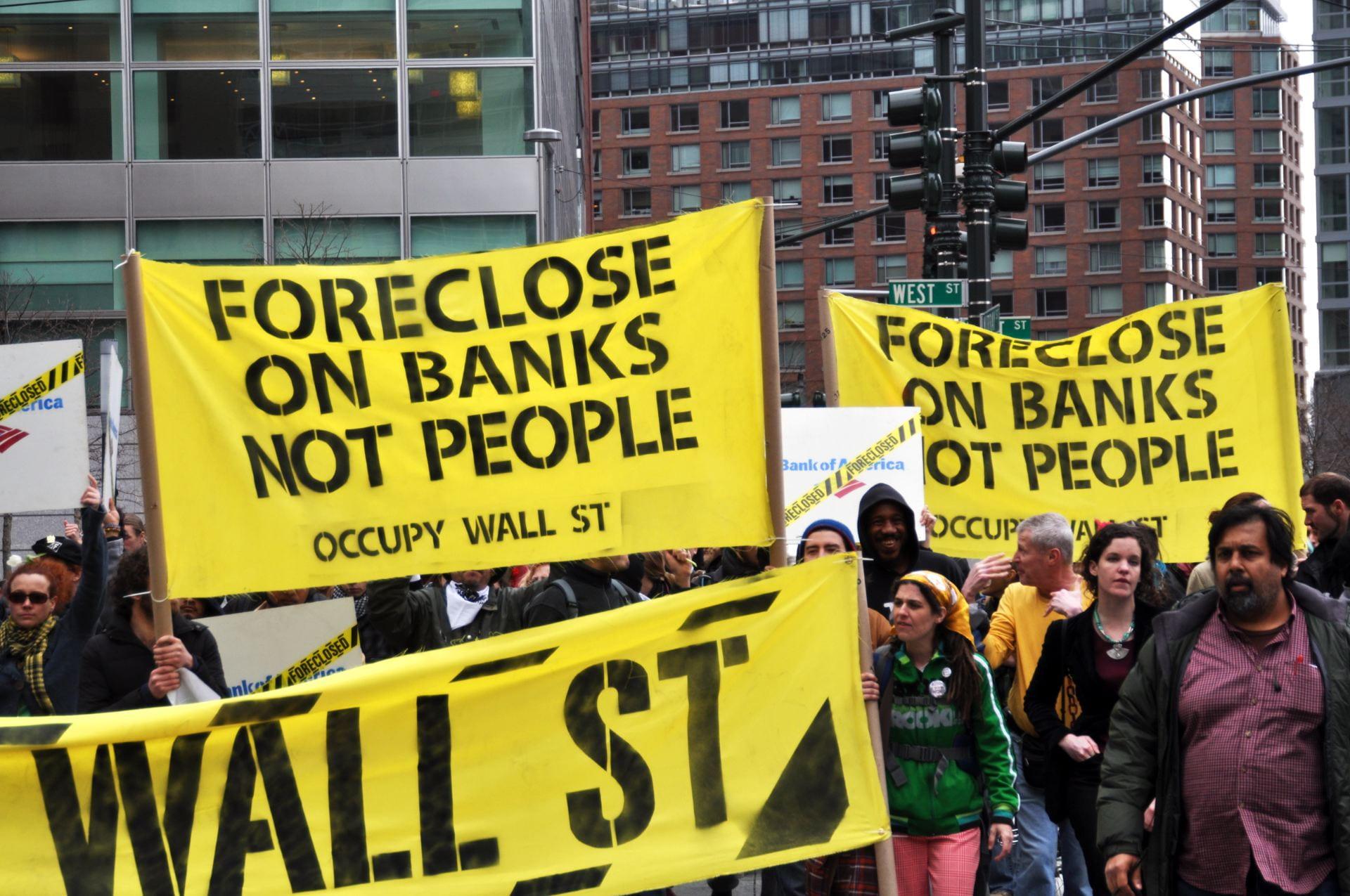
My criticism, then, should not be that Fukuyama simply confuses capitalism with democracy. The more difficult question concerns the relationship between the political equality promised by liberal institutions and the economic inequalities that can develop within the societies they govern. The World Inequality Report 2026 estimates that the wealthiest 10% of the global population own approximately three-quarters of total personal wealth, while the poorest half possess only around 2%. These global figures do not describe liberal democracies alone, but they reveal the extraordinary inequalities that coexist with contemporary economic development. Economic inequality is not necessarily equivalent to political exclusion. Yet financial resources can influence access to education, information, legal representation and opportunities for political participation.
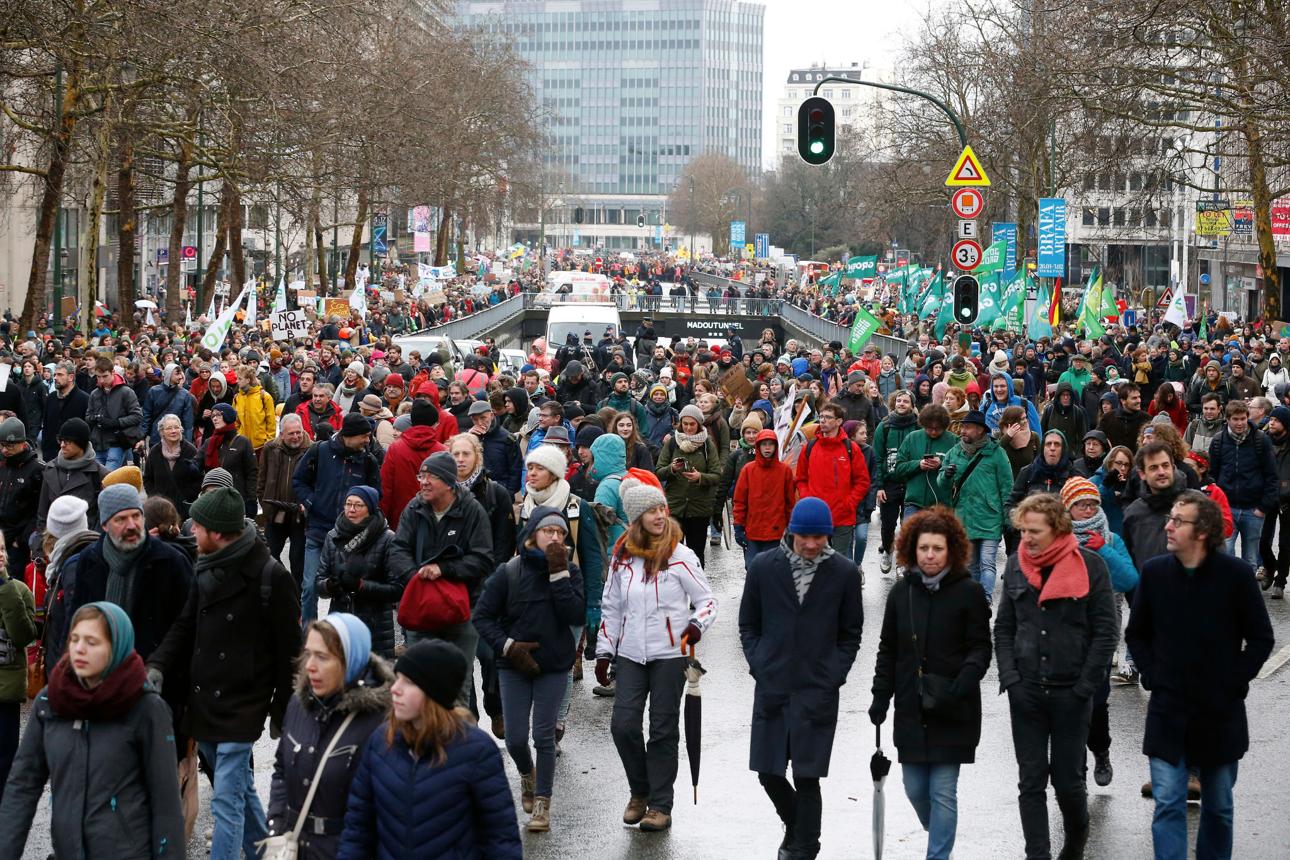
The OECD's 2024 survey of trust in public institutions found that only about 30% of respondents across 30 participating countries believed people like themselves had a say in government decisions. What happens when citizens are formally represented by political institutions but experience themselves as increasingly distant from the decisions governing their lives? It is here that the distinction between democracy as an institutional arrangement and democracy as a lived social experience becomes particularly interesting.
Nationalism and the Return of Political Conflict
Another question concerns the persistence of nationalism and political extremism. The emergence of nationalist movements in Europe and the United States, alongside authoritarian forms of political organisation elsewhere, has frequently been presented as evidence against Fukuyama's hypothesis. Yet it would be unfair to claim that Fukuyama simply failed to consider nationalism. His original work recognised its continuing influence, while his later writings examined identity, resentment and the demand for recognition in greater depth. In fact, his own philosophical framework contains a possible explanation for some of these developments.
If human beings require recognition, then economic prosperity and formal political equality may not exhaust their psychological and social needs. Individuals may seek recognition through national identity, religion, political belonging or the conviction that their community has been denied the respect it deserves. I find this particularly revealing because it suggests that political conflict cannot be explained exclusively through economic deprivation. Economic insecurity may intensify resentment, but the meanings individuals attach to their experiences also influence the ways they understand social and political problems. This does not mean that all nationalist movements arise from the same circumstances, or that economic crises inevitably produce authoritarianism.
The more interesting problem is how material experiences, collective identities and political narratives interact. A person may experience unemployment, social exclusion or a loss of economic security, yet the explanation they adopt for that experience can be shaped by narratives that identify particular groups, institutions or political opponents as responsible. History does not simply impose political meanings upon individuals. Human beings also interpret their circumstances, construct collective identities and act according to those interpretations. Fukuyama's emphasis on recognition remains useful here, even for those who question his broader historical conclusion.
Revisiting the End of History in 2026
Returning to this debate in October 2026, the international political landscape appears considerably different from the optimism surrounding the end of the Cold War. Russia's invasion of Ukraine, the continuing development of China's political and economic model, and democratic erosion in different regions have complicated expectations of an expanding liberal international order. According to the V-Dem Institute's Democracy Report 2026, the world contained 87 democracies and 92 autocracies at the end of 2025, using its classification of political regimes. Freedom House similarly reported that global freedom had declined for the twentieth consecutive year.
These findings are important, although they do not conclusively disprove Fukuyama's philosophical thesis. A decline in the number of democratic governments does not necessarily establish the emergence of a political ideology capable of replacing liberal democracy as a universal ideal. Still, the distinction raises another problem. If liberal democracy remains the endpoint of ideological development even when its institutions retreat, how can we determine whether history is progressing towards that endpoint or moving away from it?
In September 2026, Fukuyama returned to these questions in his memoir In the Realm of the Last Man. He also acknowledged, in an interview with The Guardian, that China's authoritarian political model presents a serious question for the long-term assumptions of his original argument. His willingness to reconsider aspects of his earlier thinking is important. A philosophical hypothesis should not become immune to criticism merely because it describes itself as the culmination of historical development.
Fukuyama's book also contains a concern that is sometimes overlooked: the possibility that societies which provide material comfort and formal recognition may still produce individuals who experience their lives as lacking meaning, purpose or opportunities for distinction.n Drawing upon Nietzsche's idea of the Last Man, Fukuyama questioned whether the satisfaction of economic needs and the reduction of ideological conflict could exhaust the human desire for struggle and recognition. In this respect, the end of history may contain the possibility of its own disturbance. A society that satisfies certain human aspirations may also produce new experiences and demands that its existing institutions cannot entirely accommodate.
Has History Reached Its Destination?
I do not think Fukuyama's thesis should be dismissed simply because the world continues to experience wars, inequality or authoritarian movements. Such a criticism would misunderstand the philosophical argument he originally developed.His historical observation remains significant: the collapse of Soviet-style communism transformed the ideological landscape, while liberal democratic principles acquired extraordinary international influence.
Yet recognising this achievement does not require accepting that the political and social possibilities of human existence have been exhausted. The question that continues to trouble me is whether a society can be considered the final expression of human political development when its own institutions remain subject to contradictions that transform the experiences, expectations and identities of those living within it.
Liberal democracy possesses mechanisms through which citizens can challenge governments, reform laws and expand political rights. Its capacity for self-correction is part of the argument in its favour. But should these possibilities be understood as evidence that history has reached its final institutional form, or as evidence that political life remains a continuous process of conflict, reinterpretation and transformation? The distinction matters.
A society may recognise freedom as a universal principle while continuing to struggle over the conditions necessary for individuals to exercise it. Equality before the law does not eliminate differences in economic power, and the existence of representative institutions does not guarantee that every citizen experiences political participation in the same way. These tensions do not automatically establish the superiority of some alternative system. They demonstrate that questions about freedom, recognition and the organisation of social life remain open to investigation. I began by asking whether Fukuyama's end of history represents a liberal triumph or an unfinished debate.
I find the second possibility more intellectually compelling, not because I believe history is necessarily moving towards a particular alternative, but because the relationship between human beings and their political institutions cannot be understood independently of the changing experiences through which those institutions acquire meaning. If history involves humanity's continuing effort to understand and organise its existence, then the recognition of a political ideal does not necessarily bring that effort to an end. It may simply transform the questions we are required to confront.
Written and published by Sergios Saropoulos
Originally published several years ago. Revised and expanded in October 2026.
Sources and Selected Bibliography
Fukuyama, Francis. “The End of History?” The National Interest, no. 16, Summer 1989, pp. 3–18. The original essay introducing the hypothesis of liberal democracy as the culmination of ideological evolution.
https://www.jstor.org/stable/24027184Fukuyama, Francis. The End of History and the Last Man. Free Press, 1992. The full development of Fukuyama's argument concerning historical progress, Hegelian recognition, liberal democracy and the Last Man.
https://search.worldcat.org/title/231335005Fukuyama, Francis. Liberalism and Its Discontents. Farrar, Straus and Giroux, 2022. Fukuyama's later examination of liberalism, economic inequality, political institutions and the challenges confronting contemporary democracies.
https://us.macmillan.com/books/9780374606725/liberalismanditsdiscontents/Fukuyama, Francis. In the Realm of the Last Man: A Memoir. Farrar, Straus and Giroux, 2026. Fukuyama's intellectual autobiography revisiting his earlier arguments, political commitments and changing understanding of liberalism.
https://fsi.stanford.edu/publication/realm-last-man-memoirFreedland, Jonathan. “‘If He Can Make Money in a Tyranny, That's Fine by Him’: Francis Fukuyama on Trump, Democracy — and Changing His Mind.” The Guardian, 2 September 2026. Interview examining the original end-of-history thesis, the Chinese political model, the desire for recognition and Fukuyama's subsequent intellectual development.
https://www.theguardian.com/lifeandstyle/2026/sep/02/francis-fukuyama-interview-memoir-book-end-history-last-manV-Dem Institute. Democracy Report 2026: Unravelling the Democratic Era? University of Gothenburg, March 2026. Comparative findings concerning democratic decline, autocratisation and the condition of democratic institutions internationally.
https://www.v-dem.net/news/press-release-democratic-backsliding-reaches-western-democracies-with-us-decline-unprecedented/Freedom House. Freedom in the World 2026: The Growing Shadow of Autocracy. March 2026. Assessment of political rights and civil liberties across countries during 2025.
https://freedomhouse.org/article/new-report-global-freedom-declined-20th-consecutive-year-2025World Inequality Lab. World Inequality Report 2026. Research on global income and wealth concentration and the historical development of economic inequality.
https://wir2026.wid.world/insight/executive-summary/OECD. OECD Survey on Drivers of Trust in Public Institutions — 2024 Results. Research on political agency, trust in government and citizens' perceptions of participation in democratic decision-making.
https://www.oecd.org/en/publications/oecd-survey-on-drivers-of-trust-in-public-institutions-2024-results_9a20554b-en.htmlReview of Democracy. “In Conversation with Francis Fukuyama: Russia Would Not Have Invaded Ukraine if It Had Been a Democracy.” 19 September 2022. Interview on the distinctions between liberalism, democracy, market economics and political recognition.
https://revdem.ceu.edu/2022/09/19/in-conversation-with-francis-fukuyama-russia-would-not-have-invaded-ukraine-if-it-had-been-a-democracy/amp/
About the Creator
Sergios Saropoulos
As a Philosopher, Writer, Journalist and Educator. I bring a unique perspective to my writing, exploring how philosophical ideas intersect with cultural and social narratives, deepening our understanding of today's world.
Enjoyed the story? Support the Creator.
Subscribe for free to receive all their stories in your feed.
Comments
There are no comments for this story
Be the first to respond and start the conversation.