
Lace, Luxury & Confidence: Why the U.S. Lingerie Market Is Set to Reach $33.19 Billion by 2033
From comfort-first bras to inclusive shapewear, America’s lingerie industry is redefining fashion, confidence, and everyday essentials.

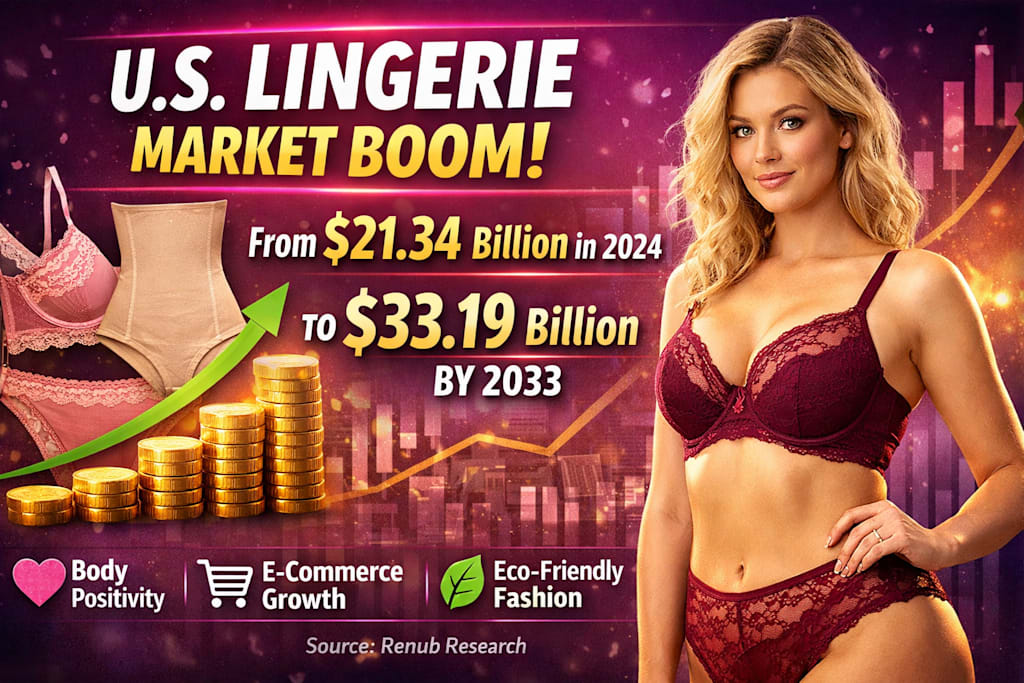
The American lingerie industry is no longer just about lace and labels—it is now about empowerment, comfort, innovation, and individuality. What was once viewed simply as intimate apparel has evolved into a multi-billion-dollar lifestyle category driven by changing consumer values, digital shopping habits, and modern fashion preferences.
According to Renub Research, the United States Lingerie Market is projected to rise from US$ 21.34 billion in 2024 to US$ 33.19 billion by 2033, expanding at a CAGR of 5.03% between 2025 and 2033.
This growth signals more than rising sales—it reflects a major shift in how American consumers view lingerie today. Comfort matters more than ever, body inclusivity is reshaping design standards, and online platforms are transforming how women shop for intimate wear.
Lingerie Is No Longer Hidden Fashion
For decades, lingerie was marketed around glamour and seduction. While style still matters, today’s shoppers demand much more.
Modern consumers want lingerie that:
Feels comfortable all day
Supports different body types
Looks stylish under clothing
Boosts confidence
Uses breathable and skin-friendly fabrics
Reflects personal identity
From wireless bras to seamless panties and adaptive shapewear, lingerie has become a daily essential rather than a luxury reserved for special occasions.
That mindset shift is one of the strongest reasons the U.S. market continues to grow rapidly.

Body Positivity Is Driving a New Era
One of the most powerful forces in the market is the body positivity movement.
Consumers now expect brands to showcase:
Realistic body shapes
Inclusive sizing
Diverse skin tones
Unedited marketing campaigns
Functional designs for all women
This movement has transformed the way lingerie is designed and sold. Brands that once focused on unrealistic beauty standards are now prioritizing authenticity and confidence.
Companies embracing these values are building stronger emotional connections with buyers—and seeing strong sales growth as a result.
Comfort Has Become the #1 Purchase Factor
Today’s shoppers are less interested in painful underwires or restrictive designs. Instead, they want lingerie that supports modern lifestyles.
Popular comfort-driven categories include:
Bralettes
Wireless bras
T-shirt bras
Cotton underwear
Seamless shapewear
Lounge-inspired intimates
With remote work, hybrid lifestyles, and wellness trends influencing wardrobes, consumers want products that move naturally with the body.
Comfort is no longer optional—it is the standard.
Online Shopping Is Reshaping the Industry
E-commerce has revolutionized the lingerie market in the United States.
Many women now prefer shopping online because it offers:
Privacy
Larger size availability
Better price comparisons
Reviews from real customers
Easy returns
Home delivery convenience
Digital-first lingerie brands are using technology such as:
Virtual fitting tools
AI size recommendations
Subscription boxes
Personalized shopping experiences
This makes buying lingerie less stressful and more accurate than traditional retail experiences.
Social Media Sells Confidence
Instagram, TikTok, Pinterest, and influencer culture have turned lingerie into mainstream fashion content.
Consumers now discover products through:
Influencer try-on videos
Styling tutorials
Brand storytelling
Confidence campaigns
Product reviews
Celebrity collaborations
Social media has normalized lingerie as a visible part of personal style rather than something hidden away.
This digital visibility is especially powerful among Gen Z and millennial consumers.
Sustainability Is Becoming a Major Buying Factor
Modern shoppers increasingly care about how products are made.
As a result, lingerie brands are investing in:
Organic cotton fabrics
Recycled nylon
Bamboo textiles
Eco-friendly packaging
Ethical labor sourcing
Transparent supply chains
Younger buyers especially prefer brands aligned with environmental values.
This trend is pushing innovation across both premium and affordable categories.
Top Product Segments Fueling Growth
1. Brassiere Market
Bras remain the core of the lingerie business.
Growth is strongest in:
Wireless bras
Seamless bras
T-shirt bras
Sports-inspired bras
Inclusive sizing bras
Consumers want support without discomfort.
2. Shapewear Boom
Shapewear has transformed from restrictive garments into confidence-enhancing essentials.
Popular categories include:
Bodysuits
Sculpting leggings
Waist smoothing briefs
Control camisoles
Today’s shapewear focuses on flexibility, posture support, and body contouring rather than compression alone.
3. Cotton Lingerie Growth
Cotton remains one of the most trusted materials because it offers:
Breathability
Softness
Hypoallergenic comfort
Moisture absorption
Everyday practicality
Consumers seeking wellness and natural fabrics continue driving cotton demand.
4. Premium Lingerie Expansion
Luxury lingerie is also growing strongly in the U.S.
Buyers are investing in:
High-end lace collections
Designer labels
Personalized fittings
Long-lasting premium fabrics
Self-care purchases
Many women now purchase premium lingerie for themselves rather than gifting occasions.
Top States Leading the Market
California
California is a major fashion and wellness hub. Demand is high for:
Sustainable lingerie
Active-lifestyle intimates
Minimalist designs
Lightweight fabrics
The state strongly influences nationwide fashion trends.
New York
New York leads in premium and designer lingerie.
Its fast-paced urban lifestyle supports demand for:
Stylish everyday wear
Luxury collections
Boutique shopping
Fashion innovation
Washington
Washington consumers value:
Ethical brands
Comfortable designs
Online shopping convenience
Craftsmanship
Inclusivity
This makes it an important modern-growth state in the category.
Challenges in the Industry
Despite strong growth, the market faces obstacles.
1. Intense Competition
The U.S. market includes:
Legacy brands
Fast fashion retailers
Direct-to-consumer startups
Luxury labels
Global fashion chains
Standing out is increasingly difficult.
2. Sizing Inconsistency
One of the biggest frustrations for consumers is inconsistent sizing across brands.
This leads to:
High return rates
Poor customer satisfaction
Lower loyalty
Hesitation to buy online
Brands that solve fit accuracy could gain a huge advantage.
What the Future Looks Like
The future of lingerie in America will likely revolve around five key themes:
1. Tech-Powered Fitting
AI and body scanning tools will improve fit accuracy.
2. More Inclusive Fashion
Brands will expand sizes, tones, and adaptive products.
3. Sustainable Production
Eco-friendly materials will become mainstream.
4. Comfort-First Design
Soft support and all-day wearability will dominate.
5. Confidence Marketing
Authentic branding will outperform unrealistic beauty campaigns.
Final Thoughts
The U.S. lingerie market is no longer just selling undergarments—it is selling comfort, identity, empowerment, and confidence.
With the market forecast to grow from US$ 21.34 billion in 2024 to US$ 33.19 billion by 2033, the category is proving that intimate apparel can be one of fashion’s most dynamic sectors.
About the Creator
Enjoyed the story? Support the Creator.
Subscribe for free to receive all their stories in your feed.
Comments
There are no comments for this story
Be the first to respond and start the conversation.