
Bjork’s Swan Dress
The Legacy of Bjork’s swan dress

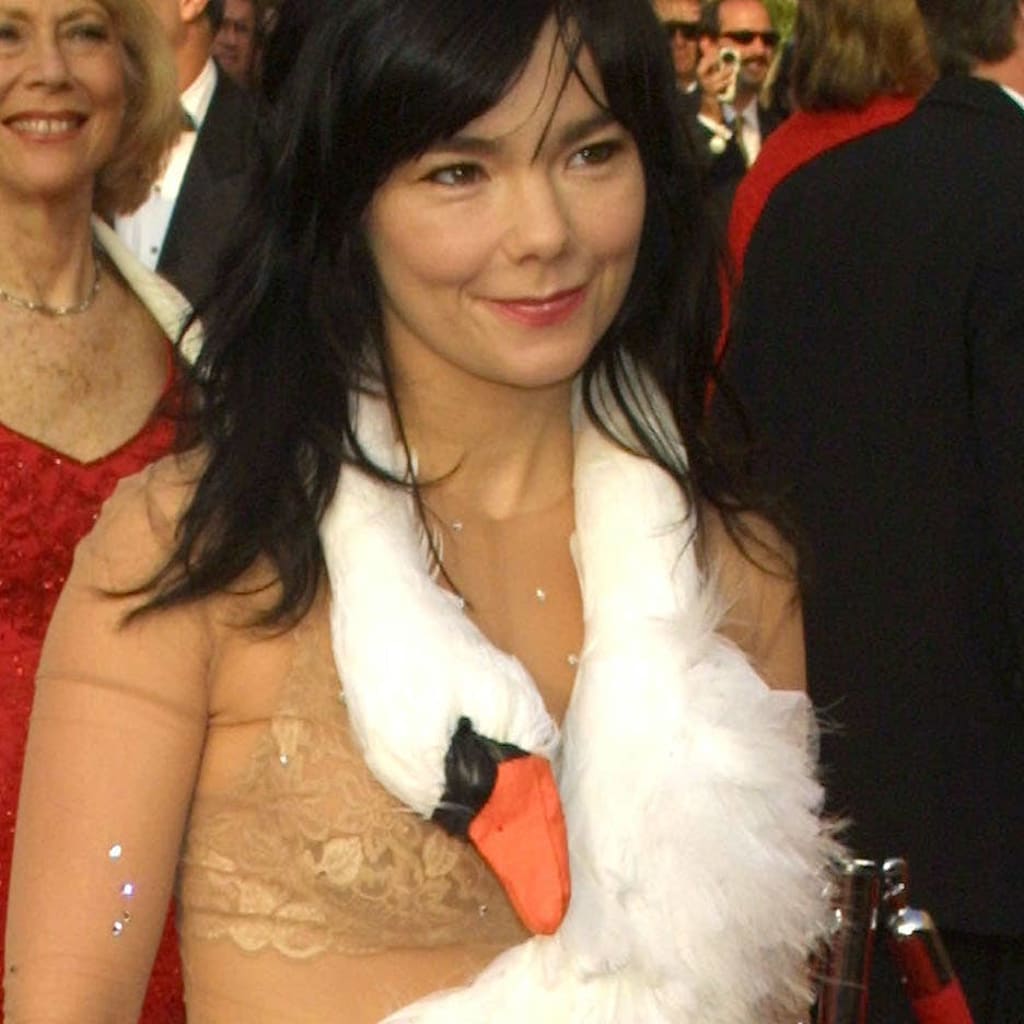
When the Icelandic musician and Oscar nominated at the time, Björk arrived at the 73rd Academy Awards in Los Angeles on March 25, 2001, she was not dressed like a movie star. She was not dressed like anyone else, either. She wrapped in a white gown shaped like a swan, complete with a long neck draped around her shoulders and a beak resting near her chest, Björk stepped onto the red carpet and into fashion history.
The dress, designed by Macedonian-born designer Marjan Pejoski, immediately became one of the most talked-about garments ever worn at a major awards ceremony. At the time, many critics treated it as a joke. Television commentators mocked it. Comedian Joan Rivers called out Bjork's dress.
Fashion roundups placed it on “worst dressed” lists. Newspapers described it as bizarre, eccentric, and bewildering. The image of Björk, then nominated for Best Original Song for “I've Seen It All” from Dancer in the Dark, seemed to confirm what many audiences already believed about her: that she was an artist operating far outside the conventions of mainstream celebrity culture. But while the laughter was loud, it was also short-lived. More than two decades later, the swan dress has undergone one of the most dramatic reputational reversals in fashion history. What was once ridiculed is now widely recognized as a landmark moment in red-carpet style—an early example of fashion used not merely as decoration, but as performance art.
The swan dress was never intended to blend in.
Björk later explained that she wanted to bring a sense of fantasy and storytelling to the Academy Awards. Her appearance was not simply about wearing an unusual garment; it was a continuation of the surreal visual language that had defined much of her artistic career. The performance extended beyond the dress itself. During the ceremony, Björk famously appeared to "lay" several ostrich eggs on the red carpet, a gesture that further blurred the line between fashion, theater, and satire.
To some observers, the act seemed absurd. To others, it challenged the increasingly rigid expectations surrounding celebrity appearances.
“At the time, red-carpet fashion was largely about glamour and conformity,” says fashion historian Valerie Steele. “The swan dress represented something entirely different: a refusal to participate in those rules.”
The years that followed transformed the cultural meaning of the dress.
As celebrity fashion became more experimental, critics began reassessing Björk’s appearance. What once looked outrageous began to look visionary. The rise of stars such as Lady Gaga, who embraced elaborate costumes and conceptual fashion as part of her artistic identity, shifted public expectations. Designers increasingly viewed the red carpet as a stage rather than a showroom. In this new context, Björk’s swan dress appeared less like an anomaly and more like a precursor. Fashion museums began exhibiting the garment. Editorial retrospectives ranked it among the most influential red-carpet looks ever worn. Younger generations, encountering the image outside the media environment of 2001, often saw creativity where earlier audiences had seen only eccentricity. The dress's enduring appeal lies partly in its ambiguity. Was it a joke? A work of art? A critique of celebrity culture? A fairy tale brought to life? The answer may be all of the above.
The Legacy of the Swan
Few garments have achieved the cultural longevity of Björk’s swan dress. Most awards-show outfits disappear from view within days. The swan dress remains instantly recognizable decades later. It continues to inspire Halloween costumes, internet memes, fashion exhibitions, and academic discussions about the relationship between clothing and performance. Its influence is evident in the increasingly theatrical nature of contemporary red carpets, where musicians and actors often use clothing to craft narratives, spark conversations, and challenge expectations.
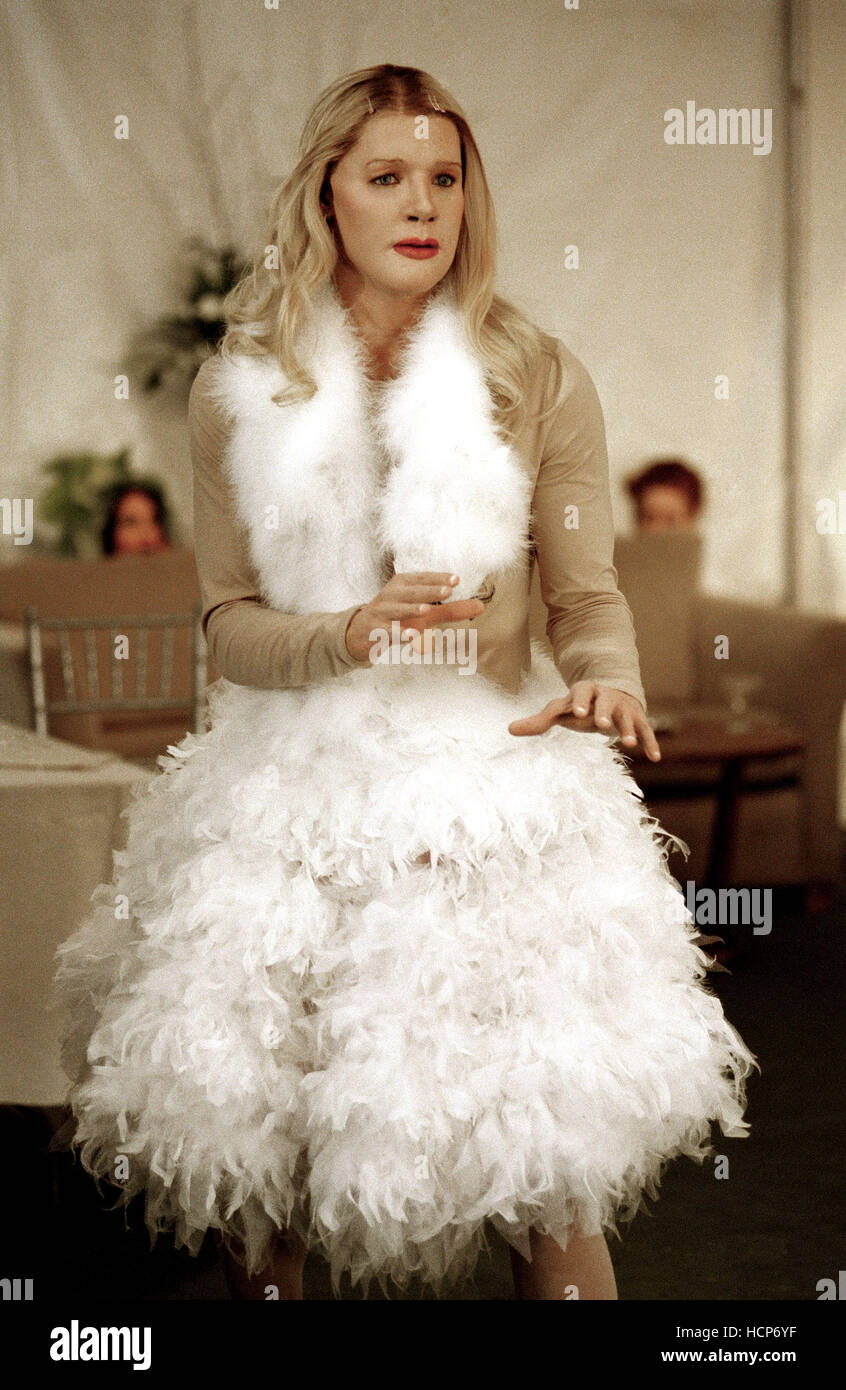
The dress also highlights a recurring pattern in cultural history: ideas that initially seem strange are often reinterpreted as groundbreaking once society catches up.
Today, photographs of Björk at the 2001 Oscars no longer provoke widespread ridicule. Instead, they serve as a reminder that innovation often arrives disguised as absurdity. The swan dress did not change because the fabric aged well or because fashion trends shifted. It changed because audiences learned to see it differently. What was once mocked as a fashion disaster is now remembered as a work of artistic conviction—proof that sometimes the most enduring style statements are the ones that refuse to fit in. And long after the awards have been forgotten, the swan still glides through popular culture, feathers intact. This version follows a magazine/newspaper feature style, focusing on the dress’s cultural impact and long-term legacy.
About the Creator
Gladys W. Muturi
Hello, My name is Gladys W. Muturi. I am an Actress, Writer, Filmmaker, Producer, and Mother of 1.
TALES & CONFESSIONS OF A HIGH SCHOOL NOBODY COMING SOON
Enjoyed the story? Support the Creator.
Subscribe for free to receive all their stories in your feed. You could also become a paid subscriber, letting them know you appreciate their work.
Comments
There are no comments for this story
Be the first to respond and start the conversation.