vineyard
Turning grapes into wine is both a science and an art; Explore the Vineyard variables that go into your favorite Reds and Whites and learn exactly what age has got to do it.
Kakheti Wine Tour. Top Story - October 2025.
Any Georgian will proudly tell you that Georgia is the birthplace of wine. Our tour guide told us about the archeological evidence that the ancient way of making wine in a large clay pot capable of holding hundreds and even thousands of liters of wine called qvevri [pronounced kwevri] goes back at least 8,000 years. However, the recently found earliest qvevri are now estimated to be around 11,000 years.
By Lana V Lynxabout a year ago in Proof
A Toast to Diversity: Exploring the Regional Styles of American Whiskey
American whiskey is not just a drink; it's a reflection of the country's rich cultural heritage and regional diversity. Each sip is a journey into the heart of its origins, shaped by local ingredients, techniques, and traditions. From Kentucky’s caramel-kissed bourbons to the smoky allure of Tennessee whiskey, the American whiskey landscape is as varied as the nation itself. Let’s take a flavorful journey through the distinct regional styles that make American whiskey a global treasure.
By mureed hussain2 years ago in Proof
The Flower That Turns Transparent In Rain
Imagine a flower that transforms when it rains, turning its delicate white petals into a transparent, crystalline masterpiece. This is not a work of fiction but a natural marvel found in the mountains of East Asia. The Diphylleia Grayi, commonly known as the skeleton flower, captivates botanists, photographers, and nature enthusiasts alike with its extraordinary ability to change its appearance in response to water. In this blog, we will delve into the intriguing characteristics, habitat, cultural significance, and conservation of this rare botanical wonder. A Glimpse into the Skeleton Flower’s Magic The skeleton flower belongs to the Berberidaceae family and is native to the cool, moist woodlands of China, Japan, and the Appalachian Mountains in the United States. Its most distinctive feature is its hydrophilic petals, which turn transparent when exposed to water. This unique phenomenon occurs due to the cellular structure of the petals. When dry, the petals scatter light, making them appear white. However, when wet, the water fills the spaces within the petals, allowing light to pass through, rendering them translucent. This transformation gives the flower its poetic nickname, as the veins and delicate structures within the petals become visible, resembling a skeleton. Once the petals dry, they return to their opaque white state, completing the cycle of nature’s magic. The Habitat of Diphylleia Grayi The skeleton flower thrives in shaded, damp environments, often growing beneath the protective canopy of deciduous forests. These conditions mimic its native habitat—cool, humid climates with consistent rainfall. The plant typically blooms from late spring to early summer, producing clusters of small, white flowers atop large, umbrella-shaped leaves. In the wild, these flowers often grow along forested trails and mountainous terrains, adding an ethereal beauty to their surroundings. Because of their preference for specific environmental conditions, they are not commonly found in cultivated gardens. However, with the right care and attention, some enthusiasts have successfully grown them in controlled settings. Symbolism and Cultural Significance Throughout history, flowers have held symbolic meanings in various cultures, and the skeleton flower is no exception. Its ability to turn transparent in the rain is often interpreted as a metaphor for resilience and adaptability. Just as the flower reveals its inner beauty during a storm, it reminds us to embrace change and find strength in vulnerability. In Japan, where the skeleton flower is relatively well-known, it is admired for its connection to nature and fleeting beauty, echoing themes found in traditional Japanese art and philosophy. The flower’s ephemeral transformation aligns with the concept of "mono no aware," which emphasizes an appreciation for the impermanence of life. The Science Behind the Transparency The skeleton flower’s transformation is a result of its unique cellular composition. Petals are composed of layers of cells with air pockets between them. When dry, these air pockets scatter light, creating the flower’s white appearance. Rainwater fills these spaces, eliminating the scattering effect and allowing light to pass through the petal, creating a glass-like transparency. This hydrophilic property is not just a curious trait but an evolutionary adaptation. The transparency may help the flower blend into its environment during rain, potentially deterring predators. Additionally, the large leaves of the plant act as natural umbrellas, protecting the delicate flowers from excessive water exposure. Conservation and Challenges Despite its beauty, the skeleton flower faces threats from habitat loss and climate change. The specific environmental conditions required for its growth make it vulnerable to deforestation and changes in rainfall patterns. Increased human activity in its native regions has also contributed to the gradual shrinking of its natural habitat. Efforts to conserve the skeleton flower include habitat preservation and cultivation programs. Educating the public about the importance of preserving biodiversity is crucial to ensuring that unique species like Diphylleia Grayi continue to thrive. For gardeners and plant enthusiasts, growing skeleton flowers in home gardens under appropriate conditions can also contribute to their preservation. Experiencing the Skeleton Flower For those lucky enough to witness the skeleton flower in its natural habitat, the experience is nothing short of magical. Hiking through the misty woodlands of Japan’s Hida Mountains or China’s forests offers a chance to see these delicate blooms come alive in the rain. Photography enthusiasts are particularly drawn to this flower, as its transformation provides an opportunity to capture nature’s artistry in its purest form. If a trip to its native regions is not feasible, some botanical gardens and specialty nurseries cultivate skeleton flowers for display. Observing them in controlled settings can still offer a glimpse into their enchanting world. Conclusion: A Testament to Nature’s Wonders The skeleton flower is a reminder of the beauty and complexity of the natural world. Its ability to turn transparent in the rain symbolizes resilience, adaptability, and the fleeting nature of beauty. As we marvel at its transformation, we are reminded of the importance of protecting such wonders for future generations. Whether you encounter the Diphylleia Grayi in the wild, in a garden, or through photographs, its story is sure to inspire awe and admiration. In a world that often feels rushed and disconnected, the skeleton flower invites us to pause, appreciate, and reconnect with the delicate balance of nature.
By INFO INSIDER 2 years ago in Proof
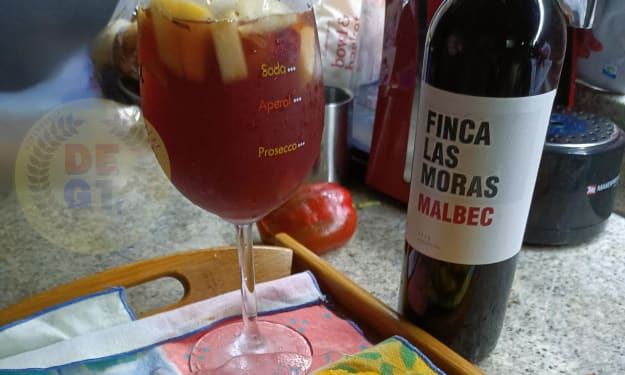
Of Bottled wines & Cheap Sangria
Old Memories Many years ago, before the world turned into a frenzy of social media and bad influencers, my then girlfriend and I went on holidays to Blanes, Spain. During lunch, we had an unpleasant moment with one of the hotel waiters. When he learned I was Latin-American rather than European, he started screaming xenophobic insults at me. I guess he was ignorant of history; otherwise, he would have been aware of all the riches the Spanish stole from the new continent during the conquest, right?
By Lost In Writing2 years ago in Proof
The Importance of Proof in Scientific Research
Scientific research serves as the cornerstone of our understanding of the world around us. It provides the basis for advancements in technology, medicine, and numerous other fields. Central to the credibility of scientific research is the concept of proof, which ensures that findings are reliable and can be trusted by the scientific community and the public alike. This article explores the importance of proof in scientific research, highlighting its role in establishing the validity of research findings and driving scientific progress.
By BLESSING COOL 2 years ago in Proof
Champagne and sparkling wine. Top Story - January 2024.
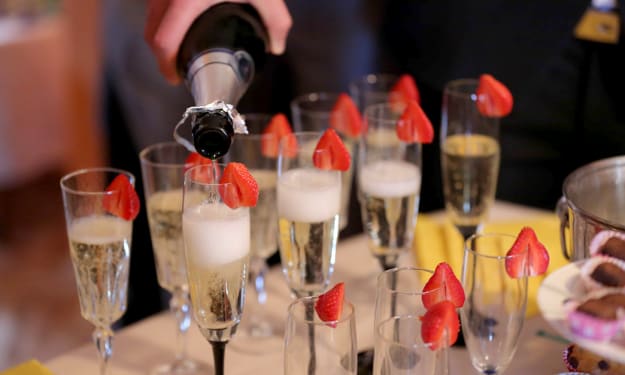
What’s in a name? In the case of Champagne, a bubbly brouhaha. By international agreement, Champagne is produced exclusively in France’s 76,000-acre—132 square-mile—Champagne region using one specific method—méthode champenoise, also known as traditional method.
By Gus Clemens3 years ago in Proof
Best Wine Coolers On The Market
In the realm of wine lovers and casual wine enthusiasts, the proper storage and preservation of wines have become incredibly important. As peoples appreciation, for wine collections continues to grow so does their need for efficient wine coolers. Among the options in the market three standout choices cater to different preferences and storage requirements; the Antarctic Star 26 Bottle 130 Can Wine Cooler/Cabinet, the Wine Enthusiast 32 Bottle Dual Zone MAX Compressor Wine Cooler and the UNTOMAX Wine Fridge Dual Zone 52 Bottles.
By i.speak.finance3 years ago in Proof
Chardonnay. Top Story - August 2023. Content Warning.
Grapple with a lil grape amidst the thistle. Peas in a pod not far from the backyard pepper-patches, prickly pompoms along the side-paths of a city park. This vivid color is a good omen if untouched, fertility is their needled warning.
By Rob Angeli3 years ago in Proof