
Is Lordhair a good choice for how to order custom hair system Lordhair?
Is Lordhair Good for Custom Hair Systems? 2026 Guide

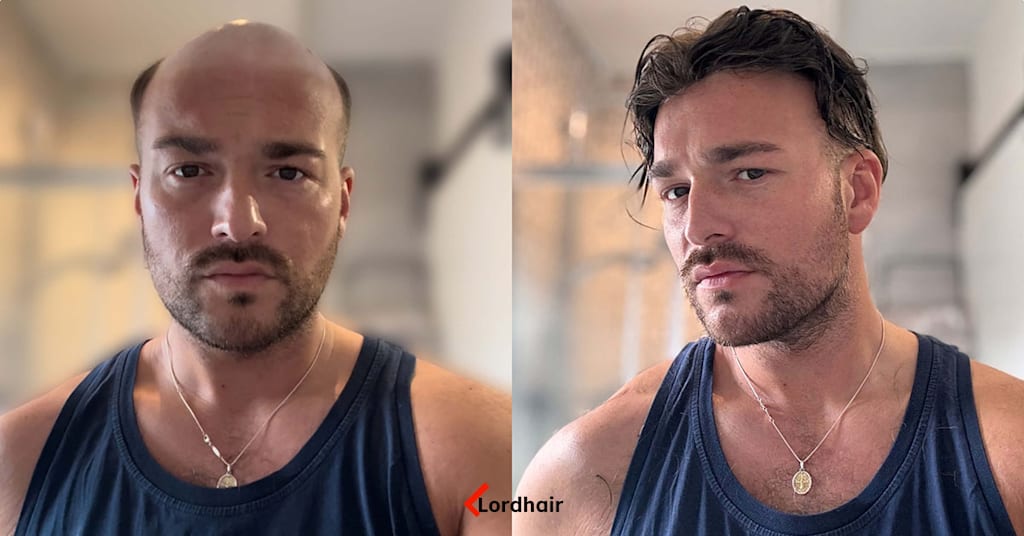
Is Lordhair a good choice for how to order custom hair system Lordhair?
Lordhair has custom hair system options for anyone looking for a natural, non-surgical hair replacement. And the best part? You don't have to guess your way through the ordering process.
We'll break down exactly how customizing your unit makes it look much more real. You'll also learn what to think about before picking out a custom hairpiece, plus how to confidently place an order that actually fits your needs. Simple.
Key Takeaways
Custom systems suit clients needing precise fit, density, color, or hairline matching.
Accurate measurements and scalp templates prevent poor fit and unnatural base edges.
Stock systems work best for immediate coverage or standard scalp shapes.
Evaluating Realism and Quality in Non-Surgical Hair Replacement
A realistic non-surgical hair replacement doesn't rely on human hair alone. The toupee's realism actually comes down to craftsmanship: the care taken to make the hairpiece look balanced, hold its shape, and stay presentable through normal styling and washing.
Lordhair custom systems put those visible details right at the center of your order. A properly made system should look completely believable up close on day one, and it needs to hold up consistently with regular care.
Careful construction helps the hair lie in a controlled pattern instead of shifting into uneven, patchy coverage. It also supports a completely natural-looking hairline, meaning your client isn't constantly forced to style around obvious fake spots. These details really matter after repeated wear. That's when rushed manufacturing becomes painfully easy to notice.
When placing a first custom order, judge the quality by the finish and consistency you can actually see, not just empty marketing promises. Setting that standard makes the choice between a personalized build and a ready-made hairpiece a whole lot easier.
Custom vs. Stock Hair Systems: Choosing the Right Option
Choosing between a stock and custom hair replacement really boils down to two simple questions: how fast does your client need it, and how precise does the hairline fit need to be?
A stock unit fixes an immediate problem. On the flip side, a custom build gives Lordhair the flexibility to match tiny personal details. The smart move here is hitting your client's timeline without forcing them to settle for a noticeable compromise.
When a Ready-to-Wear Stock System Is the Smarter Pick
Going with a stock hair system makes perfect sense if your client needs it fast and fits into a standard base size with a normal hairline shape. It's also a great starting point for first-timers. They get to test the waters without dropping a ton of cash on a highly personalized build.
Pick stock if the client's scalp doesn't have major bumps, scars, or weird shapes that might mess up the fit. A standard contour looks highly convincing as long as it sits right, the density matches their natural hair, and the stylist blends the cut well.
Stock units are also lifesavers when a client needs a quick replacement because their old system wore out. Think of it like buying a suit straight off the rack. It looks incredibly sharp if the basic cut already matches the person's body.
When a Fully Customized Hairpiece Is Worth the Investment
A custom hair system easily justifies the higher price tag if a standard unit forces your client to compromise on fit, density, or color. The main goal is getting a tailored fit that hugs their unique scalp shape. You never want to force their scalp to adapt to a rigid hairpiece.
Custom builds are a massive help for clients with an uneven scalp, a very specific recession pattern, or an asymmetrical hairline. Lordhair builds around those exact details. This helps the hairline sit perfectly and drops the risk of ending up with an unnatural edge.
Density is just as important. A client with fine, thinning hair usually needs softer coverage. But someone with thicker hair on the sides needs more density so things don't look mismatched. Custom color options are also crucial if the natural hair has gray mixed in or features multiple shades.
A well-planned Lordhair custom system focuses on pure realism right where people look first. That means the hairline, the parting area, and the blend with their own hair. Once you decide to go custom, those exact visual goals should guide every specification you send over.
Step-by-Step Guide: How to Place a Custom Hairpiece Order
How do you order a custom hair system from Lordhair? Just start with a clear order form built around your client's scalp shape, preferred base, and natural hair details.
Customization works best when every choice supports a realistic hairline and a secure, comfortable fit. Small details really matter since they all come together in one place: your client's head.
Step 1: Taking Accurate Head Measurements and Scalp Outlines
Accurate head measurements give the custom base its shape. Measure from front to back along the scalp area needing coverage, and then go side to side at the widest point. Keep the measuring tape flat against the scalp instead of pulling it tight. Otherwise, the finished hairpiece might feel way too small.
Mark the starting point of the frontal hairline before taking either measurement. This keeps the base size perfectly aligned with the client's preferred hairline, rather than just the thinning area. Double-check those numbers. This is especially important if the scalp has scars, dips, or a slightly uneven shape.
A Hair Template gives Lordhair a much clearer picture than measurements alone. Just cover the intended area with clear wrap, secure it lightly with tape, and trace the hairline and perimeter using a marker. Add a few arrows to show the front, back, left, and right sides. Kind of like a tailor's paper pattern, the template shows the exact shape before the final piece gets made.
Use the template to jot down any big features, like a widow's peak, deeper recession at one temple, or a narrow crown. Only cut the template after making sure it sits flat and actually covers the full area.
Send clear head measurements along with the scalp outline, not just one or the other. The numbers confirm the size, while the template confirms the shape. Together, they cut down the risk of a base edge sitting too far forward, exposing a weird gap, or covering up healthy hair your client still wants to keep.
Step 2: Selecting Base Materials for Comfort and Breathability
Base Materials dictate how the hair system feels, breathes, and blends right into the scalp. French Lace, Swiss Lace, Poly Skin, Thin Skin, and Monofilament all solve different client needs, so the best choice won't be the exact same for everyone.
French Lace balances a natural-looking hairline with some practical durability. Its fine mesh lets air flow right through the base. That makes it a solid option for clients who value comfort and want a much lighter feel during daily wear.
Swiss Lace looks even finer. It creates a highly subtle frontal hairline since the material blends so closely with the scalp. But there's a trade-off. Its delicate build really calls for careful handling during cleaning and attachment.
Poly Skin, also known as Thin Skin, uses a smooth polyurethane layer. It's way easier to clean because the adhesive residue stays on the base instead of passing through tiny mesh openings. This is great for clients wanting a straightforward attachment routine. But keep in mind, it doesn't offer the same airflow as lace.
Monofilament has a firmer, more structured feel than delicate lace. It works great when a client wants a stable base and a super natural-looking parting area. Think of base selection like picking shoes for a long day on your feet. The sleekest option isn't always the best fit for every routine.
Ask your client how active they are, how often they plan to wear the system, and if a subtle exposed hairline is a major priority. Those answers quickly narrow down the choice without turning the order into a guessing game.
Step 3: Defining Density, Hair Color, Texture, and Contour
Hair Density, color, texture, gray percentage, and frontal contour are what make a custom hair system look like it actually belongs to your client. A perfect base fit can still look obvious if the new hair is way fuller, darker, or straighter than the natural hair around it.
Always match density to the client's age, natural side hair, and degree of thinning. A client with fine hair around the temples usually needs a much lighter density than someone rocking thick side and back hair. The main goal is a gradual blend, not a sudden, harsh wall of hair right at the front.
Grab a Color Ring and use good natural light to pick the closest shade. Check the natural hair at the sides and nape, since color there is often a lot more consistent than at the sun-exposed front. If they have gray hair, record the Gray Percentage and exactly where it should appear. For example, maybe it goes throughout the system or mostly near the temples.
Texture matters just as much as color. Pick straight, wavy, or curly hair that closely follows the client's natural pattern. When the system and their growing hair move completely differently, the blend can end up looking unnatural even after a really good haircut.
The Frontal Hairline needs to match the client's age and existing recession pattern. A Scalloped Front uses a softer, somewhat uneven edge that looks much less rigid than a perfectly straight line. Lordhair can also follow a custom outline right from the scalp template. That's super helpful when one temple sits higher than the other.
Double-check every single specification with the client before submitting the order. Once the base shape, hair details, and contour get approved, Lordhair can build the custom system around a rock-solid production brief.
Realistic Production and Delivery Timelines for Custom Systems
Getting a custom system isn't an overnight deal. Lordhair builds each piece around the approved template, base, hair color, texture, density, gray placement, and hairline details. Because of that, the manufacturing clock only starts ticking once the order brief is fully finalized.
The full wait time covers production, final quality checks, dispatch, and transit to your client's door. Always ask Lordhair for their current production and shipping estimates before you lock in a client appointment. Both the destination and the exact hair specs can easily shift that final arrival date.
So, why the wait? For lace and other knotted bases, workers have to tie the hair by hand. This matters most at the front hairline, where density and direction create the illusion of reality. It's a lot like tailoring a bespoke suit instead of buying off the rack. The work follows your client's unique outline rather than a standard pattern.
Waiting for a custom order makes absolute sense when a flawless fit and a believable blend are the main goals. But if your client needs coverage right now, the long production window means a made-to-order system just won't work for an immediate appointment.
Is a Custom Lordhair System Worth the Wait? Final Verdict
Is a custom Lordhair system worth the wait? Usually, yes—especially when a stock piece just doesn't give your client the exact fit or natural blend they need.
Custom orders match your client's template, base choice, color, texture, density, gray placement, and hairline details. That level of precision is where the real value lies. The design follows the client instead of a preset pattern, which creates a much more believable look.
But a stock alternative might be the better choice if your client needs coverage right away or is perfectly fine with a standard fit and appearance. It's also great for first-time wearers who want to try a general style before going all-in on a fully personalized order. Speed matters in these situations, and grabbing a stock unit lets you skip the custom production window.
Lordhair custom hair system reviews can help you weigh the pros and cons, but always compare that feedback against your client's actual priorities. If you're still on the fence or the details are a bit fuzzy, the common questions below cover the things salons ask the most.
Frequently Asked Questions About Custom Hair Systems
How long do custom hair systems typically last?
Usually months, not years. Lifespan hinges on the base, daily wear, washing, and maintenance.
How long does it take to manufacture a custom hairpiece?
It starts only after every spec is approved. Custom production takes longer than stock because the template, density, color, and hairline are built to order.
What factors affect the lifespan of a hair replacement system?
Base material, attachment method, washing, styling heat, and rough handling. Thin, natural-looking bases generally trade durability for realism.
About the Creator
Leo
Passionate men's hairstylist with a keen eye for detail and a knack for creating on-trend looks. Dedicated to delivering hair restoration education that enhances individual style.
Enjoyed the story? Support the Creator.
Subscribe for free to receive all their stories in your feed.
Comments
There are no comments for this story
Be the first to respond and start the conversation.