
Holistic Ways to Treat Hormonal Imbalance in Women Over 40 Naturally
Discover the benefits of holistic methods to treat hormonal imbalance in women over 40. Learn how nutrition, exercise, stress management, and natural remedies can restore balance and improve overall well-being.

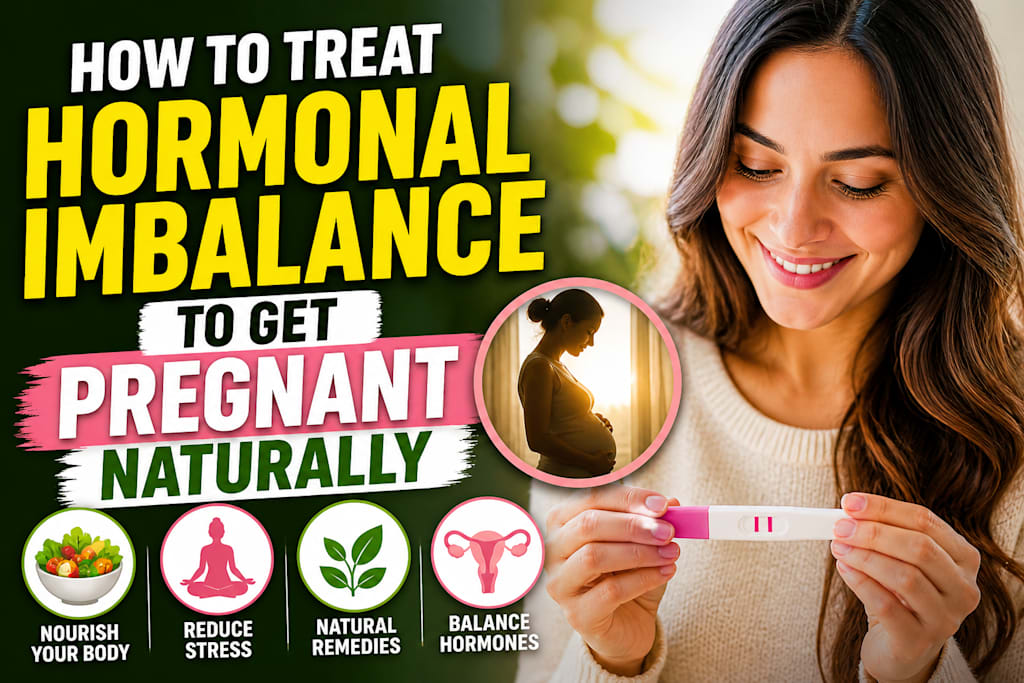
Hormonal imbalance is a common concern for women over 40, often linked to the natural transition into perimenopause and menopause. During this stage, levels of estrogen, progesterone, and other key hormones fluctuate, leading to symptoms such as weight gain, fatigue, mood swings, sleep disturbances, and reduced fertility. While conventional treatments like hormone replacement therapy (HRT) are available, many women are increasingly turning to holistic methods to restore balance in a more natural and sustainable way.
Holistic approaches focus on treating the body as a whole rather than addressing isolated symptoms. This means considering lifestyle, nutrition, emotional well-being, and environmental factors that influence hormonal health. One of the biggest benefits of holistic methods is that they aim to address the root causes of imbalance rather than just masking symptoms.
Nutrition plays a central role in hormonal balance. As women age, the body becomes more sensitive to blood sugar fluctuations and inflammation. A diet rich in whole foods—such as vegetables, fruits, lean proteins, healthy fats, and whole grains—can support hormone production and regulation. Foods like leafy greens, flaxseeds, avocados, and fatty fish are particularly beneficial because they contain nutrients that support estrogen metabolism and reduce inflammation. Avoiding processed foods, refined sugars, and excessive caffeine can also help stabilize hormones and improve energy levels.
Another key component of holistic hormone health is regular physical activity. Exercise helps regulate insulin levels, reduce stress hormones like cortisol, and support overall endocrine function. For women over 40, a combination of strength training, low-impact cardio, and flexibility exercises such as yoga or Pilates can be especially effective. Strength training helps maintain muscle mass and metabolism, while gentle practices like yoga promote relaxation and reduce stress, which is crucial for hormonal balance.
Stress management is one of the most overlooked yet critical factors in hormone health. Chronic stress leads to elevated cortisol levels, which can disrupt other hormones, including estrogen and progesterone. Holistic methods emphasize techniques such as meditation, deep breathing, journaling, and mindfulness to calm the nervous system. Even simple daily habits like spending time in nature, reducing screen time, and prioritizing rest can make a significant difference.
Sleep is another essential pillar. Hormonal changes can often interfere with sleep quality, creating a cycle that worsens imbalance. Holistic approaches encourage establishing a consistent sleep routine, limiting exposure to blue light before bedtime, and creating a calm sleep environment. Herbal teas, magnesium supplements, and relaxation techniques can also support better sleep naturally.
Herbal remedies and natural supplements are commonly used in holistic hormone care. Plants such as maca root, ashwagandha, chasteberry (vitex), and black cohosh have been traditionally used to support hormonal balance and ease menopausal symptoms. These natural remedies can help regulate cycles, reduce hot flashes, improve mood, and boost energy levels. However, it’s important to use them under proper guidance to ensure safety and effectiveness.
Detoxification is another benefit of holistic methods. Over time, the body can accumulate toxins from food, environment, and personal care products, which may interfere with hormone function. Supporting the liver—responsible for processing hormones—through hydration, nutrient-rich foods, and reduced exposure to harmful chemicals can significantly improve hormonal health. Choosing natural skincare products and minimizing plastic use are small but impactful steps.
Emotional and mental health also play a vital role. Women over 40 often experience significant life transitions, including career changes, family responsibilities, and aging concerns. Holistic approaches recognize the connection between emotional well-being and physical health. Practices like therapy, coaching, or support groups can help process emotions, reduce anxiety, and create a sense of balance and empowerment.
One of the greatest advantages of holistic methods is their long-term sustainability. Instead of relying on quick fixes, they encourage gradual lifestyle changes that promote overall health and vitality. Women often report not only improved hormonal balance but also better digestion, clearer skin, enhanced mood, and increased energy.
Additionally, holistic approaches are highly personalized. Every woman’s body is different, and what works for one may not work for another. By tuning into the body’s signals and working with natural rhythms, women can create a tailored plan that meets their unique needs. This sense of control and awareness can be incredibly empowering, especially during a time of life that can feel uncertain.
In conclusion, holistic methods offer a comprehensive and natural way to treat hormonal imbalance in women over 40. By focusing on nutrition, exercise, stress management, sleep, natural remedies, and emotional health, these approaches address the root causes of imbalance and promote overall well-being. While results may take time, the benefits are long-lasting and extend far beyond hormonal health, helping women feel more balanced, energized, and in control of their bodies as they age.
About the Creator
TheHonest Publishing
The Honest Publishing delivers fresh, reliable updates on the latest news, sharing insightful stories, trends, and news that keep readers informed and ahead.
Enjoyed the story? Support the Creator.
Subscribe for free to receive all their stories in your feed.
Comments
There are no comments for this story
Be the first to respond and start the conversation.