
Anyone actually gotten salon-quality hair systems from online suppliers?
Are Online Hair Systems Salon-Quality? 2026 Sourcing Guide

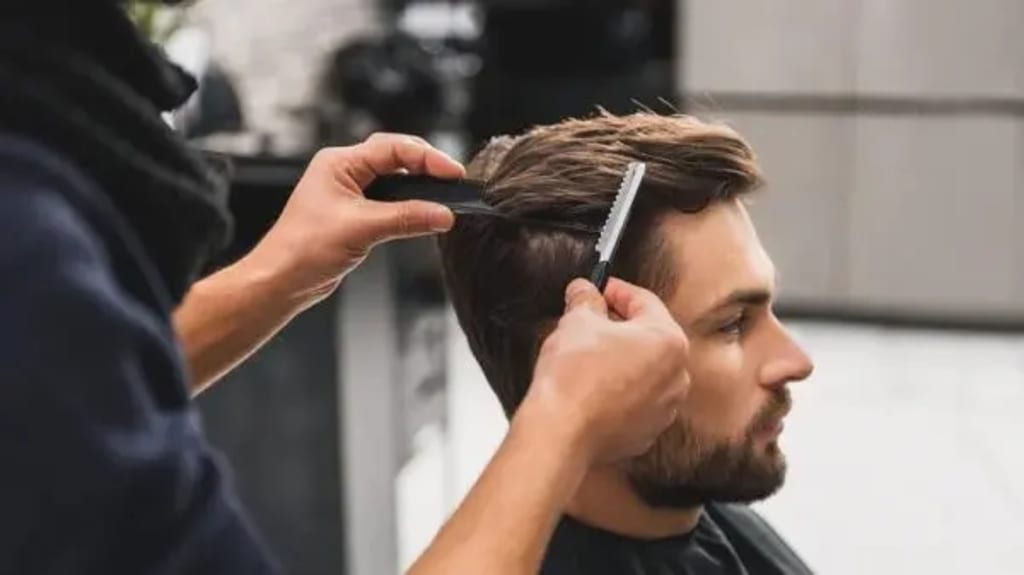
Anyone actually gotten salon-quality hair systems from online suppliers?
Hair systems from online suppliers can easily match—and even beat—traditional salon sourcing. You just need to know what to look for. Today, quality isn't really about where you buy. It's about checking the construction, making sure the product is consistent, and understanding the supplier's process.
Here's how to source smarter and protect your margins, so you can deliver reliable results your clients will actually trust.
Key Takeaways
Quality depends on construction consistency and supplier transparency not purchase channel.
Direct sourcing cuts unit costs by 20 to 40 percent.
Choose cuticle retained Remy hair to reduce tangling.
Verify suppliers using time stamped photos of actual inventory.
Match base size and contour precisely to prevent lift.
Are Online Hair Systems Actually Salon-Quality?
Yes. Online units can totally hit salon-grade standards if you get them from established Non-surgical Hair Replacement manufacturers.
These days, quality has less to do with where you buy it and more about supplier control, consistency, and being transparent. A lot of factory-direct providers, like Bono Hair, put out the exact same finish that salons expect. Plus, they usually have tighter production oversight and fewer markups.
Sourcing Direct: Busting the Myth of Exclusive Salon Quality
Sourcing directly often gives you the exact same Natural-looking results that salons advertise. A ton of factories make Human Hair Wigs for online sellers and traditional distributors at the same time. They use the exact same production lines and quality checks.
The idea that only salon-supplied units are top-tier comes from old buying habits, not how things are actually made today. When you work directly with a trusted supplier, you get a much clearer look at consistency, order accuracy, and batch reliability. Those are the real factors that define a professional-grade outcome.
Decoding the Middleman Myth: Where Local Distributors Really Get Their Hair
Most local distributors don't actually make anything. They buy from the exact same Manufacturers supplying the big online platforms. Toupees for Men sitting in a salon usually pass through one or two middlemen before they ever reach your hands.
Every single step adds a markup, but not necessarily better quality. Buying closer to the source just gives you much better control over your inventory and pricing strategy. That kind of clarity lets you judge factory units on what they're actually worth, rather than getting blinded by layers of fancy branding. Simple.
The 4 Technical Pillars of Salon-Grade Hair Systems
Salon-grade Hair Systems are defined by how they're built, not where they're sold. You'll see the difference in hair quality, hairline realism, base design, and knotting methods.
Nail these four, and you can offer consistent results with Transparent Prices while keeping rework and client complaints to a bare minimum. Simple.
Hair Grade: Cuticle-Retained 100% Remy Human Hair vs. Processed Fiber
Cuticle-retained 100% Remy human hair keeps strands aligned in a single direction. This cuts down on tangling and maintains a smooth feel over time. Plus, that alignment helps color stay stable after multiple washes. So, your Human Hair Wigs keep a Natural-looking finish instead of fading out unevenly.
On the flip side, processed fiber or mixed hair usually has stripped or reversed cuticles. That creates friction. You'll notice this as dryness, faster knotting, and color shift after just 6–10 washes. For your business, that translates to more maintenance visits and worse client retention.
Frontline Realism: Bleached Knots and V-Looping Knotless Tech
An undetectable hairline really just comes down to how the hair gets secured at the front edge. Bleached knots lighten the base of each strand so those dark dots don't show through the lace. That's absolutely critical for Toupees for Men with exposed hairlines.
V-looping skips visible knots entirely by injecting hair straight into ultra-thin skin bases. This creates a much softer, more natural transition right at the front. Hair Pieces / Toppers using this method photograph way better and need a lot less styling to hide the edge.
Base Craftsmanship: French Lace Denier and 0.03mm Ultra-Thin Poly Skin
French lace denier controls both airflow and durability. A finer weave boosts breathability, helping clients who wear systems 10–14 hours a day, while still holding its shape through daily styling.
Meanwhile, 0.03mm poly skin focuses purely on adhesion and invisibility. Thinner skin bonds closer to the scalp, improving hold and cutting down on edge lift during 2–4 week wear cycles. Make no mistake, strong base choices in Non-surgical Hair Replacement directly impact how often clients come back for refits.
Ventilation and Density: Single Split Knots vs. Double Knotting
Knot type should always match the specific zone of the base. Single split knots create softer movement and a much lower profile. That makes them perfect for front hairlines where visibility is at its highest.
But double knots add serious durability in high-stress areas like the crown and sides, where friction and styling pressure hit the hardest. Manufacturers that balance these techniques well end up producing Hair Pieces / Toppers that last a lot longer without sacrificing an ounce of realism. Many buyers miss this tiny detail when comparing specs online, leading to poor purchasing decisions.
How to Avoid Costly Pitfalls When Buying Hair Systems Online
Sourcing online can drop your unit price by 20–40%. But picking the wrong supplier completely wipes out those savings because you end up dealing with remakes, delays, and lost clients.
The main risk is pretty obvious: what you see isn't always what actually ships out. If you carefully check images, platforms, and specs, you keep your spending on track and your rework rate low.
Identifying Bait-and-Switch Stock Photos vs. Authentic Factory Inventory
Perfect-looking stock photos usually come from old catalogs, not actual current batches. Inconsistent backgrounds or weird reverse-image search results are major red flags. Just ask for time-stamped photos or short videos. Have them show the actual inventory on hand with a handwritten order ID.
Actual factories can show you several angles of the exact same unit. Think front hairline, knots, base edge, and the underside—all on one piece. If the pictures suddenly switch lighting, mannequins, or hair density between shots, you're probably looking at mixed sources. And that almost always leads to mismatched deliveries.
Is It Safe to Buy Hair Systems from Alibaba or AliExpress?
It can work, but it's not a straightforward yes or no. Open marketplaces pool together thousands of sellers. Because of this, quality control is all over the place, and product pages rarely reflect consistent batches.
Dedicated B2B suppliers—like Bono Hair—usually handle their own production, paperwork, and communication. That means clearer specs, more reliable lead times, and way fewer bad surprises. Marketplaces are fine for checking average prices. But if you want consistent results for your salon, having a direct relationship with a supplier cuts down on expensive mistakes.
Overlooking Base Size, Contour Curves, and Custom Density Parameters
When a piece doesn't fit, it's usually because of the base size or contour, not the hair quality itself. Even a tiny 0.5-inch mismatch at the temple or crown causes lifting, bad adhesion, and visible edges after just 7–10 days of wear.
Getting the density wrong brings up another issue. Heavy fronts look super obvious, while a thin crown shows off the base under bright lights. Make sure to lock in your exact measurements, template contours, and zone-based density before you ever place the order. Then, double-check everything against the supplier's production sheet. That's the best way to avoid rework.
How to Find a Reliable and High-Quality Hairpiece Supplier
A dependable supplier keeps your remake rate low and client results consistent. The main rule here is pretty straightforward: verify factory control, test real samples, and nail down clear after-sales terms before scaling up your orders.
Evaluating Direct OEM/ODM Manufacturing Capabilities
Real manufacturers actually control production, while resellers just broker the orders. Ask for factory videos showing ventilation, knotting, and base cutting in a single continuous clip. You should also request a time-stamped unit showing your order ID. Consistent backgrounds and seeing the exact same piece from different angles usually mean the work is happening in-house.
Check if they support OEM/ODM tweaks on density zones, base materials, and hair direction without causing massive delays. Actual factories normally quote technical specs clearly and maintain batch consistency. Resellers, on the other hand, tend to give vague answers and shift specs between orders.
The Sample Kit Protocol: Pull, Fade, and Soak Testing
Always grab a sample kit before committing to a bulk deal. Do a controlled pull test on a tiny section to check for shedding. Then wash and dry the unit twice to see how the hair holds up under standard salon handling.
Expose a piece to light and run it through a few mild shampoo cycles to watch for color fade or tone shifts. A natural-looking unit will keep its color and texture stable even after repeated washes. Finally, compare what you actually get against their quoted specs and prices. This confirms you aren't paying for a higher grade than what was delivered.
Return Warranties and Quality Guarantee Policies
Solid policies protect your cash flow when a batch misses the mark. Demand written terms covering acceptable variances for density, color, and base size. You also need clear remake timelines and rules on exactly who covers shipping for verified defects.
Look for specific claim windows. This usually means reporting issues within 7–14 days of getting the product, along with documented standards for photo or video proof. Vague terms lead to expensive mistakes with online suppliers, especially when you're sitting on inventory for upcoming client fittings.
The Salon ROI Blueprint: Sourcing Online to Maximize Profit Margins
Sourcing directly online drops your unit price and gives you much tighter control over your margins. It answers a common question: how do you get premium hair systems without paying luxury markups? Simple. Buy closer to the factory, then charge for your actual skill. This model shifts your profit away from basic product resale and puts it right into billable service time.
Cost Comparison: Traditional Distributor Markup vs. Direct Wholesale Pricing
Traditional distributor channels usually tack on 30% to 70% in luxury markups right on top of the factory price. A hair unit that costs $200 at the factory can easily jump to $260–$340 as it passes through different wholesale middlemen. And that's before your salon even adds its own margin.
Buying direct gives you transparent prices and cuts out those extra layers. If you pick up that same unit for around $200 and keep your retail price the same, you claw back $60–$140 on every single piece. Over 50 units a month, that's $3,000–$7,000 in extra gross margin.
The Hybrid Revenue Model: Sourcing Savings + Professional Cut-In Fees
Keep your product pricing competitive and make your real money on the service. For non-surgical hair replacement, salons usually charge between $120 and $300 for a cut-in, fitting, and blend. It really just depends on the complexity and how much time the client spends in your chair.
The hair systems just become the entry point, while your hands-on expertise drives the real profit. Lower unit costs mean you can easily bundle the installation, first wash, and styling without eating into your margins. This setup also helps stabilize your income across reorders. Why? Because clients keep coming back to you for maintenance, not just that first initial purchase.
Unboxing to Chair: Preparing Direct Factory Systems for Salon Clients
Factory-direct hair systems aren't chair-ready straight out of the box. If you want a natural-looking result, you need a fast, consistent prep routine. This protects the hair and sets up a clean baseline for styling Hair Pieces / Toppers.
Start by giving it a gentle rinse in lukewarm water. Then, wash it once with a sulfate-free shampoo to get rid of any factory residue. Follow up with a light conditioner, but make sure to avoid the base. Let it air-dry on a mannequin head. After that, check the density, hairline shape, and parting before you do any cut-in. This 15 to 20-minute prep cuts down your styling time. Plus, it helps you get predictable results for every client.
What Is Included in a Hair System Starter Pack for Beginners?
A good Starter Pack needs to cover the actual installation, maintenance, and fast turnarounds between your clients. For salons and resellers, the whole point is offering a reliable service with very little extra cost. Simple.
You'll usually find core units featuring mixed base types and hair densities, along with color rings and different adhesive options like tape rolls and liquid glue. Expect remover, scalp prep, and basic tools like scissors, clips, and a mannequin head, too. Plus, the best bundles throw in aftercare items—think sulfate-free shampoo, conditioner, and a leave-in treatment. That protects the hair and cuts down on annoying fixes after every single appointment.
Custom vs. Stock Hair Replacement Systems: Sourcing Strategy for Salons
Most salons need both stock and custom Hair Systems to stay profitable and quick on their feet. Stock units handle the fast volume, while custom orders tackle specific client needs. Finding the right mix cuts down wait times without tying up your cash in slow-moving inventory. This is especially true when you work with flexible manufacturers and online suppliers.
Fast-Turnaround Stock Toupees for Men
Stock Toupees for Men are your best bet when the booking calendar is packed and clients want same-day or next-day installs. Pre-made units from online suppliers let you match common base sizes, hair densities, and colors without any delays. That keeps chairs filled and revenue steady. Simple as that.
Plus, they lower your risk. You can test out new styles or colors in small batches instead of committing to huge custom runs. A lot of salons just keep 5-10 fast-moving SKUs on hand. Then they reorder weekly from partners like Bono Hair to keep things available without ending up with too much stock.
Custom Hair Systems for Unique Scalp Bases and Grey Ratios
You'll need Custom Human Hair Wigs when a client's scalp shape, hairline, or grey percentage falls outside the usual ranges. Non-surgical Hair Replacement often calls for exact lace contours or a very specific 30% or 50% grey blend. Stock units just don't match those well.
These custom orders definitely take longer, but they cut way down on refits and remakes. That saves you labor hours and protects your salon's reputation. Expect a higher upfront price per unit. Still, you get better long-term cost control because you're doing fewer adjustments and replacements.
How Much Does a High Quality Hair System Cost at Wholesale?
Factory prices for salon-grade hair systems are lower than most people expect, but they aren't rock-bottom. A realistic wholesale range sits between $60 and $180 per unit. This depends on the base material, hair origin, density, and how much customization you need. Standard lace bases land near the lower end, while injected skin or full custom pieces cost more.
Transparent pricing matters here because luxury markups happen after the factory stage, not during it. Suppliers like Bono Hair keep their prices consistent. That helps you forecast your spending and reorder without any surprises.
What Are the Best Men's Hair Piece Manufacturers for 2026?
The top men's hair piece manufacturers for 2026 bring together steady pricing, reliable quality, and quick reorder times. If you're a B2B buyer, the true test is how they perform at scale, rather than just showing off a good sample. You want factories that keep defect rates low during bulk runs and offer clear lead times under 3–5 weeks. Simple.
Solid partners like Bono Hair also help out with private labeling, flexible MOQs, and fast communication. Those details lower your stock risk. Plus, they let you take care of clients without dealing with delays or remakes.
Why Buy Hair Systems Online vs. at a Local Salon?
Online suppliers usually win on unit cost, variety, and how fast you can reorder. For most B2B buyers, that means better margins and fewer gaps across your product line.
So why actually buy hair systems online instead of heading to a local salon? Web suppliers usually list hundreds of base designs, colors, and densities all in one place, while local vendors just don't carry that much inventory. You get to compare specs side by side, hash out bulk pricing, and place repeat orders 24/7. That kind of control lets you grow without trapping your cash in stock that isn't moving.
Mitigating Quality Risks Through Direct Factory OEM Relationships
Direct factory OEM relationships cut down on variation in hair systems because you actually control how they're made, not just what you order. The biggest perk is consistency across batches. That protects your service quality and drives repeat sales.
Working directly with manufacturers lets you lock in key specs like base material, density, and ventilation methods, then verify everything through samples and reorders. Plus, you get much faster feedback on any defects or needed tweaks. This level of hands-on control is exactly what you need when picking long-term manufacturing partners.
Scale Your Hair Replacement Salon with Direct Manufacturing from Bono Hair
Getting your stock directly from Bono Hair gives your salon much tighter control over both quality and profit margins. You get salon-grade hair systems built to strict production standards, so every single reorder easily matches what your clients expect. That level of consistency cuts down on annoying refits. It also protects your reputation.
Teaming up with the manufacturer right at the factory level drops your cost per unit, plus it opens the door to OEM options. You're able to tweak the base types, hair density, and specific design details to perfectly match your unique service model instead of just settling for a generic catalog. Simple.
Frequently Asked Questions About Sourcing Hair Systems Online
How can salon owners verify if an online hair system supplier is reliable?
Yes. Ask for time-stamped photos of the SAME unit—front, knots, base, underside. If lighting or mannequins change, walk away. Real factories show consistency. Bonus: clear 7–14 day claim policy.
Are expensive hair systems actually better than budget options?
No. Price gets inflated 30–70% by middlemen. A $200 factory unit becomes $340 fast. What matters? Cuticle-retained Remy hair and build quality. Cheap junk exists, but expensive doesn't guarantee anything.
Which hair system base material provides the most natural hairline for salon clients?
0.03mm poly skin. It melts into the scalp. Thinner = less edge lift, cleaner hairline, solid hold for 2–4 weeks. Lace breathes better, sure—but poly wins for pure invisibility.
About the Creator
Leo
Passionate men's hairstylist with a keen eye for detail and a knack for creating on-trend looks. Dedicated to delivering hair restoration education that enhances individual style.
Enjoyed the story? Support the Creator.
Subscribe for free to receive all their stories in your feed.
Comments
There are no comments for this story
Be the first to respond and start the conversation.