
Ulmus Parvifolia
Chinese Elm


It sounds dignified, Ulmus parvifolia,
much more so than Chinese elm,
Wikipedia will tell you its other aka,
lacebark elm, which is somewhere
(in between)
the scientific, specific and the utilitarian,
common prosaic monikers.
It’s all the same (or is it?) tree,
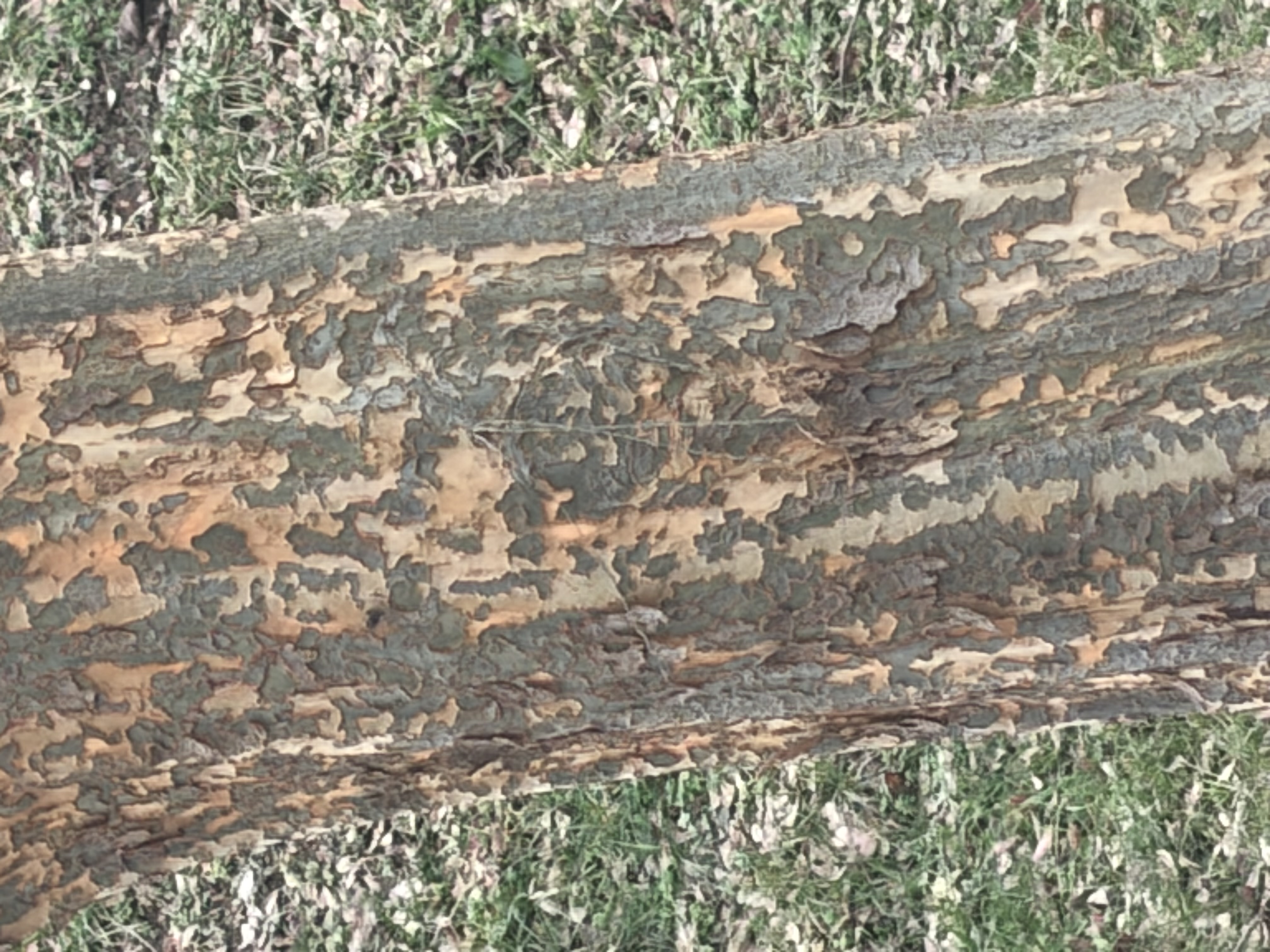
the one with exfoliating bark,
like a river birch or sycamore.
“The apetalous, wind-pollinated, perfect flowers are produced in early autumn, small and inconspicuous” (Wikipedia.org).
Perfect. Apetalous. inconspicuous.
Am I to understand that the perfect flower has no petals and draws no attention?
This changes things.
Also, the lacebark elm has that specific scientific specificity (parvifolia) perfunctorily:
the bark exfoliates.
Those beautiful gradations
of ochre, moss, copper, amber, and khaki are the result of the bark peeling away from the tree.
Chinese elms shed their outer layers, not like snakes or cicadas,
No, not in one continuous slink out of skin—more like a child with a sunburn,
peeling away this part here, that part there,
exposing the fresh, raw skin beneath,
glowing like a ruby that knows better.
🌳🌳🌳
Reference (sorry, no APA or MLA formatting):
https://en.wikipedia.org/wiki/Ulmus_parvifolia
About the Creator
Harper Lewis
Intrusive rhyme bothers me, except as a weapon.
Intertextuality is my passion.
Formalist/ New Critical are my guiding theories.
My words are mine, not a robot’s.
MA English literature, CofC
Enjoyed the story? Support the Creator.
Subscribe for free to receive all their stories in your feed. You could also become a paid subscriber, letting them know you appreciate their work.
Comments
There are no comments for this story
Be the first to respond and start the conversation.