
Resurgence, or, Little White Nosed Brown Bat
A sky ku for toddler-me’s favorite animal


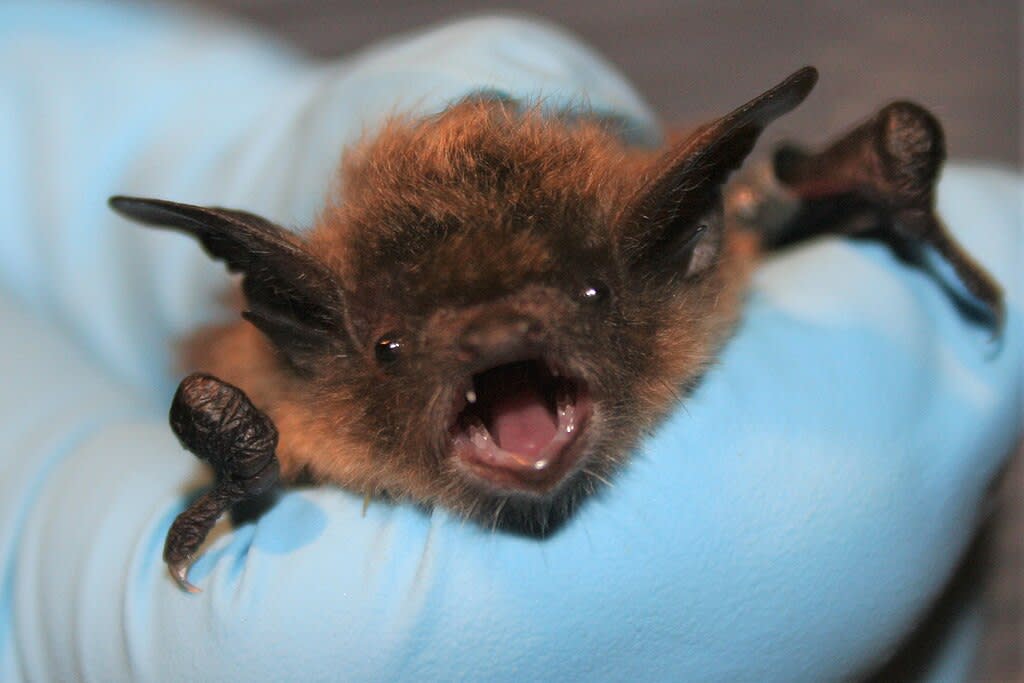
I used to see you.
Little Bats, slicing the sky.
Will you come back? Please?
***
Authors note:
When I was a toddler bats were my favorite animal. I remember watching my dad taking me to look at the sky before dusk on summer nights, and him pointing out the bats.
They were fun to watch, swooping and cutting through the air overhead.
If you sat by a pond or an open field at that hour they’d come out in droves, and swoop low enough that you’d think you could reach out and touch them.
I remembered asking my dad if we had to leave once it got dark, because the bats wouldn’t be able to see us and they might crash into our heads. He explained echolocation to me, and said they could navigate in the dark just as well as the light.
I remember them so vividly. They looked like little battle axe silhouettes, darting around and hunting swarms of bugs.
For my entire childhood they were plentiful. I’d see them almost daily, even in the suburbs.
But now they’re a rare sight. In fact, they’re endangered.
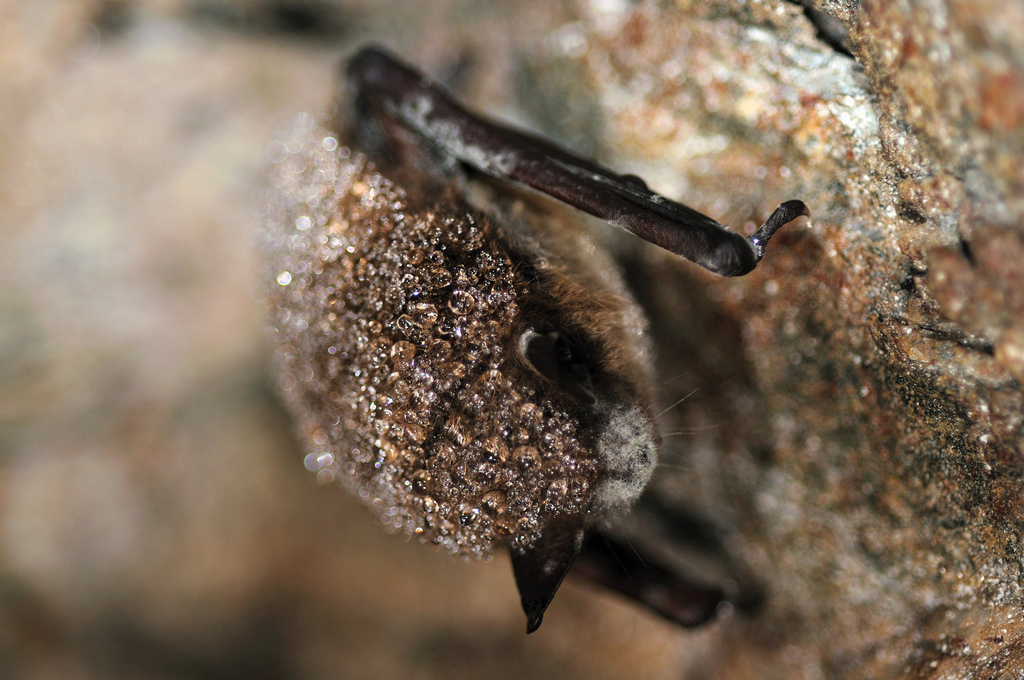
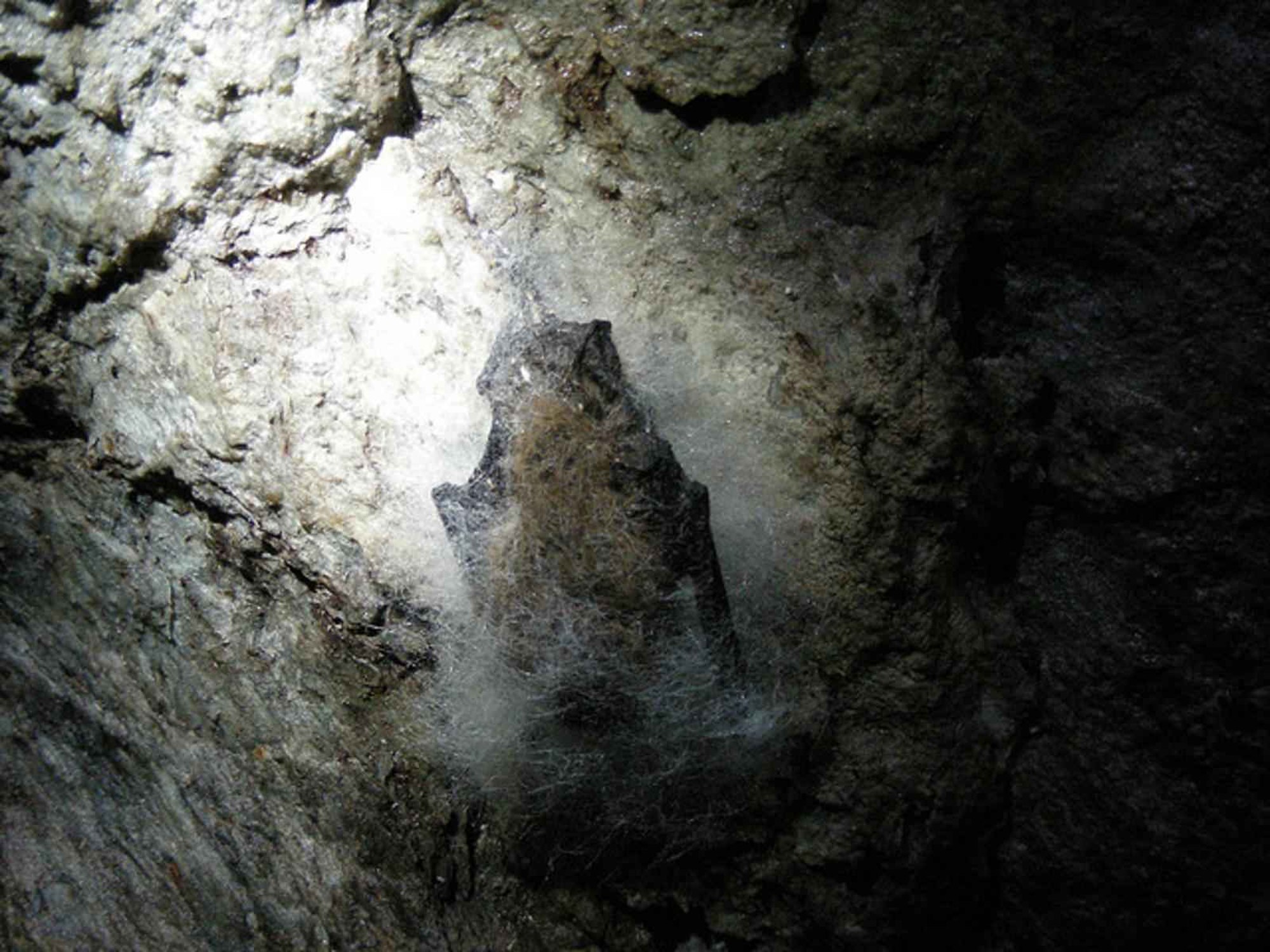
In 2006-2007 a disease called “white nosed syndrome” Started showing up in bats in New York, and it ended up being a plague.
The infection is caused by a fungus called P. Destructans, which was carried to the US from Europe, most likely by human activity, perhaps tourists or cavers, who carried spores on their gear.
How ever it arrived, once it was near it spread like wildfire.
Bats died in the millions. Colonies were decimated, most losing over 90% of their populations.
The disease is caused by a fungus which grows on the bat’s body, especially the face and wings. While it’s not thought to be directly fatal it causes irritation which disrupts the bat’s hibernation. The individual wakes too often and burns necessary fat stores, then goes out in winter months to forage and dies from exposure— or wastes away from starvation.
I remember first hearing about white nose fungus in 2009, when I was in college. I was talking with a friend of mine, a Franciscan Friar who’s big into conservation and ecology. We were standing outside of a small chapel in the woods, right around sunset, and we were watching bats come out of their roost under the eaves of that building.
He’d said the bats we were watching probably wouldn’t survive the winter.
He always seemed a realist, with an honest grasp on reality…. not really prone to pessimism.
But it was hard to believe him.
And not only because I didn’t want to.
At that point, bats still seemed like a permanent fixture of live in upstate NY.
It was tough to even wrap my head around something so ubiquitous simply disappearing.
By the time I had kids of my own several years later, the bats were gone.
I actually built a bathhouse out of spare cedar shingles, when my first son was born. I was thinking it would be good to create some habitat for them, then I could give my son the same happy memory that I had bat-watching with my father.
Never had any luck getting any to move in.
They were not quite extinct then, but they seemed to be teetering.
So elusive and rare that to see them at all is a sad rush of excitement and mourning all wrapped up in one— a special moment that might only be available to us for a little while longer.
Almost like you’ve been given a cheating glimpse at the last of the dinosaurs. A lingering relic that your kids’ kids will only hear about in the past tense.
Now I work nights in a public park, that’s mostly wetland. Ample habitat and ecological support for bats.
I’m the guy who locks the buildings and gates at dusk, walking around at the exact time of the day where bats should be most visible.
I’ve been working there for several years. where once, not so long ago, you’d expect to see more bats than you could count just about every evening, I’ve only seen 4 bats, in 3 years.
***
This happens to be the last day of bat week.
I think it’s important to talk about bats, and their conservation. Bats matter to me, but because… well, they’re cool.
They’re clever, they’re social, they’re goth af.
But they should matter to all of us. Bats help kill bugs, in frankly massive proportion to their own weight.
When they kill a mosquito, not only is directly resisting the risk of that particular biter acting as a vector for disease to one of us, it’s also just really, really satisfying to think about— in terms of like karmic balance. Because, honestly, fuck mosquitos.
But bats help us on more weighs than that.
A healthy bat population supports healthy agriculture by trimming the numbers of moths and other bugs that target the crops we humans try to raise.
Not only do bats fill an ecological purpose, it’s an ecological purpose that literally keeps food on our tables.
It doesn’t seem like there’s much we can do to stop the fungus that causes white nosed syndrome in bats— it’s here to stay.
But there is some good news in all of this, a glimmer of hope:
Some monitored colonies of little brown bat in Vermont and New York are actually seeing a small, slow resurgence!
Numbers are nowhere near what they used to be, or what conservationists would most like to see… but the idea that their numbers are slowly building is a comfort— especially after being cut so drastically and pushed almost to the brink!
The fungus that causes WNS is here to stay, but it’s possible that little brown bats at least are starting to show signs of resistance. Individuals that survive infection and show a genetic strength towards tolerance of the disease may pass these traits into their young, and in time, more resilient breeding populations may spread back across the bats’ natural habitat.
Bats breed slow, one pup per carrying mother per birth cycle. But barring natural deaths, they have a pretty long lifespan (~30 years).
Here’s to hoping North American bats can successfully adapt and rebound and make a robust comeback.
https://www.whitenosesyndrome.org
About the Creator
Sam Spinelli
Trying to make real art the best I can, never Ai!
Help me write better! Critical feedback is welcome :)
reddit.com/u/tasteofhemlock
instagram.com/samspinelli29/
Enjoyed the story? Support the Creator.
Subscribe for free to receive all their stories in your feed. You could also become a paid subscriber, letting them know you appreciate their work.
Comments
There are no comments for this story
Be the first to respond and start the conversation.