
Men's hair growth and loss solutions
Good Quality Hairpiece

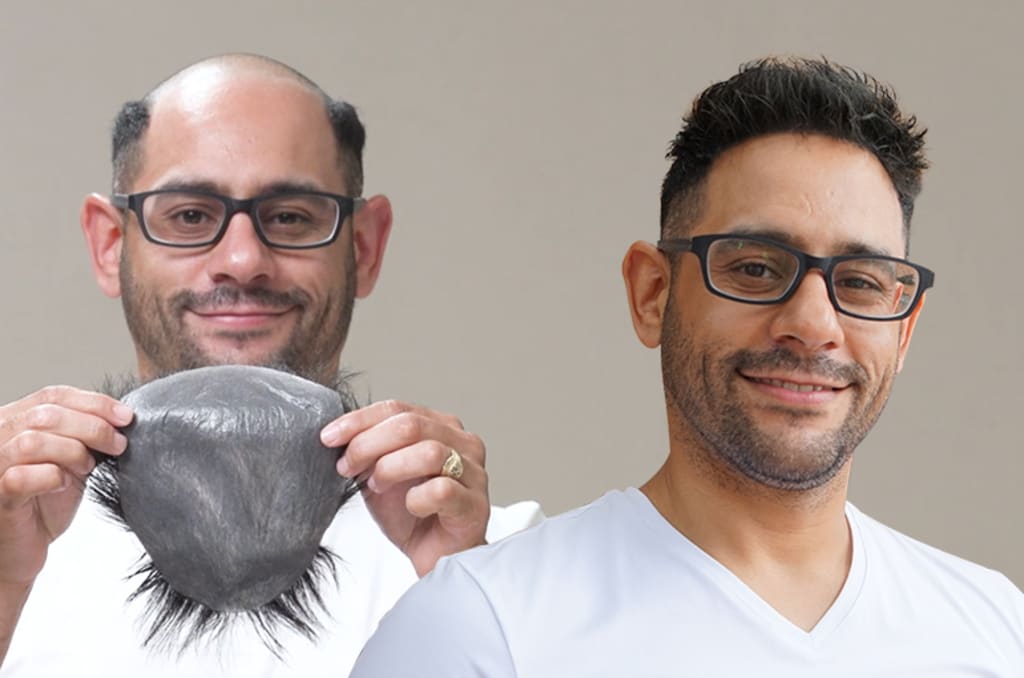
Men's hair growth and loss solutions
Men's hair growth and loss solutions work best when you act early. Androgenetic Alopecia usually starts out as gradual thinning, but it can shake your confidence long before the hair loss gets obvious.
Figuring out your specific pattern of loss helps you weigh realistic options. That way, you can pick the exact support that fits your goals.
Key Takeaways
Early action preserves more options and reduces pressure to rush decisions.
Standardized photos every three months reveal patterns better than daily mirror checks.
A dermatologist can confirm the cause before you choose treatment.
Medication results depend on consistent long-term use.
Hair systems provide immediate coverage with regular cleaning, refitting, and replacement.
Understanding the Emotional Impact and Window of Opportunity
Anxiety about losing your hair often kicks in while the thinning is still barely noticeable. Daily mirror checks, stressing over photos, and worrying about how other people see you can drag down your confidence long before the change becomes obvious. It's tough.
Taking action early buys you more time to look into practical options, from getting professional advice to trying a Lordhair system. Finding the right support for your lifestyle gives you a real confidence boost, and you won't have to rush into a choice.
Self-Assessment: Identifying Your Hair Loss Severity Stage
Take a few clear pictures using the exact same lighting. Make sure to get the front, temples, crown, and your part line. If you're just starting to thin, you'll probably notice your hairline creeping back or tiny, weak hairs popping up around the temples. Moderate loss? That means you can easily see your scalp through the hair on top. Advanced loss leaves bigger bare patches or a totally visible gap at the crown.
Check these pictures against each other every three months instead of stressing over a single bad hair day. Knowing your specific pattern and overall thickness helps you figure out the next move. You might just keep an eye on it, talk to a pro, or look into fuller coverage options. Having a solid baseline simply takes the guesswork out of picking a treatment and keeps things way less stressful.
Stage-Based Action Plan: Matching Solutions to Hair Loss Severity
Hair restoration works best when it actually matches the amount and pattern of loss you're seeing right now. Early male pattern baldness might respond well to care focused on prevention. But larger bare spots? They usually need medical treatments, a transplant consult, or simply better coverage.
Picking a realistic path also takes the pressure off trying every single option at once. That's a huge relief.
Early-Stage Thinning: Focus on Scalp Health and Prevention
When you first notice thinning, it's time to track the changes and protect the hair you've still got left. Take comparison photos every three months. Use a gentle, thickening shampoo to make things look fuller, and stay away from tight styles or harsh heat that just stress out fragile strands.
Scalp health is a big deal. Buildup, irritation, and ignored dandruff can easily make your hair look flat and thin. A good dermatologist can tell you if you're dealing with male pattern baldness or something else entirely. From there, they'll walk you through the right prevention or growth treatments.
Moderate Hair Loss: Combining Medical and Topical Interventions
Moderate loss usually pops up as a thinning crown, a wider part, or a receding hairline that gets tough to hide. A doctor might suggest pairing a topical solution with medical treatments. Why? Because these methods can help support your hairs during their growth phase (anagen) and slow down further shrinking.
Results take time. So, gauge your progress with photos instead of obsessing over the mirror every morning. Getting blood flowing with a gentle scalp massage feels relaxing, but don't let it replace evidence-based care. If your hair density doesn't improve enough, trying out a fuller styling option can easily boost your confidence while the treatments do their thing.
Advanced Balding: Evaluating Surgical and Non-Surgical Replacement
Advanced balding usually demands a plan focused on coverage. At this stage, there just might not be enough hair left to get a full look from topical care alone. Talking to a clinic about a hair transplant can clear up whether you have enough donor hair. Keep in mind, though, surgery isn't a guaranteed permanent fix for every type of loss.
Non-surgical hair replacement for men gives you full coverage without needing to rely on donor hair. Lordhair hair systems are a great option to look into when you're comparing coverage, base comfort, looks, and how much upkeep you can actually handle. The right pick needs to fit your everyday lifestyle and help you feel completely comfortable in your own skin.
Tier 1 Clinical Medications: Minoxidil and Finasteride
FDA-approved Minoxidil and finasteride are the go-to medication options for male pattern hair loss. They do different things. Minoxidil pushes visible regrowth, while finasteride protects your follicles from further loss.
Both need steady use and realistic expectations. A dermatologist can tell you if either treatment fits your specific hair-loss pattern and health history.
Topical Minoxidil: Stimulation and Growth Timelines
Topical Minoxidil helps your follicles stay in the active growth stage longer. This can make thinning spots look denser over time. It's usually sold as a liquid or an unscented foam for easy daily use.
You might hit a shedding phase during the first few weeks. Older hairs fall out as the follicles shift into a new cycle. Because of this, your scalp might actually look thinner before things get better.
Most people need a few months of consistent use before judging the results. If you stop using Minoxidil, the hair supported by the treatment will probably shed again. So, ongoing use really matters.
Oral Finasteride: Hormonal Blocking and Maintenance Dynamics
Finasteride (sold as Propecia) is an oral DHT blocker approved for male pattern hair loss. It lowers the hormone that slowly shrinks susceptible follicles—especially around your crown and hairline.
Keeping the follicles you still have is the main goal here. Finasteride might also improve your hair density, but its biggest perk is slowing down future thinning before you lose more hair.
Results usually build slowly over a few months, and you'll need to keep taking it to maintain them. Make sure to talk about possible side effects and your medical history with a doctor before starting Finasteride.
Tier 2 Advanced In-Office and High-Tech Therapies
Laser hair loss treatment and PRP are clinical therapies that can help thinning follicles without the need for a daily pill. They don't replace a proper diagnosis, and your results will totally depend on what's causing the hair loss.
If you're looking into these options, the main difference is pretty straightforward. Light therapy is noninvasive, while PRP involves scalp injections. Simple as that.
Low-Level Laser Therapy for Cellular Stimulation
Low-level laser therapy exposes your scalp to low-intensity light, aiming to boost activity in weakened follicles. You can get laser hair loss treatments done in a clinic or just use at-home devices like caps, bands, or combs.
At-home laser gadgets let you skip the clinic visits, but you still have to use them regularly and follow the instructions closely. Light therapy is painless for most people. But here's the thing: it won't bring back dead follicles that can't grow hair anymore. A dermatologist can help you figure out if this fits your specific thinning pattern.
Platelet-Rich Plasma Injections for Follicle Support
PRP treatment actually starts with a small sample of your own blood. A clinician concentrates the platelets, then injects that platelet-rich mixture right into your scalp near the thinning spots to help support your hair follicles.
Since PRP is an in-office procedure, it takes up more of your time and costs more overall compared to a home device. It can make hair look thicker for the right candidates, but everyone responds a bit differently. Just make sure to ask a qualified professional about how many sessions you'll need, any pain involved, and if your specific type of hair loss is actually likely to react well.
Tier 3 Surgical Hair Restoration Options
People usually look into hair transplant surgery once their hair loss stops changing and a doctor confirms they have plenty of healthy donor hair.
This type of surgery simply moves hair follicles from a thicker part of your scalp right to the thinning spots. That's why your personal expectations, your available donor hair, and the actual root cause of your hair loss are a big deal before picking a procedure.
Follicular Unit Extraction versus Follicular Unit Transplantation
FUE (Follicular Unit Extraction) pulls out hair follicles one at a time from the donor zone. It leaves behind a bunch of tiny dot scars but skips the long line scar, making it a solid choice for guys who keep their hair short. Recovery often feels faster since there's no major strip incision. Still, you'll have to deal with some soreness and scabbing while it heals.
On the flip side, FUT (Follicular Unit Transplantation) takes a narrow strip of skin from the scalp and splits it into individual grafts. It does leave a single linear scar and might mean a longer recovery time. But FUT really comes in handy if a surgeon needs a massive amount of grafts. Whether you're a good fit just depends on your donor density, how flexible your scalp is, and your specific hair loss pattern.
Tier 4 Non-Surgical Hair Replacement Systems
A non-surgical hair replacement for men covers thinning areas the very day it's fitted. Instead of trying to grow new follicles, a modern men's hairpiece uses attached hair to create instant density, so men can change their look without surgery or prescription treatments.
But the trade-off is the ongoing care. You have to fit the system securely, keep it clean, and replace it once everyday wear starts affecting its look or hold. The upfront price is just one piece of your long-term spend. Lordhair offers plenty of hair-system options, but fit, base type, hair color, and your daily routine should really guide the choice. When looking across all four tiers, speed, cost, and maintenance are the most practical comparison points to keep in mind.
Treatment Matrix: Comparing Cost, Effort, Speed, and Reversibility
Hair loss solutions mainly differ in how fast you see results and what you'll keep paying over time. As this comparison shows, hair restoration costs a lot more than just the upfront price tag. Things like daily medication, planning for surgery, or maintaining a hair system will eventually dictate your total spend.
How fast you get results matters just as much, especially when thinning hair hits your confidence. A Lordhair hair system gives you visible coverage right after it's fitted. But treatments meant to boost growth, along with surgical options, usually take a lot longer to kick in.
TreatmentSpeedEffortReversibilityMedicationGradualRegularGenerally reversibleSurgeryGradualHighLowHair systemImmediateOngoingHigh
The Maintenance Reality: Long-Term Commitments Across Solutions
Keeping your new hair looking great takes real effort long after you first make a choice. Meds and other non-surgical fixes usually demand a strict routine and regular cash out of your pocket, mainly because the results just fade away if you stop.
Surgery hits you with a massive upfront cost, but you'll still have to deal with doctor visits and a lot of recovery time. A Lordhair hair system lets you skip the operating table entirely. Even so, taking care of it means you'll need to clean, refit, and eventually replace the unit over time. Just pick an upkeep plan that actually fits your schedule, wallet, and confidence goals.
Managing Side Effects and Scalp Health Concerns
Topical treatments can sometimes irritate your scalp. Oral or systemic meds, on the other hand, might affect your whole body. The safest bet is keeping an eye out for new symptoms early on. Just follow the label or your doctor's directions, and get medical advice instead of trying to push through the discomfort.
You might notice some scalp irritation when using topical minoxidil. If you start seeing build-up, take a second look at how much product you're applying and how often you wash your hair. But if you run into persistent redness, swelling, dizziness, chest issues, or weird changes after taking a systemic treatment, stop. You need to get advice from a doctor or pharmacist right away. Don't wait.
Supportive Scalp Care and Nutritional Habits
Good daily habits go a long way for your scalp while you're getting hair-loss treatment or wearing a hair system. Just make sure to keep things clean and wash out any styling buildup. And whatever you do, try not to scratch those irritated spots. A light scalp massage is great for relaxing, but definitely stop if it starts hurting.
Only use hair serums exactly how the label says. That's crucial if your scalp gets sensitive easily. Plus, don't forget to eat regular meals packed with protein, iron-rich foods, fruits, and veggies to help out your overall hair growth.
Combining Hair Restoration Approaches Safely
Mixing different treatments can definitely help you reach your hair goals. But first, have a doctor check that each method actually fits your health history and won't cause bad reactions when used together. The safest route usually involves pairing one medical option—if it's right for you—with non-surgical support. Think gentle scalp care or a hair system for instant coverage and a quick confidence boost.
A Lordhair hair system gives your look an immediate upgrade while you wait for medical treatments to kick in. Still, it doesn't replace real professional advice. Make sure to tell your doctor about every single medication, serum, supplement, and scalp product you use before mixing them up. Simple as that.
How Lordhair Systems Deliver Instant Non-Surgical Results
Lordhair custom hair replacement covers thinning spots the very same day. You get a natural-looking hairline right away, and you don't need any surgery to do it.
This setup gives guys a custom look for work, hitting the gym, or just hanging out. Plus, it lets you figure out your long-term hair loss options with total confidence.
Key Features of Modern Custom Hair Replacement Systems
Today's hairpieces for men are built around a base that perfectly balances breathability, toughness, and a tight fit against your scalp. A breathable lace base lets air flow right through the system. It also creates a highly realistic hairline, as long as the color, hair density, and placement match you perfectly.
Customizing your system is just as big of a deal as picking the base. Before you order, make sure to match the hair color, texture, wave, density, base size, and attachment style to your normal daily routine. Do you sweat a lot or play hard sports? You'll want to look into the wear and cleaning requirements before making a final call. Lordhair offers great custom hair replacement options, so take a good look at your choices before buying.
Decision-Making Roadmap: Choosing the Right Path for You
Picking a hair loss solution begins with a hard limit. You'll need to figure out what you can spend right now and what kind of ongoing upkeep you can actually handle. Your plan has to fit your daily routine, your comfort zone, and how fast you want to see results. Simple as that.
Write down your main goals, weigh the medical routes against non-surgical setups, and then talk to a pro to see what makes sense for you. But if getting instant coverage is your top priority, look into how a Lordhair custom system fits and what the maintenance involves before making your next move.
Frequently Asked Questions About Men's Hair Loss Solutions
Can hair loss be reversed naturally?
Usually no. Natural habits can support scalp health, but they do not reliably reverse androgenetic alopecia. See a dermatologist early; preserving existing hair is the real win.
What are the side effects of topical hair growth solutions?
Minoxidil can cause scalp itching, dryness, flaking, or irritation. Some users get an early shedding phase. Stop and seek medical advice for chest pain, dizziness, or a racing heartbeat.
How much do professional hair restoration treatments cost?
There's no single price. PRP and laser treatment require repeat sessions; transplants cost more upfront. Hair systems give immediate coverage but need cleaning, refitting, and replacement.
About the Creator
Leo
Passionate men's hairstylist with a keen eye for detail and a knack for creating on-trend looks. Dedicated to delivering hair restoration education that enhances individual style.
Enjoyed the story? Support the Creator.
Subscribe for free to receive all their stories in your feed.
Comments
There are no comments for this story
Be the first to respond and start the conversation.