
16 vs 18 inch hair extensions
16-inch Vs 18-inch Hair Extensions: Which One to Choose

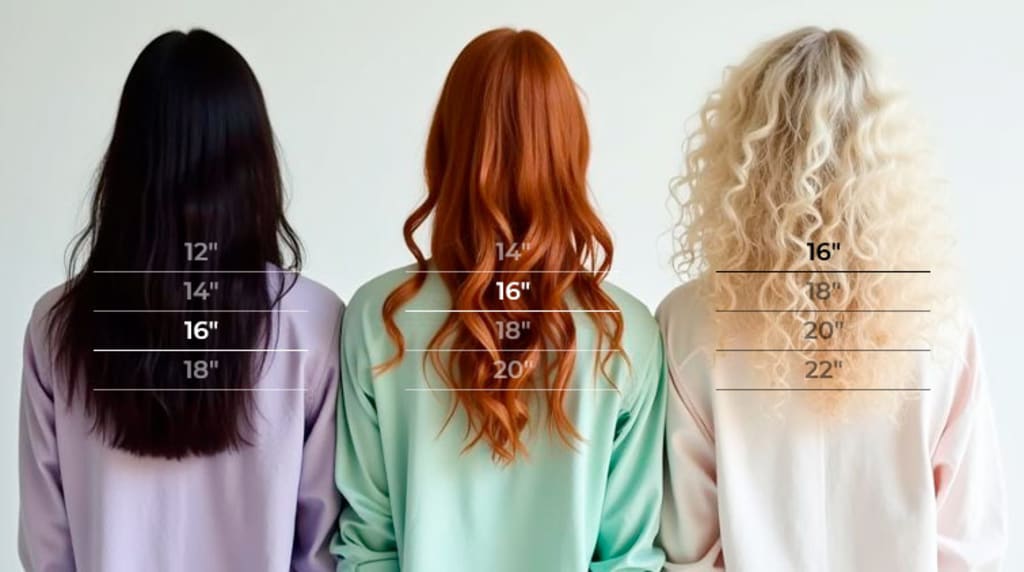
Choosing between 16-inch hair extensions and 18-inch hair extensions is often the biggest hurdle for first-time buyers. It really comes down to how practical they feel day to day and the exact look you’re going for. That basic sense of length naturally leads into the key visual differences that set these two popular options apart.
Key Takeaways
- Factor your height:** 16-inch extensions suit average frames, but those over 5'7" need 18 inches for a mid-bust look.
- Account for shrinkage:** Size up by at least two inches if you wear your hair wavy or curly.
- Match your routine:** Choose 16 inches for low-maintenance, active lifestyles, or 18 inches for complex styling and events.
- Buy longer to trim:** Purchasing an 18-inch set and trimming it creates thicker, blunt ends for a seamless blend.
- Prevent matting:** Secure shorter extensions in a low ponytail or longer ones in a tight braid during workouts and sleep.
The Two-Inch Rule: Defining the Visual Gap
Two inches sounds small, but it can completely change your look. A 16-inch hair extension usually falls right around your collarbone. It gives you natural, everyday volume that feels easy to manage, especially if you're just starting out. Add two more inches, and that 16-inch vs 18-inch question starts to matter. An 18-inch extension drops closer to your mid-bust. That shift moves you from a safe medium length into true long-hair territory, making the overall length look much more dramatic. Understanding the actual length is step one, but your height plays a big role in how that length really shows up on your body.
How 16 vs 18 Inches Looks on Your Height
Your height is basically the real measuring tape here. A standard 18-inch extension can look totally different on someone who is 5'2" versus someone who is 5'10".
On petite frames, a 16-inch extension often goes past the chest. It gives you that long-hair look without taking over a smaller torso. Going up to 18 inches on a shorter frame can easily bring the hair down to the waist, which might feel like too much if it's your first time.
Taller people deal with the opposite. On a longer torso, 16 inches might just hit the collarbone. If you're over 5'7", you’ll usually need 18 inches just to get that mid-bust length. This simple height-to-length tradeoff shapes how everything looks in the end. But height isn’t the only factor—hair texture can shift these visual markers even more.
The Texture Factor: Straight vs. Curly Shrinkage
Straight hair shows its full length right away. Curls don’t. Shrinkage pulls the hair upward, changing where the extensions actually fall.
Take wavy hair. A 16-inch wavy extension can lose an inch or two in visible length straight out of the box. Go tighter with curls, and that same 16-inch piece can end up looking like a short bob.
If you're aiming for a mid-bust look with curly hair, you’ll need to size up. An 18-inch extension might only reach your shoulders once the curls bounce up. Always go at least two inches longer if you wear your hair textured. Now that the look is clear, the next thing is how it fits into your daily life.
Lifestyle Personas: Which Length Matches Your Routine?
Your schedule really shapes your hair. A busy mom or a corporate professional needs something very different from an athlete training five days a week. First-time buyers often forget that extra hair means extra brushing, washing, and drying time. You need a realistic fit for your lifestyle, not just an ideal look. If your mornings are packed, low-maintenance daily wear is critical. For people with an active routine, the choice quickly comes down to comfort and sweat control. That’s where shorter extensions come out ahead.
The "Wash & Go" Minimalist: Why 16 Inches Wins
Shorter hair just takes less effort. If you prefer air-drying or only have ten minutes to get ready, 16 inches is your best bet. This easy length blends right into your natural hair without feeling heavy. It gives a natural boost instead of an obvious, dramatic change.
First-time buyers love this length for everyday wear. You can quickly throw it up in a gym clip or run a brush through it between meetings. It rarely tangles during a tough workout. You get the volume you want without the high-maintenance routine of much longer extensions.
But speed isn’t everyone’s priority. Some routines call for more styling. If you want a more glam or camera-ready look, you’ll need a couple more inches.
The Content Creator & Event Goer: The 18-Inch Advantage
Cameras flatten everything. If your routine includes photoshoots, weddings, or social media, 16 inches can look too short on screen. You need 18 inches. It hits that “Goldilocks” zone. Long enough for a glam look, but not so heavy that it weighs you down.
Those extra two inches add a lot of styling options. You finally have enough hair for thick curls, detailed braids, or a full Hollywood wave. Heat styling can shrink the length. Starting with 18 inches makes sure you still get a dramatic look even after curling the ends.
Going longer does mean a bit more time in the morning. But the visual payoff is real. Our premium 18-inch extensions are made to hold these complex styles while keeping the hair secure and vibrant.
Choosing Bono Hair: Quality Extensions for Every Lifestyle
Finding your ideal length doesn’t mean much if the hair quality gives out after a month. Bono hair makes both their beginner-friendly 16-inch and glam 18-inch sets strictly from premium Remy human hair. But what actually makes this raw material so important for your day-to-day routine?
Why Bono Hair’s Premium Remy Quality Matters for Daily Wear
Active routines need extensions that can handle sweat and friction. With cuticles aligned and strands flowing the same way, you get a much lower risk of tangling during workouts. Simple.
This natural alignment seriously extends how long your investment lasts. Once you pick a brand, you’ll need to choose the application method that fits how you move every day.
Maintenance Reality Check: Time and Effort Comparison
Let’s get real about the hidden math of wearing extensions. Adding two to four inches of length can seriously change your daily routine. That extra hair means your 10-minute blow-dry might jump to 25 minutes. Detangling takes patience, especially when you’re blending your natural hair with longer pieces. Proper hair extension maintenance also means rethinking what’s in your bathroom cabinet. You’ll need sulfate-free products to keep the bonds intact and solid heat protection to stop the ends from drying out. Those extra minutes styling every morning add up fast. And this routine matters even more if you’re hitting the gym often.
The Gym & Sleep Factor: Preventing Matting and Tangles
If you’re active, you’ll need to put in a bit more effort to keep your extensions looking fresh. When you work out with extensions, sweat and friction team up and can cause serious matting at the roots. If you’re wearing a 16-inch set, a simple low ponytail usually keeps everything in place during a high-intensity workout. But with 18-inch sets, a tight braid is the safer move to keep those longer strands from whipping around and tangling.
Your nighttime routine matters just as much. Don’t go to bed with wet hair. Instead, gently brush through the lengths with a loop brush to detangle safely before sleep. Tie it up with a loose silk scrunchie, and use a silk pillowcase to reduce friction overnight.
Keeping your ends smooth and knot-free isn’t just about getting through a workout. It’s what makes your hair look clean and put-together for a strict professional setting the next morning.
The "Effective Length" Strategy: Why Buying 18" to Trim to 17" is Smart
Even high-quality extensions get a bit thinner at the very ends. If you’re aiming for a blunt, full look for work, buying exactly 16 inches can leave the tips looking slightly sparse. The trick is to go a little longer than you actually need.
Getting an 18-inch set and trimming it down to 17 or 16 inches gives you full density all the way to the ends. That quick trim makes the blend with your natural hair look much more seamless. Your stylist can also add custom face-framing layers using that extra length without messing up your overall shape.
Buying more length just to cut it off might feel a bit backwards at first. But it’s a simple move that helps you get the most out of your original investment.
Professional Contexts: Corporate vs. Creative Environments
Your workplace vibe usually sets the tone for your ideal length. A 16-inch set gives off a clean, professional look. It sits just past the collarbone, adding a subtle touch that still feels completely office-appropriate in more conservative corporate settings. It’s also very easy for first-time buyers to handle during long meetings.
Creative, trend-driven fields give you a lot more freedom to experiment. Moving up to an 18-inch set brings the visual impact down to your mid-back. That stronger silhouette fits right in at a modern design agency or fashion studio.
Both lengths can boost your day-to-day confidence at work. Next, we look at the cost-to-value ratio of these two popular options.
The Value Assessment: Is the 18-Inch Upgrade Worth It?
Those extra two inches can completely change your silhouette. But you do pay for that visual impact. The price gap between 16 and 18 inches usually comes down to how rare longer, high-quality strands are.
This is especially true when you're investing in premium materials like virgin Slavic hair. The longer the hair, the tougher it is to source. And that naturally pushes up the initial price.
For a first-time buyer, getting good value means balancing your budget with the kind of dramatic look you're after. So, let’s break down how to handle those specific price points in a smart way.
Comparing Bono Hair Price Points for 16" and 18" Options
Finding the right balance starts with a clear buying guide. Bono Hair offers both lengths, but the 16-inch option is still the most affordable starting point for beginners. It gives you instant volume without the added cost that comes with longer strands.
Move up to 18 inches, and you’ll notice the price jump right away. You're paying for that mid-back length. If you buy wholesale hair extensions, the gap gets a bit smaller. Buying in bulk makes the longer option easier to afford.
Beginners usually find the 16-inch more budget-friendly and easier to maintain. Still, the 18-inch gives you a more noticeable transformation if you’ve got the budget for it. Now it’s just about matching that investment to your everyday lifestyle.
Frequently Asked Questions About 16 vs 18 Inch Extensions
What is the visual difference between 16 and 18 inch hair?
Collarbone versus mid-bust. Two inches changes everything. 16 inches sits safely around your shoulders for everyday volume. 18 drops lower into true long-hair territory. Tall girls over 5'7" need the 18 just to hit mid-bust.
Does 16-inch curly hair look like a bob?
No. But it shrinks. A 16-inch curly set bounces up to look like a 14-inch straight set. It sits past your shoulders, not at your chin. Always size up at least two inches if you wear tight curls.
Which length is better for fine hair: 16 or 18 inches?
16 inches. Shorter tracks weigh less and save fragile roots from tension. Pro trick: buy an 18-inch set and chop two inches off. Trimming creates blunt, thick ends that blend seamlessly into thin natural hair.
What are the best hair extensions for an active lifestyle?
16 inches. Shorter hair means less tangling when you sweat. Easy to throw into a low ponytail at the gym and forget about it. 18 inches requires tight braiding to survive a heavy workout without matting.
Is 18-inch hair too heavy for daily wear?
No. Most scalps adapt in a week. It carries more weight than 16 inches, but it is not unbearable. Just secure it in a tight braid when sleeping to prevent heavy matting and root tension.
About the Creator
Leo
Passionate men's hairstylist with a keen eye for detail and a knack for creating on-trend looks. Dedicated to delivering hair restoration education that enhances individual style.
Enjoyed the story? Support the Creator.
Subscribe for free to receive all their stories in your feed.
Comments
There are no comments for this story
Be the first to respond and start the conversation.