wild animals
Animals the way nature intended it; explore the world of wild animals and the controversies surrounding domestication and hunting of feral beasts.
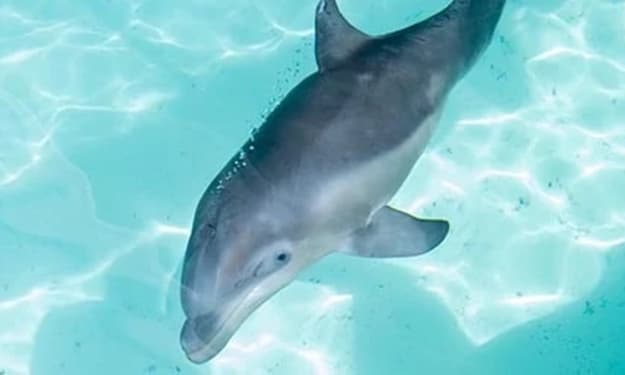
New Year, New SeaWorld Presentation, New Rescue Story
Recently, SeaWorld has been offering some brand new experiences where guests can learn more about the animals who live in the parks from the lenses of those who care for them year-round. For example, animal encounters let you meet penguins, walruses, belugas, and dolphins. Meanwhile, up-close tours allow guests to take part in mini-meetings, which are private training sessions with killer whales.
By Jenna Deedy4 years ago in Petlife
10 foods that can be harmful or potentially deadly for dogs:
Dogs have different digestive systems than humans and may not be able to properly metabolize certain foods that are safe for humans to eat. Here are 10 foods that can be harmful or potentially deadly for dogs, along with more detailed information on the potential dangers and symptoms:
By Bethel Nwabuike4 years ago in Petlife
10 CRAZY REASONS YOU SHOULDN'T KEEP A PET MONKEY
Assuming that you or a companion are contemplating buying any sort of primate (gorilla, monkey, lemur, marmoset, and so on) as a pet, we trust that you will think about the accompanying reasons that primates of any sort make horrible pets and decide not to add to the primate pet exchange. 1. Monkeys are torn from their mom's arms as infants (at only a couple of days old) to be offered to people as pets. Not exclusively is this incredibly horrible for the child, yet in addition to the mother who will be reared over and over, just to face a similar outcome for every pregnancy. 2. Primates are costly to buy and really focus on. They have unmistakable eating regimen, improvement, and lodging needs that are costly and will occupy a large portion of your time. Numerous hostage primates foster diabetes, which is likewise troublesome and exorbitant to treat, on the off chance that you might find a veterinarian who will treat a monkey. 3. As children they are delightful and sweet, yet when they hit adolescence (around age 3) their attitude will totally change. They will become eccentric, forceful, unmanageable, and risky, frequently gnawing and scratching even their most preferred parental figure. No measure of preparing will tame a wild creature or hold them back from stating their strength. Monkeys can live to be 20-40 years of age, which is quite a while to really focus on a forceful, gnawing creature. 4. They will obliterate your home and make it smell! Tossing dung and pee, "crap painting" on the walls, and peeing wherever are ordinary monkey ways of behaving in a human home. You might believe that diapers are the response, however regardless of whether a monkey would consent to wear one, they frequently cause excruciating bruises and rashes, and they limit the tail muscles from growing ordinarily making actual harm the primate. (Life at the safe-haven permits these creatures the opportunity to communicate these species explicit ways of behaving, without compelling them into troublesome, involved circumstances. We can take care of, clean, and enhance all primate regions without direct contact with any primate) 5. Ordered progression! Primates normally need to be the one in control in a gathering, or possibly be second in order. This implies that for the most part a primate will bond with one individual who they believe is in control, and afterward see every other person as the foe. They will go after people with horrendous nibbles and scratches to keep up with their status in the gathering. This implies eventually you will be abandoned with your monkey, cut off from typical social connections with your loved ones, and incapable to appreciate time away from your home or to take family excursions. 6. Monkeys can convey parasites and zoonotic infections that are hazardous to people. They might appear to be in wonderful wellbeing, yet when they definitely nibble or scratch you, you might wind up with an assortment of medical problems passed to you from your monkey that were lethargic in the monkey's framework. 7. Primates are social creatures who should be around their own thoughtful to grow typically, both mentally and inwardly. People are not a viable replacement for a genuine monkey mother's consideration. Regardless of how enthusiastically you attempt to give them a decent life, you will in any case make mental harm your dearest monkey. That is all. 8. Primate proprietorship is unlawful in many states. You might have the option to purchase a monkey in one state then, at that point, attempt to bring it into your state just to find that you have disregarded a state guideline and should relinquish your monkey and pay a heavy fine. Actually take a look at your state's guidelines on outlandish pet possession. 9. Buying a monkey fills the colorful pet exchange. It urges primate raisers to proceed with the endless loop, and poachers to keep on killing grown-up primates so they can take their children to sell. Try not to add to this miserable, oppressive organic market pattern. 10. You might think a safe-haven is your backup plan in the event that your monkey gets forceful, but space is very restricted and there isn't necessarily room or assets accessible for your primate to be taken in. Numerous primate pets wind up residing in a little enclosure with no real way to securely spotless or improve them since pet people can't get safe-haven situation for their pets and they fear being harmed.
By Nathaniel Godwin4 years ago in Petlife
Whales are Creatures of Mystery
The ocean is full of life. It's estimated that there are over one million species in the oceans and we still have not discovered them all. Some of these creatures are huge, such as whales and sharks, while some are small enough to fit in your hand or even your pocket! You may have seen pictures of whales before but do you know what they really look like up close? It's true that many species inhabit all seven continents but some prefer cold regions while others prefer warmer climes. Whales differ in size and shape depending on their species so it makes sense that each group has its own unique characteristics as well.
By Courtanae Heslop4 years ago in Petlife