
Fiona Deserved Better: Why Protecting Zoo Animals Means Protecting the Zoos That Care for Them
Fiona the hippo's tragic death should be a catalyst for improved habitat protection, more responsible zoo visiting, and genuine legal protection of the work of responsible zoos. Not another excuse to write off the work of responsible zoos.

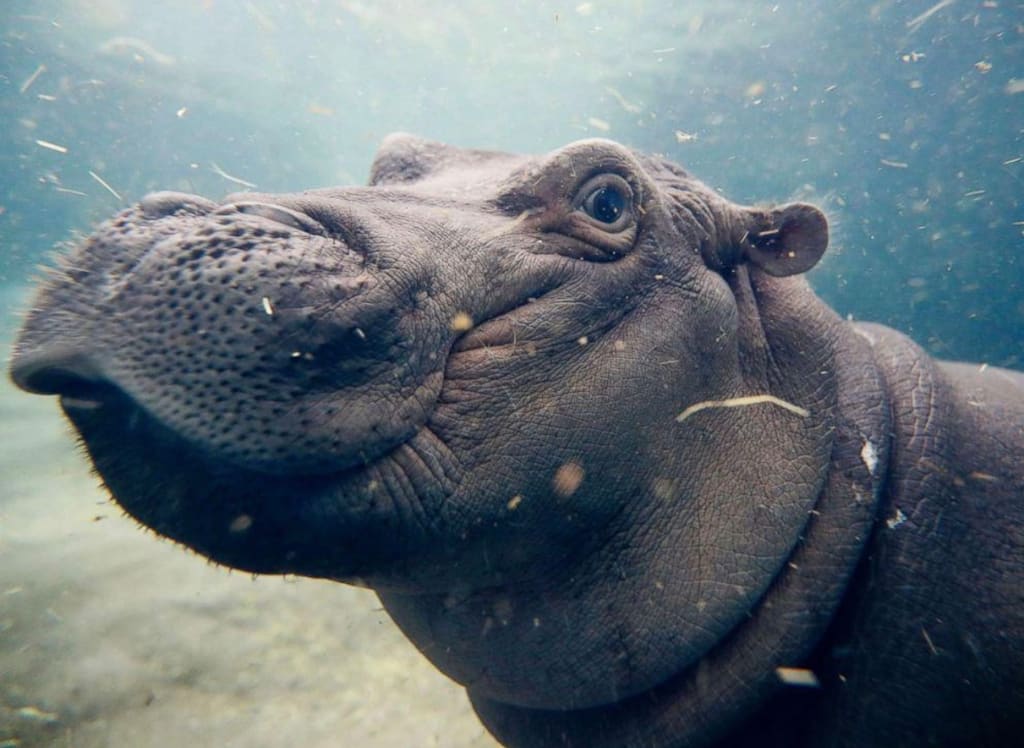
The loss of a deeply cherished animal can be an intensely emotional experience. When such a loss results from preventable circumstances, we should examine how improvements can be made to prevent similar situations in the future.
Fiona the Hippopotamus was more than an animal at the Cincinnati Zoo & Botanical Garden; she was also recognised around the world as a symbol of strength and of the zookeepers’ unwavering dedication to saving her life.
Born prematurely in January 2017, Fiona quickly won the affection of people across the globe. Fiona demonstrated the specialist knowledge and commitment necessary to care for and rehabilitate animals. She subsequently became an influential figure, helping people connect with nature and appreciate its value.
Regrettably, her death on 19th November 2026 was profoundly distressing for exactly this reason.
Fiona ingested a knitted hat that a member of the public had thrown into the air. A ceiling fan that had been switched on drew the hat into Fiona’s enclosure, allowing it to enter through a gap in the ceiling above the viewing area.
Staff began monitoring Fiona closely at once and made every effort to help her expel the hat. Sadly, the hat became lodged deep within Fiona’s narrow bowel, beyond the reach of endoscopes. Because of the associated risks, surgery was not a viable option either. Despite every effort made to save her, Fiona could not be saved.
I extend my deepest condolences to Fiona’s keepers, the medical team, the Cincinnati Zoo staff, and her fans around the world. The death of an animal is exceptionally hard to cope with, especially for those who have devoted so much time and emotional energy to its daily care.
Fiona’s death should prompt further action. We should assess how enclosures can be made more secure to protect animals from foreign objects, while also considering how this tragic event can be used to bring about meaningful improvements in animal welfare.
These conversations are critically important.
When Foreign Objects Become Life-Threatening Hazards
Foreign objects are a frequent cause of premature animal deaths. Fiona was not a unique example in this regard.
People Magazine has reported additional tragic cases, including Anton, a polar bear housed at a zoo in Stuttgart, Germany. Leif, a rare sitatunga antelope that lived at Brights Zoo in Tennessee.
In 2014, Anton consumed a coat and a handbag that had made their way into his enclosure. Tragically, he died as a result, demonstrating how rapidly inanimate objects can pose a serious threat to animals. Because animals are naturally curious, they may investigate and even consume these objects.
Similarly, in 2024, seven-year-old Leif suffocated after ingesting the plastic lid of a reusable applesauce pouch.
It is therefore evident that inanimate objects can be extremely harmful to animals.
Everyday items, including plastic film, clothing, food, bins, and toys, can cause severe illness through intestinal obstruction, suffocation, or physical injury. Since animals cannot understand that foreign objects in their enclosures may be hazardous, humans alone are responsible for ensuring that their surroundings are safe and free from danger.
Everyone has a responsibility to help prevent such incidents. Visitors should observe enclosure boundaries and comply with zoo guidelines. At the same time, zoos should conduct regular enclosure inspections, identify potential hazards, and implement appropriate measures to reduce them.
Although Fiona’s death was determined to be accidental, unexpected incidents often expose weaknesses. While an unforeseen event does not necessarily indicate that anyone was responsible or that every potential risk could have been predicted, examining such incidents and introducing appropriate safety measures allows zoos to protect animals more effectively in the future.
Accordingly, prevention is of paramount importance.
Why Responsible Zoos and Aquariums Matter to Wildlife Conservation
Recently, considerable debate has focused on whether animals should be held in captivity at all.
While some animal welfare organisations argue that zoos and aquaria should be completely or substantially phased out, others support reforming these institutions so that they improve their practices and manage their animals more effectively.
These issues are highly significant, and the perspectives of different organisations should not be dismissed simply because they disagree about animal welfare.
At the same time, it is essential to acknowledge the positive contribution that well-managed zoos and aquariums can make to conservation worldwide.
Although it would be wrong to regard all outside organizations as equivalent to well-managed zoos and aquariums, the two types of institutions differ considerably in their objectives, activities, funding, research and conservation efforts.
Many well-managed zoos and aquariums participate in cooperative breeding programs while also carrying out field conservation, habitat enhancement, animal rescue and educational work. They additionally generate funds to support conservation initiatives.
The advantages provided by these institutions are not merely theoretical.
Managed breeding programmes and reintroductions have played an important role in preventing species from becoming extinct. For instance, California condors, black-footed ferrets and Arabian oryx have all benefited substantially from controlled breeding and collaborative efforts.
Research conducted in zoos has also expanded our understanding of animal health, reproduction, behaviour, diet and genetics. Furthermore, the data regularly gathered by well-managed facilities on the animals in their care can be highly valuable for managing wild animal populations.
The educational value of zoos and aquariums must also be recognised.
For many families, visiting a zoo or aquarium is the first opportunity to engage with animals other than those they have encountered in books or seen on television. Such experiences often inspire people to develop a lasting interest in animals. This may subsequently encourage them to become future conservationists while also helping them understand the serious challenges facing the natural environment.
Consequently, a well-governed zoo should be regarded not only as an entertainment venue but also as an institution with research, educational and conservation responsibilities.
Although facilities vary in quality and animal welfare practices must certainly continue to be scrutinised, this article does not support the blanket claim that all zoos are harmful or that closing them would necessarily help wildlife. Instead, zoos and aquariums should be evaluated through reliable evidence, transparency, high welfare standards, proven conservation outcomes, and effective governance.
Georgia’s House Bill 1196: A Legislative Opportunity We Should Revisit
Before Fiona’s death, the Georgia government had already considered and drafted strong legislation concerning the protection of animals held in captivity.
In February 2025, state legislators introduced House Bill 1196, intended to safeguard animals in displays against criminal trespass and the placement of hazardous materials inside them.
The proposed legislation would have criminalized the following conduct:
Entering an animal display or placing an item inside it without authorization.
Acting in a manner that harmed or endangered animals.
The bill established three distinct levels of offense.
Level 1: Unauthorized entry into, or placement of an item in, an animal display, followed by harassment of an animal that is subsequently injured or killed. This offense would have been classified as a felony, carrying a prison sentence of between 1 and 10 years.
Level 2: Unauthorized entry into an animal display or placement of an item inside it. This offense would have been classified as a misdemeanor, punishable by up to 1 year in prison.
Level 3: Intentionally disrupting or damaging the operation, security, or condition of an animal display. This offense would have been classified as a misdemeanor, carrying a sentence of up to 12 months in prison.
In addition, the legislation would have allowed civil claims seeking compensation for animals injured or killed. It also would have protected individuals who worked with, for, or on behalf of the animals concerned.
HB 1196 was especially significant because it received bipartisan support.
The Georgia House of Representatives and the Georgia Senate both backed the legislation. The House approved it unanimously, by a vote of 167-0. The vote included 74 Democratic and 93 Republican representatives.
Although the legislation had substantial support, differences between the Georgia state government’s two Houses could not be resolved before the deadline. The bill therefore failed to become law.
Given the legislation’s extensive support, it is regrettable that these important proposals were ultimately not enacted.
HB 1196 showed that people affiliated with different political parties can unite to support stronger animal protection standards for displays.
Accordingly, although the bill has since lapsed, these significant issues merit continued examination.
Updates regarding HB 1196’s progress are available on the Georgia General Assembly website.
Fiona’s Law: The Wild Animal Enclosure Protection Act
The objective is to reinforce laws governing the treatment of animals in zoos, aquariums, wildlife parks, and comparable organisations.
Instead of allowing distressing incidents such as Fiona’s passing to fade quickly into ‘history’, we should use them as catalysts for enduring change.
In my view, Fiona’s Law should address several distinct areas.
Level 1: Legislation concerning the unauthorised introduction of items.
The unauthorised introduction or throwing of dangerous items should incur appropriate legal penalties.
The penalties should reflect factors such as whether the conduct was intentional and whether the individual knew of, or deliberately disregarded, the relevant safety requirements. Consideration should also be given to whether an animal was injured or killed.
The law should distinguish between deliberate and accidental conduct and apply appropriate levels of criminal liability in each case.
Level 2: Preventing unauthorised access.
Although animal enclosures are not intended for visitor access, people entering restricted areas can pose a serious risk to animals, visitors, and staff alike.
Appropriate legal penalties should apply to anyone who deliberately enters restricted areas or encourages others to do so.
Level 3: Security measures and barriers.
A range of security and barrier measures—including netting, glass, fencing, doors, and grills—is essential.
Any damage to or interference with these measures should constitute a criminal offence.
Civil remedies and staff protection.
Where inappropriate behaviour causes an animal’s injury or death, organisations should have appropriate legal avenues for pursuing civil compensation.
In addition, legislation should grant suitable protection to staff who work with, for, or on behalf of animals, particularly during emergencies.
Preventive measures for securing enclosures and surrounding environments.
While criminal liability is significant, the most effective approach is to prevent such incidents from happening in the first place.
Organisations should conduct regular inspections of visitor areas and identify any potential hazards. Appropriate preventive measures should then be implemented to prevent unsuitable items from entering an animal’s environment.
This requires assessing security arrangements, roof vents, visitor areas, and other features that could create preventable hazards.
Following Fiona’s death, the Cincinnati Zoo installed additional security netting at Hippo Cove and removed roof fans near the viewing area.
This demonstrates how organisations can review their facilities after an incident and introduce appropriate preventive measures.
All animal organisations should be encouraged to adopt this approach.
Animal Welfare and Conservation Should Not Be Treated as Opposing Causes
People often hold differing opinions about wild animals housed in zoos. Several issues warrant examination, including keeping animals in captivity, creating suitable environments, providing stimulation, breeding, and conservation.
Each of these areas should be carefully analyzed, considered, and supported by evidence. Unfortunately, some people’s views on animal welfare become so extreme that they overlook the educational, research, medical, and conservation activities carried out effectively by leading zoos.
Although worldwide conservation efforts should be promoted, completely dismissing modern zoos is unnecessary.
Likewise, legitimate concerns about animal care should not be ignored merely to defend high-quality zoos.
We can advance animal welfare while also maintaining robust zoo security, sound practices, and effective governance. By doing so, we can acknowledge and value the important roles played by modern zoos.
Furthermore, we can continue supporting broader environmental conservation initiatives, including efforts to address habitat loss, poaching, pollution, climate change, and human–animal conflict. At the same time, we can encourage zoos to continue developing and improving their practices.
A range of approaches, partnerships, sustained funding, and skilled personnel are crucial to safeguarding the future of species at risk.
While seeking to advance animal welfare and conservation, we should not focus our efforts on abandoning all zoos or the people working in these fields.
The People Behind the Animals Deserve Our Support, Too
Fiona’s death caused profound distress among people worldwide, particularly those who cared for her.
During an interview with Global News on 23 November 2026, Fiona’s primary carer, Jenna Wingate, spoke about the intense grief she experienced following Fiona’s death.
She stated that Fiona had been a deeply cherished companion and a member of her family. Moreover, Fiona had been an exceptional individual whose influence on Jenna had been considerable. Jenna found it extremely difficult to come to terms with Fiona’s shortened life, having anticipated caring for her for another four to five decades.
This illustrates the powerful bond that frequently develops between carers and the animals entrusted to them.
In addition to caring for and feeding animals, zoo carers, veterinarians, technologists, and ancillary staff observe behaviour, identify signs of ill health and track each animal’s development. Staff also recognise achievements while continually working to deliver the highest possible standard of care.
The welfare of the animals entrusted to them is a central priority for staff.
Although Fiona’s carers and vets took every possible step to save her, her tragic death should not detract from the dedication and effort demonstrated by everyone involved in her care.
I extend my deepest condolences to Jenna Wingate and the Cincinnati Zoo team, who cared for Fiona and consequently experienced her death with such profound pain.
Staff should never have to suffer the anguish of an animal dying from preventable causes, whether caused by risks or human error.
Carers make an immensely valuable contribution, and we should express our appreciation for it. We should also give our wholehearted support to their ongoing efforts to further enhance animal safety.
A Call to Action: Let’s Bring Fiona’s Law to All 50 States
Georgia’s HB 1196 demonstrated that bipartisan cooperation is possible when seeking to enhance animal welfare in display settings.
Although the bill did not succeed, it raised several significant issues that warrant more detailed examination.
Accordingly, these issues should be reviewed and new legislation introduced in Fiona’s honour. Consistent legislation should subsequently be established across all states.
At the national level, people could advocate for:
Governments to introduce or amend legislation addressing unsafe and unauthorised practices involving animal enclosures.
Zoos and aquariums to take an active role in evaluating habitat safety.
Animal welfare charities to advocate for stronger legislation and improved public practices.
Zoo organisations to contribute to the development and promotion of appropriate safety guidance.
Members of the public and parents to respect habitat boundaries, follow centre regulations and teach children how to observe animals appropriately.
States could then use model legislation to create laws aligned with current legal requirements.
Furthermore, it could be valuable to examine whether shared national or federal legislation might provide additional safeguards for animal safety.
This campaign is clearly not limited to a single organisation, state or species.
Every animal under human care should live in an environment that effectively safeguards its welfare and safety.
Fiona’s Legacy Should Be One of Change
Fiona should have been able to continue living her life, educating people for many more decades, and remaining a deeply cherished member of the Cincinnati Zoo.
Anton, Leif, and all animals in human care deserve stronger protection from risks that can be prevented.
Although we cannot alter the past, we can ensure that Fiona’s story drives meaningful change.
I hope people across the country will examine the pioneering, groundbreaking work represented by Georgia’s HB 1196 and incorporate its principles into effective state legislation.
People must also recognise that high-quality zoo conduct entails more than merely obeying rules; it is an essential expression of our commitment to safeguarding the lives of the animals entrusted to our care.
We must consider how many more preventable animal deaths may occur before effective legislation is enacted.
Fiona’s death must not become merely a brief occasion for public condolences.
Instead, it should prompt stronger security within animal enclosures, greater public accountability, and additional support for animal protection.
Our collective grief must be transformed into legislative action.
We should all support ‘Fiona’s Law’ — The Wild Animal Enclosure Protection Act – to establish that protecting animals in human care is an essential responsibility.
About the Creator
Jenna Deedy
Just a New England Mando passionate about wildlife, nerd stuff & cosplay! 🐾✨🎭 Get 20% off @davidsonsteas (https://www.davidsonstea.com/) with code JENNA20-Based in Nashua, NH.
Instagram: @jennacostadeedy
Enjoyed the story? Support the Creator.
Subscribe for free to receive all their stories in your feed. You could also become a paid subscriber or give them a one-off tip, letting them know you appreciate their work.
Comments
There are no comments for this story
Be the first to respond and start the conversation.