
When the Map Stops Being Enough: How Living in a Place Changes What You Think You Know
The Illusion of Understanding From a Short Trip

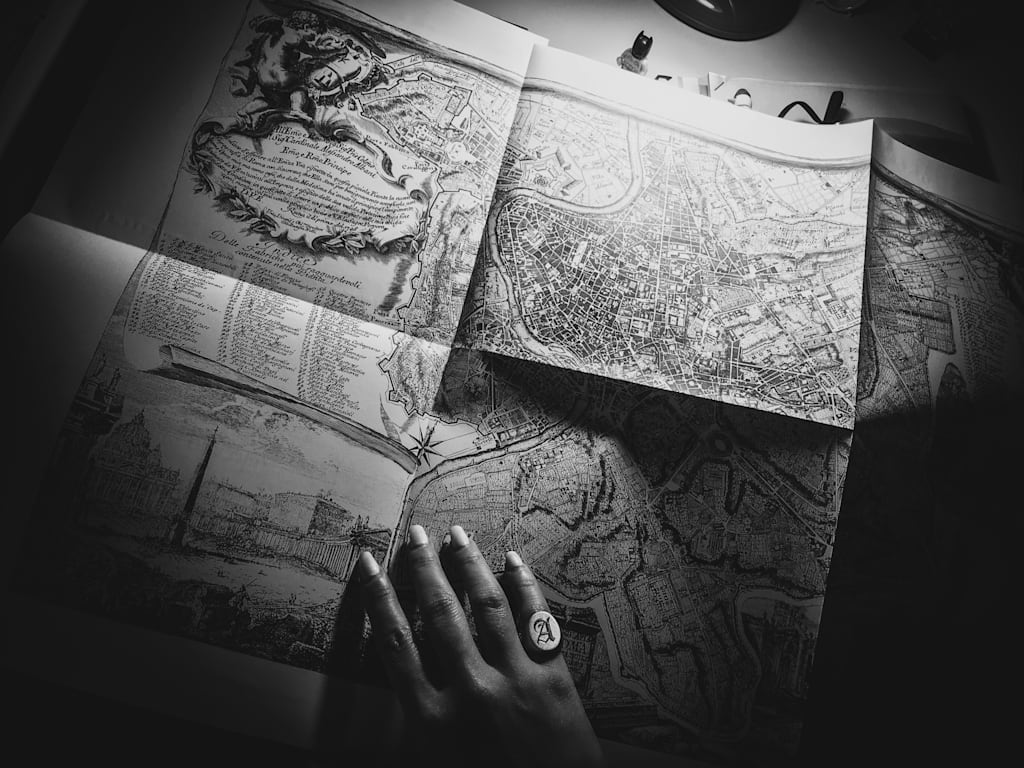
Travel often creates a strong feeling of understanding. Visitors arrive with confidence, and they quickly form opinions about a place. They move through famous streets, and they take in well-known sights. As a result, they feel like they have “seen” the country. However, this sense of understanding stays shallow. It reflects what stands out, not what defines daily life. Therefore, a short trip builds certainty on limited ground.
Moreover, tourism naturally narrows experience. Visitors follow planned routes, and they rely on curated information. Consequently, they encounter a version shaped for convenience and appeal. While this version feels complete, it leaves out complexity. In contrast, living in a place slowly replaces this simplified picture with reality.
Daily Life Rewrites Expectations
Living somewhere changes how a person sees everything. Residents wake up without a travel plan, and they step into a routine. They go to work, shop for necessities, and manage responsibilities. As a result, the place stops feeling like a destination and becomes part of life.
Furthermore, routine exposes patterns that tourists rarely notice. Repetition shows how systems function over time. Residents begin to understand traffic flow, service habits, and social rhythms. They see how ordinary days actually unfold. Visitors miss this layer because they pass through too quickly.
From Observation to Participation
Tourists mainly observe. They watch, take photos, and move on. However, residents participate. They engage with systems, people, and expectations every day. This shift changes everything they think they know.
Additionally, participation brings consequences. Residents deal with delays, decisions, and responsibilities. They learn how things work through experience, not explanation. As a result, their understanding becomes practical rather than imagined. This difference separates surface knowledge from lived knowledge.
Language Changes Access to Reality
Language shapes what people can truly understand. Visitors often rely on English or translation tools. While this allows basic communication, it limits depth. Residents, however, gradually learn the local language.
Moreover, language unlocks context. Conversations reveal opinions, humor, and emotion that translation cannot fully capture. As residents improve, they gain access to more authentic interactions. Consequently, they stop relying on interpretation and start understanding directly. This shift changes how they perceive everything around them.
Relationships Replace Assumptions
Short visits rarely create meaningful relationships. Visitors interact briefly with guides, vendors, or hotel staff. These exchanges stay polite but distant. However, residents form ongoing relationships that grow over time.
Furthermore, relationships correct misunderstandings. People explain local behavior, share personal experiences, and offer perspective. Residents listen and learn through these interactions. As a result, stereotypes fade, and complexity appears. What once seemed simple becomes layered and human.
Challenges Reveal What Guides Hide
Travel often hides difficulty. Visitors stay in controlled environments, and they receive support when needed. However, residents face everyday challenges without a safety net. They deal with bureaucracy, housing issues, and differences in systems.
In contrast, these challenges teach important lessons. Residents learn patience, problem-solving, and adaptation. They discover how systems really operate, not how they appear in brochures. As a result, their understanding becomes more honest and grounded.
Social Rules Become Visible Over Time
Every place has unwritten rules. Visitors may notice some differences, but they rarely understand them fully. Residents, however, learn through repetition and observation. They see how people greet each other, disagree, and cooperate.
Additionally, mistakes become teachers. Residents adjust their behavior after misunderstandings. They learn what is acceptable and what is not. Over time, these patterns become second nature. This awareness reshapes how they interpret social life entirely.
Time Exposes What Tourism Hides
Time changes everything about perception. Visitors experience a snapshot, often during ideal conditions. They see festivals, attractions, and highlights. However, residents experience the full cycle of life.
Moreover, they witness change. Seasons shift, moods change, and communities evolve. They see both calm and chaos. As a result, they develop a balanced understanding. What once felt extraordinary becomes part of a larger, more complex picture.
Breaking the Comfort of First Impressions
First impressions often feel powerful. Visitors quickly trust what they see and form strong opinions. However, living in a place challenges those assumptions. Daily reality often contradicts early judgments.
Furthermore, exposure creates correction. Residents encounter situations that do not match expectations. They adjust their thinking over time. As a result, their understanding becomes less rigid and more flexible. This evolution replaces certainty with awareness.
Emotional Connection Changes Perception
Over time, residents form emotional ties to their environment. They build routines, friendships, and memories. As a result, the place becomes meaningful beyond geography.
Additionally, emotional connection deepens attention. Residents care about changes, issues, and developments. They feel involved in what happens around them. This engagement strengthens understanding. Visitors, however, remain detached and temporary.
A New Definition of Knowing
Living in a place changes the meaning of “knowing” it. Visitors rely on fragments of observation and experience. Residents rely on participation and time. These differences shape completely different perspectives.
Moreover, knowledge gained through living includes contradictions. Residents understand that no place is simple or one-dimensional. They see beauty and difficulty at the same time. This balance replaces simplified narratives with real understanding.
Beyond the Surface of Travel
Travel offers discovery, excitement, and inspiration. It opens doors to new sights and ideas. However, living in a place goes further. It replaces quick impressions with lived reality.
The difference lies in depth and time. Visitors see what stands out, but residents see what endures. They learn through daily life, relationships, and experience. As a result, what once felt known becomes more complex, more human, and more real.
About the Creator
Evan Weiss St Louis
Evan Weiss of St. Louis is a healthcare executive with global experience. He has led value-based care models, improved service outcomes, and supported nonprofit and civic initiatives in his community.
Portfolio: https://evanweissstl.com
Enjoyed the story? Support the Creator.
Subscribe for free to receive all their stories in your feed.
Comments