
What Kids Actually Get Out of a Basketball Holiday Camp (Beyond the Skills)
How Basketball Camps Shape Kids in Ways Parents Don't Expect
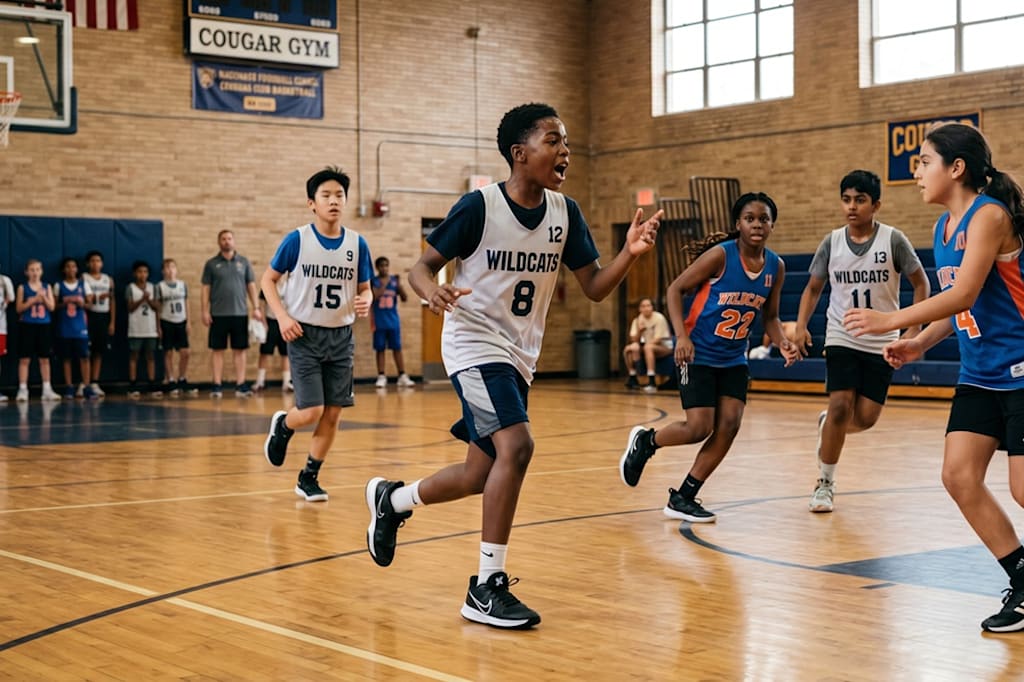
The kid who turns up on day one barely making eye contact with the other players — by day three, they're calling out plays and laughing between drills. It's not the dribbling that changed. Something else shifted.
Parents book their kids into basketball holiday camps expecting one thing: skill development. Handle, shooting form, footwork. And yes, all of that happens. But the changes that tend to stick — the ones that show up at school and at home weeks later — are the ones that had nothing to do with basketball specifically.
Pressure Without Consequences
School carries a particular kind of weight. Social hierarchies that have been calcifying since Year 3, teachers watching, grades mattering. A basketball holiday program strips most of that away. Kids are thrown together with players they don't know, on a court that doesn't connect to any of their existing social structures. There's no reputation to protect. No label that follows them from the classroom.
That environment — low stakes, high energy, genuinely new — tends to draw out kids who have been playing it safe. A quiet kid at school can be a loud, enthusiastic player at camp. And once they've experienced that version of themselves, it's hard to completely forget it.
What Happens When You Have to Communicate to Win
Basketball doesn't work quietly. You call for the ball. You point out the screen. You tell your teammate they're open before the defence adjusts. Kids who play through a full multi-day camp will spend more time practising verbal communication under pressure than they would in a month of ordinary classroom settings — and it's communication with real, immediate feedback. The pass either happened because you called it, or it didn't.
Honestly? That's underrated as a developmental outcome. Plenty of kids are perfectly capable of talking to adults but freeze when it comes to peers. The court fixes that faster than most things.
Learning to Handle Not Being the Best
You can't really schedule that reckoning into a school week. Sooner or later at camp, a kid meets someone who is flatly better than them — better handle, better court sense, better everything — and they have to figure out what to do with that. Where they fit. Whether they keep competing or quietly check out. Coaches who catch that moment early can do a lot with it. Coaches who miss it, less so.
The Independence That Slips Past Parents
For a lot of kids, a multi-day camp running through school holidays might be the only stretch in their week where no parent is close enough to step in. They have to sort things out. Their gear either makes it to the court or it doesn't. If there's a falling out with another player, they navigate it themselves or the session gets uncomfortable fast. It's mundane stuff, but it's the mundane stuff that builds something.
Why the Holiday Camp Format Works Differently to Weekly Training
The condensed format matters. Weekly training is excellent for building habits, but the social bonds take months to form because the exposure is so spread out. A school holiday basketball camp compresses that process dramatically — the same group, multiple sessions a day, over several days. Friendships that would normally take a full winter season form in 72 hours.
Kids tend to arrive a little guarded and leave talking about when the next one is. The skill gains are real. But ask most parents what they actually noticed when their kid got home, and it's rarely the improved crossover dribble.
About the Creator
Enjoyed the story? Support the Creator.
Subscribe for free to receive all their stories in your feed.
Comments
There are no comments for this story
Be the first to respond and start the conversation.