
Unlock Your Best Self
Essential Strategies for Rapid Personal Growth

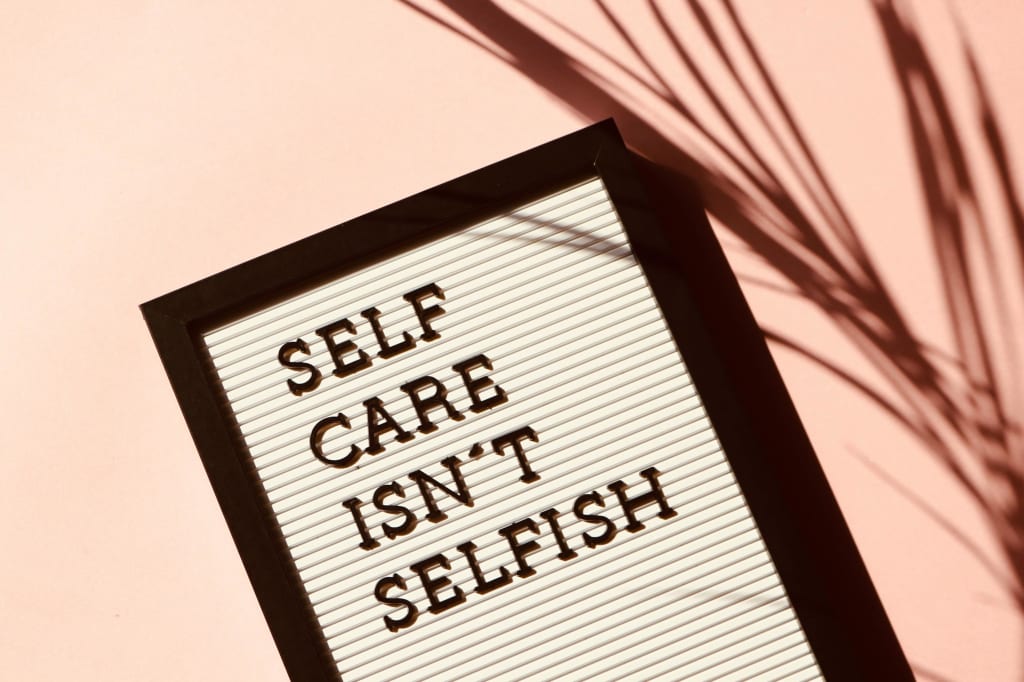
Self-improvement does not create a destination but, rather, it is part of the journey of life toward becoming better, both personally and in self-development. It means the practice of varied practices and strategies, maybe increasing productivity, developing good habits, or simply living up to personal and professional expectations, but this initiation of self-improvement paves the path toward a lot better life and full success. Now, let's talk about some of the most critical strategies for self-improvement, offer you practical tips to make the first steps, and explain why investing in yourself has numerous benefits.
Put achievable, realistic targets at the very beginning of your journey toward self-improvement. Properly set goals shall be very instrumental in the channeling of your efforts in the right way and be the much-needed push to keep moving on. SMART stands for Specific, Measurable, Achievable, Relevant, and Time-bound, and these are some of the criteria under which proper goal-setting is founded. For example, you can take easily a desire that is as amorphous as "I want to be healthier" and turn this into something like "I will carry out some exercise for thirty minutes five times a week over the next three months." Then, this will be a goal that is defined, measurable, achievable, relevant to health, and time-bound, so satisfying almost all the criteria.
Then gradually pick up the speed by working on one task at a time until the entire goal looks a bit more achievable. Visualization in this process could prove to be very critical. See yourself achieving your goals; let the mental picture take you through commitment and perseverance.
One of the key elements of personal growth is the creation of a growth mindset. It can be defined as a belief in which abilities and intelligence can be utilized with development through working and learning. So, you would be cultivating a sense of practicing resilience and competently viewing challenges as an opportunity for growth rather than frustrating obstructions. So, meeting troubles will be the opportunity by which to turn some improvement in your capability instead of letting go.
Feedback is yet another tool in this journey. Constructive criticism sheds a light on things one can do better. Embracing this criticism and readjusting where necessary is a major part of growth. To begin with, mistakes are not failures; they are stepping stones in the process of learning. Hence, persistence in the face of setbacks becomes a very instrumental pillar, and each experience one gains in the process of development was either successful or not.
A part of the process in building/keeping up good habits is in the development and maintenance. If you do not want 'to be overwhelmed,' then focus on one thing at a time. It is essential to establish a consistent routine and flow so that new habits can be integrated seamlessly into your daily life. For example, if you want to stretch in the morning, it would be best to do it immediately after brushing your teeth. New habits are more easily followed through if they can be tagged onto existing routines that are already ticked off in your life. Personal development also includes the investment of time and other relevant resources in activities that enhance one's skills and knowledge. This seeks insight and motivation from reading inspirational and other related subjects. Many lessons get picked up from books or articles on personal development, leadership, among many other related topics. New things or improvement on those learned can be through online courses at Coursera, Udemy, or LinkedIn Learning. The subjects cut across very widely and can be tailored toward personal interests and goals regarding one's career.
The interesting supplements available to the learning you are going to pursue are workshops and seminars. Workshops offer hands-on work, and people now have an avenue for networking with those like-minded. Participation in live learning experiences can also enhance your journey in personal development, helping connect with others who have similar interests in topics studied.
Effective time management will give you an overview of maintaining a time balance in your personal life and professional life. This will help you in making a scheduled framework taken from calendars, planners, or even apps that track your tasks. Then allocate time to various activities. Just do that which is required. Activity Prioritization Control and coordinate your activities in light of their priority. The Eisenhower Matrix is one of the time management techniques that provide you with a basis for putting a division in the kinds of tasks you have to do and then quickly acting on those with a higher priority.
The major problem with procrastination is that tasks tend to appear far more overwhelming than they often actually are. This overwhelming feeling can further be reduced by breaking tasks down into smaller, even more palatable steps, attaching due dates to them, and helping in keeping focus on completion of a task.
To humanly relate, it is essential in personal success and relationships. EQ involves being versant with your feelings and those around you. The starting point in practicing emotional intelligence is self-awareness. Observe your feelings and what makes you act the way you do. Keeping a journal will help you track your emotional patterns and give you insight into your feelings.
You also need to make an effort to develop your empathy. Giving meaning to listening truly to another person, real understanding, and seeing in their point of view just means doing it. If you have, then it would create better connections between people; hence, it is easier to understand others. Keep stress at bay with meditation, deep breathing, or other simple relaxation to help free your emotional equilibrium and sharpen your mood.
Strong relationships lead to happiness and success. Good relationships depend on good communication. This can be achieved through active listening and speaking respectfully, expressing your thoughts as clearly as possible. There is nothing that cements relationship ties and creates a network of helpers as appreciating and saying thank you to those around us.
Another area in a relation is mutual respect for personal boundaries: being aware of the needs of the other person while also expressing your own. Mutual respect will place things into balance and harmony in your interaction.
It is best said that resilience means the ability to 'bounce back' from adversity while looking at life from a positive perspective. First to develop is problem-solving skills, in which one learns how to approach problems in a manner of finding solutions. Break down the problems into parts, and then explore possible solutions for each of the parts.
Equally important is the maintenance of a very close-knit circle of friends, relatives, or role models. A good support network will always encourage and advise one on steps to take in the best way possible during the rough times. Moreover, one should always remember to do enough exercise and eat healthily and rest enough both physically and mentally, since they all lead to the formation of resilience.
The first principle that insists on continuous self-improvement is embracing lifelong learning. It creates an environment to kindle curiosity by placing oneself in spaces that support exploration and learning. Curiosity exposes one to new ideas and experiences, hence personal and professional growth.
Setting concrete, specific learning goals and working to achieve them with a plan; scheduling time for reflection on what is learned and how it will influence the life process. This helps reinforce the knowledge and build upon areas that need further growth.
Any level of achievement, however small, should be celebrated in order to keep you positively motivated. You never forget to celebrate the milestones and reflection of those steps which have been taken in the process toward reaching the goals. Take a pat on your back whenever such milestones are achieved by taking some time off, doing something you like, or indulging in a special treat.
Share this success with friends, family, or colleagues; it adds a touch to the sense of achievement and will bond among you more closely. Others celebrating your success raise the level of confidence in you and reinforce further commitment to personal growth.
Personal development, in a nutshell, is a continuous process of self-improvement that bears dedication, effort, and self-awareness. Establishing goals, nurturing a growth mindset, creating healthy habits, and giving time to personal development are the ways to live a full and purposeful life. Good time management, emotional intelligence, and relationship-building strongly assist you to succeed wholly and live well. Welcome with curiosity, resilience, and commitment to celebrating your achievements. It's just the investment in yourself where the most rewarding venture may be laid out, resulting in the end in a life full of richness and meaning.
rom their standpoint. When you are using this approach then it seamlessly builds a better connect between people and it is easier to understand one another. Keeping your stress at bay by meditation, deep breathing or plain relaxation will help you stay emotionless and sound to be in your mood.
Happiness and success come from strong relationships, and good communication comes from a good relationship. Actively listen and try to explain your thoughts as clearly as possible in the most polite manner. Appreciation and gratitude for people in one's life, expressed regularly, hold relationships together and build a network of helpers.
Another thing about a healthy relationship is respect for personal space and boundaries. Communicate your needs to others, but at the same time, respect the needs of others. This mutual respect will hold balance and harmony in your interactions.
What this means is the quality of resilience—that is, the ability to bounce back following some form of adversity but to remain buoyant in one's outlook on life—can be developed through first fostering problem-solving skills; that is, learning how to approach problems in a solution-focused way. One then breaks down problems into smaller parts and considers how one might overcome the difficulty in relation to each part.
Finally, it is very essential to keep in close contact with a close network of friends or family members or mentors. A good support system encourages and even advises in better ways to move on in the event that things seem to be rough. One needs to exercise adequately, eat healthily, and get enough rest, for both physical and mental strength since they all lead to resilience.
The first principle calling for improved selves is embracing lifelong learning. Create the environment that will help you cultivate curiosity by putting yourself in spaces that support exploration and learning. Curiosity exposes someone to new ideas and experiences, hence leading to personal and professional growth.
Setting clear, specific learning goals along with a plan to pursue them. Reflection on what has been learned and how it impacts the life process is very important. This step helps in reinforcing knowledge and building on areas that require further growth.
Of course, it's good to celebrate any achievement, no matter how minor it might appear, and this shall keep one in high positive spirits. You wouldn't forget making note of progress achieved and taking time off to think of the action taken towards attainment of goals. When such milestones are accomplished, take some time off or do something you like, or better still, indulge in something sweet—just pat your back.
Being able to share your success with your friends, family, or colleagues adds to the sense of accomplishment and helps to augment the bonds among you. Others celebrating with you raise the level of confidence in you and further reinforces your commitment to further development.
Personal development, in its simplest definition, is an ongoing process of improved quality of life bearing dedication, effort, and self-awareness. Have goals in your growth mindset, strongly considering good habits; appreciate personal development practices that will lead you to actualize at your highest potential and to live life with meaning by fully achieving. Proper time management, emotional intelligence, and relationship creation are key to the journey of success and well-being. Respond enthusiastically and remain resilient with curiosity; celebrate accomplishment through self-improvement. This is in investing in yourself where the most rewarding venture may be laid up, which eventually leads you into a life of richness and meaning.
About the Creator
Phineas White
Hello, I'm Phineas White! I specialize in crafting engrossing and enlightening articles covering mostly self improvement and coming to terms with our emotions
Enjoyed the story? Support the Creator.
Subscribe for free to receive all their stories in your feed.
Comments