
Transforming Communities by Creating Opportunities for All
Creating Opportunities

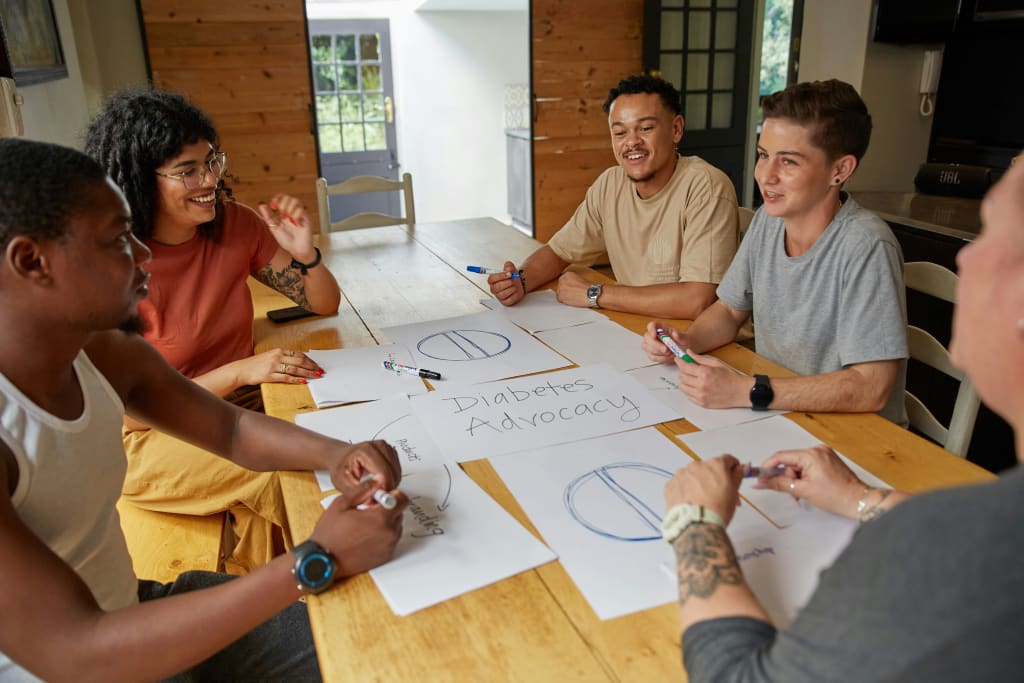
In many communities, opportunity is often a scarce commodity, particularly in areas affected by economic instability, limited educational resources, or insufficient healthcare access. The absence of these opportunities can keep individuals and families trapped in cycles of poverty, with little hope for a brighter future. However, when communities invest in creating opportunities for their residents—whether through education, employment, or access to vital services—they can foster sustainable growth, prosperity, and resilience. By focusing on areas that need help the most, we can build stronger, more cohesive communities that are not only better equipped to overcome challenges but also better positioned to thrive.
Identifying and Addressing Gaps in Opportunity
The first step in creating opportunities where they are needed most is identifying the gaps in access and resources. In many underserved communities, education is one of the most significant barriers to opportunity. Schools in these areas often struggle with outdated resources, overcrowded classrooms, and a lack of support staff, making it difficult for students to receive the education they need to succeed. When educational opportunities are limited, individuals are less likely to secure stable employment, which in turn can keep the cycle of poverty in motion.
Similarly, economic opportunities in these communities may be few and far between, with unemployment rates often higher than the national average. When individuals cannot find meaningful, well-paying work, it impacts not only their lives but the economic health of the community as a whole. Moreover, without access to quality healthcare, individuals may face long-term health issues that further prevent them from pursuing educational or professional goals.
By pinpointing these areas of need, we can focus resources on the places where they are most likely to have a transformative impact. Providing access to quality education, healthcare, and economic opportunities can serve as the foundation for revitalizing these communities, setting the stage for growth and improvement across all sectors.
Education as the Cornerstone of Opportunity
Education serves as the most powerful tool for creating lasting change in any community. By empowering individuals with knowledge and skills, we help them open doors to new possibilities, both personally and professionally. In areas where educational resources are scarce, this could mean providing funding to improve school facilities, offering scholarships, or expanding after-school programs that provide mentorship and tutoring.
Additionally, there is a growing need to focus on vocational training programs that equip individuals with practical skills that directly lead to employment opportunities. Many underserved communities face a mismatch between the skills people have and the types of jobs available. By offering job training in fields like technology, healthcare, and trades, we can help bridge that gap and ensure that residents have access to well-paying, stable jobs.
Moreover, promoting higher education and making college more accessible can change the trajectory of an entire community. By providing financial aid, creating college prep programs, and offering mentorship, communities can open the doors of higher education to young people who might otherwise never have considered it. Education becomes a transformative force not just for individuals, but for entire communities, as those who achieve academic success go on to bring back knowledge, skills, and leadership to their neighborhoods.
Creating Sustainable Economic Opportunities
While education is key to breaking cycles of poverty, creating sustainable economic opportunities is equally essential. A community cannot thrive without a robust job market and access to stable employment. However, many low-income areas face barriers such as a lack of job opportunities, insufficient infrastructure, and disconnection from broader economic markets. To combat this, local governments, businesses, and nonprofits must work together to create employment opportunities that are directly tailored to the community’s needs.
This can include attracting businesses to invest in underserved areas or supporting the growth of local entrepreneurship. Small businesses are often the backbone of a community’s economy, and by providing entrepreneurs with access to funding, mentorship, and business development programs, we create opportunities for individuals to build sustainable businesses that generate jobs. Supporting local businesses also keeps money circulating within the community, which can have a positive ripple effect, improving local services and infrastructure over time.
Additionally, community investment in infrastructure—such as transportation, broadband internet, and housing—can create an environment where businesses are more likely to thrive and residents can access the opportunities they need. Economic development is a multi-faceted process, and only through comprehensive investment can communities create the foundation for long-term growth and prosperity.
Health as a Building Block for Opportunity
The role of health in building opportunities is often overlooked, but it’s crucial. A community’s well-being is directly tied to its overall success. When people are healthy, they are more likely to attend school, participate in the workforce, and engage in community life. In contrast, poor health can prevent individuals from achieving their goals and diminish their ability to contribute to the economy.
Access to affordable healthcare is often one of the most significant barriers in underserved communities. Without it, individuals may be unable to manage chronic conditions, receive preventative care, or seek treatment for mental health issues. The impact of this is profound, not only on individual well-being but also on the community as a whole. Without access to care, health problems tend to worsen, leading to higher healthcare costs and absenteeism from work and school.
By increasing access to healthcare—whether through expanding clinics, offering mobile health services, or increasing insurance coverage—we can help ensure that community members are healthy, active, and able to pursue the opportunities that will improve their lives. Health and opportunity are intrinsically linked, and addressing health disparities is essential to creating sustainable change.
Fostering Social Engagement and Cultural Development
While education, economic opportunity, and healthcare are all critical to building stronger communities, social cohesion and cultural development are just as important. Communities thrive when residents feel connected, supported, and valued. Social engagement initiatives—such as local events, volunteer programs, and cultural festivals—can help bring people together, fostering a sense of unity and pride.
Furthermore, investing in arts and culture can be a powerful driver of community development. When residents have access to artistic education, cultural programs, and public art initiatives, they not only enrich their own lives but also contribute to the cultural fabric of the community. Arts and culture help communities tell their stories, build identities, and promote diversity and inclusion. These initiatives can attract attention, investment, and tourism, which can bring new opportunities and economic benefits to local areas.
When communities are socially cohesive, they are more likely to work together to address common challenges and drive positive change. Building opportunities for cultural and social development creates an environment where people are invested in the well-being of their neighbors, which in turn creates a more resilient and thriving community.
Building opportunities where they are needed most is about creating a foundation for long-term, sustainable change. By addressing gaps in education, employment, healthcare, and social engagement, communities can unlock the potential of their residents and create the conditions for growth, prosperity, and resilience. When opportunities are accessible to all, individuals are empowered to reach their full potential, and entire communities are transformed. The power of opportunity lies in its ability to break down barriers, create connections, and promote a more equitable, prosperous future for everyone. Through investment and collaboration, we can build a future where opportunity is not just a privilege for the few but a right for all.
About the Creator
Frank Meza
Frank Meza, a renowned physician and leader, dedicated decades to reducing healthcare disparities in California's Latino communities, advocating for education.
Portfolio: http://frankmeza.com
Website: http://frankmezaca.com
Enjoyed the story? Support the Creator.
Subscribe for free to receive all their stories in your feed.
Comments