
The Story Behind Rising Graduation Rates
Building Futures

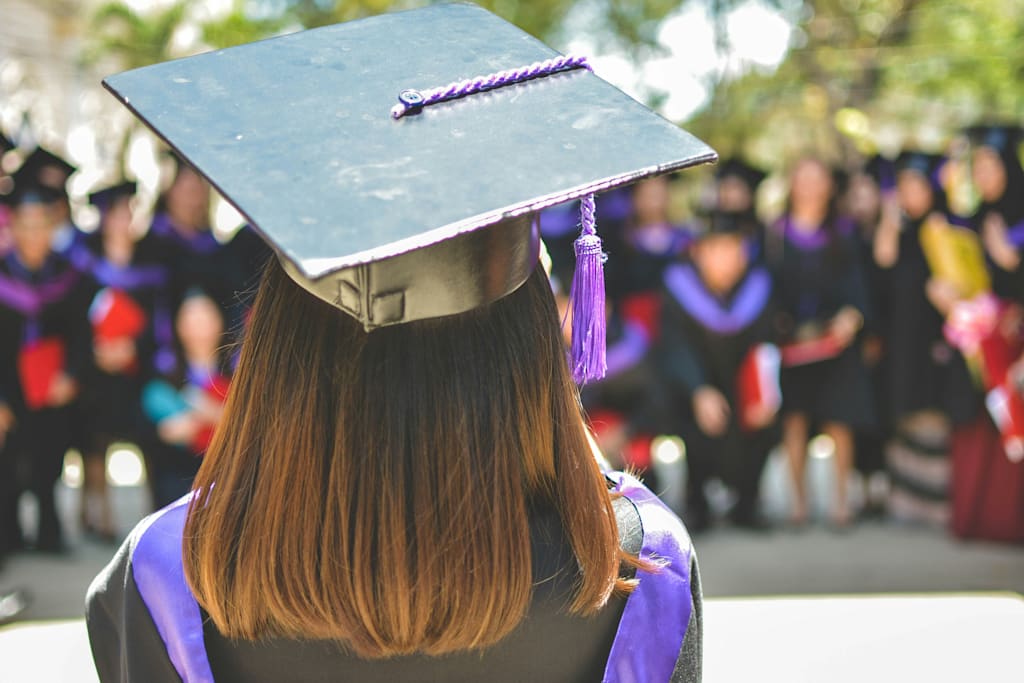
Rising graduation rates across schools and colleges signal an encouraging shift in education today. More students now complete their academic journeys than in past decades, and this progress reflects steady improvements in support systems, teaching methods, and community involvement. Although challenges remain, the overall direction shows clear advancement. Because of that, education today offers more students a real chance to succeed.
Graduation represents more than a final academic requirement. It reflects years of persistence, learning, and personal growth. At the same time, it opens doors to higher education, career opportunities, and long-term stability. Therefore, when graduation rates rise, entire communities benefit, not just individual students.
Schools, families, and communities all contribute to this progress. Together, they create an environment where students feel supported and encouraged to stay in school. As a result, more young people now believe they can complete their education and move toward meaningful futures.
The Meaning of Staying in School
Staying in school and graduating carries deep significance for students. It demonstrates commitment and discipline over many years of learning. In addition, it shows that students can overcome academic and personal challenges while working toward long-term goals.
Graduation also changes future opportunities in powerful ways. Students who complete high school or college often gain access to better jobs and higher earning potential. As a result, education becomes one of the most reliable paths to economic stability.
Beyond financial benefits, graduation builds confidence. Students who complete their studies often develop stronger communication skills, critical thinking abilities, and independence. Furthermore, they learn how to manage responsibilities and solve problems more effectively. As a result, graduation prepares students for both professional and personal success.
Communities also gain from higher graduation rates. Educated individuals tend to contribute more actively to local economies and civic life. Therefore, rising graduation rates support stronger, more stable societies overall.
Stronger Support Systems in Education
One major reason for rising graduation rates is the improvement in student support systems. Schools now recognize that academic success depends on both learning and emotional well-being. Because of that understanding, they offer more resources to help students stay on track.
Teachers play a central role in this progress. Many educators now provide extra guidance to students who struggle in class. In addition, they create more engaging learning environments that encourage participation and understanding. Consequently, students feel more motivated to continue their studies.
Counselors also contribute significantly to student success. They help students manage stress, choose courses, and plan for future careers. Furthermore, they offer emotional support during difficult periods. As a result, students often feel less overwhelmed and more focused on graduation goals.
Technology has also improved educational access. Online learning platforms, digital assignments, and virtual tutoring provide additional ways for students to stay engaged. Therefore, students now have more flexibility and support than ever before.
The Role of Families and Communities
Families remain one of the strongest influences on student success. When parents encourage education, students often develop stronger motivation to complete their studies. Even simple actions, such as asking about school progress or celebrating achievements, can make a meaningful difference.
At the same time, families often make sacrifices to support their children’s education. They provide emotional encouragement, financial assistance, and consistent guidance. Because of that support, students feel more confident during challenging times.
Communities also play an important role in improving graduation rates. Local organizations, schools, and businesses often collaborate to offer scholarships, mentorship programs, and internships. In addition, community involvement helps students see real-world value in education. As a result, they become more motivated to finish school.
Mentorship programs are especially powerful. When students connect with positive role models, they gain guidance and encouragement for their future goals. Furthermore, mentors often help students navigate obstacles that might otherwise lead to dropout. Therefore, mentorship strengthens both academic and personal development.
Overcoming Barriers to Graduation
Even with progress, many students still face obstacles that make graduation difficult. Financial stress, family responsibilities, and academic challenges can affect performance and motivation. However, schools now respond to these issues more actively than in the past.
Mental health support has become increasingly important in education. Many schools now offer counseling services that help students manage anxiety, stress, and emotional challenges. Because mental health affects learning, this support significantly improves academic outcomes.
Flexible learning options also help students stay in school. Some institutions offer online classes, alternative schedules, or credit recovery programs. In addition, these options allow students to balance education with work or family responsibilities. As a result, more students can continue their education rather than drop out.
Schools also place greater emphasis on inclusion and fairness. Educators work to ensure that students from different backgrounds receive equal opportunities to succeed. Therefore, education systems continue evolving to meet diverse student needs.
Preparing Students for Life After Graduation
Rising graduation rates also reflect better preparation for life beyond school. Education today increasingly focuses on real-world skills that help students succeed in careers and daily life. As a result, students often feel more confident about their future after graduation.
Career readiness programs help students explore job options and develop practical skills. In addition, internships and training programs give students hands-on experience before entering the workforce. Consequently, students gain a clearer understanding of their future paths.
Schools also emphasize communication, teamwork, and problem-solving skills. Employers value these abilities highly, so students benefit from learning them early. Furthermore, these skills help students succeed in both professional and personal environments.
Technology education continues to grow as well. Digital literacy has become essential in nearly every career field. Therefore, schools now focus on helping students become comfortable with technology and online tools.
A Positive Direction for the Future
Rising graduation rates represent hope and progress for education systems everywhere. They show that when schools, families, and communities work together, students can achieve meaningful success. Because of that cooperation, more young people now complete their education and pursue better opportunities.
Educators continue working to improve learning environments and student support systems. At the same time, families and communities remain actively involved in encouraging student success. Therefore, this positive trend may continue.
Students themselves deserve recognition for their achievements. Graduation requires persistence, effort, and determination. Many students overcome significant challenges before reaching this milestone. As a result, each graduation story reflects resilience and personal growth.
Rising graduation rates tell a powerful story of progress and possibility. They demonstrate what can happen when support systems work together to guide students toward success. Most importantly, they show that education continues to open doors and build brighter futures for generations to come.
About the Creator
Tom Walter Wake Forest
Thomas Walter was born New York but grew up in Johnstown, PA. Yet, the core of his values was set firmly in Washington, DC, during his years at Georgetown University.
Portfolio: https://tomfwalter.com/
Enjoyed the story? Support the Creator.
Subscribe for free to receive all their stories in your feed.
Comments