
The Road to Becoming a Tattoo Artist
What You Need to Know

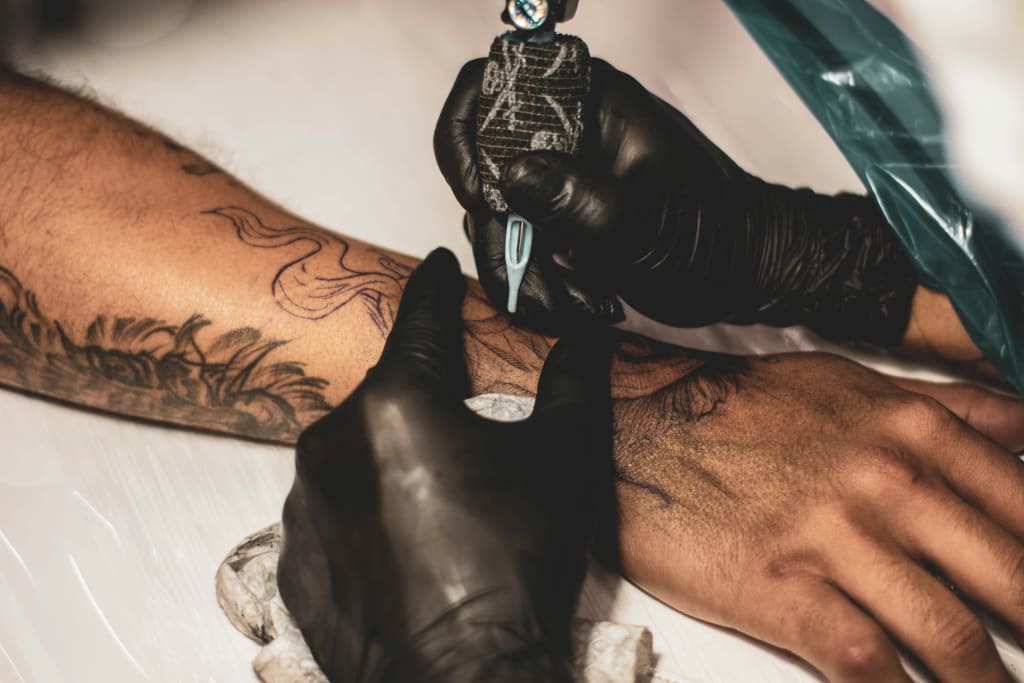
Tattooing is more than just a form of self-expression or a creative outlet; it’s a highly skilled craft that demands dedication, practice, and an understanding of both art and technique. If you’re considering a career as a tattoo artist, you should know that it’s not an easy path. The journey requires time, patience, and a deep commitment to mastering the craft. While some may be drawn to the idea of creating permanent art on skin, the reality of becoming a professional tattoo artist involves a lot of hard work and continuous learning. Here’s what you need to know before taking the plunge.
The Foundation: Strong Artistic Skills
First and foremost, tattooing is art. Before you even think about picking up a tattoo machine, you need to have a solid foundation in art. If you aren’t already skilled at drawing, now is the time to start practicing. You’ll need to be proficient in different artistic techniques, including line work, shading, and color theory. A good tattoo artist must understand how to create designs that work well on the human body, and this requires not only artistic ability but also an eye for detail and proportion.
Developing your own style is another key aspect of becoming a successful tattoo artist. Whether you gravitate toward traditional tattoos, realism, blackwork, or more abstract designs, having a distinctive artistic voice will help you stand out. Take time to experiment with various techniques and learn about the different tattoo styles that have evolved over the years. It’s essential to be well-versed in multiple artistic traditions and adapt them to your unique approach.
The Technical Side: Learning How to Tattoo
Being an artist is only part of the equation. Tattooing is a technical skill that requires knowledge of tools, machines, needles, and techniques. The tattoo machine is far more intricate than it might seem at first glance, and learning how to use it effectively is crucial for producing high-quality work. There are various types of machines—coil, rotary, and pneumatic—and each one serves a different purpose. As you progress, you'll need to become familiar with the function of each machine and its parts, how to adjust settings, and how to troubleshoot when things don’t go as planned.
Understanding tattoo needles is equally essential. Different needle configurations are used for various styles of work, and knowing when and how to use each one is essential. You’ll also need to be proficient in setting up your tattoo station, preparing the equipment, and cleaning your tools. Learning how to sterilize and disinfect everything properly is paramount, as tattooing involves direct contact with skin and ink, which can carry health risks if not handled correctly.
The Importance of an Apprenticeship
While it’s possible to watch tutorials online and read about tattooing, the best way to learn is through hands-on experience. This is where an apprenticeship comes into play. Becoming a tattoo artist is often best learned under the guidance of an experienced professional. An apprenticeship allows you to observe seasoned tattoo artists, assist them, and, most importantly, practice in a real-world setting.
A good apprenticeship will teach you not only the technical aspects of tattooing but also how to communicate with clients, manage expectations, and build a reputation. Apprenticeships typically require a significant time commitment, and you may start by cleaning the shop, preparing equipment, and shadowing your mentor. Over time, you’ll move on to practicing your tattooing skills on synthetic skin or under the mentor's supervision.
While many aspiring tattoo artists dream of immediately tattooing clients, the reality is that building your skills takes time. Most apprenticeships last a year or more, and during that time, you’ll be learning not just how to use the equipment, but also the nuances of the craft that can only be learned through experience.
Understanding the Science of Skin and Health
Tattooing is a process that involves working with the skin, and to become a skilled tattoo artist, you must understand human anatomy. The skin is the largest organ in the body, and it has three layers—epidermis, dermis, and hypodermis—that each play a different role in how the tattoo will turn out. Tattoo ink must be deposited into the dermis layer, which is where it will remain permanently.
Learning the science of how skin reacts to tattooing is crucial. If you go too deep, you risk damaging the skin, and if you don’t go deep enough, the tattoo won’t hold. You must understand how different skin types—such as those with more melanin or scarring—affect the ink’s ability to settle in the skin. Additionally, you need to know how to deal with complications such as allergic reactions, infections, and scarring.
Learning proper aftercare techniques is also essential. A good tattoo artist will continually educate their clients on how to care for their tattoos after the procedure to ensure proper healing and the best possible results. You need to be well-versed in explaining aftercare instructions, which typically include keeping the tattoo clean, avoiding sun exposure, and moisturizing during the healing process.
Building a Portfolio and Reputation
Your portfolio is your most powerful marketing tool as a tattoo artist. It not only showcases your technical skill but also reflects your artistic style and versatility. In the early stages of your career, focus on building a strong portfolio by working on a variety of designs and perfecting your craft. As you gain experience, you can focus on your preferred style and curate your portfolio to reflect that.
However, having the skills to create great tattoos is only part of what it takes to succeed. Building a positive reputation is just as important. Word of mouth is mighty in the tattoo industry, and clients will come back to you if they feel respected and confident in your abilities. Good communication skills, reliability, and professionalism are essential in establishing strong client relationships. Making clients feel comfortable during the process and delivering high-quality work will ensure repeat business and referrals.
Understanding the Business Side of Tattooing
Finally, to be a successful tattoo artist, you need to understand the business side of the industry. Whether you’re working in a shop or starting your own business, you'll need to be familiar with pricing, taxes, booking clients, and marketing. Running your own tattoo business requires a good understanding of business management, from setting up appointments and managing inventory to ensuring compliance with local regulations.
Most tattoo shops operate as small businesses, and many artists work as independent contractors. Learning how to manage your finances, handle customer inquiries, and market your work effectively will be crucial for sustaining a long-term career.
Becoming a tattoo artist is a challenging but rewarding path that requires a mix of artistic talent, technical expertise, and business savvy. While the process of learning can be long and complex, the rewards of creating permanent art and making a difference in people’s lives are worth the effort. To succeed, you must be dedicated to continuous learning, practice, and growth. Suppose you’re ready to embrace the challenges and the artistry involved. In that case, tattooing can be a fulfilling and dynamic career that allows you to express yourself while creating beautiful art for others.
About the Creator
Alex Karman
Alex Karman grew up in Minnesota, shaped by flat horizons and small-town grit. Drawn to freedom over conformity, he embraced motorcycles, tattoos, and rebellion.
Portfolio1: https://alexkarman.com/
Portfolio2: https://alexkarmanfl.com/
Enjoyed the story? Support the Creator.
Subscribe for free to receive all their stories in your feed.
Comments